
When planning a trip to a vibrant city like Seattle, understanding its transportation network is paramount for a smooth and enjoyable experience. As travelers ourselves, we’ve often pondered this very question: Does Seattle boast a subway system? The answer, while not a simple yes or no, requires a closer look at the city’s evolving public transit landscape. For those accustomed to the extensive underground rail networks of cities like London, New York City, or Paris, Seattle‘s offerings might initially feel less developed. However, the Emerald City is making significant strides in expanding its transit capabilities, and what it lacks in traditional subways, it often compensates for with other efficient modes of transport.
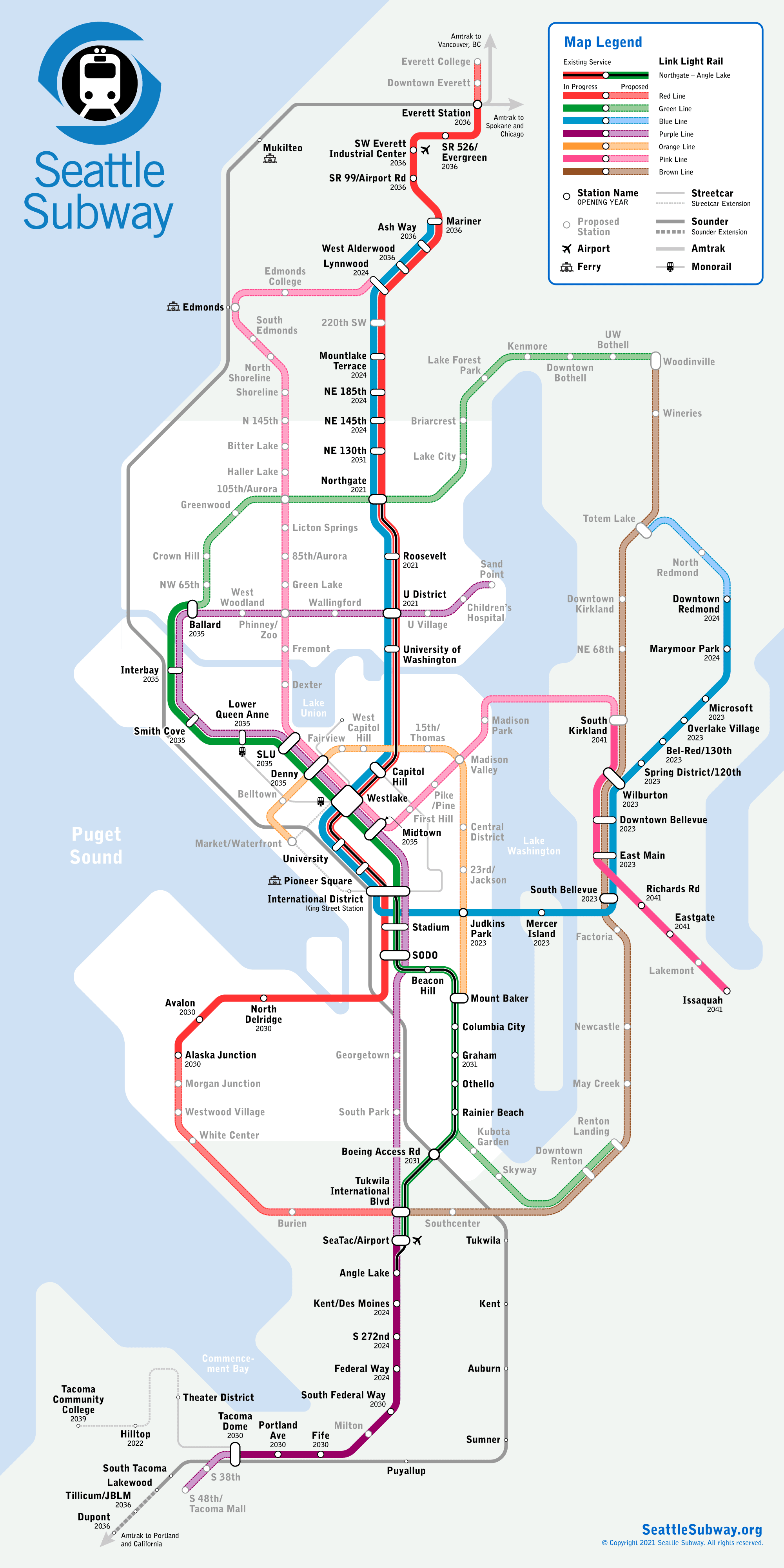
This exploration delves into Seattle‘s current transit infrastructure, differentiating between what might be considered a “subway” and the various other public transportation options available to visitors and residents alike. We’ll examine the existing light rail system, its reach, and its potential to serve as a de facto subway for many travelers. Furthermore, we’ll touch upon the ongoing expansion projects and future plans that promise to reshape Seattle‘s urban mobility, ensuring that navigating this picturesque Pacific Northwest gem is as effortless as possible, whether you’re seeking the best seafood at Pike Place Market or admiring the panoramic views from the Space Needle.
Navigating Seattle: Beyond the Traditional Subway
The term “subway” typically conjures images of underground trains whisking passengers through the heart of a metropolis. While Seattle doesn’t have a comprehensive, miles-long underground rail system in the vein of older, established cities, it does possess a crucial and growing component that functions similarly for many travelers: the Link Light Rail. This modern, electric-powered system serves as the backbone of public transportation for many visitors arriving at Seattle-Tacoma International Airport and traveling into downtown Seattle and beyond.
The Link Light Rail: Seattle’s Underground and Elevated Arteries
The Link Light Rail is Seattle‘s most prominent answer to the question of an urban rail transit system. Operated by Sound Transit, it currently connects key areas of King County, with a significant portion of its route traversing underground through the dense urban core. This underground segment is precisely what leads many to equate it with a subway. The Link offers a clean, reliable, and environmentally friendly way to travel, avoiding the notorious Seattle traffic congestion.
Key Destinations Served by Link Light Rail:
- Seattle-Tacoma International Airport (Sea-Tac Airport): A crucial gateway for most visitors, the Link Light Rail provides direct access from the airport to downtown Seattle, making it an incredibly convenient option for checking into your hotel, such as the Thompson Seattle or the Fairmont Olympic Hotel. This eliminates the need for expensive taxis or navigating unfamiliar roads after a long flight.
- Downtown Seattle: The Link stops at several key stations within the downtown core, including Westlake Station, which is a central hub for many bus routes and is located near popular attractions like Westlake Center and Pike Place Market. Other downtown stations offer easy access to the Seattle Convention Center, the Central Business District, and various dining and entertainment options.
- University District: For those visiting the University of Washington, the Link Light Rail provides a direct connection, making it easy to explore the campus or attend university events.
- Capitol Hill: This vibrant neighborhood, known for its eclectic shops, restaurants, and nightlife, is also served by the Link, offering a convenient way to experience its unique lifestyle.
- Northgate: The northern terminus of the current line, Northgate Station provides access to the northern parts of Seattle and connects to other bus services.
While not entirely subterranean, the underground sections of the Link Light Rail are substantial and offer a true subway-like experience. As the system continues to expand, its role as Seattle‘s primary rapid transit system will only solidify.
Beyond the Rails: Other Essential Seattle Transit Options
While the Link Light Rail is the closest Seattle has to a subway system, a comprehensive understanding of the city’s transportation requires looking at its other robust public transit offerings. These systems, often integrated with the Link, ensure that every corner of the city and its surrounding areas are accessible.
Bus Networks: The Ubiquitous Connectors
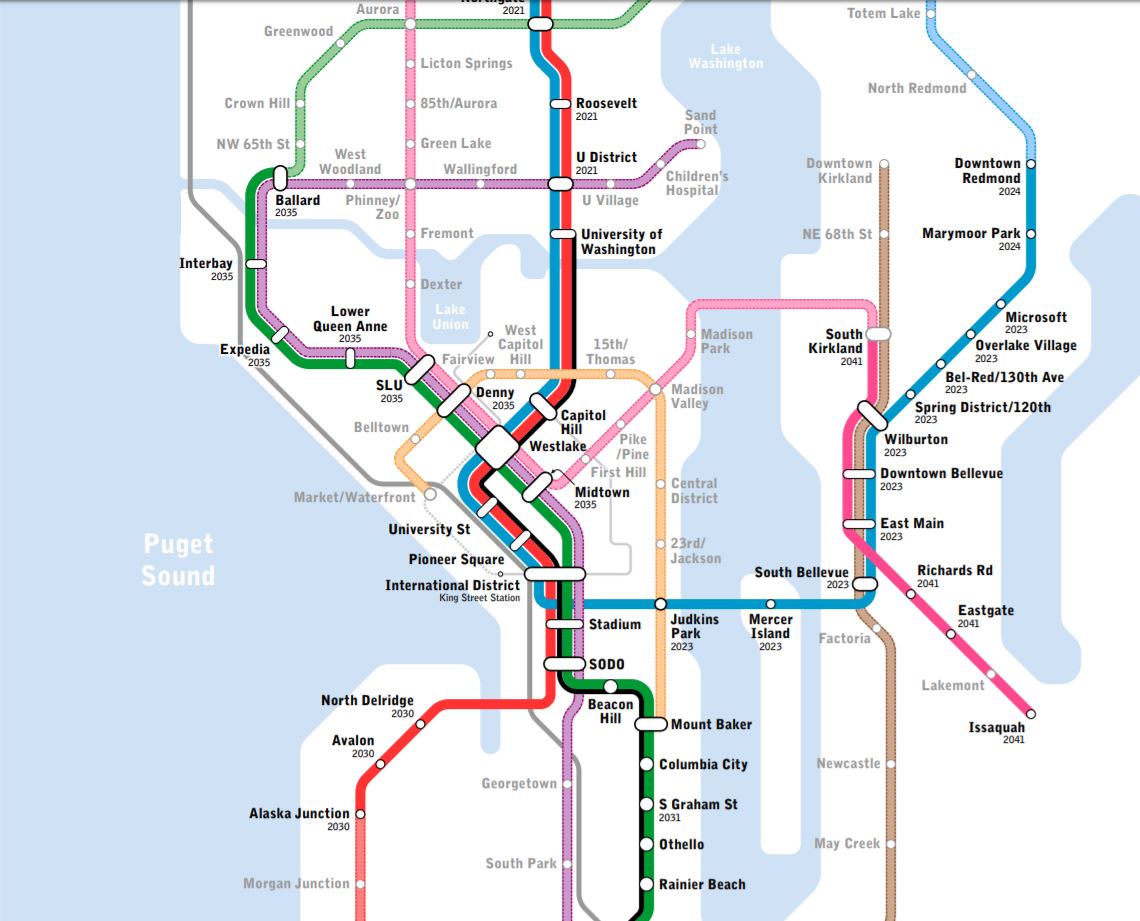
King County Metro operates an extensive bus network that complements the Link Light Rail and reaches areas not yet served by rail. Buses are a vital component of Seattle‘s public transportation, offering frequent service on major corridors and providing last-mile connectivity from light rail stations.
- Downtown Seattle: Numerous bus routes converge in downtown Seattle, forming a complex web that allows for easy movement between different districts and attractions. Many bus stops are conveniently located near hotels and landmarks.
- Neighborhood Access: From the trendy boutiques of Ballard to the cultural hubs of Fremont and the scenic waterfront of Alki Beach, buses provide essential access to Seattle‘s diverse neighborhoods.
- Express Routes: For commuters and travelers looking to bypass local traffic, express bus routes offer faster journeys between key points, often utilizing HOV lanes.
Riders can utilize apps like OneBusAway or the Transit GO Ticket app to plan their trips, check real-time arrivals, and purchase fares, making bus travel a seamless experience.
Streetcars: A Scenic and Convenient Option
Seattle also operates streetcar lines that offer a charming and efficient way to navigate specific urban areas. These streetcars are often at-grade, meaning they travel on the same streets as vehicles, but they have dedicated lanes for much of their routes, ensuring a relatively smooth ride.
- South Lake Union Streetcar: This line connects downtown Seattle with the bustling South Lake Union neighborhood, home to many tech companies and innovative businesses, as well as restaurants and attractions like the Museum of History & Industry (MOHAI).
- First Hill Streetcar: This route provides service along Broadway and Yesler Way, connecting the downtown core with the First Hill medical center and the vibrant Capitol Hill neighborhood.
While not a subway, the streetcars offer a distinct urban transit experience, allowing passengers to soak in the city’s atmosphere as they travel.
Future Expansions: Seattle’s Vision for Enhanced Transit
Seattle is not standing still when it comes to public transportation. Significant investments are being made to expand the Link Light Rail system, with the goal of creating a more integrated and extensive network that will further reduce reliance on personal vehicles and offer a more comprehensive alternative to traditional subways.

Sound Transit Expansion Projects
Sound Transit has ambitious plans to extend the Link Light Rail to more areas within King, Snohomish, and Pierce counties. These expansions are designed to connect more communities, improve access to employment centers, and enhance the overall quality of life for residents and visitors.
- Northgate Link Extension: This recently completed extension brings light rail service further north into Seattle, improving access to the Northgate area.
- Lynnwood Link Extension: This project will extend the Link north from Northgate to Lynnwood, serving communities in southern Snohomish County.
- East Link Extension: This massive project will extend light rail east from Downtown Seattle to Bellevue, Redmond, and the Overlake area, significantly expanding transit options in the rapidly growing Eastside.
- Federal Way Link Extension: This extension will bring the Link south from Angle Lake to Federal Way, providing service to communities in southern King County.
- Ballard Link Extension: There are also plans to extend the Link to the Ballard neighborhood, a popular destination for its unique shops, restaurants, and breweries.
As these projects come to fruition, Seattle will increasingly resemble cities with more extensive underground rail systems, offering faster and more efficient travel across a wider geographical area. For travelers, this means more convenient access to a broader range of attractions and neighborhoods, from the bustling downtown core to the outer reaches of the metropolitan area. Whether you are staying at a luxury resort like the Four Seasons Hotel Seattle or a cozy apartment rental, these transit expansions promise to make your visit to Seattle even more convenient and enjoyable. The evolution of Seattle‘s public transportation network is a testament to its commitment to sustainable urban development and its desire to provide its residents and visitors with world-class mobility options. While it may not have a century-old subway system, its modern and expanding light rail, coupled with its robust bus and streetcar networks, offers a compelling and efficient way to explore all that Seattle has to offer, from its iconic landmarks to its hidden local gems.