
When planning a visit to a vibrant city like Seattle, understanding its transportation network is crucial for a smooth and enjoyable travel experience. Many travelers, accustomed to the extensive underground rail systems of metropolises like New York City or London, often wonder: “Does Seattle have subways?” The answer, while not a simple yes or no, delves into the evolving transit landscape of the Emerald City. While Seattle doesn’t boast a traditional, sprawling subway system that crisscrosses the entire urban core underground, it does have a robust and growing public transit network that serves its residents and visitors effectively, incorporating elements that might be considered a form of urban rail.
Understanding Seattle’s Rail Transit: Beyond the Traditional Subway
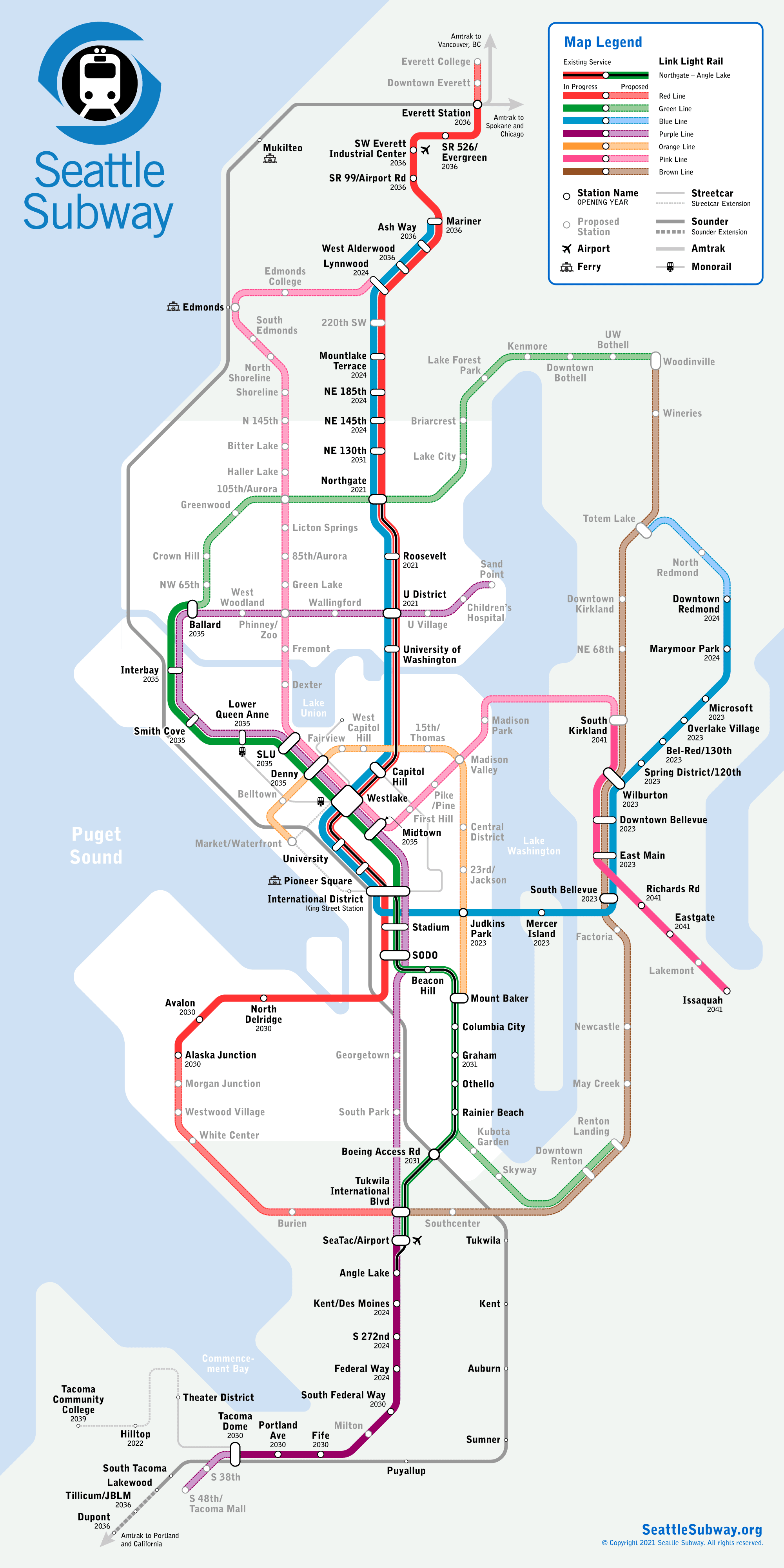
The concept of a “subway” typically conjures images of deep underground tunnels filled with trains. Seattle, being a city with significant geological challenges, including being built on hills and having a complex waterfront, has approached its rail development differently. The primary rail system operating in Seattle is Link Light Rail, operated by Sound Transit. While much of its route is above ground, particularly as it expands, significant portions of the system are indeed underground, especially within the dense urban core. This makes it a functional equivalent to a subway for many users, providing rapid transit access to key areas.
The Link Light Rail: Seattle’s Underground and Elevated Arteries
The Link Light Rail is the backbone of Seattle’s rail transit. It connects Sea-Tac International Airport to downtown Seattle, and its lines are continuously expanding to reach further into the city and surrounding areas like Northgate and eventually Snohomish County.
Key Routes and Stations
The initial phase of the Link Light Rail focused on connecting the airport to downtown, a vital link for tourists and business travelers. This section includes underground tunnels through the downtown core, allowing for efficient movement without being impacted by surface traffic. Major stations in this underground segment include:
- Westlake Station: A central hub in downtown Seattle, offering connections to other transit modes and proximity to popular attractions like Westlake Center and the Seattle Public Library.
- University Street Station: Serving the financial district and historic Pioneer Square.
- Pioneer Square Station: Located in the heart of Seattle’s oldest neighborhood, providing easy access to its unique shops, galleries, and historical sites.
- International District/Chinatown Station: Connecting to the vibrant cultural hub of the International District.
As the system expands, sections are increasingly elevated or at-grade to serve new communities. This hybrid approach—combining underground, elevated, and at-grade segments—allows Seattle to adapt its transit infrastructure to its unique urban geography while striving for efficient and high-capacity passenger movement. For a visitor staying in a downtown hotel, for instance, the Link Light Rail offers a direct and often faster alternative to taxis or ride-sharing services, especially during peak hours.
Benefits for Travelers
The Link Light Rail offers numerous benefits for travelers:
- Airport Connectivity: It’s the most convenient and cost-effective way to travel between Sea-Tac International Airport and downtown Seattle.
- Downtown Access: It provides rapid access to key downtown destinations, including the Washington State Convention Center, Pike Place Market (via a short walk from Westlake), and numerous hotels.
- Affordability: Compared to the cost of taxis or ride-sharing, the light rail is a budget-friendly option for getting around.
- Reduced Traffic Congestion: By utilizing underground and elevated tracks, the Link Light Rail bypasses surface traffic, ensuring reliable travel times, a significant advantage in a city known for its traffic.
- Environmental Friendliness: Public transit, especially electric-powered light rail, is a more sustainable choice for exploring a city.
Exploring Alternatives and Complementary Transit Options
While the Link Light Rail is the primary rail option, Seattle also offers a comprehensive network of buses and streetcars, which collectively form a robust public transit system that complements the light rail.
Buses: The Ubiquitous Network

King County Metro operates an extensive bus system that covers virtually every neighborhood in Seattle and extends into the surrounding suburbs. Buses are an indispensable part of the city’s transit fabric, offering flexibility and reach that even light rail cannot always match.
Navigating with Buses
For many destinations not directly served by the Link Light Rail, buses are the primary mode of transportation. This includes reaching neighborhoods like Fremont, Ballard, or the university district for specific attractions.
- RapidRide Lines: These are enhanced bus routes designed to mimic light rail service with more frequent stops, dedicated lanes where possible, and off-board fare payment to speed up boarding.
- Local Routes: These cover a more extensive network of streets, providing access to a wider range of smaller streets and local businesses.
For travelers looking to explore beyond the immediate downtown core or those with specific destinations in mind, consulting a transit app or the King County Metro website is highly recommended. Many hotels in Seattle are located within walking distance of multiple bus routes, making them convenient starting points for exploration.
Streetcars: Adding Charm and Connectivity
Seattle also operates streetcar lines, which offer a charming and scenic way to navigate specific areas of the city. These are distinct from the light rail, often running at-grade and serving more localized districts.
The South Lake Union Streetcar and First Hill Streetcar
- South Lake Union Streetcar: This line connects the South Lake Union neighborhood, home to many tech companies and the Museum of History & Industry, with downtown Seattle. It’s a great option for reaching this rapidly developing area without dealing with car parking.
- First Hill Streetcar: This line connects the International District/Chinatown to Capitol Hill, a vibrant neighborhood known for its nightlife, restaurants, and unique shops, as well as serving hospitals and educational institutions in the First Hill area.
While not a subway, these streetcars contribute to a multi-modal transit experience, offering a slower, more scenic pace for exploring specific parts of the city. They are particularly useful for short hops between attractions within their respective service areas.
Future Expansion and the Evolving Transit Landscape
The question of whether Seattle has subways is also a question about its future. Public transit in Seattle is in a constant state of growth and evolution, with significant investments being made in expanding the Link Light Rail system.
The Growing Reach of Light Rail
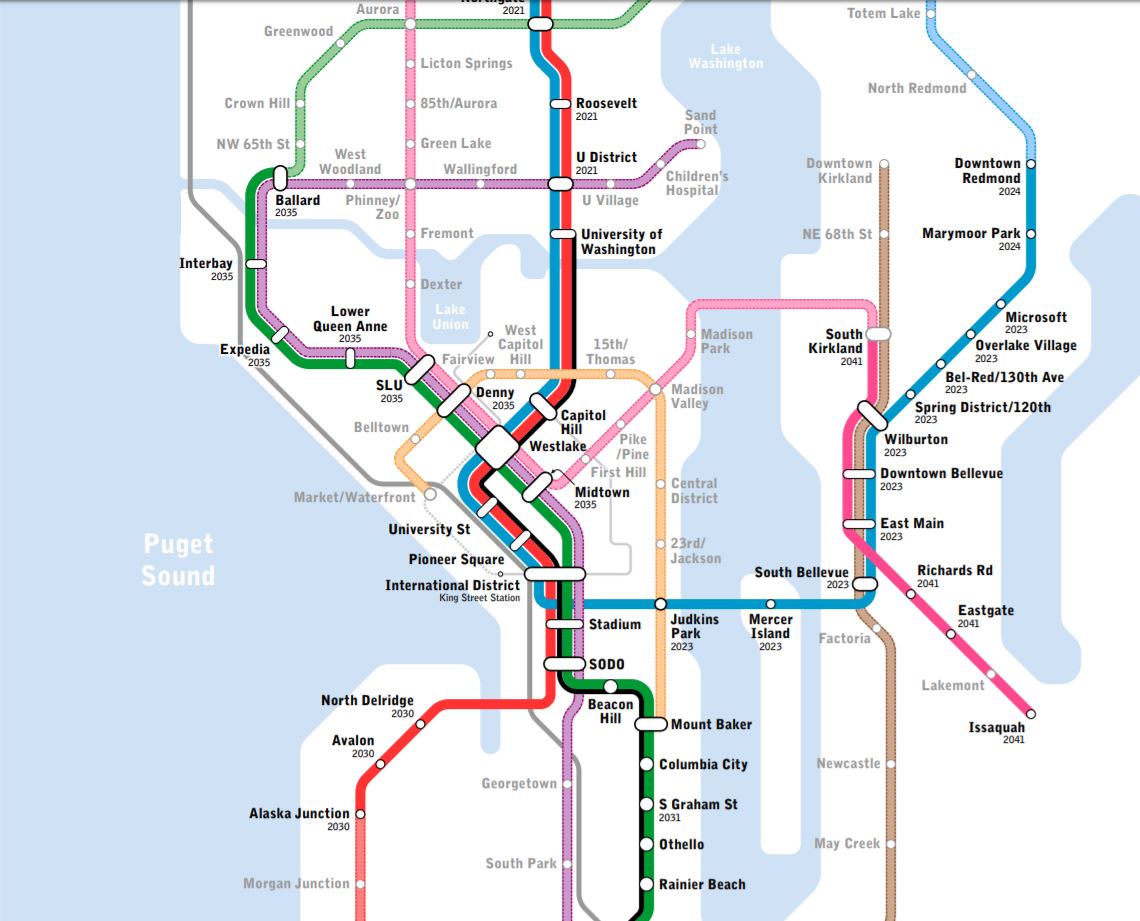
Sound Transit has ambitious plans to extend the Link Light Rail further north, south, and east. These expansions aim to connect more communities to the high-capacity transit spine, reducing reliance on cars and providing more equitable access to jobs and services.
- Northgate Link Extension: This extension, already open, brought light rail service directly to the Northgate neighborhood, a significant milestone in expanding the system’s reach.
- Future Eastside Link and Lynnwood Link Extensions: These upcoming projects will further extend light rail service across Lake Washington to communities like Bellevue and Redmond, and further north to Lynnwood.
These expansions will undoubtedly increase the “subway-like” feel of Seattle’s rail transit, with more underground and grade-separated sections being built to accommodate higher speeds and greater passenger volumes. As these projects come online, Seattle will continue to solidify its reputation as a city with a forward-thinking and increasingly integrated public transportation system.
For travelers, this means that navigating Seattle will become even easier and more convenient in the years to come. Whether you’re staying in a luxury hotel downtown, a charming apartment in a residential neighborhood, or a resort on the outskirts, the expanding Link Light Rail and its complementary bus and streetcar services will offer viable and efficient ways to experience all that the Emerald City has to offer, from iconic landmarks like the Space Needle to hidden culinary gems and the breathtaking natural beauty of the Pacific Northwest. So, while Seattle may not have a sprawling underground subway system in the traditional sense, its evolving rail network provides a sophisticated and effective means of urban mobility.