
When planning a trip to the Mount Rushmore State, or even contemplating a move to its expansive prairies and scenic Black Hills, one of the fundamental questions that often arises is about the local tax structure. South Dakota consistently garners attention for its unique approach to taxation, distinguishing itself from many other states in the United States. For travelers, understanding these fiscal nuances can help in budgeting for accommodations, attractions, and daily expenses. For those considering making South Dakota their home, the tax environment can significantly impact their overall financial well-being and lifestyle.
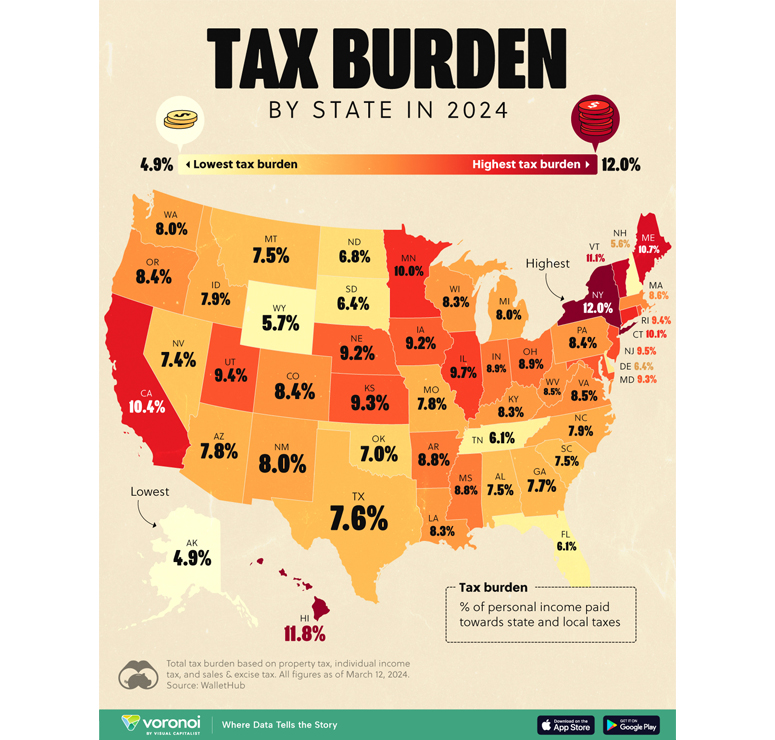
The short answer to the question, “Does South Dakota have state tax?” is multifaceted, but largely positive for many individuals and businesses. While it certainly has taxes, the kind of taxes and their absence in certain key areas make it particularly attractive. This article will delve into the specifics of South Dakota’s tax landscape, exploring its implications for tourism, accommodation choices, the cost of living, and the broader lifestyle it offers. Whether you’re planning a visit to the iconic Badlands National Park, exploring the vibrant city life of Sioux Falls, or looking for a tranquil place to settle, grasping the tax realities is essential for a seamless and financially sound experience.
The South Dakota Tax Landscape: A Welcome Relief for Many
South Dakota’s tax system is often highlighted for its friendliness towards individuals and businesses alike. Unlike the majority of states, South Dakota relies less on direct income taxation and more on consumption and property taxes. This creates a distinct economic environment that influences everything from the price of a souvenir to the long-term viability of a business venture. This section breaks down the core elements of the state’s tax system, providing clarity on what visitors and potential residents can expect.
No State Income Tax: A Major Draw
Perhaps the most significant and widely celebrated aspect of South Dakota’s tax policy is the complete absence of a state income tax. This means that individuals working within South Dakota or those who establish residency here do not pay state taxes on their wages, salaries, investment income, or retirement distributions. This can translate into substantial savings for employees, retirees, and remote workers who choose to call the state home.
For travelers, while this directly impacts residents, it indirectly contributes to the state’s overall economic vibrancy and can influence local pricing for goods and services. Businesses might have lower operational costs due to no state corporate income tax, potentially leading to more competitive prices for tourism-related services like tours, experiences, and local crafts. This lack of income tax makes South Dakota particularly appealing for those seeking a high quality of life without the burden of state-level income deductions, fostering a lifestyle that prioritizes individual financial freedom.
Understanding Sales Tax: What Visitors Need to Know
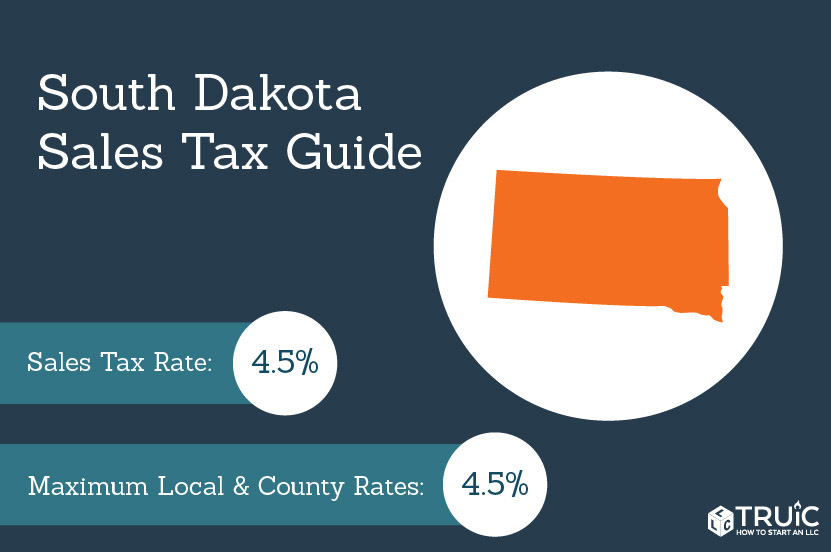
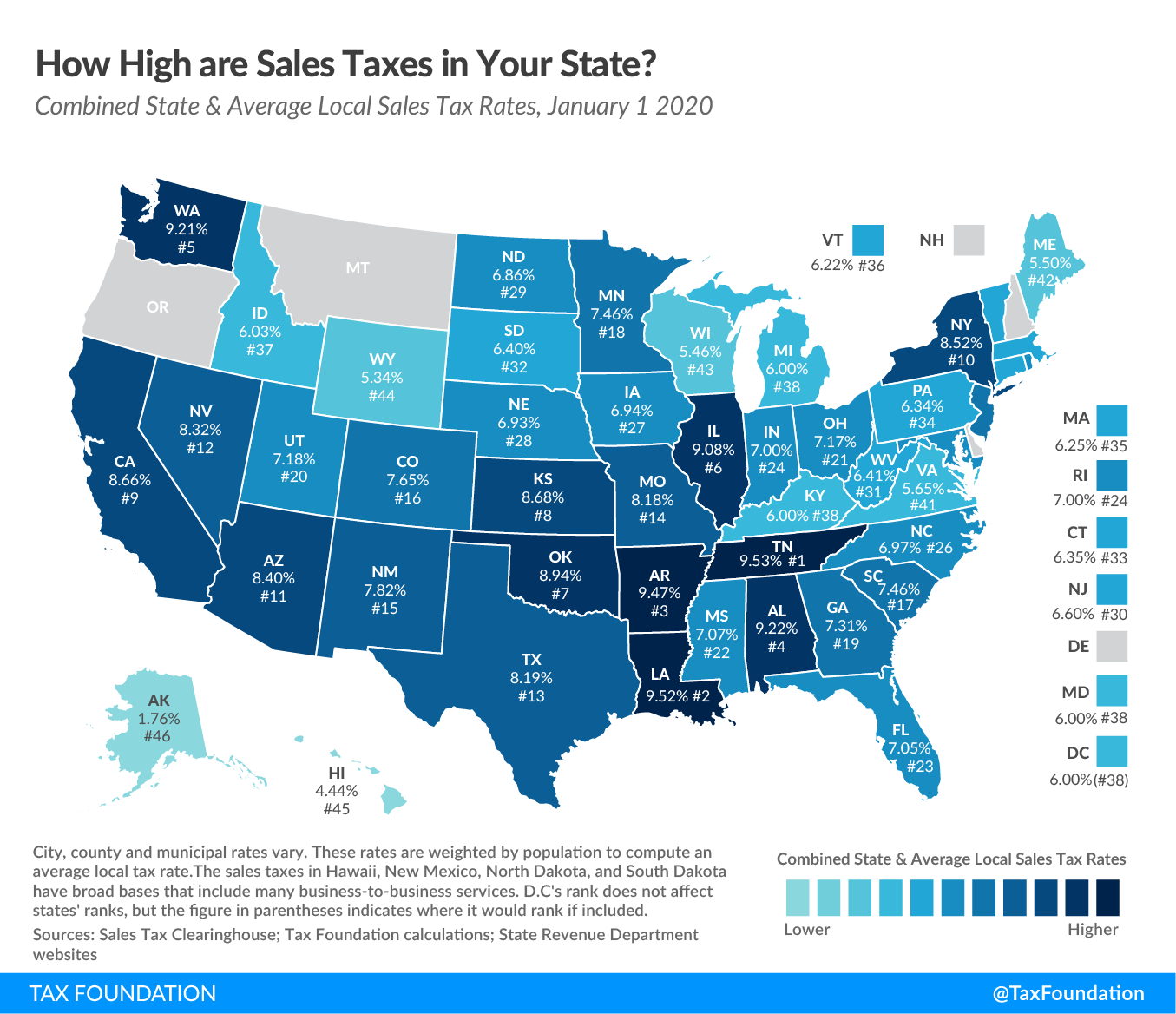
While income remains untaxed at the state level, consumption is where South Dakota recovers much of its revenue. The state levies a general sales tax, which applies to most goods and services purchased. As of the latest information, the state sales tax rate is a modest 4.5%. However, visitors and residents must be aware that local jurisdictions – including cities and counties – can impose their own additional sales taxes. This means that the total sales tax rate you pay can vary significantly depending on your location within the state.
For instance, purchasing a meal in Rapid City might incur a different combined sales tax rate than buying souvenirs in Deadwood or groceries in Pierre. When budgeting for your travel expenses, it’s wise to factor in these sales taxes on dining, shopping, and many recreational activities. This tax system directly affects your travel budget, from the price of a Buffalo Burger at a roadside diner to the entry fee for some privately-run attractions or purchases at the famous Wall Drug Store. Understanding these varying rates can help travelers plan their spending more effectively and avoid surprises at the checkout.
Property Tax Realities for Residents and Investors
For individuals considering a long-term stay, purchasing a vacation home, or investing in real estate in South Dakota, property taxes become a significant consideration. Unlike sales or income taxes, property taxes are levied at the local level by counties, cities, and school districts, rather than the state itself. These taxes are based on the assessed value of real estate and are a primary funding source for local government services, including schools, roads, and public safety.
While South Dakota does not have a state property tax, the local rates can vary considerably depending on the specific location and the services provided in that area. Generally, property taxes in South Dakota are considered moderate compared to some other states, but they are a definite expense for homeowners. Prospective residents should research property tax rates in their desired communities, whether they’re looking at a suburban home in Sioux Falls, a cabin in the Black Hills, or acreage in the Great Plains. This tax is a key component of the overall cost of living and a crucial factor in the financial planning of a lifestyle shift to the state.
Beyond the Basics: Specific Taxes Affecting Your South Dakota Experience
Beyond the general sales and property taxes, South Dakota implements several other specific taxes that can impact both visitors and residents. These taxes often target particular industries or activities, contributing to state and local revenues while sometimes influencing consumer behavior or travel choices. Understanding these specialized taxes helps in formulating a comprehensive budget for your trip or move.
Tourism and Lodging Taxes: Planning Your Stay
For anyone visiting South Dakota, especially those staying overnight, tourism and lodging taxes are an important consideration. These taxes are typically added to the cost of hotel rooms, motel stays, bed and breakfasts, and even some short-term rental accommodations. The purpose of these taxes is often to fund tourism promotion and development efforts within the state and specific localities, helping to maintain and enhance attractions that draw visitors.
The statewide tourism tax rate is generally 1.5%, which is added on top of the regular state and local sales taxes. This means that when you book a room near Custer State Park or a suite in Sioux Falls, you’ll see these additional charges on your bill. The combined rate (state sales tax + local sales tax + state lodging tax) can add a noticeable percentage to your accommodation costs. For travelers, especially those planning longer stays or opting for luxury resorts, it’s essential to factor these taxes into their accommodation budget to avoid any surprises upon checkout. Many online booking platforms will display the total cost, including taxes, but it’s always wise to confirm.
Fuel and Other Excise Taxes: Navigating the Open Road
Given South Dakota’s vast landscapes and incredible road trip potential – from the winding scenic byways of the Black Hills to the expansive highways crossing the Missouri River region – fuel taxes are a practical consideration. Like all states, South Dakota levies an excise tax on gasoline and diesel fuel. These taxes are typically included in the price you pay at the pump and are primarily used to fund the construction and maintenance of roads and bridges across the state.
While the fuel tax rate might not drastically alter your overall travel budget for a typical vacation, it’s worth noting for those planning extensive road trips across the state, such as during the annual Sturgis Motorcycle Rally. Additionally, South Dakota imposes excise taxes on other specific goods, such as tobacco products and alcoholic beverages. These taxes impact the retail price of these items and are a common revenue source for states. For visitors, this means the price of a local craft beer or a pack of cigarettes will include these embedded taxes.
Business and Corporate Taxes: An Entrepreneurial Haven?
South Dakota’s tax environment is not just favorable for individuals; it also offers distinct advantages for businesses. As mentioned, the state has no corporate income tax. This absence, combined with no personal income tax, no inheritance tax, and no intangibles tax, creates a very attractive climate for entrepreneurs, startups, and established companies looking to minimize their tax burden.
This favorable business tax structure has several implications for the state’s economy and, by extension, its tourism and lifestyle sectors. It encourages business formation and growth, which can lead to more job opportunities, a more diverse range of services, and a vibrant local economy. For travelers, this might indirectly translate into a wider selection of unique local businesses, tour operators, and dining establishments. For those considering relocating for business or starting a new venture, South Dakota presents itself as a compelling location due to its supportive fiscal policies that foster economic development and innovation.
Why South Dakota’s Tax Structure Matters for Travelers and Lifestyle Seekers
The unique tax policies of South Dakota are not just abstract financial figures; they have tangible impacts on the real-world experiences of both visitors and long-term residents. From how you budget your vacation to the affordability of living in the state, the fiscal landscape plays a crucial role in shaping perceptions and realities.
Budgeting for Your Adventure: From Badlands to Black Hills
For tourists, the absence of state income tax is primarily a benefit to the state’s residents and businesses, but the sales and lodging taxes are directly relevant to vacation planning. When mapping out your adventure through sites like Badlands National Park, exploring the trails of Custer State Park, or visiting the Crazy Horse Memorial, you’ll primarily encounter sales tax on purchases and lodging tax on your accommodation.
Knowing that you’ll pay a base state sales tax of 4.5% plus varying local rates, alongside the 1.5% state lodging tax, allows for more accurate budgeting. This is especially important when planning stays in popular tourist hubs like Rapid City or near the entrance to national parks, where local taxes might be higher. While entry to national parks like Badlands or Wind Cave National Park often has federal fees, souvenirs from local shops, meals at restaurants, and stays at charming hotels like the State Game Lodge within Custer State Park will include these state and local taxes. Factor these into your spending plans for a stress-free experience.
The Cost of Living: Is South Dakota Your Next Home?
For those contemplating a move to South Dakota, the tax structure is a major component of the overall cost of living. The absence of state income tax is a huge draw, effectively increasing take-home pay for residents. This can significantly improve financial flexibility, making the state attractive for young professionals, families, and retirees alike.
However, this benefit is balanced by other costs. Property taxes, while locally determined, are a necessary expense for homeowners. While not prohibitively high compared to some coastal states, they are a consistent financial obligation. Sales taxes on goods and services also contribute to daily expenses. Overall, many find that the lower tax burden, particularly the lack of income tax, contributes to a more affordable and appealing lifestyle compared to states with higher taxation, especially for those in higher income brackets or retirees living on fixed incomes. The appeal extends beyond finances to the quality of life, with abundant outdoor activities, a strong sense of community, and often lower housing costs than national averages.
Investment and Retirement: A Tax-Friendly Environment
South Dakota’s tax policies are particularly favorable for retirees and investors. The absence of state income tax means that retirement income, including pensions, 401(k) withdrawals, and Social Security benefits, is not taxed at the state level. This can be a substantial advantage for individuals looking to maximize their retirement savings and income.
Furthermore, the lack of an inheritance tax and no intangibles tax makes South Dakota an attractive state for estate planning and wealth preservation. For investors, the absence of state-level taxes on capital gains or dividends (beyond what is captured through sales tax on purchased items) can make investment returns go further. These fiscal advantages contribute to a lifestyle that supports long-term financial security and offers peace of mind for those planning their golden years or managing significant assets.
Maximizing Your South Dakota Journey: Financial Tips and Considerations
Navigating South Dakota’s tax environment as a traveler or potential resident requires a bit of awareness. By keeping a few key tips in mind, you can ensure a smooth and financially savvy experience, allowing you to fully enjoy the state’s natural beauty, rich history, and vibrant culture.
Smart Spending: Navigating Sales Tax in Sioux Falls and Beyond
When traveling through South Dakota, particularly in cities like Sioux Falls or Rapid City, remember that the sales tax you pay can fluctuate based on the specific municipality. For larger purchases, like gifts from a gallery in Deadwood or outdoor gear for hiking the George S. Mickelson Trail, checking the local tax rate can be beneficial. Many retailers will clearly display the combined sales tax rate, but it doesn’t hurt to be aware.
For daily expenses like dining, small purchases at attractions like Reptile Gardens, or a visit to The Mammoth Site, factoring in the sales tax upfront helps in adhering to your travel budget. Don’t forget that many hotels and accommodations will have the added tourism tax. When comparing prices for hotels or apartments, ensure you’re looking at the total cost including all applicable taxes to get an accurate comparison.
Understanding Local Nuances: Different Areas, Different Rates
The varying local tax rates across South Dakota mean that planning your itinerary with this in mind can sometimes lead to minor savings or simply help manage expectations. A meal purchased in Sioux Falls, with its bustling downtown and attractions like Falls Park, might have a slightly different total sales tax percentage than a similar meal in a smaller town along the Missouri River.
While these differences might not be significant enough to dictate your travel route entirely, being informed allows for a more comprehensive understanding of your travel costs. For example, if you’re comparing the cost of living between different cities like Sioux Falls and Rapid City for a potential relocation, investigating the local property tax rates and sales tax additions is crucial for an accurate financial picture. These local nuances are part of what makes each region of South Dakota unique, extending even to its fiscal personality.
In conclusion, South Dakota’s state tax structure is undeniably favorable, particularly due to the absence of a state income tax. While visitors and residents will encounter sales, lodging, and property taxes, these are often offset by the significant savings derived from not paying state income tax. This unique fiscal landscape makes South Dakota an attractive destination for travelers seeking value and an appealing home for those desiring a lifestyle with less state-level tax burden, whether they are exploring its natural wonders, delving into its history at the National Museum of Military Vehicles, or settling down for retirement. Understanding these details empowers you to plan your journey or your new life in the Mount Rushmore State with confidence and clarity, ensuring a financially sound and enjoyable experience.
LifeOutOfTheBox is a participant in the Amazon Services LLC Associates Program, an affiliate advertising program designed to provide a means for sites to earn advertising fees by advertising and linking to Amazon.com. Amazon, the Amazon logo, AmazonSupply, and the AmazonSupply logo are trademarks of Amazon.com, Inc. or its affiliates. As an Amazon Associate we earn affiliate commissions from qualifying purchases.