
The question of whether Texas Chili contains beans is a culinary debate as fiery and intense as the dish itself. For many outside the Lone Star State, chili is an amalgam of ground meat, tomatoes, beans, and various spices, often served over rice or pasta. However, ask a Texan, and you’ll likely receive a firm, unequivocal answer: absolutely not. Authentic Texas Chili, often simply called “chili con carne” by purists, is a hearty, robust stew of meat, chili peppers, and other aromatic spices, intentionally devoid of beans, tomatoes, or any other fillers. This culinary distinction is not merely a preference; it’s a deeply ingrained tradition, a point of fierce regional pride, and a defining characteristic of Texas identity.
For travelers exploring the vibrant food scene of the United States, understanding this nuance is crucial to truly appreciate the local culture and culinary landscape of Texas. From the bustling streets of Houston to the historic charm of San Antonio and the live music capital of Austin, the quest for authentic chili is a journey in itself, offering a delicious gateway into the heart and soul of this expansive state. This article delves into the rich history and enduring legacy of Texas Chili, explaining why beans are considered an unwelcome intrusion and how this iconic dish has shaped, and continues to shape, the culinary narrative of Texas.
The Heart of Texas Chili: A Culinary Tradition
To understand why beans are persona non grata in traditional Texas Chili, one must delve into its origins and the philosophy that governs its preparation. This isn’t just about ingredients; it’s about history, authenticity, and a culinary ethos passed down through generations.
Origins and Evolution: From Chili Queens to Cook-Offs
The story of Texas Chili is as rich and complex as its flavor profile, deeply intertwined with the state’s multicultural heritage. Its roots trace back to the frontier days, particularly to the vibrant markets of San Antonio in the mid-19th century. Here, the legendary Chili Queens, often women of Mexican descent, would set up their makeshift stalls, serving bowls of their spicy meat stew to locals, cowboys, and tourists alike. These early versions of chili were simple yet profoundly flavorful, typically consisting of beef (or venison), dried chilies, garlic, and cumin – a potent and portable meal for the working class.
The dish gained significant popularity during the late 1800s and early 1900s, becoming a staple at fairs and events across the country, particularly after the 1893 Chicago World’s Fair introduced “chili con carne” to a wider audience. This period saw the rise of the first chili parlors, often modest eateries dedicated solely to serving this beloved dish. Brands like Wolf Brand Chili, established in Texas in 1895, further cemented its place in the American culinary lexicon, albeit often adapting the recipe for broader appeal, sometimes to the chagrin of purists.
The evolution of Texas Chili also gave rise to the spirited tradition of Chili Cook-Offs. Starting in the 1960s, these competitive events, most famously the Terlingua International Chili Championship in West Texas, codified the “no beans” rule, elevating it from a regional preference to an official decree within competitive chili circles. These cook-offs celebrate the art of chili making and underscore the importance of its historical integrity, creating a vibrant community of chili aficionados dedicated to preserving its authentic form.
The “No Beans” Dogma: Why it Matters to Texans
For Texans, the “no beans” rule is more than just a culinary guideline; it’s a testament to the dish’s identity as a meat stew, fundamentally distinct from bean stews or hybrid creations. The rationale is multifaceted:
- Historical Authenticity: Early chili, particularly that served by the Chili Queens, did not contain beans. Beans were often a separate, inexpensive side dish, not an integral component of the chili itself. Adding beans, critics argue, dilutes the historical purity of the recipe.
- Flavor Profile: Proponents of bean-free chili contend that beans alter the delicate balance of flavors, absorbing the rich, savory notes of the meat and chili peppers. They believe that the true essence of Chili con Carne lies in the unadulterated combination of meat and spice, with nothing to detract from its bold intensity.
- Texture: Beans introduce a different texture, often leading to a meal that feels more like a hearty soup or a casserole rather than the thick, meaty stew that authentic Texas Chili is meant to be. The focus is on the tender chunks of meat, often slow-cooked to perfection, coated in a rich, chili-infused gravy.
- Cultural Identity: The “no beans” rule has become a touchstone of Texas pride. It distinguishes their chili from the variations found in other parts of the United States and reinforces a unique culinary heritage. Challenging this rule can feel like challenging the very fabric of Texan identity.
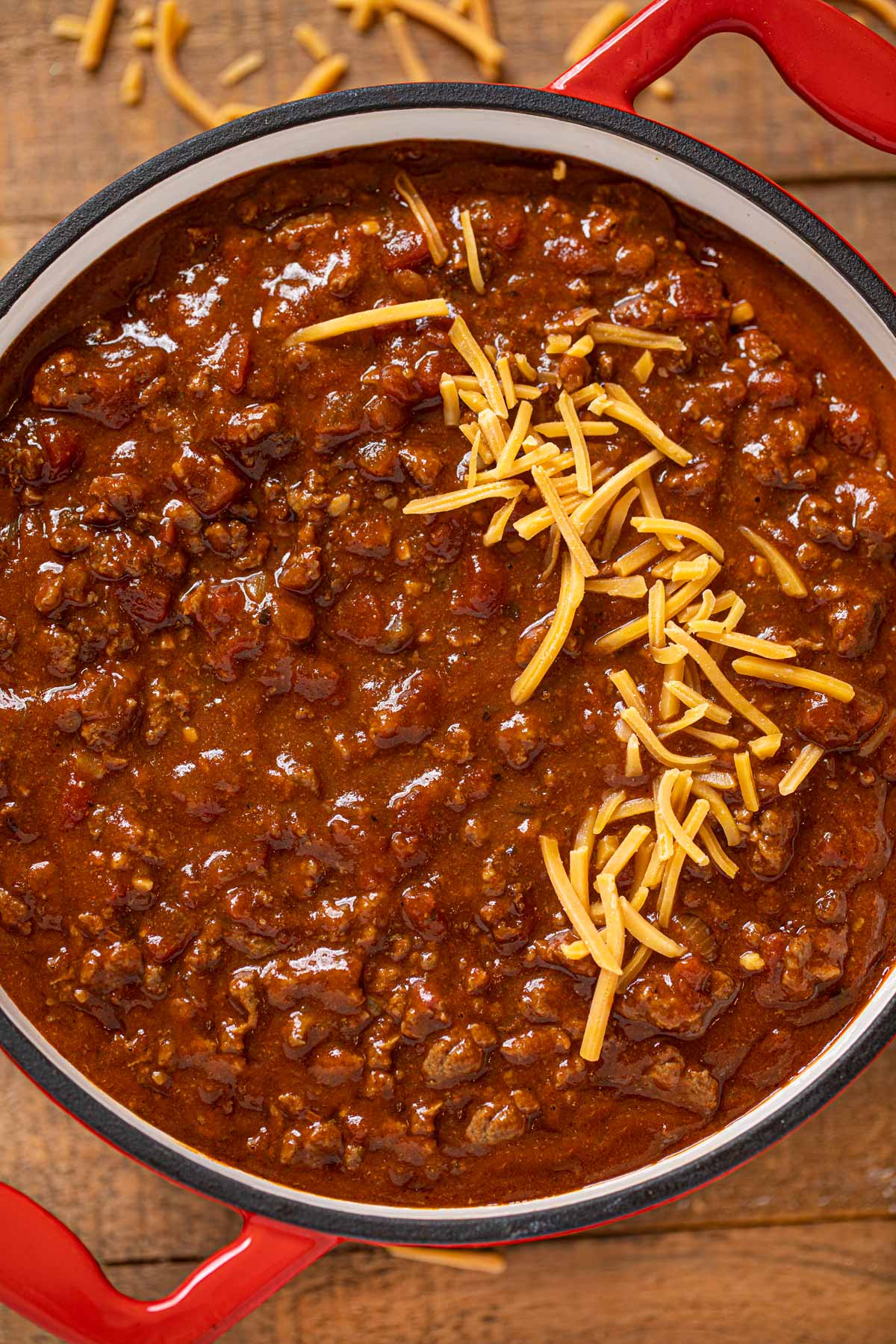
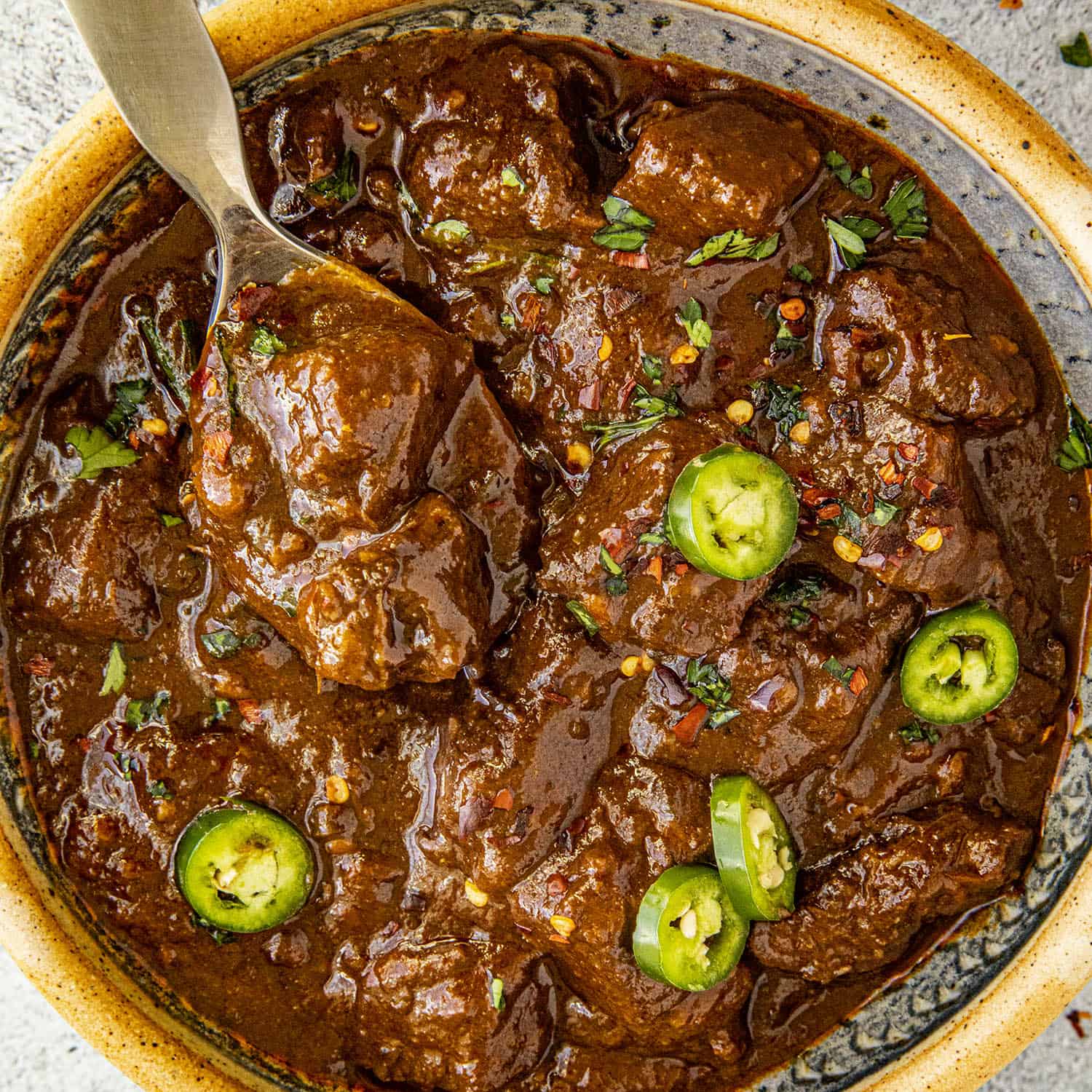
This deeply held conviction means that when you order chili in a traditional Texas eatery, you can expect a bowl brimming with tender beef (or sometimes pork or a blend), swimming in a thick, brick-red sauce made from dried chilies, spices, and sometimes a bit of beef broth.
Key Ingredients: What Defines Authentic Texas Red
Beyond the absence of beans, authentic Texas Chili, often lovingly referred to as “Texas Red,” is characterized by a specific set of core ingredients that contribute to its distinctive taste and texture.
- Meat: The undisputed star. Typically, chunks of beef — often chuck roast, sirloin, or a similar cut — are slow-cooked until fork-tender. Ground beef is occasionally used but is less traditional than cubed or shredded meat. The meat is browned to develop a deep, savory base.
- Chili Peppers: This is where the “chili” in Texas Chili truly comes from. Rather than relying on chili powder blends (though some homemade ones might be used), traditional recipes often call for rehydrated dried whole chilies like ancho, pasilla, New Mexico, or guajillo. These chilies are stemmed, seeded, and pureed to form a rich, complex paste that provides both heat and depth of flavor. This method allows for a nuanced chili flavor, far beyond what a generic spice blend can offer.
- Aromatics and Spices: Garlic and onion are fundamental. Cumin is also a hallmark spice, lending an earthy warmth. Other common additions might include oregano (often Mexican oregano), sometimes a touch of cayenne for extra heat, and occasionally a secret ingredient like a square of dark chocolate or a splash of coffee to deepen the flavor and color.
- Liquid: Beef broth is typically used to create the stew’s liquid base, allowing the flavors to meld and the meat to tenderize over hours of simmering. A small amount of masa harina (corn flour) is sometimes added at the end to thicken the chili and give it a velvety texture, without imparting a strong corn flavor.
The careful selection and slow cooking of these ingredients result in a profound, layered flavor that is rich, spicy, and intensely meaty, delivering a warmth that permeates both the palate and the soul.
Beyond the Bowl: Texas Chili as a Cultural Icon
Texas Chili is more than just a dish; it’s a cultural phenomenon, a symbol of communal gatherings, friendly rivalries, and an enduring connection to the state’s storied past.
Chili Parlors and Roadside Stops: A Taste of Local Life
For travelers venturing through Texas, seeking out traditional chili parlors and roadside diners offers an authentic glimpse into local life. These establishments, often unassuming, are where the true spirit of Texas Chili is kept alive. From historic locales in Dallas and Fort Worth to hidden gems in smaller towns, each spot often boasts its own fiercely guarded family recipe. Eating chili in Texas is rarely a solitary experience; it’s an opportunity to engage with locals, hear their stories, and soak in the vibrant atmosphere. Many parlors offer chili “three-way” (often meaning with cheese and onions), or “four-way” (adding crackers or Fritos), but always with the understanding that the base is pure, unadulterated meat and chili.

Chili Cook-Offs: A Beloved Texan Pastime
The competitive world of Chili Cook-Offs is a quintessential Texan experience, drawing enthusiasts from all walks of life. These events, ranging from small community gatherings to large-scale championships like the famed Terlingua International Chili Championship, are a spectacle of camaraderie, culinary skill, and passionate debate over whose “red” reigns supreme. Visiting a chili cook-off offers tourists a unique cultural insight, allowing them to witness the dedication of amateur and professional chefs, sample myriad variations (all bean-free, of course), and participate in a lively celebration that embodies the competitive yet convivial spirit of Texas. These events are often family-friendly, complete with live music, local vendors, and a palpable sense of community, making them excellent travel experiences.
Pairing Chili with Texas Experiences: Travel and Taste
Integrating a chili tasting adventure into your Texas travel itinerary enhances the entire journey. Imagine exploring the historic grounds of the Alamo in San Antonio, then settling down for a hearty bowl of authentic chili nearby. Or perhaps, after a day of hiking in Big Bend National Park in West Texas, unwinding with the robust flavors of a traditional “bowl of red” at a local eatery.
Chili is not just food; it’s fuel for exploration. From the bustling cultural district of Dallas to the live music venues of Austin, a meal of authentic Texas Chili serves as a delicious anchor, connecting your travel experiences to the state’s deep-rooted culinary heritage. Consider taking a culinary tour in cities like San Antonio or Austin to discover local chili hotspots recommended by food experts. Many food and travel guides for Texas prominently feature chili as a must-try dish, underscoring its importance to the state’s tourism appeal.
Exploring Texas: Where to Savor the Best Chili
For the ardent chili enthusiast, or simply the curious traveler, certain destinations in Texas stand out as bastions of this beloved dish.
Culinary Hotspots: Cities for Chili Enthusiasts
- San Antonio: As the birthplace of the Chili Queens, San Antonio holds a special place in chili history. Its rich Mexican heritage and vibrant culinary scene make it an ideal place to find traditional, slow-cooked chili. Many restaurants near the Riverwalk or in historic districts offer exceptional versions.
- Austin: Known for its innovative food scene and “keep Austin weird” mantra, this city also reveres traditional Texas Chili. You’ll find everything from upscale interpretations to classic no-frills bowls at local diners and food trucks.
- Dallas: A major metropolitan hub, Dallas boasts a diverse array of eateries, including many establishments that pride themselves on serving authentic chili. From steak houses to casual dining spots, the chili scene here is robust.
- Houston: As one of the most diverse cities in the United States, Houston offers a melting pot of culinary experiences, including some excellent chili. Its sprawling nature means you might need to seek out hidden gems, but the reward is worth the effort.
- El Paso: Situated on the border with Mexico and steeped in its own unique culture, El Paso offers a more Southwestern take on chili, often emphasizing the robust flavors of New Mexico chilies.
Integrating Chili into Your Texas Itinerary: Beyond the Plate
When planning your trip to Texas, think of chili as more than just a meal; it’s an experience. Consider timing your visit with one of the many Chili Cook-Offs that occur throughout the state, particularly in the fall. Look for local food festivals or culinary events that highlight regional Texas dishes. Engage with locals, ask for their recommendations for the best chili joints, and be open to exploring beyond the well-trodden tourist paths.
Many travel guides for Texas emphasize the importance of local food experiences in understanding the state’s culture. Beyond just tasting, consider learning about the process – some culinary centers or ranches might even offer classes on making authentic Texas Chili, providing an interactive and enriching travel experience. Pairing a culinary deep dive with visits to historical landmarks like the Alamo or exploring the natural beauty of the Texas Hill Country will create a holistic and memorable journey.
Accommodating Your Culinary Journey in Texas
To fully immerse yourself in the culinary wonders of Texas, especially a chili-focused adventure, selecting the right accommodation is key. Whether you prefer the luxury of a grand hotel, the charm of a boutique inn, or the convenience of a modern apartment, Texas offers a diverse range of options.
Finding the Perfect Stay: From Historic Hotels to Modern Resorts
When planning your visit to chili hotspots like San Antonio, Austin, or Dallas, consider accommodations that place you within easy reach of renowned chili parlors and local attractions. In San Antonio, historic hotels along the Riverwalk offer charm and proximity to the city’s vibrant culinary scene. For a more contemporary stay in Austin, boutique hotels in the downtown area or near South Congress provide easy access to the city’s unique eateries and live music venues. Dallas boasts an array of luxury hotels and modern resorts, perfect for those seeking comfort after a day of exploring the city’s diverse food landscape and cultural landmarks.
Many of these hotels, resorts, and apartments offer amenities that enhance a food-focused trip, such as concierge services that can recommend local dining spots, or even on-site restaurants that serve their own versions of regional specialties. Choosing accommodation that aligns with your travel style – be it budget-friendly hostels for adventurous backpackers or opulent suites for a luxury escape – will ensure your Texas chili quest is comfortable and convenient. Reviews and comparison tools available on travel websites can help you find the best value and location, allowing you to maximize your culinary exploration without compromising on comfort.
In conclusion, for those who truly wish to experience Texas through its cuisine, the answer to “Does Texas Chili have beans?” is a resounding “No.” This iconic dish, a stew of tender meat, potent chilies, and aromatic spices, stands as a testament to the state’s unique culinary heritage and fierce regional pride. Traveling through Texas to savor this authentic “bowl of red” is not just a meal; it’s a journey into the heart of a vibrant culture, a celebration of tradition, and an unforgettable taste of the Lone Star State. So pack your bags, prepare your palate, and embark on a delicious adventure to discover the true essence of Texas Chili.
LifeOutOfTheBox is a participant in the Amazon Services LLC Associates Program, an affiliate advertising program designed to provide a means for sites to earn advertising fees by advertising and linking to Amazon.com. Amazon, the Amazon logo, AmazonSupply, and the AmazonSupply logo are trademarks of Amazon.com, Inc. or its affiliates. As an Amazon Associate we earn affiliate commissions from qualifying purchases.