
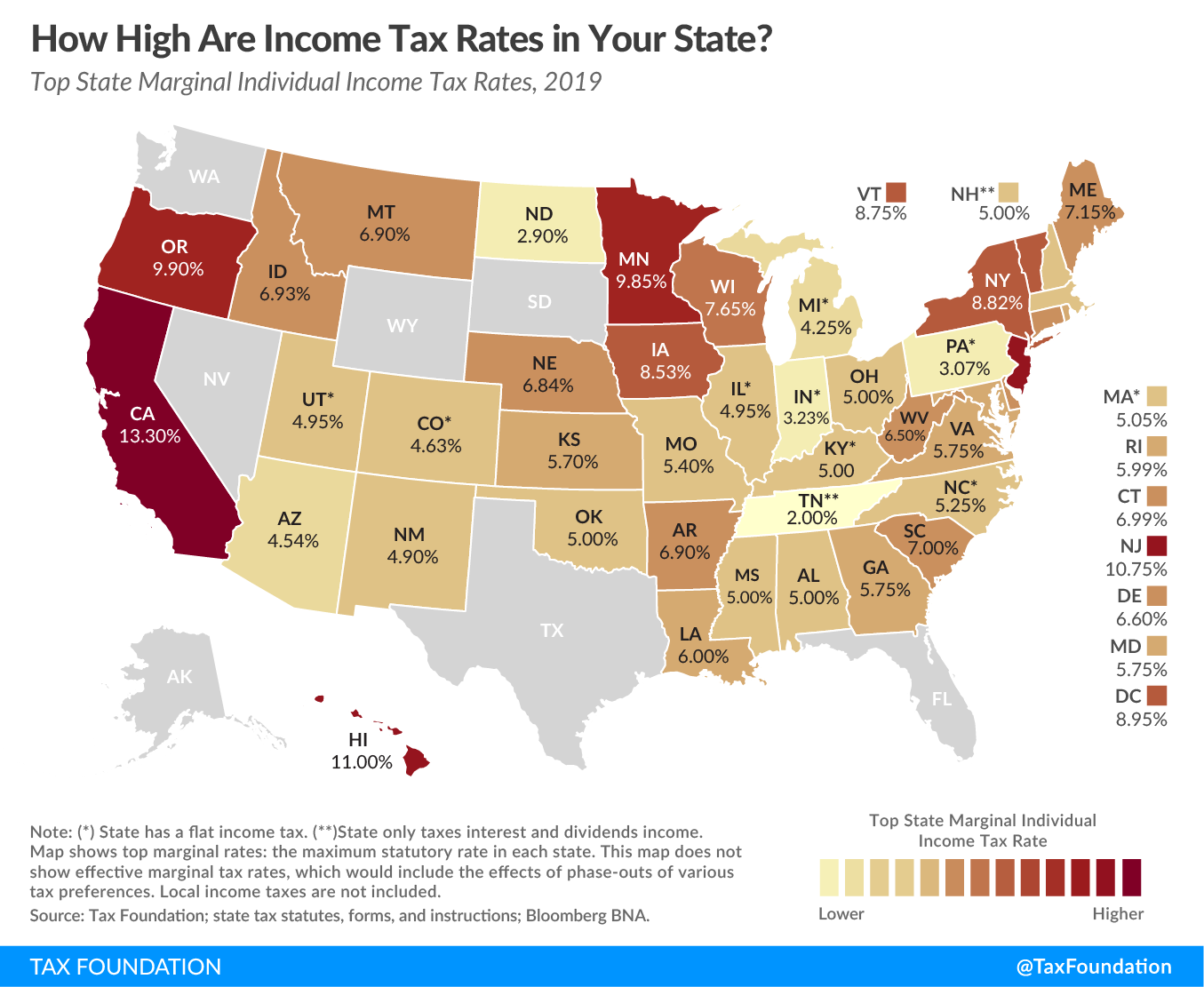
For anyone considering a visit, a relocation, or an investment in the Lone Star State, one of the most frequently asked questions revolves around its tax structure. The answer to “Does Texas have an income tax?” is a resounding no, at least concerning personal income. This fundamental aspect of the state’s fiscal policy significantly shapes its economy, influences the cost of living, and ultimately, impacts the diverse lifestyles available within its borders. While the absence of a personal income tax can be a compelling draw for many, it’s crucial for travelers, prospective residents, and businesses to understand how Texas funds its public services and what this means for their budgets and experiences.
The unique tax landscape of Texas has cultivated a dynamic environment, attracting millions seeking economic opportunity, vibrant culture, and unparalleled experiences. From the bustling metropolises of Houston and Dallas to the artistic hub of Austin and the historic charm of San Antonio, the state offers a mosaic of destinations and lifestyles. Understanding the underlying financial framework provides a deeper appreciation for why Texas continues to be a magnet for tourism, accommodation, and long-term residency.
The Lone Star State’s Tax Landscape: A Key Advantage
The absence of a personal income tax is arguably one of the most defining characteristics of the Texas financial model. This policy decision sets it apart from many other states and has profound implications for its economy and population. For individuals, it means more of their earned income remains in their pockets, potentially leading to greater disposable income and financial flexibility. For businesses, it often translates into a more attractive operating environment, fostering growth and job creation.
Understanding Texas’s Tax System
While individuals in Texas are not subject to a state income tax on wages or salaries, the state must still generate revenue to fund essential services such as education, infrastructure, and public safety. This revenue primarily comes from other sources, notably sales tax and property tax.
The statewide sales tax rate in Texas is 6.25%, but local jurisdictions, such as cities, counties, and special purpose districts, can add up to an additional 2%, bringing the combined sales tax rate to a maximum of 8.25%. This tax applies to most goods and services purchased within the state, impacting everything from restaurant meals and retail shopping to hotel stays and entertainment tickets. For travelers, this is the primary tax they will encounter directly. When booking accommodation, dining out, or exploring local attractions, visitors should factor this sales tax into their budgeting.
Property taxes in Texas are another significant revenue generator. These taxes are levied by local entities, including counties, cities, school districts, and special districts, and are generally considered to be among the highest in the nation. While property taxes do not directly impact tourists in the same way sales tax does, they play a crucial role in the overall economic ecosystem. High property taxes can influence the operating costs of hotels, resorts, and rental properties, which can, in turn, affect accommodation pricing. For prospective residents, understanding the local property tax rates is a critical component of assessing the true cost of living and homeownership.
For businesses, Texas does not impose a corporate income tax. Instead, it levies a franchise tax on most corporations and limited liability companies operating in the state. This tax is based on a company’s margin and is designed to capture revenue from businesses that benefit from the state’s economic environment. This business-friendly tax structure has been a key factor in attracting major corporations and fostering a robust entrepreneurial spirit, further enhancing the state’s economic vibrancy.
Why the Absence of Income Tax Matters
The lack of a personal income tax in Texas serves as a powerful economic engine, driving both population growth and business relocation. When individuals retain more of their earnings, they have greater purchasing power, which stimulates consumer spending and fuels local economies. This increased disposable income often translates into higher patronage for hotels, restaurants, shops, and attractions, directly benefiting the tourism and hospitality sectors.
Moreover, the absence of income tax acts as a significant incentive for businesses looking to minimize their operating costs and maximize profitability. This has led to a massive influx of companies across various sectors, including technology, energy, healthcare, and manufacturing. The resulting job creation and economic diversification contribute to a thriving environment that supports a wide array of amenities, services, and lifestyle choices. A robust economy means more investment in infrastructure, cultural institutions, and recreational facilities, enriching the experience for both residents and visitors. This financial advantage underpins much of the state’s rapid development and its reputation as a land of opportunity.
Texas for Travelers: Beyond the Tax Talk
For travelers planning a trip to Texas, the state’s tax policies, while not a primary concern, do subtly influence their experience. Understanding where the state generates its revenue helps in budgeting and appreciating the economic forces shaping the destinations they explore.
Budgeting Your Texas Adventure: Sales Tax & Accommodation Costs
As mentioned, the primary tax a tourist will encounter in Texas is the sales tax, which can be up to 8.25% in most areas. This applies to almost all purchases, from souvenirs in San Antonio’s River Walk shops to a gourmet meal in Dallas’s Bishop Arts District. When planning your budget for dining, entertainment, and shopping, it’s wise to account for this additional percentage.
Accommodation costs are also indirectly influenced by the state’s tax structure, particularly its high property taxes. Hotels and resorts, as property owners, bear significant property tax burdens, which are often factored into room rates. While hotel occupancy taxes are specific levies on accommodation (separate from general sales tax), the underlying property tax environment contributes to the overall cost of operating lodging establishments. In popular tourist destinations and major cities like Austin, Houston, and Dallas, where demand is high and property values are significant, accommodation can be relatively expensive.
To enjoy Texas on a budget, travelers can explore various strategies. Opting for self-catering accommodations, utilizing free attractions such as state parks (though some may have entrance fees), and taking advantage of happy hour deals can help mitigate costs. Many of the state’s natural wonders, like those found in Big Bend National Park or the Hill Country, offer incredible experiences that are either free or minimally priced. Comparison websites for hotels and flights, along with booking in advance, remain essential tools for any budget-conscious traveler.
Experiencing Texas: Diverse Destinations & Lifestyle
The economic prosperity fueled by Texas’s favorable tax policies has allowed the state to invest heavily in its infrastructure, cultural institutions, and tourism offerings, creating an incredibly diverse range of experiences for every type of traveler.
- Houston: Known as “Space City” and the “Energy Capital of the World,” Houston is a hub of innovation and culture. Visitors can explore the NASA Johnson Space Center, delve into world-class museums in the Museum District, or savor diverse culinary delights ranging from Tex-Mex to Vietnamese. The city’s thriving economy supports a plethora of luxury hotels, fine dining establishments, and entertainment venues.
- Dallas: A sophisticated urban center, Dallas boasts a vibrant arts scene, upscale shopping districts like Uptown Dallas, and a rich historical narrative. It’s a prime destination for business travelers and those seeking a cosmopolitan lifestyle, with an abundance of high-end hotels, convention centers, and culinary experiences in neighborhoods like Deep Ellum.
- Austin: The state capital, Austin, is famous for its “Keep Austin Weird” mantra, live music scene (especially on Sixth Street), and burgeoning tech industry, often dubbed “Silicon Hills.” It’s a haven for outdoor enthusiasts, foodies, and those looking for a laid-back yet vibrant atmosphere. The city’s economic boom, partly due to its business-friendly environment, has led to a proliferation of unique boutique hotels and innovative eateries.
- San Antonio: Rich in history and culture, San Antonio is home to the iconic Alamo and the picturesque River Walk. Its Spanish colonial heritage is palpable in its architecture, cuisine, and festivals. It’s a fantastic destination for family trips and those interested in historical landmarks and authentic Texan experiences.
- Beyond the Cities: Texas also offers incredible natural attractions, from the vast landscapes of Big Bend National Park in West Texas to the stunning beaches of South Padre Island on the Gulf Coast. The Hill Country provides scenic drives, wineries, and charming small towns.

The diverse lifestyle options, supported by the state’s economic vitality, mean that whether you’re seeking luxury travel, a budget-friendly adventure, a family-focused trip, or a solo exploration, Texas has something to offer.
Making Texas Your Home: A Lifestyle & Accommodation Perspective
For many, the prospect of moving to a state with no personal income tax is a compelling proposition, offering potential financial benefits that can significantly impact their lifestyle and long-term financial planning. This makes Texas a prime destination for long-term stays and permanent relocation.
Relocating to Texas: Financial Benefits and Considerations
The primary financial benefit of relocating to Texas is, undoubtedly, the absence of state income tax. This can translate into substantial annual savings for individuals, especially those with higher incomes, effectively increasing their take-home pay. This additional disposable income can be reallocated towards savings, investments, or enhancing one’s lifestyle, such as opting for better accommodation, more frequent travel, or pursuing hobbies and interests.
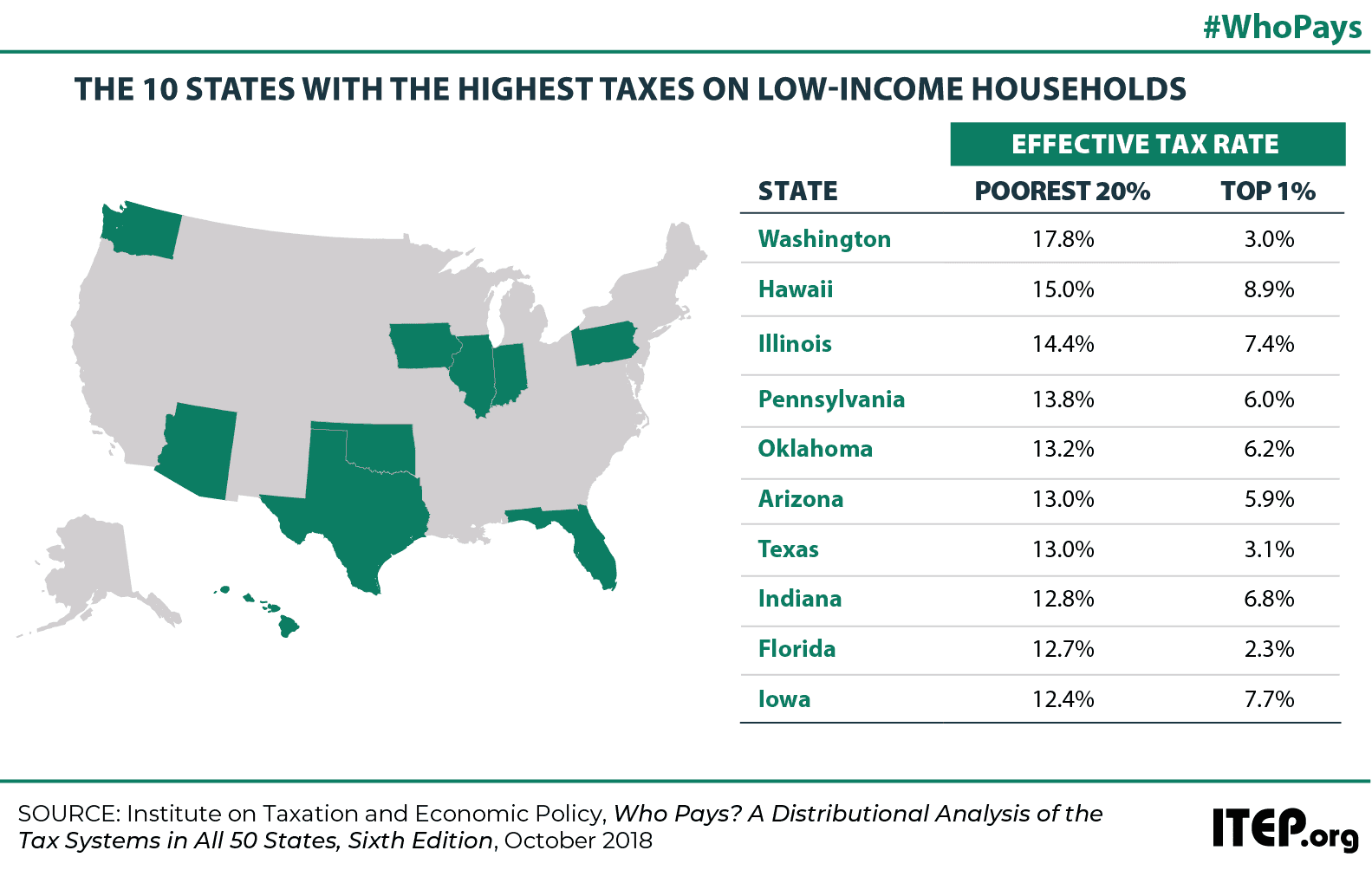
However, prospective residents must consider the balancing act. While you save on income tax, you will likely encounter higher property taxes and sales taxes. Property taxes, as previously noted, are a significant revenue source for local governments in Texas and can be quite high, especially in desirable urban and suburban areas. When evaluating a move, it’s crucial to research the specific property tax rates for potential neighborhoods and factor them into your overall housing budget. Similarly, the high sales tax rate will impact daily expenses, from groceries (though many food items are exempt) to clothing and other consumer goods.
The combination of no income tax and a generally strong job market often leads to an attractive cost-of-living proposition for many. This influences the demand for various types of accommodation, from luxury apartments and sprawling villas in metropolitan areas to more affordable homes in smaller towns. The state’s appeal for long-term stays also means a thriving market for rental properties, offering diverse options for those not ready to purchase. Comparison of housing costs, both rental and ownership, across cities like Houston, Dallas, Austin, and Fort Worth is essential, as prices and availability can vary significantly.
The Texas Lifestyle: From Urban Sophistication to Rural Charm
The absence of income tax contributes to a vibrant and growing population, which in turn fosters a diverse range of lifestyles across Texas. Whether you seek the fast-paced life of a major metropolis or the tranquility of a rural retreat, Texas has options.
Urban centers like Dallas and Houston offer sophisticated living with world-class dining, cultural institutions, and ample career opportunities, especially in sectors like finance, energy, and healthcare. The Texas Medical Center in Houston, for instance, is a global leader, drawing professionals from around the world. These cities provide a wide array of accommodation choices, from high-rise apartments with luxury amenities to family-friendly suburban homes.
Austin offers a more liberal and creative urban lifestyle, known for its music scene, outdoor activities, and burgeoning tech industry. It attracts a younger demographic and entrepreneurs, with a diverse culinary scene and a focus on health and wellness. For those seeking a blend of urban amenities and natural beauty, Austin’s proximity to the Hill Country is a major draw.
Beyond the major cities, Texas boasts countless charming small towns and rural communities, offering a slower pace of life, strong community ties, and a lower cost of living. Here, you can find sprawling ranches, historic homes, and access to outdoor adventures. The state’s size and geographic diversity, bordering Mexico, Louisiana, Arkansas, Oklahoma, and New Mexico, mean that every region offers a distinct flavor and lifestyle. From budget-friendly family trips to luxurious resort experiences, the lifestyle options are as vast as the state itself.
Business and Investment in the Lone Star State
The favorable tax environment in Texas extends beyond individuals, creating a powerful incentive for businesses and investors. This has positioned the state as a leading economic powerhouse, impacting everything from corporate relocations to the hospitality sector.
A Magnet for Businesses and Entrepreneurs
The absence of a corporate income tax (replaced by a franchise tax based on margin) combined with generally pro-business regulations makes Texas an incredibly attractive destination for companies. This policy has spurred massive economic development, leading to a constant influx of businesses ranging from Fortune 500 giants to innovative startups. The resulting competitive business landscape fosters innovation and creates abundant job opportunities across various sectors.
This strong business environment has direct implications for the travel and hospitality industry. Business stays are a significant component of the tourism sector in Texas. Cities like Dallas and Houston are major convention and conference hubs, attracting MICE (Meetings, Incentives, Conferences, and Exhibitions) tourism. The demand for hotels, suites, and extended-stay apartments is consistently high, catering to corporate travelers and event attendees. Many hotels and resorts in these cities are specifically designed to accommodate business needs, offering state-of-the-art meeting facilities, business centers, and amenities tailored for productivity and comfort. The dynamic economic landscape ensures a steady flow of business travelers, reinforcing the need for diverse and high-quality accommodation options.
Investing in Texas: Real Estate and Economic Growth
The robust economic growth and continuous population influx, largely attributed to the state’s tax policies, make Texas a hotbed for real estate investment. Residential properties, commercial spaces, and industrial developments all benefit from the sustained demand. Investors are drawn to the state’s potential for appreciation, strong rental markets, and diverse economic base, which insulates it from downturns in any single industry.
Within the tourism and accommodation sectors, this translates into significant investment opportunities. New hotels, resorts, and vacation rental properties are continually being developed to meet the growing demand from both tourists and long-term residents. The demand for various accommodation types, from budget hotels to luxury villas, provides a fertile ground for developers and investors in the hospitality industry. Furthermore, the state’s popularity as a tourist destination and a place to relocate encourages investment in tourism infrastructure, including attractions, entertainment venues, and related services, all contributing to a vibrant and expanding market.
Conclusion
In summary, the answer to “Does Texas have an income tax?” is a clear no for personal income. This pivotal aspect of the state’s financial strategy profoundly influences its robust economy, making it an attractive destination for businesses, individuals seeking relocation, and travelers. While the absence of income tax offers considerable financial benefits, especially for residents, it’s balanced by significant sales and property taxes that visitors and new homeowners should be aware of.
This unique tax landscape has contributed to the development of a state that is rich in diverse travel experiences, from the cosmopolitan energy of Dallas and Houston to the cultural charm of San Antonio and the vibrant music scene of Austin. It supports a thriving hospitality sector, offering a wide array of hotels, resorts, and accommodation options, catering to every budget and lifestyle, whether for a short trip or a long-term stay. The economic dynamism, fueled by pro-business policies, ensures continuous investment in landmarks, attractions, and cultural experiences, enhancing the overall appeal of Texas as a premier travel and lifestyle destination. Whether you’re passing through for leisure, considering a permanent move, or exploring business opportunities, Texas offers a compelling blend of economic advantage and rich experiences.
LifeOutOfTheBox is a participant in the Amazon Services LLC Associates Program, an affiliate advertising program designed to provide a means for sites to earn advertising fees by advertising and linking to Amazon.com. Amazon, the Amazon logo, AmazonSupply, and the AmazonSupply logo are trademarks of Amazon.com, Inc. or its affiliates. As an Amazon Associate we earn affiliate commissions from qualifying purchases.