
The question of whether Texas has a capital gains tax is a critical one, not just for financial planners and investors, but also for anyone considering travel, investment in hospitality, or a long-term lifestyle change within the Lone Star State. While the phrase “capital gains tax” often conjures images of complex financial forms and significant deductions from profits, the reality in Texas is nuanced and, for many, quite appealing. Indeed, understanding this aspect of the Texas tax code can unlock a deeper appreciation for the state’s robust economy, burgeoning tourism industry, and the unique lifestyle it offers. This article will delve into the specifics of capital gains tax in Texas, and crucially, explore how its tax environment profoundly influences opportunities in travel, hotels, tourism, accommodation, landmarks, and overall lifestyle within its diverse borders.
Understanding the Tax Landscape for Travel & Investment in Texas
The allure of Texas for both visitors and potential residents often extends beyond its vibrant culture and vast landscapes. A significant draw is its distinctive tax structure, which plays a pivotal role in shaping investment opportunities and personal financial planning, especially within the travel and hospitality sectors.
The Basics: State vs. Federal Capital Gains
To directly answer the titular question: No, the State of Texas does not impose a state-level capital gains tax. This is a fundamental distinction that sets Texas apart from many other states. Capital gains, which are profits realized from the sale of an asset like real estate, stocks, or businesses, are not subject to a specific state tax in Texas.
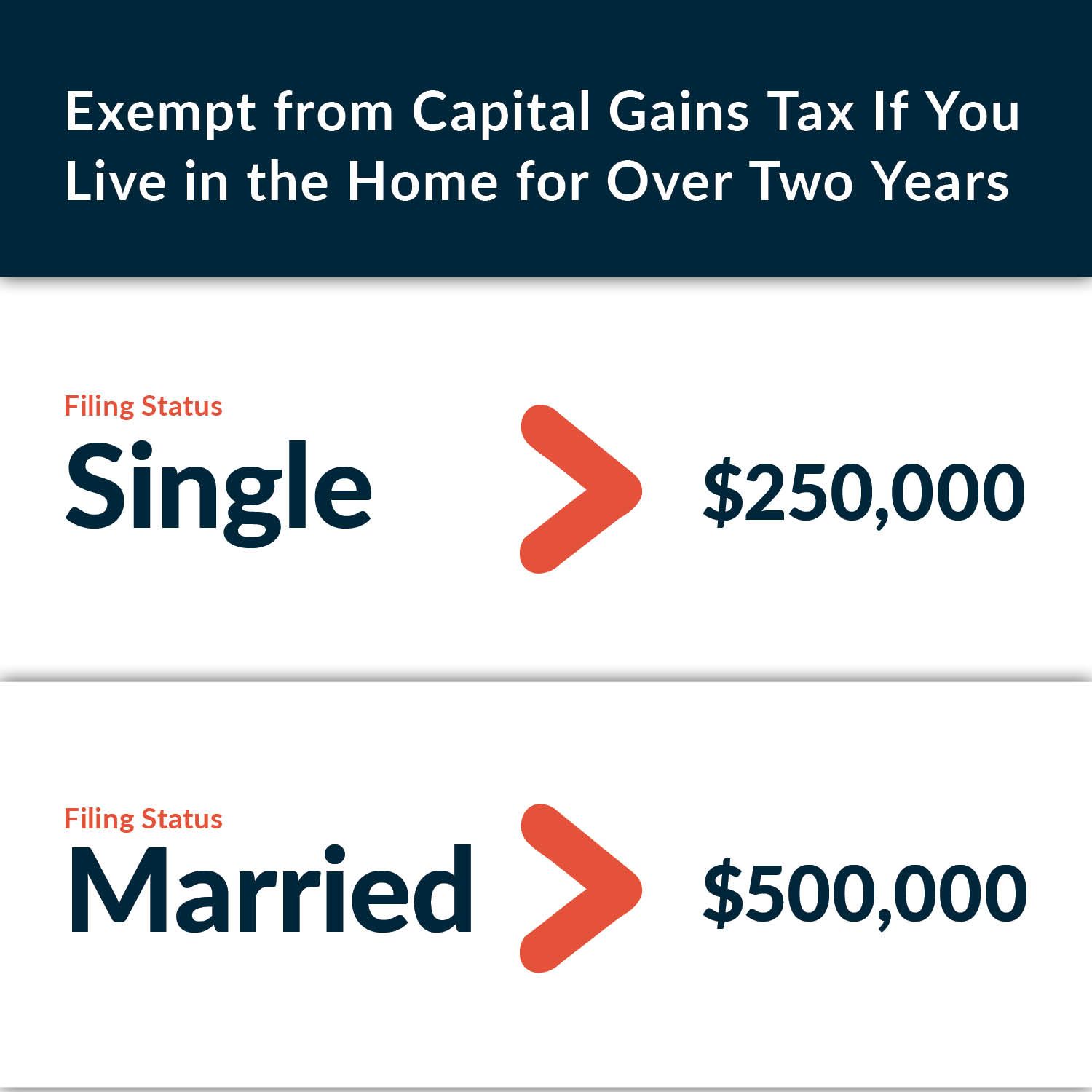
However, it is crucial to understand that federal capital gains taxes still apply to Texas residents and investors. These are levied by the United States federal government and depend on factors such as the length of time the asset was held (short-term vs. long-term) and the taxpayer’s income bracket. While this means that selling a highly appreciated asset in Texas isn’t entirely tax-free, the absence of an additional state-level capital gains tax significantly reduces the overall tax burden compared to states that impose both federal and state capital gains taxes.
Beyond capital gains, other taxes are pertinent to residents and investors in Texas. The state has a sales tax, which impacts consumer spending, including that of tourists on goods and services. Perhaps most notably, Texas relies heavily on property taxes, which are assessed at the local level (by counties, cities, school districts, etc.). This is particularly relevant for those investing in real estate, whether for personal accommodation, short-term rentals, or commercial hospitality ventures. Understanding this triad—no state income tax, no state capital gains tax, but robust property and sales taxes—is key to grasping the Texas financial environment.
Why the Texas Tax Climate Attracts Hospitality Investors
The absence of a state capital gains tax, coupled with no state personal income tax, creates a particularly fertile ground for investment in the hospitality sector. For developers, hoteliers, and individuals looking to purchase vacation rental properties, the potential for higher net returns on asset appreciation makes Texas an extremely attractive market.
Consider an investor who buys land in a rapidly developing area like Austin or Dallas with the intention of building a boutique hotel or a luxury resort. When that property eventually sells, the profits from the appreciation would only be subject to federal capital gains tax, not an additional state tax. This directly impacts the profitability of such ventures, encouraging more development and expansion within the tourism and accommodation industries. This favorable tax structure incentivizes both domestic and international investors to allocate capital towards new hotel constructions, upgrading existing resorts, and expanding tourism infrastructure, which in turn fuels the growth of Texas as a premier travel destination. The result is a more competitive, innovative, and robust offering for travelers, from world-class hotels to unique local experiences, all benefiting from a financially streamlined investment landscape.
Investing in Texas’s Booming Travel and Accommodation Sectors
The favorable tax environment in Texas is more than just a footnote for investors; it’s a significant catalyst for the state’s booming travel and accommodation industries. The economic growth, coupled with a steady influx of new residents and tourists, creates a dynamic market ripe with opportunities, especially for those interested in hotels, resorts, and short-term rental properties.
Opportunities in Hotels, Resorts, and Short-Term Rentals
The vibrant cities of Texas are magnets for both business and leisure travelers, making them prime locations for real estate investment related to tourism.
- Austin: Known as the “Live Music Capital of the World” and a tech hub, Austin continuously sees high demand for accommodation. From luxury hotels catering to business conferences to trendy boutique hotels in areas like South Congress and East Austin, the city offers diverse investment avenues. The Austin market for short-term rentals, facilitated by platforms like Airbnb and VRBO, is robust, given the constant stream of festivals, events, and a youthful population.
- Dallas: A major corporate center and a hub for shopping, arts, and professional sports, Dallas boasts a thriving hospitality sector. Investors can find opportunities in upscale hotels near the Arts District, business-focused accommodations in the Uptown area, or even resort-style properties on the outskirts. The expansive Dallas-Fort Worth metroplex also offers significant potential for convention centers and large-scale resorts.
- Houston: As an international city with a strong energy industry, world-class medical center, and burgeoning culinary scene, Houston attracts a diverse group of visitors. Investment in hotels near the Texas Medical Center, luxury accommodations in the Galleria area, or boutique stays in historic neighborhoods like Heights can yield substantial returns.
- San Antonio: Rich in history and culture, San Antonio is a perennial tourist favorite. The iconic River Walk and The Alamo draw millions annually, creating consistent demand for hotels and bed-and-breakfasts. Opportunities range from historic hotels along the River Walk to family-friendly resorts near theme parks.
Beyond these major metropolitan areas, the Texas Hill Country offers immense potential for boutique hotels, luxury glamping sites, and charming vineyard stays. The Gulf Coast cities like Galveston and South Padre Island are popular for beachfront resorts and vacation homes, while regions near Big Bend National Park present opportunities for eco-tourism lodges and adventure-focused accommodations. The consistent growth in tourism and the state’s population, combined with a favorable tax environment for property appreciation, means that investors in these sectors often see healthy returns, making Texas a compelling choice for those looking to diversify their portfolios in hospitality.
Developing Tourist Attractions and Lifestyle Experiences
The investment appeal of Texas isn’t limited to just traditional accommodation. The state’s economic dynamism and welcoming business climate encourage the development of entirely new tourist attractions and lifestyle experiences. The lack of a state capital gains tax means that profits from the sale of successful ventures in the entertainment, recreation, or cultural tourism sectors are also subject to a lower overall tax burden, motivating entrepreneurs to innovate.
This has led to the proliferation of diverse offerings across Texas:
- Theme Parks and Entertainment Districts: Major metropolitan areas continue to expand their entertainment options, from new thrilling rides at parks near San Antonio to immersive entertainment complexes in Dallas-Fort Worth.
- Cultural and Historical Sites: Investment flows into preserving and enhancing historical landmarks like The Alamo and developing cultural districts in cities like Houston’s Museum District, making them more accessible and engaging for tourists. New museums, art galleries, and performance venues continually emerge, enriching the cultural tapestry of the state.
- Outdoor and Adventure Tourism: The vast natural beauty of Texas, from the rugged deserts of the Big Bend Region to the tranquil lakes of the Hill Country, inspires investment in eco-tourism initiatives, adventure outfitters, and nature retreats. Developments like expanded hiking trails, specialized guided tours, and wellness resorts cater to a growing demand for experiential travel.
- Culinary and Beverage Tourism: The burgeoning food and wine scenes across Texas, particularly in Austin, Houston, and the Texas Hill Country wine region, are also areas of significant investment. Wineries, craft breweries, unique culinary tours, and upscale dining establishments capitalize on the state’s diverse palate and increasing tourism.
The net effect is a continuous cycle of innovation and investment, making Texas not just a place to observe history, but a vibrant landscape of evolving experiences, fueled in part by a tax climate that champions entrepreneurial spirit and growth.
Texas Lifestyle: Where Financial Prudence Meets Luxurious Living
The distinctive tax policies of Texas do more than just attract investors; they profoundly shape the lifestyle available to its residents and long-term visitors. For many, the ability to retain more of their capital gains means a greater capacity to invest in experiences, luxury, and a higher quality of life, making Texas a compelling choice for those seeking both financial prudence and an enriched lifestyle.
Long-Term Stays and Relocation for Travelers and Investors
The appeal of Texas for extended stays, digital nomads, and individuals considering permanent relocation is multifaceted. A significant component of this appeal is the state’s tax advantage. For individuals who derive substantial income from investments or who are looking to sell appreciated assets without incurring a state capital gains tax, relocating to Texas can offer considerable financial benefits. This translates into more disposable income, which can be reinvested into local economies, property, or personal leisure pursuits.
For long-term travelers and digital nomads, the absence of a state income tax means that their earned income from remote work is not subject to state-level taxation, freeing up resources that can be spent on exploring the state’s vast attractions, indulging in its renowned culinary scene, or experiencing its unique cultural events. Many choose to settle in cities like Austin or Dallas for their vibrant urban amenities, while others prefer the serene beauty of the Hill Country or the coastal charm of Corpus Christi for a more relaxed pace. The variety of accommodation options, from luxury apartments and extended-stay hotels in bustling cities to tranquil ranch rentals and custom-built homes in rural settings, caters to every preference. This financial incentive makes Texas not just a temporary stop but a viable and attractive destination for extended living, fostering a diverse community of residents who value both economic opportunity and a rich social fabric.
Experiencing Texas: Beyond the Balance Sheet
While the financial benefits are undeniable, the true essence of the Texas lifestyle extends far beyond tax statements. The favorable economic climate empowers residents and long-term visitors to fully embrace the myriad experiences the state has to offer, from luxury travel to everyday adventures.
Imagine investing in a vacation property in the Texas Hill Country, where weekend trips might involve exploring wineries, tubing down the Guadalupe River, or enjoying live music at historic venues like Gruene Hall. The financial freedom afforded by the tax structure allows for greater investment in these types of experiences. Travelers might choose to stay at high-end resorts, savor gourmet meals at world-class restaurants, or embark on unique adventures without the added pressure of a state capital gains tax diminishing their overall wealth.
Key Lifestyle and Travel Experiences Enhanced by the Texas Climate:
- Luxury Travel: The ability to retain more capital means more opportunities for opulent experiences, from stays at Four Seasons or Ritz-Carlton properties in major cities to private jet charters for weekend getaways to Marfa or the Big Bend Region.
- Cultural Immersion: Funds saved from state taxes can be allocated to exploring the rich cultural heritage, whether it’s visiting the historic sites of San Antonio, attending a rodeo in Fort Worth, or experiencing the vibrant arts scene in Houston’s Theater District.
- Culinary Adventures: Texas’s food scene is a destination in itself. From renowned barbecue joints in Lockhart to innovative fine dining in Austin and Houston, a favorable tax environment means more opportunities to indulge.
- Family Trips and Entertainment: Families benefit from a tax-efficient environment, allowing for more budget flexibility for trips to attractions like Space Center Houston, Schlitterbahn Waterpark, or exploring the diverse natural parks.
- Business Stays and Networking: For business travelers and entrepreneurs, the state’s economic vitality and tax benefits create a dynamic environment for growth and networking, often facilitated by stays in premium hotels and participation in high-profile industry events.
In essence, the lack of a state capital gains tax in Texas creates a powerful incentive for personal and financial growth, indirectly enhancing the travel and lifestyle experiences available to all who choose to visit or reside in this expansive and opportunity-rich state. It allows individuals to turn financial prudence into a vibrant, amenity-rich existence, making Texas a truly unique destination where fiscal advantages translate directly into an unparalleled quality of life and boundless opportunities for exploration and enjoyment.
In conclusion, while Texas may not have a state-level capital gains tax, its impact on the state’s travel, hospitality, and lifestyle sectors is profound. This favorable tax environment draws investors, encourages development, and ultimately enriches the experiences available to residents and visitors alike, solidifying Texas’s position as a premier destination for both financial growth and unforgettable journeys.