
For anyone considering a trip to the vast and diverse Lone Star State, planning a long-term stay, or even contemplating a move, understanding the local tax landscape is crucial. While Texas is famous for many things – its vibrant culture, sprawling landscapes, delicious barbecue, and booming economy – one particular aspect often sparks curiosity: its tax system. The question, “Does Texas have federal income tax?” is straightforward, but the answer often leads to a deeper dive into what makes the state’s financial environment unique, especially when viewed through the lens of travel, lifestyle, and accommodation choices.
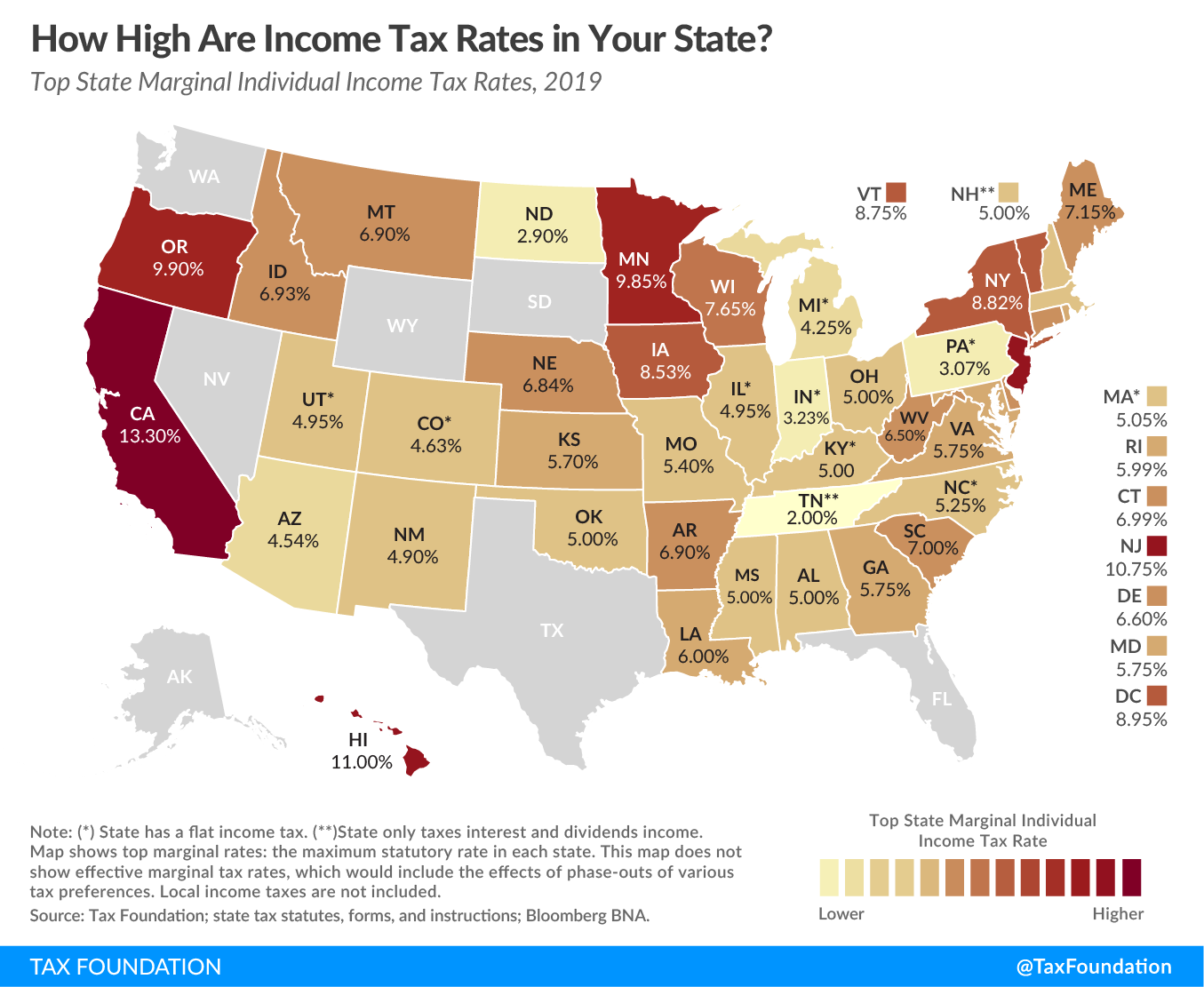
The simple answer to whether Texas has federal income tax is an unequivocal yes. Federal income tax is a mandatory levy imposed by the United States government on the income of individuals and businesses, regardless of which state they reside in. This means that every working individual, family, and corporation in Texas, just like those in California, New York, or Florida, contributes to the federal treasury. The confusion often arises from the more distinct characteristic of Texas’s tax system: the absence of a state income tax. This distinction is paramount and has significant implications for residents, visitors, and those evaluating the state for its long-term lifestyle appeal.
Unpacking the Texas Tax Landscape: A Traveler’s Perspective
Understanding the layers of taxation in Texas is essential for anyone from a casual tourist to a potential new resident. While the federal income tax is a constant, the state-level tax policies can greatly influence personal finances, travel budgets, and overall cost of living. This unique blend makes Texas a compelling case study for economic planners and curious adventurers alike.
The Federal Mandate: A Universal Requirement
At the highest level, the federal government of the United States collects income tax from all citizens and residents, no matter where they call home within the nation. Administered by the IRS (Internal Revenue Service), these taxes fund national programs, defense, infrastructure, and various federal services. For someone living in Houston, Dallas, or any other Texan city, their paycheck will still see deductions for federal income tax, Social Security, and Medicare, just as it would anywhere else in the country.
This universal aspect of federal taxation means that the allure of Texas isn’t about avoiding federal obligations. Instead, its financial attractiveness stems from what it doesn’t levy at the state level, creating a unique economic environment that impacts everything from personal savings to the pricing of hotels and tourism services.
The Texas Advantage: No State Income Tax
This is where the Lone Star State truly stands out. Texas is one of only a handful of states in the United States that does not impose a statewide income tax on individuals. This means that after federal deductions, your state income remains untouched by a state-level tax authority. This policy has profound implications, making Texas a particularly appealing destination for those seeking to maximize their take-home pay or to make their retirement savings stretch further.
For travelers, this might seem less directly impactful, as state income tax primarily affects residents. However, the economic ripple effects are undeniable. A state with no income tax often fosters a more robust business environment, leading to competitive pricing in certain sectors, and potentially more disposable income for residents who then spend it on local attractions, restaurants, and accommodation. This vibrant economic activity contributes to a bustling tourism sector, making Texas an exciting place to visit and explore. Other states that share this no-income-tax distinction include Florida, Nevada, Washington, Wyoming, Alaska, South Dakota, and Tennessee, and New Hampshire (which only taxes interest and dividends).
Lifestyle and Economic Appeal: Why Texas Attracts
The absence of a state income tax in Texas is not merely a fiscal detail; it’s a cornerstone of the state’s economic strategy and a significant driver of its demographic and business growth. This policy impacts everything from daily living expenses to major investment decisions, making Texas a compelling choice for various lifestyle and travel intentions.
Cost of Living Considerations for Residents and Visitors
For residents, the lack of state income tax generally translates to a lower overall tax burden, assuming other taxes are managed effectively. This can mean more money available for housing, education, entertainment, or simply building a robust savings account. For someone considering a long-term stay or even relocation, this financial advantage is often a primary draw. They might find that their salary stretches further in Texas compared to states with high income taxes, allowing for a higher quality of life or more opportunities for discretionary spending on travel and leisure activities within or outside the state.
While tourists don’t directly benefit from the lack of state income tax on their paychecks, the broader economic environment it creates can indirectly benefit them. A thriving economy often means more diverse attractions, better infrastructure, and a wider range of accommodation options. Businesses, seeing lower operating costs due to no state corporate income tax (though there is a franchise tax for businesses), might invest more in services, competitive pricing, and expanding their offerings, ultimately enhancing the visitor experience.
A Magnet for Business and Innovation
The tax structure also makes Texas an attractive hub for businesses, from burgeoning startups to multinational corporations. The absence of state income tax, combined with a generally favorable regulatory environment, draws companies seeking to reduce their overheads and attract top talent. This influx of businesses contributes to job growth, economic diversification, and a dynamic urban landscape, particularly in major cities like Austin, Dallas, and Houston.
The ripple effect on tourism is significant. Business travel thrives in these economic centers, leading to a strong demand for hotels, conference facilities, and corporate event venues. Many business travelers extend their stays for leisure, exploring local landmarks and cultural attractions. Furthermore, the wealth generated by a strong economy often translates into investments in public amenities, cultural institutions, and recreational spaces, all of which enhance the overall appeal of Texas as a travel destination.
Beyond Income Tax: Other Taxes in the Lone Star State
While the “no state income tax” policy is a major selling point, it’s crucial to understand that Texas funds its public services through other revenue streams. A comprehensive view of the tax system involves examining sales tax, property tax, and other levies that impact both residents and visitors. This balanced perspective is key to truly assessing the financial implications of a Texas lifestyle or travel plan.
Property Taxes: A Significant Factor
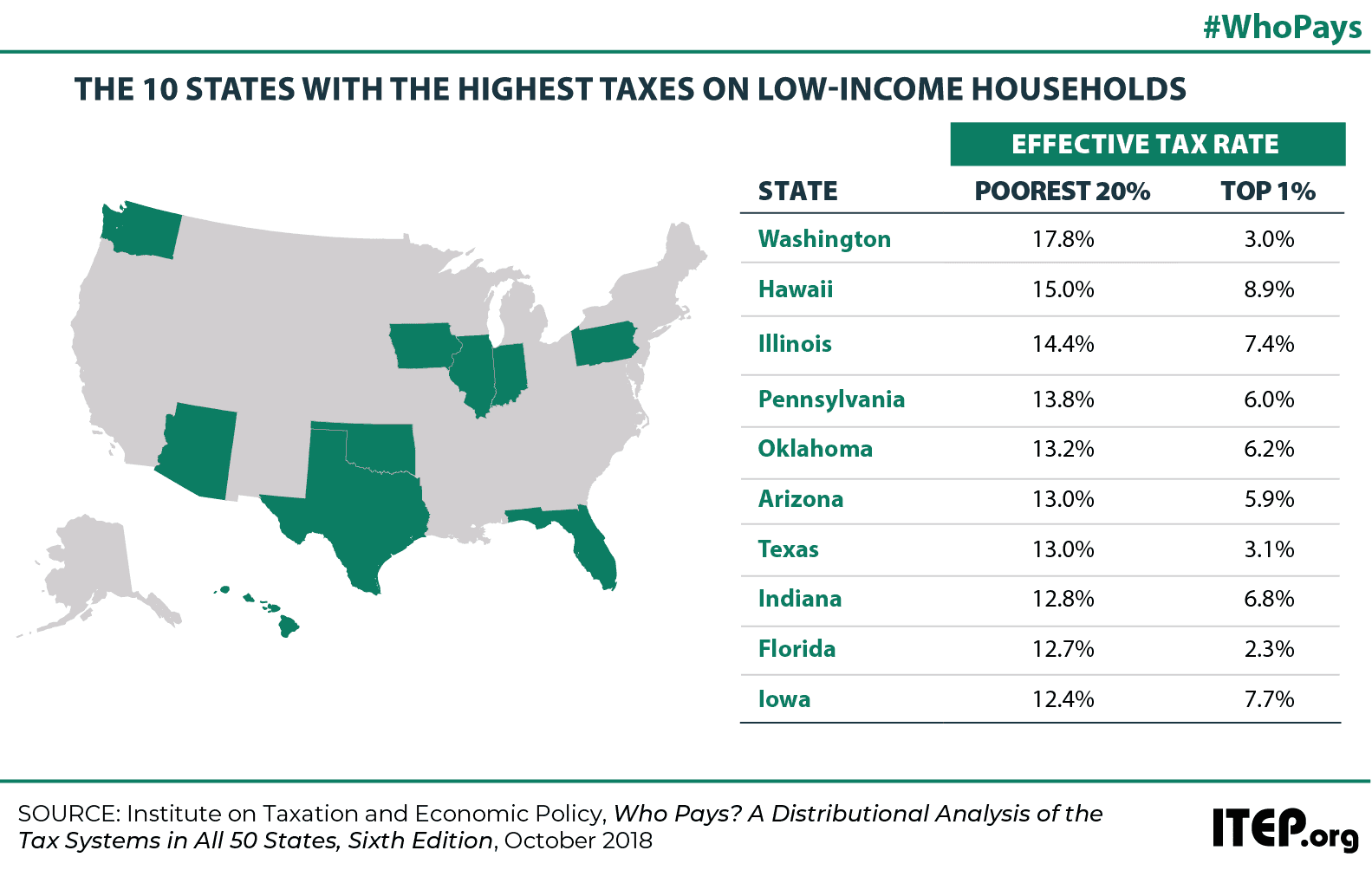
To compensate for the lack of a state income tax, Texas generally has higher property taxes compared to many other states. These taxes are levied by local entities such as counties, cities, school districts, and special districts. For potential residents looking to purchase a home, understanding these rates is paramount, as they can significantly impact monthly expenses and long-term financial planning. High property taxes can affect the affordability of housing, which in turn influences rental prices and the overall cost of accommodation.

Even for visitors, property taxes can have an indirect effect. Hotels and other commercial properties pay these taxes, and those costs are often factored into room rates and service charges. While not a direct tax on the tourist, it’s part of the underlying economic framework that shapes pricing in the tourism sector.
Sales Tax: What Visitors Pay
Sales tax is perhaps the most direct tax impact for visitors to Texas. The state imposes a sales tax of 6.25% on most retail sales, leases, and rentals of tangible personal property, as well as on various services. Local jurisdictions (cities, counties, transit authorities, and special purpose districts) can add up to an additional 2%, bringing the combined sales tax rate to a maximum of 8.25% in many areas.
When you’re shopping for souvenirs in San Antonio’s Riverwalk, exploring boutiques in Dallas, or simply buying groceries for a self-catering accommodation in Austin, this sales tax will apply. It’s an important consideration for budgeting your trip, as these charges can add up, especially for larger purchases or extensive shopping sprees. Knowing the local sales tax rate can help travelers estimate their total expenditure and plan their finances accordingly.
Other Levies: From Fuel to Lodging
Beyond property and sales tax, Texas collects various other taxes that are relevant to both residents and travelers:
- Fuel Tax: Texas levies a state tax on gasoline and diesel. For those planning a road trip across the vast landscapes of Texas, this will be a direct cost factored into the price at the pump. Given the sheer size of the state and the distances between major cities and landmarks, fuel costs can be a significant part of a travel budget.
- Hotel Occupancy Tax: When booking accommodation, visitors will encounter a hotel occupancy tax. This tax is imposed at both the state and local levels and can vary significantly by city. For instance, a stay at a Grand Hyatt Hotel in Dallas will include this tax, which helps fund local tourism initiatives and city services. Always check the total price, including taxes and fees, when booking hotels or vacation rentals to avoid surprises.
- Alcohol and Tobacco Taxes: Like most states, Texas imposes excise taxes on alcoholic beverages and tobacco products. These are typically included in the purchase price of these items.
- Vehicle Registration and Title Fees: For those relocating and registering a vehicle, these fees are part of the process.
Understanding these various taxes provides a clearer picture of the real cost of living or vacationing in Texas, moving beyond the initial draw of “no state income tax.”
Planning Your Texas Experience: Financial Insights for Travelers and Aspiring Residents
Whether you’re visiting for a week or contemplating a permanent move, a sound financial plan is essential for a smooth and enjoyable Texas experience. Integrating knowledge of the state’s tax structure into your budgeting can lead to more informed decisions and a more fulfilling lifestyle.
Budgeting for Your Texas Trip
For travelers, the key takeaway regarding taxes in Texas is to factor in sales tax on purchases and hotel occupancy tax on accommodation. While you won’t pay state income tax, these other taxes are direct costs that will impact your spending.
- Shopping: When planning to explore the malls of Houston or the Western wear shops of Fort Worth, remember that the price tag won’t be the final amount.
- Dining Out: The vibrant food scene in Austin or the Tex-Mex delights across the state will also come with sales tax added to the bill.
- Accommodation: Always review the final price for your hotel, resort, or rental, as the occupancy tax can add a significant percentage to the base rate.
- Transportation: If renting a car, account for fuel taxes and potential tolls on some highways, especially around metropolitan areas.
By anticipating these costs, you can create a realistic travel budget that allows you to fully enjoy all that Texas has to offer without financial surprises.
Relocation Considerations: Weighing the Financial Pros and Cons
For those considering making Texas their new home, the tax landscape presents a compelling proposition, but it requires careful evaluation. The absence of state income tax is a significant advantage, potentially increasing your take-home pay and allowing for greater financial flexibility. However, this must be weighed against the often-higher property taxes and the pervasive sales tax.
- Income vs. Property Tax: Individuals with high incomes who don’t plan to own expensive property might find Texas particularly attractive. Conversely, those with moderate incomes looking to buy a sizable home might find the property tax burden substantial.
- Overall Cost of Living: While tax advantages exist, it’s important to research the overall cost of living in specific Texan cities, including housing, utilities, and daily expenses. Some urban areas can be quite expensive, even without state income tax.
- Business Environment: For entrepreneurs or professionals, the state’s business-friendly policies and robust job market, fueled in part by the tax structure, can present immense opportunities.
Consulting with a financial advisor familiar with Texas tax laws is highly recommended for anyone contemplating a major move, as individual circumstances can greatly affect the overall financial impact.
Exploring Texas: Destinations and Lifestyle
Beyond the numbers and tax structures, Texas offers an incredible array of destinations and lifestyle experiences, from bustling urban centers to serene natural landmarks. The state’s economic vitality, partially influenced by its tax policies, contributes to the development and maintenance of these vibrant attractions.
Iconic Cities and Their Unique Charms
Each major city in Texas offers a distinct flavor, appealing to different travel styles and lifestyle preferences:
- Houston: A global city known for its energy industry, medical center, and aerospace contributions, including NASA’s Johnson Space Center. It boasts diverse culinary scenes, world-class museums, and a thriving arts community. Accommodation options range from luxury downtown hotels to family-friendly suites.
- Dallas: A sophisticated urban hub renowned for its arts districts, upscale shopping, and robust business environment. It’s a prime destination for luxury travel and business stays, offering a plethora of resorts and high-end dining.
- Austin: The “Live Music Capital of the World” and the state capital, Austin is celebrated for its eclectic music scene, outdoor activities, and tech industry. It attracts a younger demographic and those seeking a vibrant, progressive lifestyle with plenty of boutique hotels and unique experiences.
- San Antonio: Rich in history and culture, San Antonio is home to the iconic Alamo and the picturesque Riverwalk. It offers a blend of historical landmarks, family-friendly attractions, and authentic Tex-Mex cuisine, making it ideal for cultural tourism and family trips.
- Fort Worth: Embracing its Western heritage, Fort Worth offers a glimpse into cowboy culture with its historic Stockyards National Historic District, rodeos, and thriving arts scene. It’s a fantastic destination for those seeking authentic Texan experiences.
Diverse Landscapes and Experiences
Beyond the urban sprawl, Texas offers incredible natural diversity, perfect for adventure travel and outdoor lifestyle:
- The Gulf Coast: From the sandy beaches of South Padre Island to the historic charm of Galveston, the coast provides opportunities for fishing, birdwatching, and relaxing by the sea.
- Texas Hill Country: A picturesque region known for its rolling hills, vineyards, natural springs, and charming towns like Fredericksburg. It’s a popular destination for scenic drives, wine tours, and outdoor activities.
- West Texas: Home to stunning desert landscapes, including Big Bend National Park and Guadalupe Mountains National Park, offering hiking, stargazing, and unparalleled natural beauty for intrepid explorers.
In conclusion, while the question “Does Texas have federal income tax?” is easily answered with a “yes,” the broader discussion reveals a nuanced tax environment. The absence of a state income tax is a significant economic advantage, fostering growth and appealing to many for its lifestyle and financial benefits. However, visitors and residents alike must be mindful of other taxes, particularly sales and property taxes, to fully appreciate the cost implications of enjoying the rich travel and tourism experiences that the vibrant Lone Star State has to offer. By understanding these financial aspects, you can better plan your visit or relocation, ensuring that your Texas adventure is as fulfilling and financially sound as possible.