
The vast and diverse state of Texas conjures many images: sprawling ranches, vibrant cities like Houston and Dallas, the historic Alamo, and the breathtaking beauty of the Big Bend National Park. But when considering the potential for natural phenomena, a pressing question often arises, particularly for those planning a visit or considering a move to the Lone Star State: does Texas have hurricanes? The answer, unequivocally, is yes.
The Gulf Coast of Texas is a region that experiences the direct impact of tropical cyclones, commonly known as hurricanes. These powerful weather systems, born over the warm waters of the Atlantic Ocean and the Gulf of Mexico, can bring significant rainfall, destructive winds, and dangerous storm surges to coastal communities. Understanding this reality is crucial for anyone traveling to or living in Texas, especially when it comes to planning accommodations, activities, and ensuring personal safety.
This article delves into the nature of hurricanes in Texas, the areas most affected, the typical hurricane season, and how visitors and residents can prepare and adapt. We will explore how this natural phenomenon influences tourism, the hospitality industry, and the overall lifestyle of those who call the Texas Coast home. From the luxurious resorts lining the beaches of Galveston to the bustling energy of Corpus Christi, understanding the hurricane risk is an integral part of the Texas experience.
Understanding the Hurricane Threat Along the Texas Coast
The Gulf Coast of Texas stretches for hundreds of miles, encompassing diverse landscapes and a significant portion of the state’s population and economic activity. This geographical position makes it susceptible to tropical storms and hurricanes that form in the western Gulf of Mexico. The warm, shallow waters of the Gulf provide an ideal breeding ground for these massive weather systems, and prevailing wind patterns can steer them directly towards the Texas shoreline.
The intensity of these storms can vary dramatically, from tropical depressions and tropical storms that bring heavy rain and moderate winds, to Category 5 hurricanes with catastrophic wind speeds and immense storm surges. Historically, Texas has been impacted by numerous hurricanes, some of which have caused widespread devastation and left a lasting mark on the state’s history.
Where Hurricanes Make Landfall in Texas
While hurricanes can affect any part of the Texas Coast, certain areas are historically more prone to direct impacts. The coastline is characterized by numerous bays, estuaries, and low-lying areas, which can exacerbate the effects of storm surges.
Galveston Island and the Upper Coast
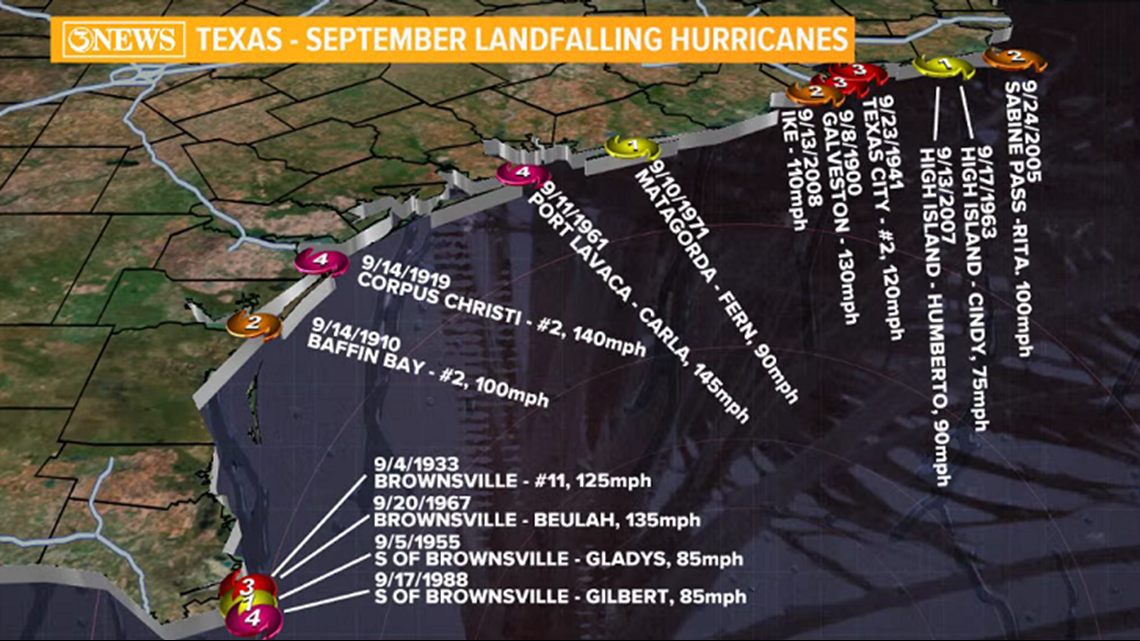
Galveston Island, a popular tourist destination and historic port city, has a long and often tragic history with hurricanes. The infamous 1900 Galveston Hurricane, one of the deadliest natural disasters in United States history, serves as a stark reminder of the island’s vulnerability. Subsequent storms, such as Hurricane Ike in 2008, have also caused significant damage to the region. The proximity of Galveston to the open Gulf of Mexico makes it a primary target for storms moving from the southeast. The coastal communities north of Galveston, including Freeport and Galveston, are also frequently in the path of these storms.
The Upper Texas Coast and Houston Metro Area
The Houston metropolitan area, though inland, is also significantly impacted by hurricanes making landfall on the upper Texas Coast. When storms hit areas like Galveston or further east into Louisiana, the massive rainfall associated with these systems can cause catastrophic inland flooding in Houston and its surrounding suburbs. Hurricane Harvey in 2017 is a prime example of this phenomenon, where record-breaking rainfall overwhelmed the city’s drainage systems, leading to widespread and prolonged flooding, even for those far from the coast.
The Central Texas Coast: Corpus Christi and Beyond
Further south, cities like Corpus Christi, Port Aransas, and Rockport are also frequently in the crosshairs of hurricanes. These areas boast beautiful beaches, abundant fishing opportunities, and a vibrant tourism industry that can be severely disrupted by severe weather. Hurricane Harvey also had a significant impact on this region, causing extensive damage to infrastructure and natural areas. The barrier islands, such as Mustang Island and Padre Island, which are home to Padre Island National Seashore, are particularly vulnerable to storm surge and erosion.
The Lower Texas Coast: Brownsville and the Rio Grande Valley
The southernmost tip of Texas, including Brownsville and the Rio Grande Valley, is less frequently hit by direct hurricane landfalls compared to the upper and central coasts. However, these areas are not immune. Tropical storms and hurricanes impacting the Mexican coast can also bring significant rainfall and wind to this region. Furthermore, storms that track westward across Florida or the Caribbean can sometimes curve back and affect the Lower Texas Coast.
The Texas Hurricane Season: When to Be Aware
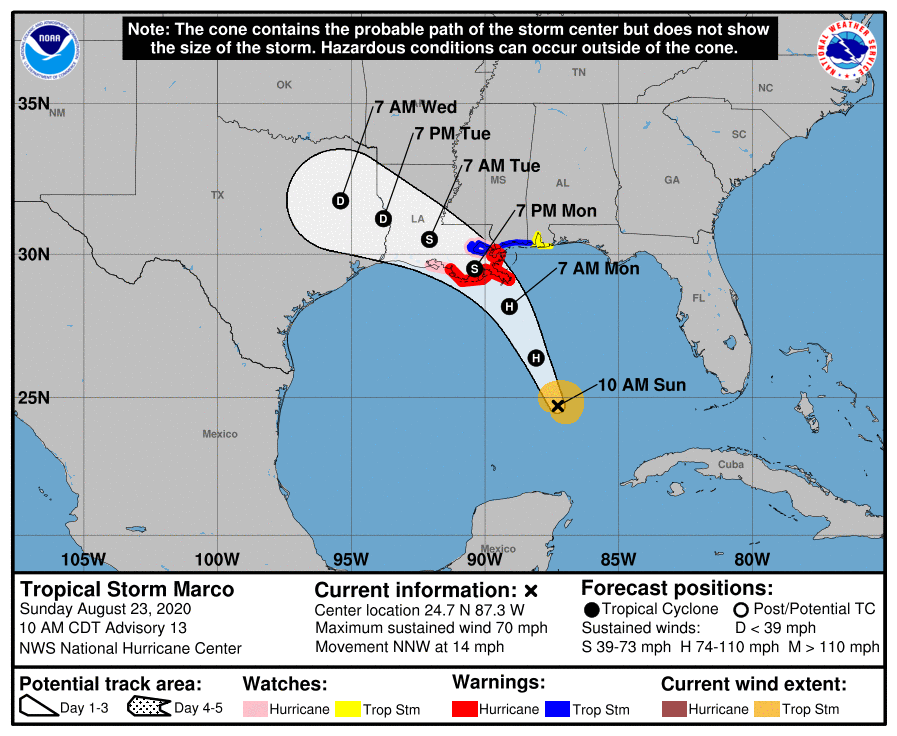
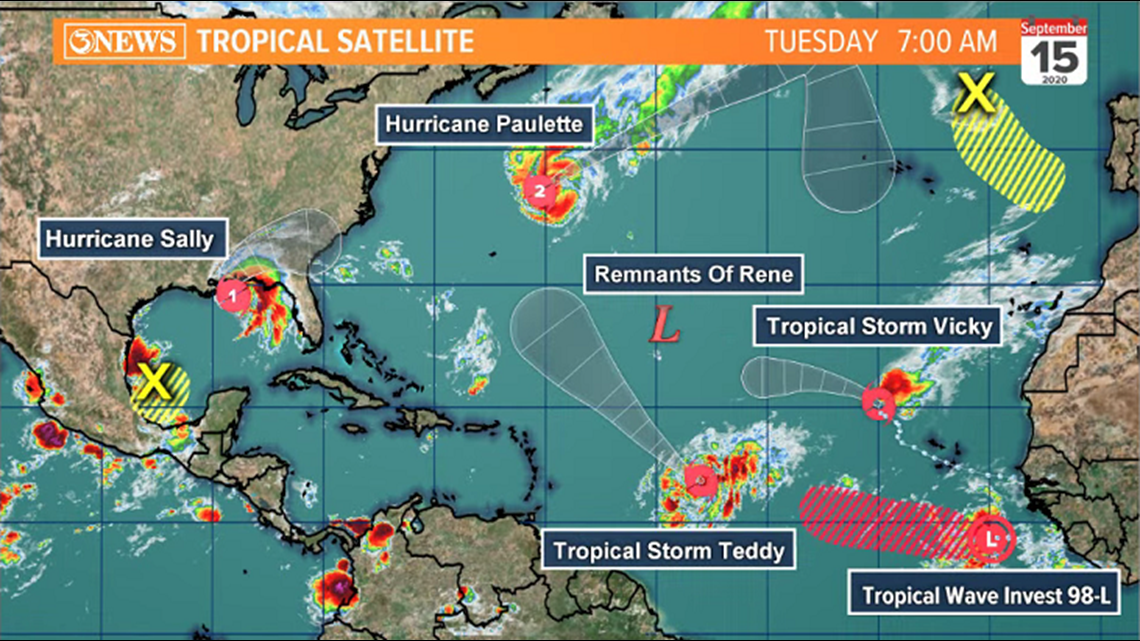
The official Atlantic hurricane season runs from June 1 to November 30 each year. However, the peak of the season for the Texas Coast typically occurs between August and October. During these months, the Gulf of Mexico is at its warmest, providing the optimal conditions for tropical cyclone development and intensification.
Peak Months and Activity
- June and July: While the season begins in June, the early months often see less activity. When storms do form, they are typically weaker and less frequent. This is a good time for travel to the Texas Coast with a lower risk, but preparedness should always be a consideration.
- August: This is when the frequency and intensity of tropical systems begin to increase significantly. Storms in August can form rapidly and may not provide extensive warning times.
- September: Historically, September is the most active month for hurricanes in the Gulf of Mexico and along the Texas Coast. The combination of warm waters and favorable atmospheric conditions often leads to the development of powerful storms.
- October: While activity generally decreases in October, powerful storms can still form and make landfall during this month. The season officially ends on November 30, but late-season storms are not unheard of.
Understanding these timelines is vital for travelers and residents alike. For those planning a vacation to a coastal Texas city like South Padre Island or a weekend getaway to a charming town like Port Aransas, consulting weather forecasts and staying informed about potential storm development becomes a crucial part of trip planning during the peak season. Hotels and resorts along the coast often have specific policies regarding weather-related cancellations and evacuations, which should be reviewed in advance.
Preparing for and Experiencing the Texas Coast Safely
The prospect of hurricanes might seem daunting, but with proper preparation and awareness, residents and visitors can safely enjoy the beauty and attractions of the Texas Coast. The hospitality industry, local governments, and communities have developed robust systems and protocols to manage hurricane risks.
Travel and Accommodation Considerations
For travelers, the decision of when to visit the Texas Coast often involves weighing the desire for good weather against the potential for hurricanes. The shoulder seasons, such as late spring (May) or early fall (November, before the official end of the season), can offer pleasant weather with a slightly lower risk.
When booking accommodations, especially during the hurricane season, it is advisable to:
- Choose properties with strong hurricane preparedness plans: Many hotels and resorts, particularly those in areas like Galveston and Corpus Christi, are well-equipped to handle severe weather. This includes having backup power, emergency supplies, and clear evacuation procedures.
- Review cancellation policies: Understand the hotel’s policy regarding cancellations due to severe weather. Look for flexible booking options.
- Consider travel insurance: Comprehensive travel insurance can provide financial protection in case of trip interruptions or cancellations due to hurricanes.
- Stay informed about local conditions: Monitor official weather alerts from the National Hurricane Center and local news outlets.
Popular Tourist Destinations and Hurricane Preparedness
Iconic Texas destinations along the Gulf Coast have learned to coexist with the threat of hurricanes.
- Galveston: This historic island city, with its charming Victorian architecture and lively Seawall, is a major tourist hub. Galveston has implemented extensive seawall protection and evacuation routes. Visitors can enjoy its attractions like Moody Gardens and the Pleasure Pier, but should always heed official advisories during hurricane season.
- Corpus Christi: Home to the Texas State Aquarium and the USS Lexington Museum, Corpus Christi is a popular destination for families and nature lovers. The city has invested in infrastructure to mitigate storm surge effects, but preparedness remains key.
- South Padre Island: This barrier island resort town is a favorite for beach lovers and spring breakers. Its low-lying elevation makes it particularly susceptible to storm surge, and evacuation is often swift during hurricane threats.
Local Culture and Activities Amidst Weather Patterns
The culture of the Texas Coast is deeply intertwined with its environment, including the unpredictable nature of hurricanes. Local communities have a resilient spirit and a strong tradition of helping one another during times of crisis.
- Community Resilience: After major hurricanes, coastal towns have shown remarkable resilience, rebuilding and recovering with a strong sense of community. This is a testament to the spirit of the people who live here.
- Adapting Activities: While severe weather can disrupt outdoor activities, many attractions are designed to be enjoyed during various weather conditions. Museums, aquariums, and indoor dining experiences offer alternatives when outdoor plans are impacted.
- Experiencing Local Life: Understanding the hurricane cycle is part of the local lifestyle. Residents have emergency kits, evacuation plans, and a deep respect for the power of nature. Visitors who are aware and prepared can still have an enriching experience, appreciating the unique character of the Texas Coast.
While the question “Does Texas have hurricanes?” elicits a firm yes, it’s important to frame this within the context of preparedness and resilience. The Texas Coast offers incredible travel experiences, from exploring historic landmarks to relaxing on beautiful beaches, and enjoying the vibrant local culture. By understanding the risks, staying informed, and planning accordingly, visitors and residents can continue to experience the best that the Lone Star State’s coastline has to offer, safely and confidently.
LifeOutOfTheBox is a participant in the Amazon Services LLC Associates Program, an affiliate advertising program designed to provide a means for sites to earn advertising fees by advertising and linking to Amazon.com. Amazon, the Amazon logo, AmazonSupply, and the AmazonSupply logo are trademarks of Amazon.com, Inc. or its affiliates. As an Amazon Associate we earn affiliate commissions from qualifying purchases.