
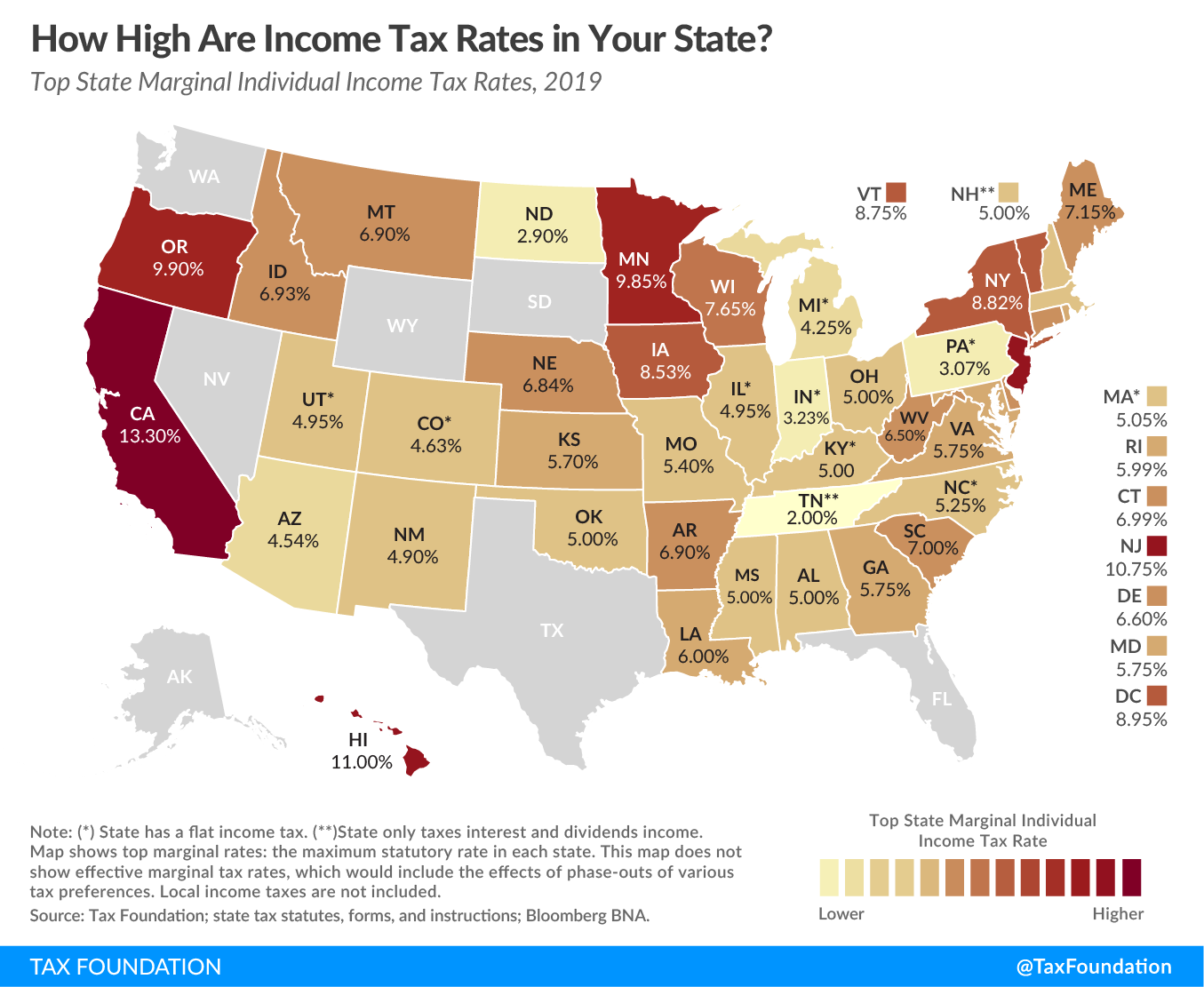
As a vast and diverse state brimming with iconic landmarks, vibrant cities, and a rich cultural tapestry, Texas beckons travelers from across the globe. From the rolling hills of the Texas Hill Country to the bustling metropolises like Houston and Dallas, and the historic charm of San Antonio, there’s an experience for every kind of explorer. Whether you’re planning a luxurious resort getaway, a family adventure exploring Alamo and the Space Center Houston, or a budget-friendly exploration of local cuisine and music scenes, understanding the financial landscape can enhance your trip. One crucial aspect for many visitors and potential residents is the state’s tax structure, specifically its income tax policy. So, the question on many minds, especially those planning extended stays or considering relocation, is: Does Texas have income taxes? The straightforward answer is no, Texas is one of a handful of states that does not impose a state income tax on individuals.
This unique financial characteristic can significantly impact the overall cost of visiting and living in the Lone Star State. For travelers, it means that a larger portion of their budget can be allocated to experiences, accommodations, and dining, rather than being diminished by a state-level income tax deduction. For those contemplating a longer stay, perhaps in a charming Austin bungalow or a luxurious Dallas apartment, this absence of income tax can be a substantial financial advantage. This guide aims to illuminate this key aspect of Texas‘s financial policy, alongside exploring the myriad of travel opportunities the state offers, from its world-renowned hotels and diverse tourism attractions to its unforgettable landmarks and varied lifestyle options.
The Tax Landscape of Texas: A Closer Look
The absence of a state income tax is a cornerstone of Texas‘s economic identity. This policy has been in place for decades and is a significant draw for individuals and businesses alike. Instead of relying on income tax revenue, Texas generates the bulk of its state budget through other means, primarily property taxes and sales taxes. This fundamental difference in taxation can influence everything from where people choose to live to how they plan their travel budgets.
How Texas Funds Its State Services
While Texas doesn’t tax individual income, it doesn’t mean the state is without revenue to fund essential services like education, infrastructure, and public safety. The state employs a multi-pronged approach to revenue generation:
- Sales Tax: This is a major contributor to the state’s coffers. Both state and local governments levy sales taxes on goods and some services. The state sales tax rate is 6.25%, with local jurisdictions able to add up to 2% for a maximum combined rate of 8.25%. This tax applies to a wide range of purchases, from souvenirs and clothing to electronics and dining out. For travelers, this means that while income tax isn’t a concern, sales tax will factor into the cost of most transactions.
- Property Tax: This is arguably the most significant source of funding for local governments and public schools in Texas. Homeowners and businesses pay property taxes based on the assessed value of their real estate. These rates vary considerably by county and city, and they are a crucial consideration for anyone considering purchasing property or investing in businesses within the state. While property taxes are not directly paid by most tourists, they indirectly influence the cost of accommodations and services, as businesses pass on their property tax expenses to consumers.
- Other Taxes and Fees: Texas also collects revenue from various other sources, including franchise taxes (on businesses), excise taxes (on fuel, tobacco, and alcohol), and fees for services such as driver’s licenses and state park entries. These contribute to the overall revenue stream that supports state operations.
Understanding this revenue model is key to grasping the broader financial picture of Texas. It explains why the state can maintain its no-income-tax stance while still providing the services expected by its residents and visitors.
The Impact of No Income Tax on Travelers and Residents
The absence of state income tax has a tangible impact on both short-term visitors and long-term residents of Texas.
For travelers, this translates to more disposable income for enjoying the state’s offerings. Imagine planning a trip to Austin for the South by Southwest (SXSW) festival or a family vacation exploring the Texas State Aquarium in Corpus Christi. Without state income tax deductions, the money you’ve budgeted for flights, accommodation at a boutique hotel or a sprawling resort, dining at world-class restaurants in Dallas, or tickets to a Houston Astros game can stretch further. This allows for more experiences, perhaps an extended stay at a charming Galveston villa, more excursions to national parks like Big Bend National Park, or simply more opportunities to savor the diverse culinary scene, from authentic Tex-Mex in San Antonio to barbecue joints in Lockhart.
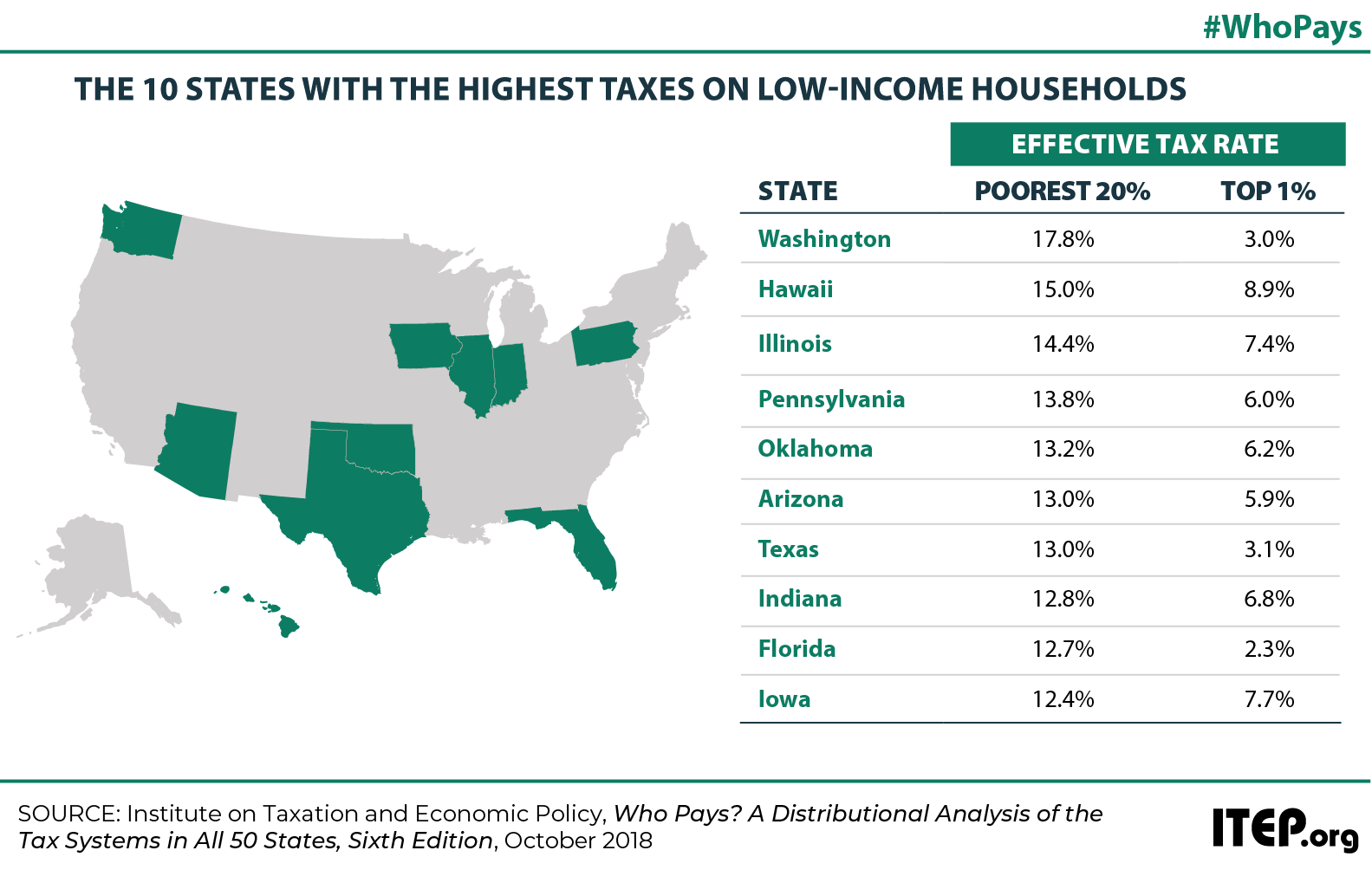
For residents, the benefits are even more pronounced. Individuals earning higher incomes can see significant savings annually by residing in Texas. This financial advantage has contributed to Texas‘s growth as a destination for both retirees and working professionals. It also means that the cost of living, while influenced by property and sales taxes, can be more predictable for many, especially those who own their homes. The state’s business-friendly environment, partly due to the lack of corporate income tax and the absence of individual income tax, has attracted numerous companies, further boosting employment opportunities and economic activity. This vibrant economic landscape, in turn, supports a thriving tourism industry, offering even more reasons to visit and explore.

Exploring the Lone Star State: Destinations, Stays, and Experiences
Texas is a state that truly has it all, offering a diverse range of attractions and experiences that cater to every travel style. From the rugged beauty of its natural landscapes to the sophistication of its urban centers, your visit can be as action-packed or as relaxed as you desire. And with no state income tax, you can fully immerse yourself in all that Texas has to offer without that added financial burden.
Unforgettable Destinations and Landmarks
The sheer variety of destinations within Texas is staggering. Each city and region boasts its own unique character and attractions:
- Austin: The vibrant capital city is renowned for its live music scene, eclectic culture, and outdoor activities. Explore the Texas State Capitol, enjoy a paddleboard session on Lady Bird Lake, or delve into the culinary delights of its food truck culture. For accommodation, Austin offers everything from luxury boutique hotels to cozy vacation rentals.
- San Antonio: Steeped in history, San Antonio is home to iconic landmarks like the Alamo and the San Antonio River Walk. Explore the Spanish colonial missions, savor authentic Tex-Mex cuisine, and experience the rich heritage of this fascinating city.
- Houston: As the most populous city in Texas, Houston is a hub for culture, cuisine, and space exploration. Visit the Space Center Houston, explore the Museum District, and indulge in a diverse culinary scene. From upscale hotels to apartments for longer stays, Houston has accommodation options for all needs.
- Dallas: A modern metropolis with a sophisticated flair, Dallas offers world-class shopping, dining, and entertainment. Visit the Dallas Arts District, explore Pioneer Plaza, or catch a game at the American Airlines Center. The city boasts a wide array of luxurious suites and family-friendly resorts.
- Galveston: This charming island city offers a coastal escape with a rich Victorian history. Enjoy the beaches, explore the historic Strand District, and visit attractions like the Moody Gardens. Galveston is perfect for those seeking relaxation and a touch of history, with numerous beachfront hotels and rental villas.
- Big Bend National Park: For nature enthusiasts, Big Bend National Park offers breathtaking desert landscapes, mountain ranges, and the Rio Grande. It’s an ideal destination for hiking, stargazing, and experiencing the raw beauty of West Texas.
Beyond these major cities, Texas is dotted with smaller towns and natural wonders that offer unique travel experiences. The Texas Hill Country, with its rolling vineyards, charming small towns like Fredericksburg, and natural beauty, provides a perfect backdrop for a leisurely road trip. For those interested in natural landmarks, the Palo Duro Canyon State Park, known as the “Grand Canyon of Texas,” offers stunning geological formations and hiking opportunities.
Diverse Accommodation Options
Texas caters to every lodging preference, ensuring a comfortable and convenient stay for all travelers. Whether you’re looking for a luxurious escape, a practical base for exploration, or a home away from home, the options are abundant:
- Luxury Hotels and Resorts: From the opulent halls of the The Adolphus, Dallas to the sprawling grounds of The Woodlands Resort, Texas boasts an impressive selection of high-end hotels and resorts. These establishments often feature amenities like fine dining, full-service spas, multiple swimming pools, and exceptional concierge services, perfect for those seeking a lavish lifestyle travel experience.
- Boutique Hotels: For a more intimate and unique stay, boutique hotels offer personalized service and distinctive charm. Many cities, particularly Austin and San Antonio, feature a wide array of these properties, often located in historic districts or vibrant neighborhoods.
- Vacation Rentals and Apartments: Ideal for families, groups, or longer stays, vacation rentals and apartments offer more space and amenities like full kitchens. Platforms like Airbnb and Vrbo provide extensive options, from charming bungalows in Austin to modern apartments in Downtown Dallas. This is a fantastic option for budget travel or for those who prefer the flexibility of self-catering.
- Suites and Extended Stay Hotels: For business travelers or those needing a comfortable home base for an extended period, suites and extended-stay hotels provide added space, kitchenettes, and amenities designed for longer visits. Many major hotel chains offer these options in all prominent Texas cities.
- Villas and Cabins: For a more secluded or rustic experience, consider renting a villa in the Texas Hill Country or a cabin near Big Bend National Park. These options offer privacy and a chance to connect with nature, perfect for family trips or romantic getaways.
The availability of such a diverse range of accommodations, coupled with the state’s no-income-tax policy, makes Texas an exceptionally attractive destination for a variety of travel lifestyles, from budget-conscious adventurers to those indulging in luxury travel.
Engaging Tourism and Lifestyle Experiences
Texas thrives on its vibrant tourism industry, offering a wealth of activities and cultural experiences that immerse visitors in the local lifestyle.
- Culinary Adventures: Texas is a food lover’s paradise. From authentic Tex-Mex and world-renowned barbecue in cities like Austin and Lockhart to diverse international cuisines in Houston, your taste buds are in for a treat. Exploring local food markets, trying regional specialties, and dining at iconic restaurants are essential parts of any Texas itinerary.
- Cultural Immersion: Delve into the rich history and culture of Texas by visiting its numerous museums, art galleries, and historical sites. Explore the Sixth Floor Museum at Dealey Plaza in Dallas to learn about the assassination of President John F. Kennedy, or wander through the historic streets of Gruene to experience a preserved 19th-century German-Texan community.
- Outdoor Activities: With its varied geography, Texas offers ample opportunities for outdoor recreation. Hike and bike in state parks, kayak or paddleboard on lakes and rivers, explore the coastline along the Gulf of Mexico, or go birdwatching in nature preserves. The state’s commitment to preserving its natural beauty ensures that these experiences are readily available.
- Festivals and Events: Texas hosts a year-round calendar of festivals and events, celebrating everything from music and film (like SXSW in Austin) to food, culture, and local traditions. Attending a local rodeo, a county fair, or a music festival provides an authentic glimpse into the Texas way of life.
- Shopping and Entertainment: From the high-end boutiques in Dallas‘s Highland Park Village to the unique artisan shops in San Antonio‘s La Villita Historic Arts Village, Texas offers a diverse shopping experience. Catch a professional sports game, enjoy live music performances, or explore the vibrant nightlife in major cities.
The combination of no state income tax, a wide array of accommodation choices, and an abundance of engaging activities makes Texas a compelling destination for a multitude of travel experiences, ensuring memorable adventures for every visitor.