
The Lone Star State, a vast expanse of diverse landscapes and vibrant cities, often conjures images of sprawling ranches, world-class barbecue, and a unique Texan spirit. When planning a visit or considering a longer stay in Texas, understanding the financial aspects is crucial. This includes delving into taxation, particularly property taxes. The common perception might be that Texas is a tax-friendly state, and while this is true in some respects, the reality of property taxes requires a closer look. Unlike many other states that levy a state-level property tax, Texas stands apart. However, this does not mean you can escape property taxes altogether when owning or even renting in the state. The absence of a state-wide property tax is replaced by a robust system of local property taxation, which plays a significant role in funding essential public services. This article aims to demystify Texas property taxes, explaining how they work, who they affect, and what you need to know whether you’re considering a vacation rental, a luxury resort stay, or even a permanent relocation.
Understanding the Texas Property Tax Landscape
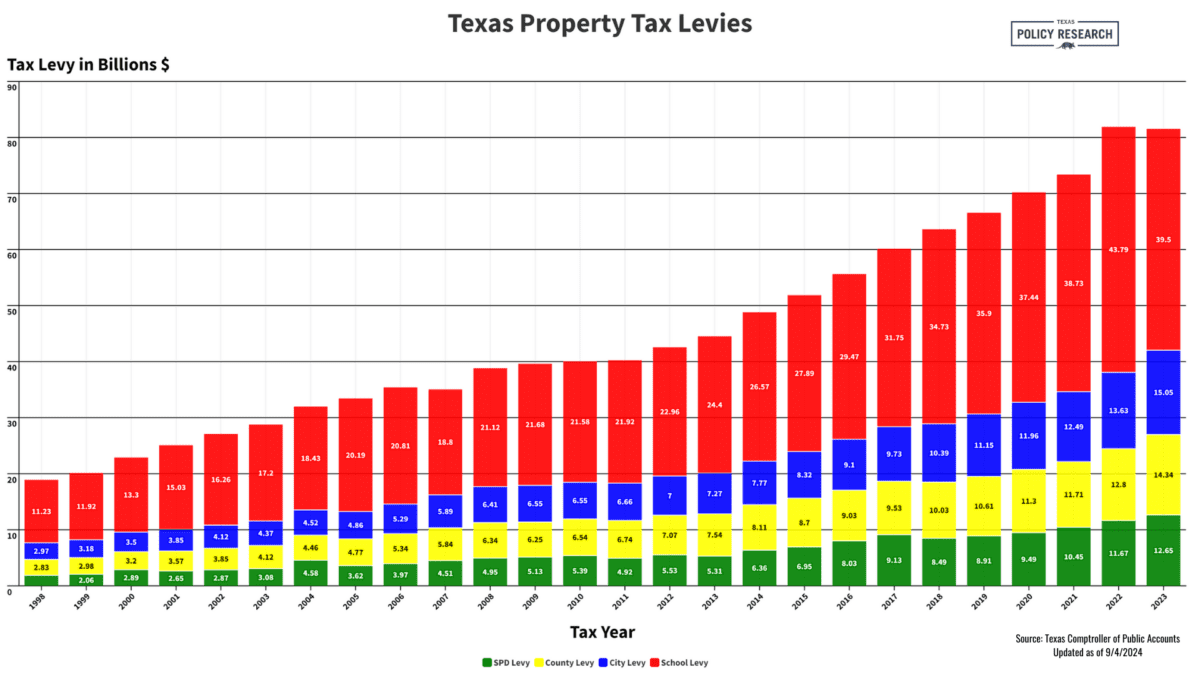
The fundamental answer to “Does Texas have property taxes?” is a nuanced yes. While there is no state-imposed property tax on real estate, local entities have the authority to levy and collect property taxes. This means that counties, cities, school districts, and special districts (such as hospital districts or water districts) all have the power to tax property within their boundaries. This decentralized approach to property taxation is a defining characteristic of the Texas system. The revenue generated from these local property taxes is vital for funding a wide array of public services that contribute to the quality of life for residents and visitors alike. These services include public education, law enforcement, fire protection, road maintenance, and infrastructure development.
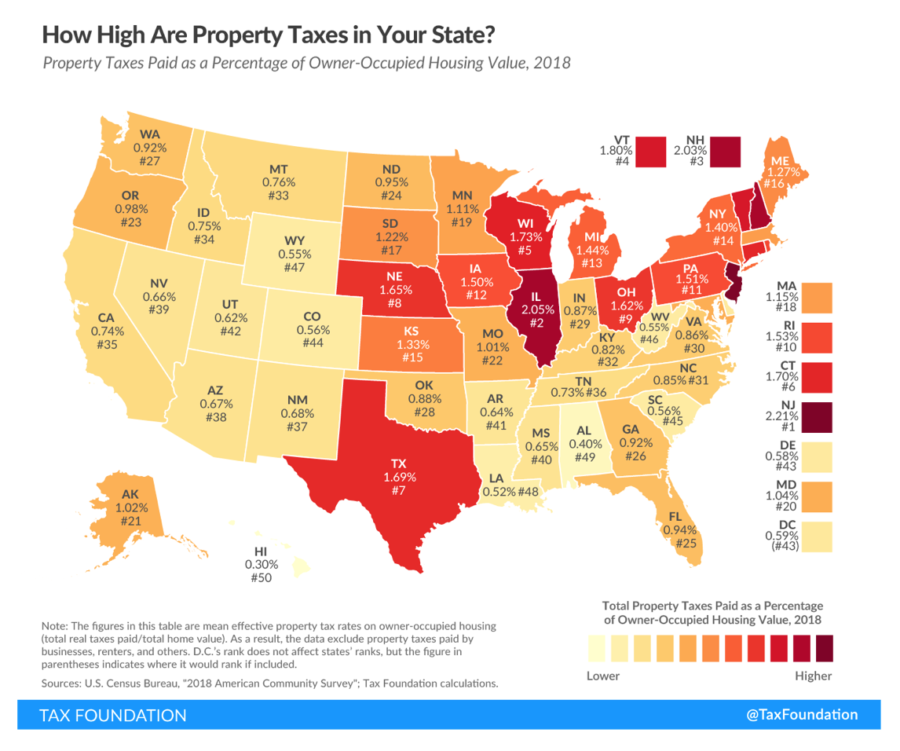
The absence of a state property tax is often highlighted as a major draw for individuals and businesses looking to relocate to Texas. This can translate into lower overall tax burdens for property owners compared to states with significant state-level property levies. However, it’s imperative to understand that the rates and assessments of local property taxes can vary considerably across Texas. Factors such as the value of property, the specific local taxing districts, and the local government’s budget needs all influence the final property tax bill. Therefore, while the state doesn’t tax your property, your local government certainly does. This distinction is crucial for anyone considering a property purchase or even understanding the costs associated with certain types of accommodation.
How Property is Assessed and Taxed
The process of assessing property for tax purposes in Texas involves several key players and procedures. The primary entity responsible for appraising property is the local county appraisal district. Each county in Texas has its own appraisal district, staffed with licensed appraisers. These appraisers are tasked with determining the market value of all taxable property within their jurisdiction as of January 1st of each year. Market value is generally defined as the price at which a property would transfer for cash or its equivalent under prevailing market conditions.
Once the market value is established, the appraisal district sends out notices to property owners detailing their property’s appraised value. Property owners have the right to protest this valuation if they believe it is inaccurate. This protest process typically involves informal discussions with the appraisal district and, if necessary, a formal hearing before the county appraisal review board. This recourse is a vital safeguard for property owners to ensure fair and accurate assessments.
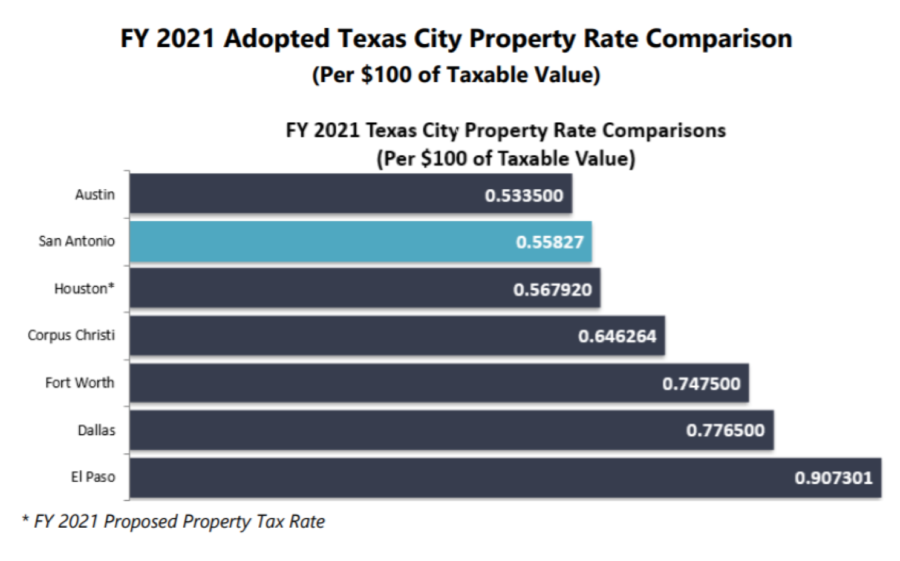
Following the appraisal, the various taxing units (cities, school districts, counties, etc.) set their own tax rates, known as tax rates or millage rates. These rates are expressed in dollars per $100 of taxable value, or more commonly, as a number of “cents” per $100 of taxable value. For example, a tax rate of $2.50 per $100 of taxable value means that for every $100 of appraised value, you will owe $2.50 in property taxes. The total property tax bill for a property owner is the sum of the taxes levied by all the taxing units in which the property is located, multiplied by the property’s taxable value (which may be less than the market value after considering exemptions).
Furthermore, Texas law mandates that properties be appraised at a level between 65% and 100% of their market value, with most appraisal districts striving for 100% to ensure equity. However, homestead exemptions can significantly reduce the taxable value of a primary residence. For instance, a basic homestead exemption removes a certain amount from the taxable value of your home, and additional exemptions can be granted by local taxing units.
Implications for Travelers and Residents
The structure of property taxes in Texas has several important implications, whether you’re a tourist enjoying the sights of San Antonio or a business owner setting up shop in Houston. For travelers, the most direct impact might be felt in the cost of certain accommodations. While hotels and resorts typically include property tax costs within their room rates, understanding this element helps in budgeting for your trip. For those considering longer-term stays in apartments or villas, the landlord’s property tax obligations are usually factored into the rental price.
Property Taxes and Rental Accommodation
When you rent a property in Texas, whether it’s a short-term vacation rental in Austin or a long-term lease in a Dallas apartment, you are indirectly affected by property taxes. Landlords are responsible for paying the property taxes on their owned real estate. This cost is almost always passed on to the tenant through the rental agreement. Therefore, the rental rates you see are typically inclusive of the landlord’s operational expenses, including property taxes. While you, as a renter, do not directly pay the property tax bill, the amount you pay in rent reflects these underlying costs.
For vacation rentals, especially those booked through platforms that connect travelers with property owners, it’s wise to look at the total cost, including any taxes or fees. While some bookings might have a separate line item for lodging taxes (which are different from property taxes), the overall rental price will have been set by the owner with their property tax obligations in mind. This is particularly relevant when comparing prices for apartments, villas, or even unique stays like those found in charming boutique hotels. The vibrant tourism sector in Texas, from the historical sites of Galveston to the natural beauty of Big Bend National Park, is supported by the infrastructure and services funded by these taxes.
The Impact on Property Ownership
For individuals considering purchasing property in Texas, understanding property taxes is paramount. The absence of a state income tax and the presence of local property taxes create a unique fiscal environment. Property taxes in Texas can be substantial, and they vary significantly by location. For instance, property taxes in highly sought-after areas or those with robust public services might be higher than in less developed regions.
When evaluating real estate, whether it’s a luxury condo in downtown Austin, a family home in the suburbs of Fort Worth, or a beachfront property in South Padre Island, it’s crucial to research the property tax rates for that specific jurisdiction. This information is readily available from county appraisal districts and local government websites. Buyers should factor these annual tax liabilities into their overall cost of ownership and compare them against potential property tax liabilities in other states. Furthermore, understanding available exemptions, such as homestead exemptions for primary residences, can help mitigate the tax burden. For investors, considering the yield on rental properties necessitates a thorough understanding of both rental income potential and ongoing property tax expenses.
Navigating Property Tax Exemptions and Relief
While Texas property taxes can be a significant expense, there are several avenues for exemptions and relief that can reduce the burden for eligible individuals. These exemptions are designed to provide financial relief and encourage certain types of property ownership or to support specific demographic groups. Understanding these can be particularly beneficial for long-term stay residents or those who become property owners in the state.
Homestead Exemptions
The most common and significant property tax relief available in Texas is the homestead exemption. This exemption applies to a property that serves as the owner’s primary residence. There are several types of homestead exemptions:
- General Homestead Exemption: This is a mandatory exemption that each taxing unit must offer. It reduces the appraised value of your home by a minimum of $5,000 or 20% of the appraised value, whichever is greater, but not to exceed $10,000.
- Additional Homestead Exemptions for Seniors and Disabled Persons: For homeowners who are 65 years or older or who are disabled, local taxing units can offer an additional homestead exemption. The minimum amount for this exemption is $10,000, but local taxing units can choose to offer a larger amount. If a disabled person or a person 65 or older qualifies for the general homestead exemption, they may also qualify for this additional exemption. If the qualifying homeowner dies, the exemption can often continue for the surviving spouse.
- Disabled Veteran Homestead Exemption: Texas offers substantial homestead exemptions for disabled veterans. The amount of the exemption varies depending on the percentage of disability, with 100% disabled veterans and their surviving spouses potentially receiving a full exemption from property taxes on their homestead.
To qualify for a homestead exemption, you must own the home and occupy it as your primary residence on January 1st of the tax year. You typically need to file an application with your local county appraisal district.
Other Exemptions and Deferrals
Beyond homestead exemptions, Texas offers other types of property tax relief:
- Over-65 Tax Ceiling: For homeowners who qualified for a homestead exemption and are 65 or older, their property tax bill cannot increase year over year unless they make significant improvements to the property or move. This is often referred to as a tax ceiling.
- Tax Deferral for Age 65+ or Disabled Homeowners: Homeowners who are 65 or older or have a disability can elect to defer paying property taxes on their homestead. However, taxes remain due when the property is sold or the owner dies, and interest may accrue.
- Exemptions for Widows/Widowers: Surviving spouses can also qualify for certain property tax exemptions.
- Agricultural and Wildlife Exemption: While not directly related to residential property, Texas offers significant tax benefits for land used for agricultural or wildlife management purposes, which can keep rural land taxes lower.
Understanding these exemptions is critical for anyone considering long-term residency or property ownership in Texas. They can significantly reduce the financial impact of property taxes and make living in the state more affordable. When planning a trip that involves extended stays or contemplating a move to explore the rich culture, diverse attractions, and unique lifestyle that Texas offers, being informed about property tax regulations will contribute to a smoother and more financially sound experience.
LifeOutOfTheBox is a participant in the Amazon Services LLC Associates Program, an affiliate advertising program designed to provide a means for sites to earn advertising fees by advertising and linking to Amazon.com. Amazon, the Amazon logo, AmazonSupply, and the AmazonSupply logo are trademarks of Amazon.com, Inc. or its affiliates. As an Amazon Associate we earn affiliate commissions from qualifying purchases.