
When planning a trip, especially to a state with a reputation for a strong sense of self-reliance and individual rights, questions about legal protections can arise. For travelers venturing into the vast and diverse landscape of Texas, understanding the legal framework, particularly concerning self-defense, is crucial. While the primary focus of most travel planning revolves around booking accommodations, exploring local attractions, and savoring regional cuisine, a foundational knowledge of a state’s laws can offer peace of mind. This exploration delves into the question of whether Texas adheres to “Stand Your Ground” laws, and what that might mean for visitors and residents alike within the context of experiencing the Lone Star State.

The concept of self-defense is deeply ingrained in legal systems worldwide, but its specific application and interpretation can vary significantly. “Stand Your Ground” laws, in particular, have become a point of discussion and sometimes contention. These laws generally remove the “duty to retreat” – meaning individuals are not required to attempt to escape a dangerous situation before using deadly force if they reasonably believe it is necessary to prevent death or serious bodily harm. Understanding Texas’s stance on this matter is not just a legal curiosity; it can inform how one perceives personal safety and rights within the state’s borders, whether one is enjoying the vibrant streets of Austin, exploring the historic missions of San Antonio, or experiencing the vast ranches of West Texas.
Understanding Texas Self-Defense Laws
Texas law has a strong tradition of protecting an individual’s right to defend themselves, their property, and others. The core of Texas’s legal approach to self-defense can be found within its penal code. While the term “Stand Your Ground” is often used colloquially, it’s important to understand the specific language and legal precedents within Texas that define these rights. The principle of not being required to retreat, a hallmark of Stand Your Ground legislation, is indeed a significant component of Texas’s self-defense statutes.
Castle Doctrine in Texas
A key aspect of Texas self-defense law, which aligns with the spirit of “Stand Your Ground” principles, is the Castle Doctrine. This doctrine, enshrined in Texas law, extends heightened protection to individuals defending themselves within their own homes. It presumes that a person has a reasonable fear of imminent death or serious bodily harm when unlawfully and forcefully entering their habitation. This means that in one’s own home, there is generally no duty to retreat before using force, including deadly force, if necessary to prevent an unlawful and forceful entry. This applies not only to traditional residences but also to vehicles and places of employment. For those considering a long-term stay in a rental apartment in Houston or booking a resort in the Texas Hill Country, understanding the Castle Doctrine offers a clear picture of legal protections within private spaces.
The Duty to Retreat in Texas
The question of a “duty to retreat” is central to understanding Stand Your Ground laws. In many jurisdictions, if a person can safely retreat from a dangerous confrontation, they are legally obligated to do so before resorting to deadly force. However, Texas law significantly modifies this duty. Texas law generally states that a person is justified in using force against another when and to the degree the person reasonably believes the force is immediately necessary to protect themselves against the other’s use or attempted use of unlawful force. Crucially, when a person has a right to be in a place and is not engaged in unlawful activity, they have no duty to retreat before using or threatening to use deadly force. This applies in any place where they have a right to be, not just their home. This aspect is what most closely aligns with the common understanding of “Stand Your Ground” laws. Therefore, while Texas may not use the exact phrase “Stand Your Ground law” in its statutes, its legal framework effectively grants individuals the right to defend themselves without a duty to retreat in public spaces where they are lawfully present.
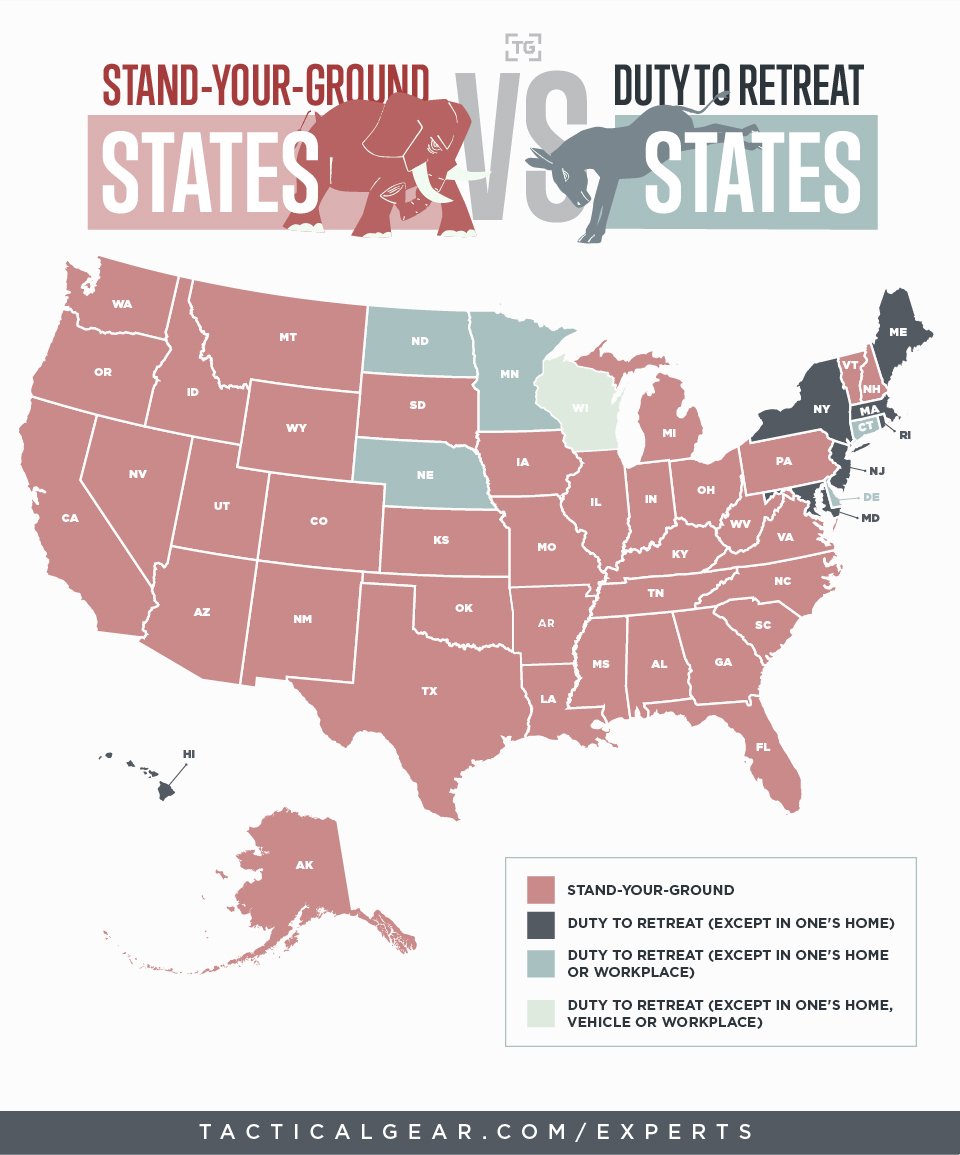
This legal standing is an important consideration for anyone traveling through Texas, whether driving the scenic routes of Big Bend National Park or visiting the bustling cultural hubs like Dallas. It underscores the state’s emphasis on the right to self-preservation.
Practical Implications for Travelers and Residents
Understanding the nuances of Texas’s self-defense laws can provide a clearer picture of personal safety and legal rights while visiting or residing in the state. This knowledge can influence choices about where to stay, how to interact in public spaces, and general preparedness.
Personal Safety and Awareness
For travelers, being aware of local laws is always a good practice, and understanding the legal framework around self-defense in Texas can contribute to a more informed and secure experience. While Texas law grants broad rights to self-defense, it does not negate the importance of responsible behavior and situational awareness. This includes being mindful of one’s surroundings, avoiding provocative situations, and respecting local customs and laws. Whether you are enjoying a luxury travel experience at a resort in San Antonio or on a budget-friendly road trip exploring the state’s diverse attractions, common sense safety practices remain paramount. The legal protections in place are intended to be a last resort, not an invitation for aggression.
Legal Considerations and Responsible Behavior
It’s important to reiterate that while Texas law may not impose a duty to retreat, the use of force, particularly deadly force, must be reasonably necessary to prevent imminent death or serious bodily harm. This “reasonableness” standard is key and can be subject to interpretation by law enforcement and the courts. The law does not grant a license to use excessive force or to initiate confrontations. For instance, if you are staying at a boutique hotel in Galveston or exploring the historic architecture of Fort Worth, the principles of self-defense apply within the bounds of reasonable necessity. The right to self-defense is a serious legal matter, and any invocation of it will be scrutinized to ensure it was justified under the circumstances. This reinforces the importance of always striving for de-escalation and avoiding situations that could lead to a need for self-defense.

Enjoying Texas with Confidence
The knowledge that Texas law generally allows individuals to defend themselves without a duty to retreat in places where they have a right to be can offer a sense of security. This allows travelers to focus on the myriad of experiences Texas has to offer, from the vibrant arts scene in Houston to the natural beauty of the Texas Panhandle. Whether you’re booking a suite at a renowned hotel, exploring local food markets, or visiting iconic landmarks like the Alamo, you can do so with the understanding of the legal protections that are in place for your safety. Texas’s commitment to self-defense rights, while ensuring responsible application, allows for a more confident exploration of its vast and welcoming territory.
In conclusion, while Texas may not explicitly use the phrase “Stand Your Ground Law” in its statutes, its existing legal framework, particularly the elimination of the duty to retreat in most public situations and the robust Castle Doctrine, effectively provides individuals with the right to defend themselves without being required to flee. This understanding is a valuable piece of information for anyone planning a visit or considering a stay in the great state of Texas, complementing the exciting possibilities for travel, accommodation, and cultural immersion it offers.
LifeOutOfTheBox is a participant in the Amazon Services LLC Associates Program, an affiliate advertising program designed to provide a means for sites to earn advertising fees by advertising and linking to Amazon.com. Amazon, the Amazon logo, AmazonSupply, and the AmazonSupply logo are trademarks of Amazon.com, Inc. or its affiliates. As an Amazon Associate we earn affiliate commissions from qualifying purchases.