
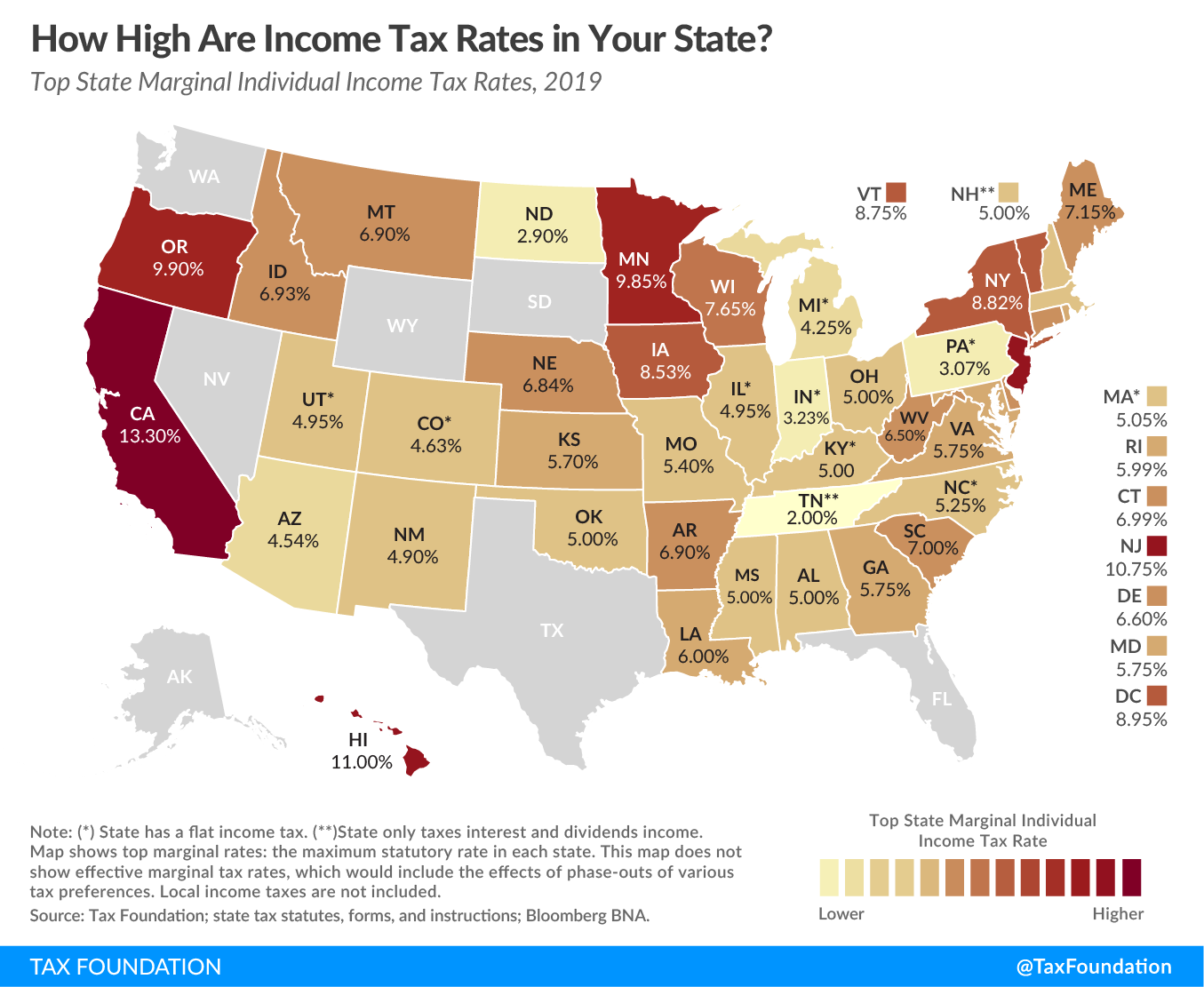
For anyone considering a move to the Lone Star State, planning an extended stay, or simply curious about its financial landscape, one question frequently arises: Does Texas have a state income tax? The straightforward answer is a resounding no. Unlike many other states across the United States, Texas stands out for not levying a personal income tax on its residents. This unique fiscal characteristic profoundly shapes the state’s economy, influences its lifestyle, and plays a significant role in its appeal as a destination for both new residents and tourists.
This absence of state income tax is not a recent development but a long-standing pillar of Texas’s financial philosophy, deeply rooted in its history and enshrined in its constitution. However, understanding this single fact only scratches the surface of the state’s intricate tax structure. While individuals don’t pay a percentage of their earnings to the state, Texas relies heavily on other forms of taxation to fund its robust public services, infrastructure, and ambitious growth initiatives. For travelers, this means fewer direct tax burdens on earnings but a greater emphasis on other forms of consumption and property-based taxes, which can indirectly affect everything from hotel prices to the cost of local attractions. For those considering making Texas their home, a thorough understanding of this system is crucial for financial planning, especially when it comes to housing and everyday expenses.
The Lone Star State’s Unique Fiscal Blueprint
The financial framework of Texas is a fascinating study in resource allocation and economic strategy. Its decision to forego a state income tax is a defining feature that sets it apart from a majority of other states. This approach is not merely a policy choice but a fundamental aspect of the Texan identity, often cited as a key factor in its economic prosperity and rapid population growth.
A Deep Dive into Texas’s No-Income-Tax Status
The history of Texas and its aversion to an income tax dates back over a century. There was an attempt to introduce a state income tax in 1919, but it ultimately failed to gain traction, reflecting an early anti-tax sentiment within the state. This sentiment solidified over the decades, culminating in a significant legislative action in 1980 when a constitutional amendment was passed. This amendment explicitly prohibited the imposition of a personal income tax in Texas, effectively embedding this fiscal policy into the very fabric of its governance. Furthermore, the amendment stipulated that any future attempt to introduce a corporate income tax would require a statewide vote, adding another layer of protection against direct earnings-based taxation for businesses.
This constitutional mandate is more than just a legal formality; it’s a philosophical stance that champions individual economic freedom and aims to foster a business-friendly environment. For residents, it means that the money earned from their jobs, investments, and other income streams is not subject to a state-level deduction before it even hits their bank accounts. This can lead to a greater disposable income compared to residents in states with high income taxes, an attractive proposition for families, professionals, and retirees alike. From a lifestyle perspective, this financial freedom can translate into more opportunities for luxury travel, investment in local businesses, or simply a greater ability to save for future experiences.

The Economic Rationale and Historical Context
The economic rationale behind Texas’s no-income-tax policy is multifaceted. Proponents argue that it stimulates economic growth by attracting businesses and individuals seeking lower tax burdens. By reducing operational costs for companies and increasing net income for workers, the state aims to create a vibrant and competitive marketplace. This approach has undoubtedly contributed to Texas’s impressive economic expansion and diversification over the past few decades, drawing in major corporations and fostering a dynamic job market.
Historically, Texas has always relied on other sources of revenue, such as its vast natural resources, particularly oil and gas production. While the state’s economy has diversified significantly beyond its traditional oil roots, the legacy of funding public services through means other than personal income taxation remains. This historical context provides insight into why the state has successfully maintained its no-income-tax status despite its rapid population growth and increasing demand for public services like education, infrastructure, and healthcare. The absence of an income tax is often a talking point for travelers and business professionals alike, influencing decisions about relocating a business, choosing a conference destination, or even deciding where to book an extended stay for a project.
Understanding Texas’s Alternative Revenue Engines
With no state income tax, one might wonder how Texas manages to fund its extensive public services, maintain its vast infrastructure, and support its burgeoning population centers like Houston, Dallas, Austin, and San Antonio. The answer lies in a combination of other significant taxes, which collectively form the backbone of the state’s revenue system. Understanding these alternative engines is crucial for both residents and visitors to fully grasp the cost of living and the economic landscape in Texas.
The Prominence of Property Taxes: Impact on Homeowners and Accommodation
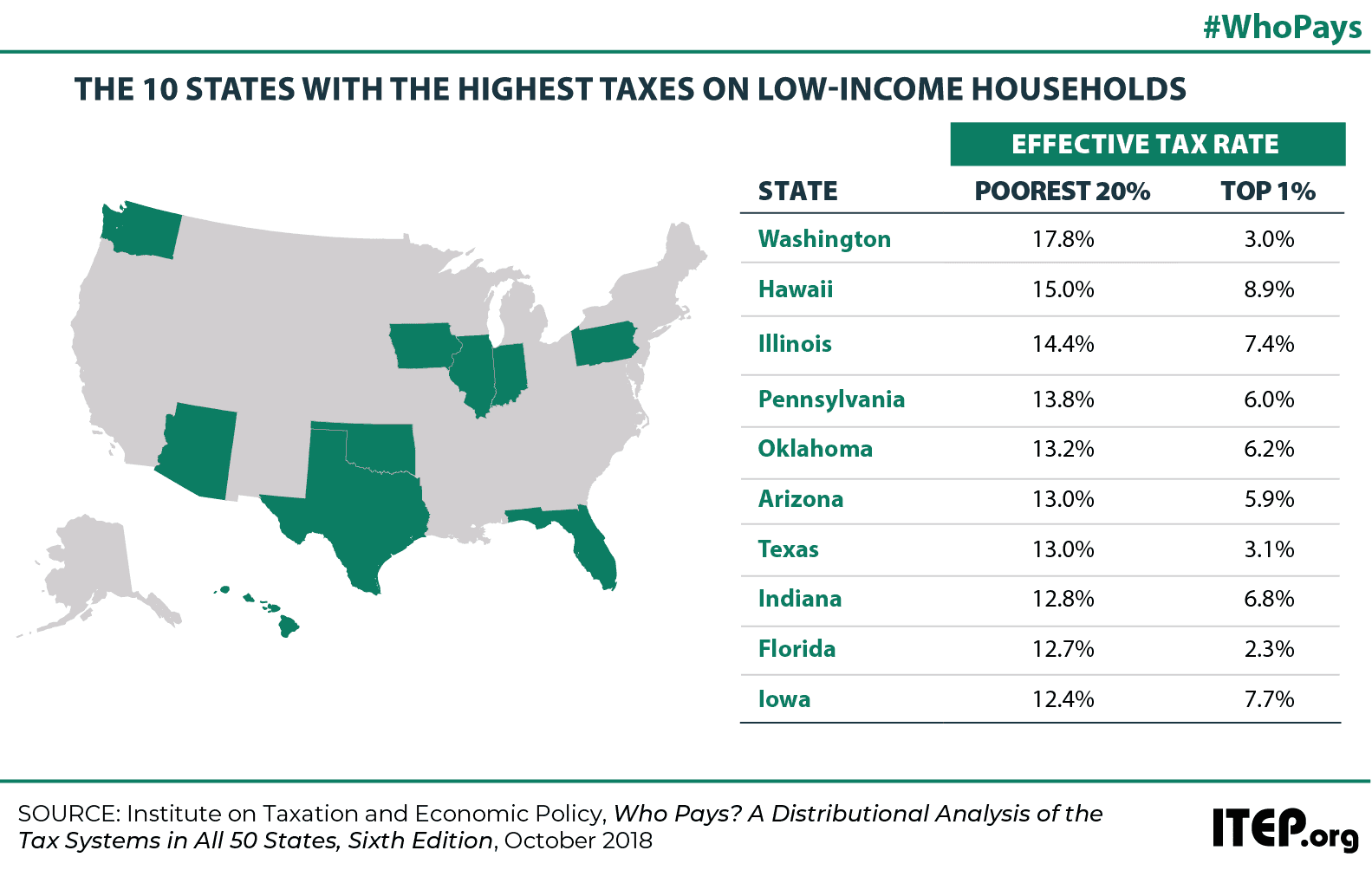
Perhaps the most significant alternative revenue source in Texas is property taxes. Unlike state income taxes, property taxes are levied at the local level and are the primary funding mechanism for local governments, including public schools, county services, and city operations. The rates can be quite high compared to other states, and they are assessed annually based on the appraised value of real estate. This means that while you don’t pay state income tax, homeowners often face substantial property tax bills.
For those considering long-term accommodation in Texas, whether buying a home or renting, property taxes are an important factor. Landlords often factor these costs into rental prices, indirectly affecting the cost of living even for non-homeowners. For the hospitality industry, particularly hotels and resorts, property taxes contribute to the overall operational costs, which can influence room rates. Therefore, while visitors don’t directly pay property taxes, they might see the indirect effect reflected in the pricing of their stays, from budget-friendly motels to luxury villas. There are, however, various exemptions available to homeowners, such as homestead exemptions, as well as additional benefits for over-65 and disabled veterans, which can help mitigate these costs for qualifying residents.
Sales Tax: A Daily Reality for Consumers and Tourists
The second-largest source of revenue for the state of Texas is sales tax. This tax is a daily reality for consumers and is especially relevant for tourists exploring the state’s attractions, dining experiences, and shopping opportunities. The statewide sales tax rate is 6.25%, but local jurisdictions, such as cities, counties, and special purpose districts, can add up to an additional 2%. This means that the total sales tax rate can reach as high as 8.25% in some areas.
This tax applies to most goods and services purchased within the state. For instance, when you’re enjoying the vibrant food scene in Austin or shopping for souvenirs at the River Walk in San Antonio, you’ll be paying sales tax on your purchases. However, there are notable exceptions designed to ease the burden on everyday necessities, such as most groceries, prescription drugs, and certain medical services. For travelers, understanding the sales tax can help in budgeting for trips, especially when planning to indulge in retail therapy or explore local culinary delights. It’s an unavoidable part of the cost of experiencing the local culture and attractions, a direct contribution to the state’s coffers.
The Texas Franchise Tax: Business and Investment Landscape
While there is no state corporate income tax in the traditional sense, Texas does impose a “franchise tax,” often referred to as a margins tax. This tax applies to most businesses operating in Texas, including corporations, limited liability companies (LLCs), and partnerships. It’s calculated based on a company’s “margin,” which is essentially its total revenue minus certain deductions, rather than its net income.
This tax is a critical component of Texas’s revenue stream and influences the business and investment landscape of the state. It’s a factor that companies consider when deciding to relocate or expand operations within Texas. For business travelers or individuals considering starting a venture in the state, understanding the franchise tax is important for financial projections and long-term planning. It ensures that businesses contribute to the state’s infrastructure and services, balancing the benefit of not having a personal income tax. The dynamic business environment, often spurred by favorable tax policies, contributes to the overall lifestyle and economic opportunities available, which can be particularly attractive for those on business stays or looking for new career opportunities.
Other Notable Taxes Supporting Public Services
Beyond property, sales, and franchise taxes, Texas also levies several other taxes to support its public services. These include:
- Gasoline Tax: A per-gallon tax on motor fuel, which primarily funds road construction and maintenance. This directly impacts travel costs, especially for those embarking on scenic road trips across the vast expanses of Texas, from the Gulf Coast to Big Bend National Park.
- Motor Vehicle Sales Tax: A tax paid when purchasing a new or used vehicle, contributing to general state revenue.
- Oil and Gas Production Taxes: Given Texas’s rich natural resources, taxes on the production of oil and natural gas generate substantial revenue for the state.
- Tobacco and Alcohol Taxes: Excise taxes levied on these products, contributing to various state programs.
- Hotel Occupancy Tax (HOT): This is particularly relevant for travelers. Local and state governments levy a tax on hotel rooms, short-term rentals, and other lodging options. These funds are often dedicated to promoting tourism and convention activities, making it a direct contribution to the industry’s growth and the development of local attractions. When you book a resort stay in Galveston or a suite in Dallas, a portion of your payment goes towards this tax, indirectly funding the very experiences you’re enjoying.
These diverse revenue streams collectively allow Texas to operate without a state income tax, illustrating a carefully balanced fiscal strategy that relies heavily on consumption, property, and business activity.
The Texas Lifestyle and Economic Allure: Beyond Income Tax
The absence of a state income tax is a significant draw, but the appeal of Texas extends far beyond this single fiscal advantage. It shapes a distinctive lifestyle and economic environment that attracts a diverse array of individuals and businesses, impacting everything from travel decisions to long-term residency.
Attracting Talent and Tourism: The Texas Advantage
Texas’s no-income-tax policy has been a powerful magnet for both talent and tourism. For professionals and entrepreneurs, the prospect of keeping a larger portion of their earnings is a strong incentive, leading to a steady influx of skilled workers and innovative businesses. This has fueled robust job growth across various sectors, from technology and healthcare in Austin to energy and logistics in Houston. The diversified economy means more opportunities for career advancement and a dynamic professional landscape, which is appealing for business stays and those looking to advance their careers.
From a tourism perspective, the state’s economic vitality translates into vibrant cities, a rich cultural tapestry, and continuous investment in attractions and infrastructure. Travelers are drawn to iconic landmarks like The Alamo in San Antonio, the historic Sixth Floor Museum in Dallas, and Space Center Houston, knowing that their direct earnings won’t be taxed at the state level while they explore. The flourishing economy also supports a booming hospitality sector, with a wide array of hotels, resorts, and accommodation options catering to every budget and travel style, from luxury retreats to family-friendly suites. This economic advantage fosters a competitive environment, potentially leading to better value for money for visitors.
Cost of Living and Financial Planning for Residents
While the lack of state income tax generally means higher take-home pay for residents, it’s crucial for individuals and families to consider the overall cost of living, which includes the impact of other taxes. High property taxes, especially in desirable urban areas and affluent suburbs, can significantly offset the income tax savings. This requires careful financial planning, particularly for those looking to purchase a home or settle down for a long-term stay. The housing market, while still more affordable than some coastal cities, has seen rapid appreciation in metropolitan areas like Austin and Dallas, impacting budget travel decisions for extended stays.
However, for many, the trade-off is still favorable. The absence of state income tax often contributes to a lower overall tax burden compared to states like California or New York. This can lead to greater flexibility in personal finances, allowing residents to allocate more funds towards savings, investments, or discretionary spending, such as exploring Texas’s diverse travel destinations or indulging in its rich culinary scene. For those contemplating retirement, the no-income-tax status can be particularly appealing, as it means their pensions and retirement account distributions are not subject to state income taxation.
The Visitor’s Perspective: What Travelers Need to Know
For tourists, the absence of a state income tax might not be immediately apparent in their daily transactions, as they are likely more focused on the sales tax and hotel occupancy tax. However, the underlying economic vibrancy driven by this policy indirectly enhances the travel experience. It supports a robust tourism infrastructure, with competitive hotel markets, diverse dining options, and a multitude of attractions from the ranches of Fort Worth to the beaches of Padre Island National Seashore.
Travelers should primarily be aware of the sales tax on goods and services, and the hotel occupancy tax on their accommodation. These are straightforward taxes that are added at the point of sale. Understanding these can help in creating an accurate budget for a trip, whether it’s a luxury escape to the Hill Country or a budget-friendly family vacation to a Galveston resort. The overall impact on a traveler’s budget from Texas’s tax system is generally positive, especially when compared to destinations in states with high income taxes that might translate into higher costs for services and goods.
Navigating the Texas Financial Landscape: Tips for Prospective Residents and Travelers
Understanding the unique tax structure of Texas is key to making informed financial decisions, whether you’re planning a vacation, a business trip, or a permanent move. The nuances of the system can offer significant advantages if navigated wisely.
Property Tax Management and Exemptions: Making Informed Choices
For anyone considering purchasing property or residing long-term in Texas, mastering property tax management is paramount. While the rates can be high, several exemptions can significantly reduce the taxable value of a property. The most common is the homestead exemption, which applies to a homeowner’s primary residence. This exemption reduces the assessed value of the home, thereby lowering the tax bill. Additional exemptions are available for homeowners who are over 65 years old or those with disabilities, further easing the financial burden.
Prospective residents should research property tax rates in different cities and counties, as these can vary widely. Consulting with a local real estate agent or a tax advisor can provide invaluable insights into specific areas and available exemptions. For individuals exploring long-term accommodation options, like renting an apartment or a villa, understanding how property taxes influence rental prices can help in comparing different neighborhoods and making budget-conscious choices. This proactive approach to understanding property taxes is essential for sound financial planning in the state.
Understanding Sales Tax for Enhanced Travel Experiences
For travelers, the sales tax is the most common direct tax they will encounter. While groceries and prescription medications are exempt, most other purchases, from meals at renowned Austin eateries to souvenirs from a Dallas boutique, will include this tax. Being aware of the combined state and local sales tax rate, which can be up to 8.25%, allows for more accurate budgeting for daily expenses during a trip.
This knowledge can also influence purchasing decisions. For example, if you’re planning a major shopping spree, knowing the specific sales tax rate in a particular city might marginally influence where you choose to shop. However, the overarching benefit of no state income tax often outweighs these minor considerations for most tourists. Instead, focus on enjoying the diverse attractions, rich local culture, and incredible food scene that Texas offers, secure in the knowledge that your travel experiences are not burdened by an income tax on your earnings.
A Comparative Glance: Texas vs. Other States
When evaluating Texas’s financial landscape, it’s beneficial to compare it to other states. Texas is one of nine states that do not impose a state income tax, alongside Alaska, Florida, Nevada, South Dakota, Tennessee, Washington, and Wyoming, and New Hampshire (which taxes only interest and dividends). This group of states is often attractive to retirees, high-income earners, and businesses seeking to minimize their tax burden.
However, each of these states compensates for the lack of income tax in different ways, often through higher property taxes, sales taxes, or other excise taxes. For instance, while Florida also has no state income tax, its property tax structure and sales tax applications differ from Texas. Therefore, a holistic comparison of the overall tax burden, including property, sales, and other local taxes, is essential for a comprehensive understanding. For individuals contemplating relocation or an extended stay in Texas, this comparative analysis is crucial for determining the true financial impact and understanding how it aligns with their personal lifestyle and financial goals. The state’s appeal remains strong, often cited as a top choice for those seeking economic freedom and a dynamic environment.
In conclusion, Texas definitively does not have a state income tax, a feature deeply ingrained in its history and constitution. This absence profoundly shapes its economic landscape, attracting businesses and individuals alike. While residents and visitors are spared from income tax, the state relies on a robust system of property, sales, and business taxes, alongside other specific levies, to fund its growth and services. Understanding this unique balance is key to appreciating the Lone Star State’s vibrant lifestyle and navigating its financial environment, whether you’re planning a memorable trip or considering making Texas your new home.