
Navigating the vast and diverse landscapes of Texas is an adventure in itself. From the vibrant urban hubs of Houston and Dallas to the natural wonders of the Big Bend National Park and the historic charm of San Antonio, a road trip through the Lone Star State offers unparalleled experiences. As you plan your travel itinerary, whether it involves securing the perfect hotel suite or immersing yourself in the local tourism scene, understanding local regulations is paramount to a smooth journey. One common question that arises for visitors driving their own vehicles or renting one within Texas is about the necessity of car inspections. This guide aims to provide a comprehensive overview of Texas vehicle inspection requirements, ensuring your drive across this expansive state is both enjoyable and compliant.
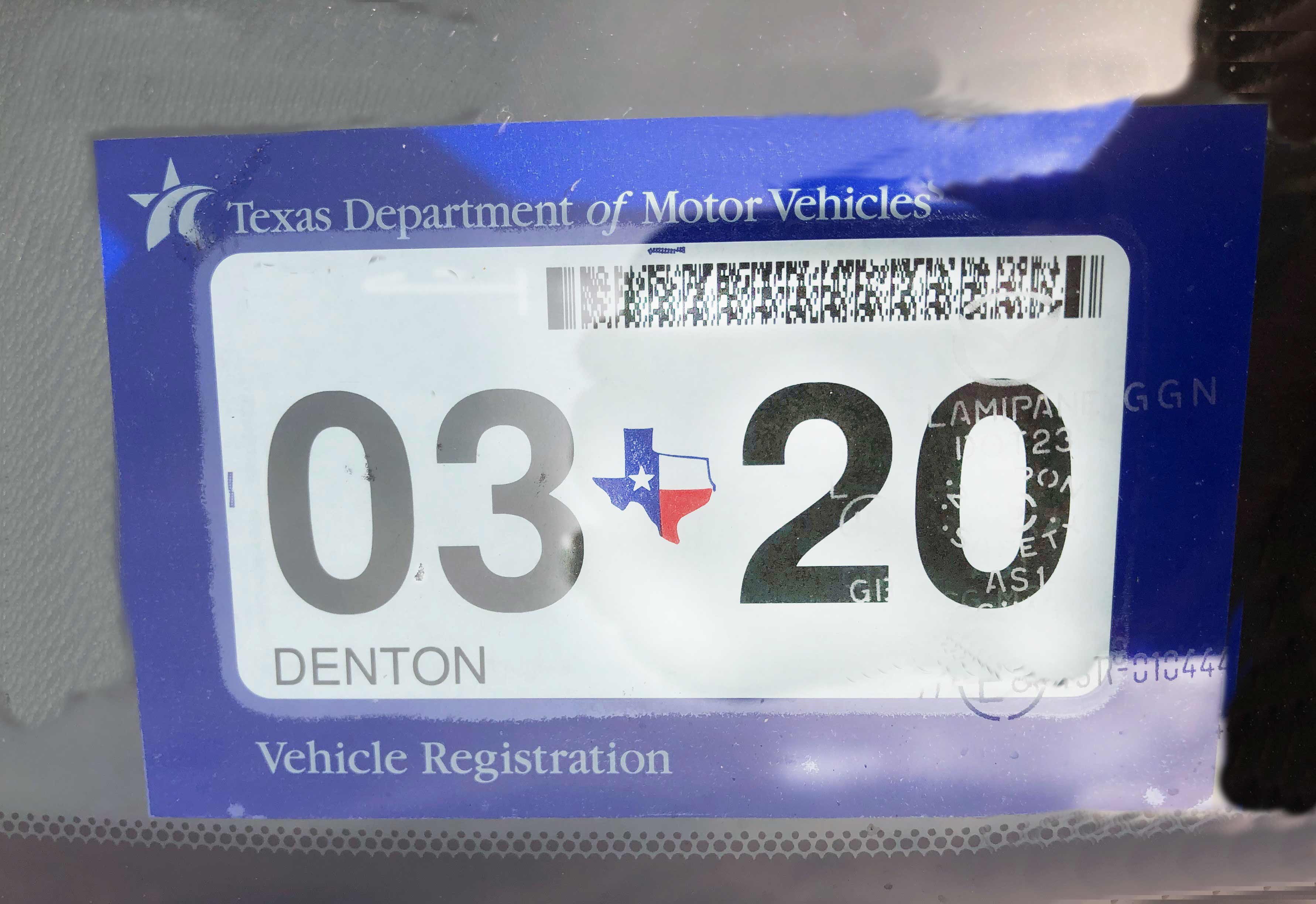
The question of whether Texas requires car inspections is a pertinent one for anyone planning to traverse its highways and byways. While many states mandate annual safety or emissions inspections, Texas has a unique approach that has evolved over time. Understanding these regulations is crucial for both residents and visitors who intend to operate a vehicle within the state’s borders, contributing to a safer driving environment for everyone and avoiding potential hassles during your travels.
The Evolution of Vehicle Inspections in Texas
For many years, Texas operated under a mandatory two-step inspection program. This system required drivers to obtain both a safety inspection and, in some counties, an emissions inspection. The safety inspection was designed to ensure that critical components of a vehicle, such as brakes, lights, tires, and steering, were in good working order. The emissions inspection, on the other hand, focused on ensuring that a vehicle’s exhaust system met state and federal environmental standards, aimed at reducing air pollution.
The safety inspection component was a cornerstone of vehicle regulation in Texas for decades. It was managed through a network of licensed inspection stations across the state, ensuring that a wide range of vehicles, from compact cars to large trucks, met baseline safety standards. The aim was to reduce the number of accidents caused by mechanical failures and to promote a general sense of road safety.
Similarly, the emissions inspection program was implemented in the most populous and urbanized areas of Texas, where vehicle density and the potential for air quality degradation were highest. This included major metropolitan areas like Houston, Dallas-Fort Worth, San Antonio, and Austin. The program was designed to comply with federal clean air mandates and to improve the air quality for millions of Texans. Drivers in these designated counties would typically receive a sticker for their windshield indicating successful completion of both inspections.
However, the landscape of vehicle inspections in Texas underwent a significant change. Effective January 1, 2025, the state will eliminate the mandatory annual vehicle safety inspection requirement. This decision, signed into law in 2023, marks a substantial shift in how vehicle maintenance is regulated.
The Shift Away from Mandatory Safety Inspections
The repeal of the mandatory annual vehicle safety inspection in Texas is a notable development for drivers and for the state’s economy. Proponents of the change argued that the inspection program had become an unnecessary financial burden on vehicle owners, particularly those with newer vehicles that are less likely to have safety issues. The cost of the inspection, which varied but typically ranged from $15 to $30, coupled with the time required to get the inspection done, was seen by many as an outdated mandate.
This legislative change means that starting in 2025, Texans will no longer be required to have their vehicles pass a state-mandated safety inspection to renew their vehicle registration. This aligns Texas with a growing number of states that have moved away from similar requirements. The hope is that this deregulation will provide economic relief to citizens and potentially stimulate consumer spending in other areas, perhaps even encouraging more spontaneous travel across the state.
The impact of this change is expected to be felt by consumers, inspection stations, and the automotive industry. While the immediate benefit for individuals is clear – saving money and time – concerns have been raised about the potential for a decrease in vehicle maintenance. However, the law does not absolve drivers of their responsibility to maintain their vehicles in safe operating condition. Law enforcement can still cite drivers for equipment violations, such as non-functioning headlights, taillights, or brake lights, or for other safety issues, regardless of whether a state inspection is required.
Emissions Testing: A Continued Requirement in Certain Areas
Despite the elimination of the mandatory safety inspection, the emissions testing program in Texas remains in place for certain areas. This means that drivers in specific counties will still need to ensure their vehicles meet emissions standards as part of their annual vehicle registration process. The continuation of emissions testing underscores the state’s ongoing commitment to air quality improvement, particularly in its most populated regions where vehicle emissions contribute significantly to air pollution.
The counties that continue to require emissions testing are primarily those that are part of the Texas Emissions Reduction Plan (TERP) or are designated as non-attainment areas for air quality standards under federal law. These typically include the major metropolitan areas and their surrounding counties, such as the greater Houston, Dallas-Fort Worth, and San Antonio areas. When renewing your vehicle registration, you will be notified if an emissions test is required for your vehicle based on its model year and the county in which it is registered.
The emissions testing process involves checking various components of a vehicle’s exhaust system, including the catalytic converter, oxygen sensors, and the engine control unit (ECU). Vehicles that fail the emissions test may require repairs to their emission control systems before they can be registered. This ensures that vehicles operating in these sensitive air quality zones are contributing as little as possible to air pollution. For travelers who might be driving a vehicle registered in a non-attainment county, or who may be driving into such an area, it is essential to be aware of this continuing requirement.
What This Means for Travelers and Their Vehicles
For travelers planning a trip to Texas, the change in inspection laws has several implications, depending on where you’re coming from and the vehicle you’re driving.

For Visitors Driving Out-of-State Registered Vehicles
If you are visiting Texas in a vehicle registered in another state, the elimination of the mandatory safety inspection in Texas has minimal direct impact on your immediate travel plans. Your vehicle is subject to the inspection laws of the state where it is registered. Most states have their own safety and/or emissions inspection requirements that you would have already complied with to maintain your registration.
However, it is still your responsibility as a driver to ensure your vehicle is in safe operating condition, regardless of state inspection mandates. This includes ensuring your headlights, brake lights, tires, and other essential safety features are functional. Law enforcement officers in Texas can still issue citations for unsafe vehicles, even if they are registered elsewhere. Therefore, even with the relaxed state-specific requirements, a pre-trip vehicle check is always a prudent measure before embarking on any significant journey, especially a road trip through a vast state like Texas.
For Visitors Renting Vehicles in Texas
When you rent a car in Texas, the rental company is responsible for ensuring that the vehicles they provide are properly maintained and comply with all applicable state laws. This means that any vehicle you rent from a reputable agency will have passed any necessary inspections at the time of registration. You generally do not need to worry about the inspection status of a rental car. The rental agreement will outline your responsibilities, but typically, concerns about safety or emissions inspections are handled by the rental agency.
However, it’s always a good practice to do a quick visual inspection of any rental vehicle before you drive off the lot. Check for obvious issues like low tire pressure, cracked windshields, or malfunctioning lights. If you notice anything concerning, report it to the rental agency immediately. This ensures you have a safe vehicle and protects you from potential liability.
For Texas Residents and New Residents
For Texas residents, the elimination of the safety inspection simplifies the annual vehicle registration process and saves money. However, the responsibility for maintaining a safe vehicle now rests solely on the owner. It is highly recommended that drivers continue to perform regular self-inspections of their vehicles or have them checked by a mechanic periodically. This proactive approach to vehicle maintenance can prevent unexpected breakdowns, costly repairs, and, most importantly, accidents.
For individuals moving to Texas and needing to register their vehicle, the process has also changed. New residents are required to obtain a Texas driver’s license and register their out-of-state vehicle within 30 days of establishing residency. As of January 1, 2025, the safety inspection will no longer be a requirement for registration. However, if the vehicle is registered in a county that requires emissions testing, that test will still be a prerequisite for registration. It is advisable to check with the Texas Department of Motor Vehicles (DMV) for the most up-to-date information regarding registration requirements and any specific nuances for your county of residence.
Maintaining Vehicle Safety: Beyond Inspections
While mandatory inspections are a key component of vehicle regulation, the ultimate goal is to ensure that all vehicles on the road are safe. The legislative changes in Texas do not absolve drivers of this fundamental responsibility. Whether you’re planning a luxury travel excursion in a high-end resort town or a budget-friendly family trip across the state, a well-maintained vehicle is essential for a safe and enjoyable experience.
Proactive Vehicle Maintenance for Travelers
Before embarking on any significant road trip, whether it’s exploring the historic Alamo in San Antonio or venturing into the vast expanse of the Guadalupe Mountains National Park, it’s wise to perform a thorough check of your vehicle. This includes:
- Tires: Check tire pressure, tread depth, and look for any signs of wear or damage. Properly inflated tires improve fuel efficiency and handling.
- Brakes: Listen for any unusual noises when braking and check the brake fluid level.
- Lights: Ensure all headlights, taillights, brake lights, and turn signals are working correctly.
- Fluid Levels: Check engine oil, coolant, power steering fluid, and windshield wiper fluid.
- Wipers and Windshield: Ensure wiper blades are in good condition and the windshield is clean and free of cracks.
- Battery: Check for corrosion on the battery terminals.
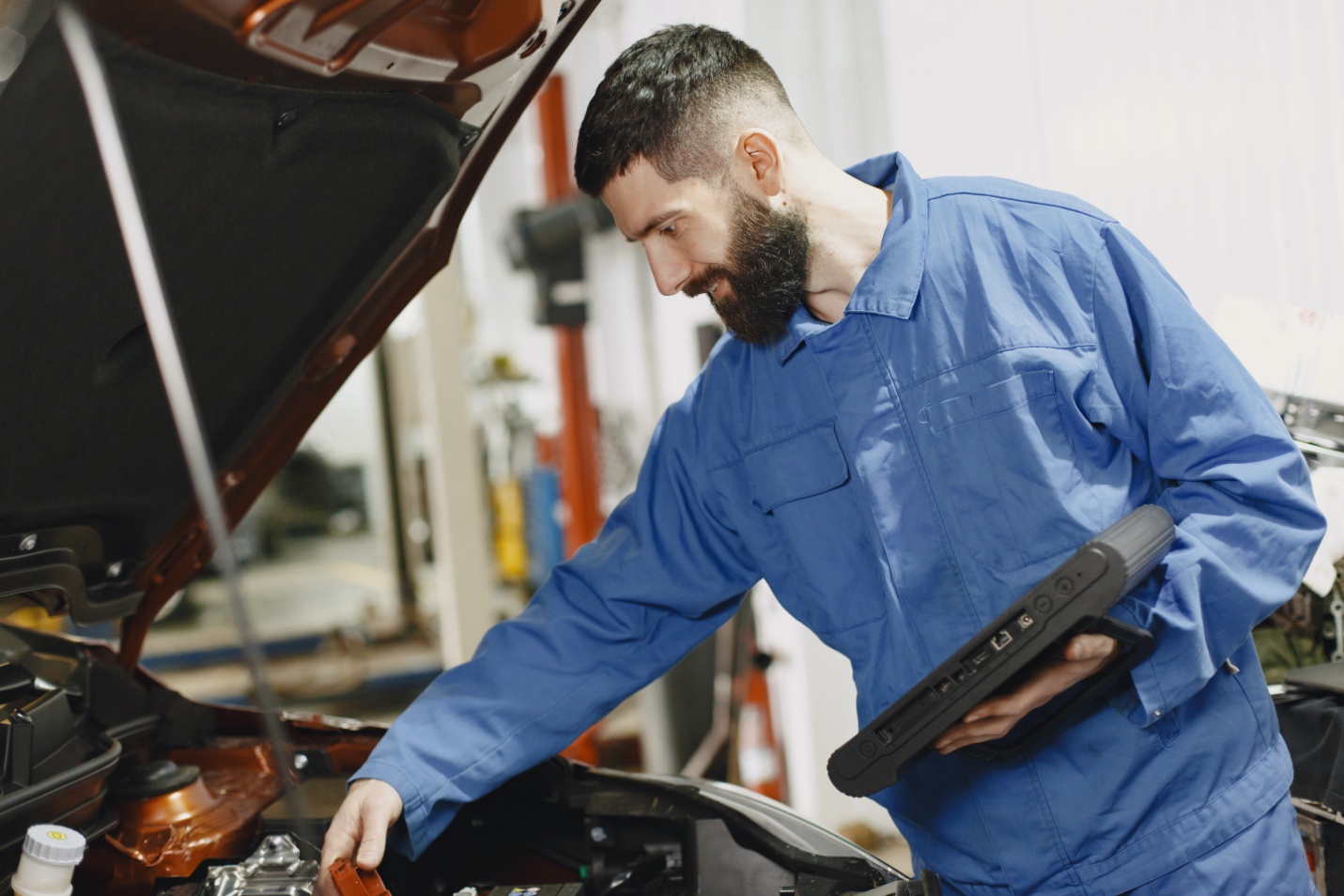
Even with the elimination of mandatory safety inspections, adhering to a regular maintenance schedule is the best way to ensure your vehicle is roadworthy. Consider visiting a trusted mechanic for a pre-trip inspection, especially if you plan to cover long distances or drive in challenging conditions. This proactive approach can prevent unexpected issues and ensure your journey through Texas, whether it’s to visit a charming bed and breakfast in the Hill Country or to explore the vibrant arts scene in Austin, is as seamless and safe as possible.
Understanding Texas Traffic Laws
Beyond vehicle condition, understanding Texas traffic laws is crucial for safe driving. Speed limits vary, and Texas has some of the longest stretches of highway where drivers can maintain higher speeds. However, it’s important to be aware of posted limits and to drive defensively. Be mindful of Texas’s “move over or slow down” law, which requires drivers to move over one lane or slow down significantly when passing a stationary emergency vehicle, tow truck, or utility vehicle with flashing lights.
Familiarize yourself with local driving customs, especially in busy urban areas. Pay attention to signage, and be aware of potential hazards like wildlife on rural roads. By combining a well-maintained vehicle with a good understanding of Texas driving laws and practices, you can confidently explore all that the state has to offer, from its stunning natural landscapes and rich historical sites to its bustling cities and unique lifestyle opportunities. Whether you’re staying at the luxurious La Cantera Resort & Spa or exploring the diverse accommodations available, ensuring your vehicle is safe and your driving is responsible will significantly enhance your travel experience.
LifeOutOfTheBox is a participant in the Amazon Services LLC Associates Program, an affiliate advertising program designed to provide a means for sites to earn advertising fees by advertising and linking to Amazon.com. Amazon, the Amazon logo, AmazonSupply, and the AmazonSupply logo are trademarks of Amazon.com, Inc. or its affiliates. As an Amazon Associate we earn affiliate commissions from qualifying purchases.