
Texas, the second-largest state in the United States by both area and population, is a land of immense diversity, stretching from the pine forests of East Texas to the desert landscapes of Big Bend National Park, and from the vibrant urban centers of Dallas and Houston to the cultural richness of San Antonio and the live music capital of Austin. For anyone considering a road trip, relocating for a long-term stay, or simply navigating daily life within its expansive borders, understanding the state’s vehicle regulations is paramount. Among the most frequently asked questions, particularly for those new to the state or planning extensive travel, is: “Does Texas still require vehicle inspections?” The answer, as with many governmental regulations, is nuanced and, significantly, undergoing a major transformation.
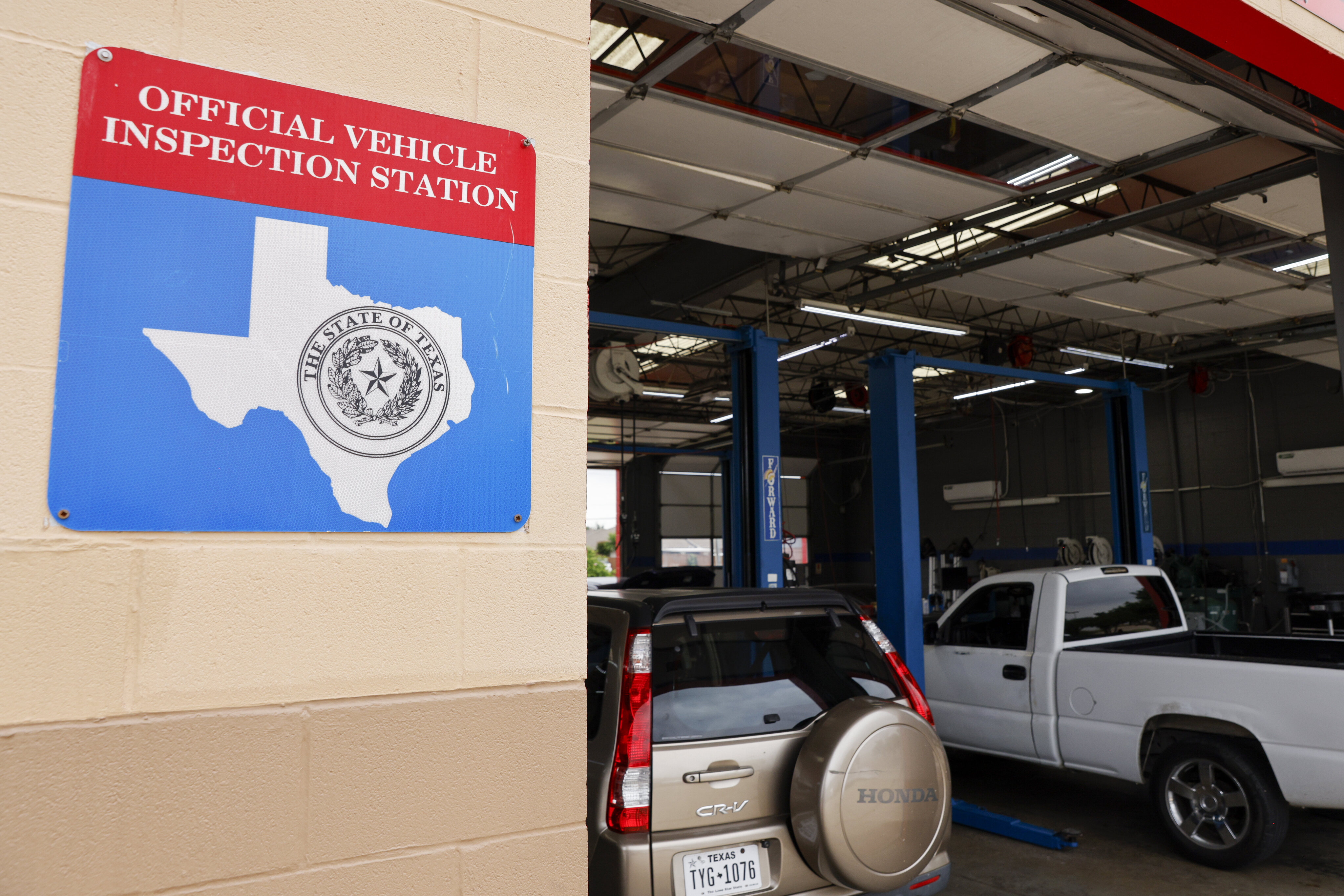
This comprehensive guide aims to demystify the current inspection requirements, shed light on the impending changes, and provide practical advice for both residents and visitors. Whether you’re planning an adventurous Texas escape, managing a vehicle for a business stay, or evaluating the lifestyle costs of car ownership in the Lone Star State, understanding these rules is key to a smooth and compliant journey.
The Current Landscape: Navigating Texas Vehicle Inspection Requirements (Pre-2025)
As of late 2024, Texas maintains a mandatory annual vehicle inspection program. This program is designed to ensure that vehicles operating on state roads meet minimum safety and, in certain areas, environmental standards. The successful completion of this inspection is a prerequisite for renewing your vehicle’s registration, creating a seamless, interconnected system that prioritizes road safety and air quality.
The Dual Inspection System: Safety and Emissions
The Texas vehicle inspection system has traditionally comprised two main components: a safety inspection and, in specific geographic regions, an emissions inspection.
-
Safety Inspection: This check is universal across the state for most vehicle types. Its primary purpose is to verify that a vehicle’s critical components are in proper working order, thereby reducing the risk of accidents caused by mechanical failure. Inspectors will typically examine a range of items, including:
- Brakes: Ensuring adequate stopping power and even wear.
- Lights: Checking headlights (high and low beam), tail lights, brake lights, turn signals, and license plate lights for proper function and alignment.
- Tires: Assessing tread depth, overall condition, and ensuring no major damage or excessive wear.
- Steering and Suspension: Looking for excessive play or damage that could compromise control.
- Windshield Wipers: Verifying they effectively clear the windshield.
- Horn: Ensuring it functions for signaling.
- Mirrors: Checking for an unobstructed view and secure mounting.
- Seat Belts: Confirming they are present and operational for all occupants.
- Window Tint: Measuring tint levels to ensure compliance with visibility regulations.
- Exhaust System: Checking for leaks or excessive noise.
Failure to pass any of these safety checks requires the owner to make the necessary repairs and have the vehicle re-inspected within a specified timeframe.
-
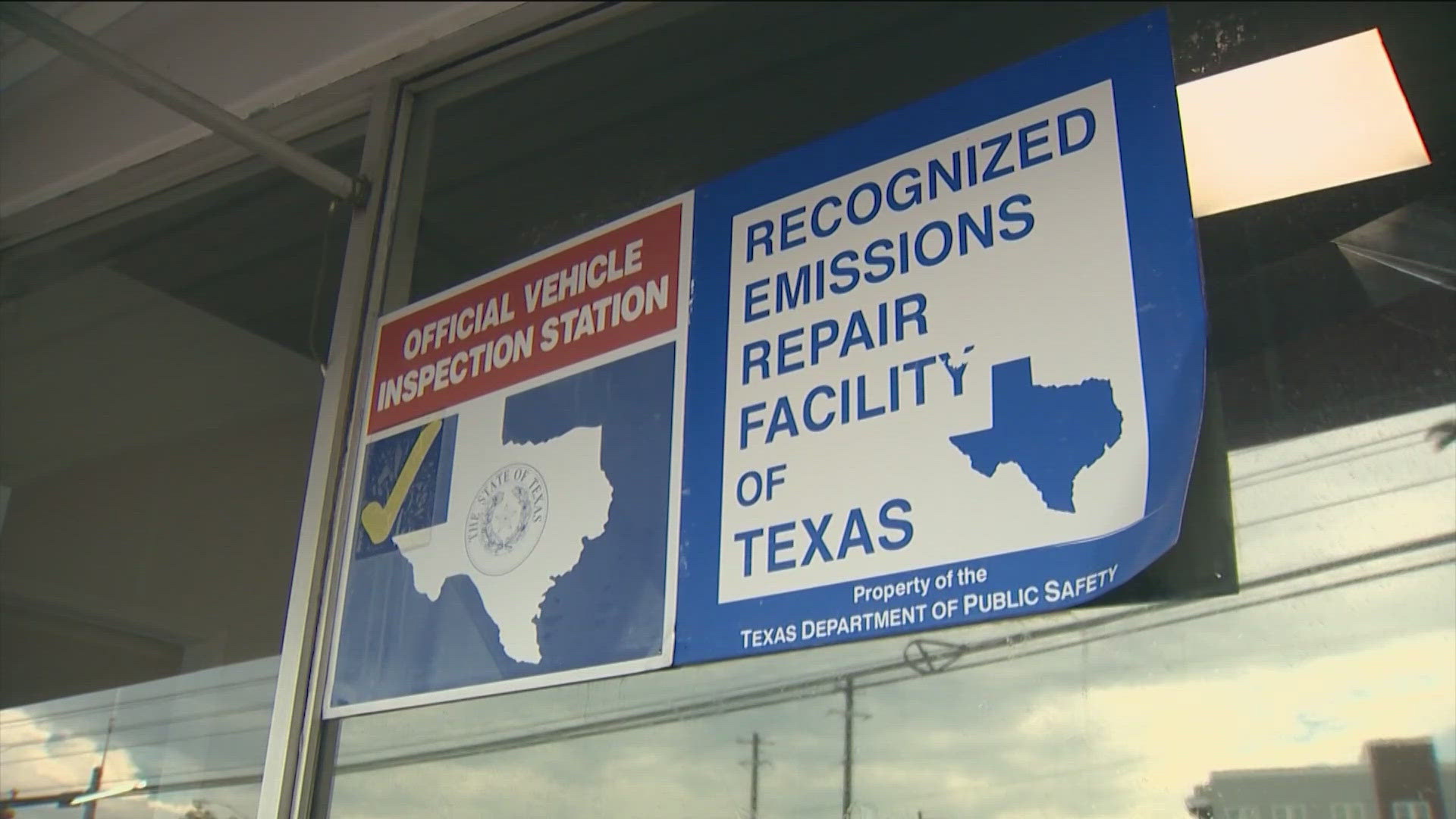
Emissions Inspection: This component focuses on a vehicle’s exhaust system and its impact on air quality. It is not required statewide but is mandated in specific counties that are classified as “non-attainment areas” by the Environmental Protection Agency (EPA) due to elevated ozone levels. These are predominantly the major metropolitan areas and their surrounding counties, including:
- Houston-Galveston-Brazoria (HGB) area: This includes Harris, Brazoria, Fort Bend, Galveston, Montgomery, Waller, and Chambers counties.
- Dallas-Fort Worth (DFW) area: Encompassing Dallas, Tarrant, Collin, Denton, Ellis, Johnson, Kaufman, Parker, and Rockwall counties.
- Austin area: Specifically Travis and Williamson counties.
- San Antonio area: Specifically Bexar County.
- El Paso area: El Paso County.
During an emissions inspection, specialized equipment measures the levels of pollutants in a vehicle’s exhaust. For most modern vehicles (1996 model year and newer), this involves an On-Board Diagnostics (OBD) II system check, which reads data from the vehicle’s computer. Older vehicles (1975-1995 model years) might undergo a two-speed idle test or a visual inspection of emissions components. Just like safety inspections, failing an emissions test requires repairs to bring the vehicle into compliance.
Who Needs an Inspection? Exemptions and Special Cases
While the annual inspection requirement is broad, certain vehicles and situations offer exemptions or have unique requirements:
- New Vehicles: Brand-new vehicles typically receive an initial two-year inspection exemption upon purchase. After this period, they fall under the annual inspection mandate.
- Antique Vehicles: Vehicles manufactured in or before 1975 that are considered collector’s items and are not regularly driven are often exempt from standard inspections, though they may need a specific antique vehicle designation.
- Trailers and Motorcycles: While motorcycles require safety inspections, utility trailers, travel trailers, and certain farm vehicles are typically exempt.
- Out-of-State Visitors: If your vehicle is registered in another state and you are merely visiting Texas for tourism, business, or a temporary stay, you are not subject to Texas’s inspection requirements. Your vehicle must comply with the regulations of its home state.
- Relocating to Texas: For individuals moving to Texas, an initial Texas vehicle inspection is required before you can register your vehicle in the state. This ensures that even newly imported vehicles meet Texas standards.
A Glimpse into the Future: Major Changes Coming in 2025
The question “Does Texas still require vehicle inspections?” will have a significantly different answer starting in the new year. In 2023, the Texas Legislature passed House Bill 3297, a landmark piece of legislation that fundamentally alters the state’s vehicle inspection program.
The End of Safety Inspections: What It Means for Drivers
Effective January 1, 2025, the mandatory annual safety inspection for most passenger vehicles, light trucks, and motorcycles will be eliminated. This change represents a significant shift in Texas automotive policy, aimed at streamlining the vehicle registration process and potentially saving drivers time and money.
The rationale behind this legislative move included arguments about the effectiveness of safety inspections versus their administrative burden and cost to vehicle owners. Proponents of the bill suggested that many safety-related issues are often addressed by vehicle owners as part of routine maintenance or repair after a breakdown, rather than being solely identified by an annual inspection. Furthermore, the state relies on law enforcement to enforce existing traffic laws that cover many of the safety features checked during an inspection (e.g., inoperable lights, bald tires).

What does this mean for you?
- No More Safety Inspection Sticker: Your vehicle will no longer need to pass a safety inspection to be registered.
- Simplified Registration: The annual registration renewal process will likely become quicker, as the inspection step will be removed for many.
- Cost Savings: Drivers will save the typical ~$7.00 for the safety inspection fee. However, a new fee of $7.50 will be added to the annual vehicle registration fee to offset lost revenue for the state.
- Continued Responsibility: While no longer mandated, vehicle owners remain responsible for maintaining their vehicles in safe operating condition. Driving a vehicle with faulty brakes, non-functioning lights, or severely worn tires can still result in traffic citations and endanger others.
Emissions Testing Remains Crucial in Designated Counties
It is absolutely vital to understand that while safety inspections are being phased out, emissions testing is NOT going away in the counties where it is currently required. The same specific urban and metropolitan counties that currently mandate emissions inspections will continue to do so after January 1, 2025.
The preservation of emissions testing underscores the state’s ongoing commitment to improving air quality, particularly in densely populated areas that struggle with smog and related health issues. These tests play a critical role in identifying vehicles that emit excessive pollutants, thereby helping to mitigate environmental impact and protect public health.
What does this mean for you in emissions counties?
- Emissions Test Still Required: If your vehicle is registered in one of the designated emissions counties (e.g., Harris, Dallas, Travis, Bexar), you will still need to pass an annual emissions inspection before renewing your vehicle’s registration.
- Combined Process (for now): For the remainder of 2024, if you are in an emissions county, you still need both the safety and emissions inspection. After January 1, 2025, it will only be the emissions test.
- Focus on Environmental Compliance: Vehicle maintenance related to emissions control systems (e.g., check engine light issues) will remain a critical aspect of vehicle ownership in these areas.
Practical Implications for Texas Travelers and Residents
These changes, both current and future, have significant practical implications for anyone interacting with Texas roads, from long-term residents to short-term tourists exploring its diverse attractions.
Planning Your Texas Road Trip: What Tourists Should Know
Texas is an ideal state for road trips, offering everything from the scenic Hill Country wineries to the historic missions of San Antonio and the space exploration wonders of the NASA Johnson Space Center in Houston.
- Rental Cars: If you’re renting a car within Texas, the rental company is responsible for ensuring the vehicle is compliant with all state regulations. You generally don’t need to worry about the inspection status yourself.
- Out-of-State Plates: As mentioned, if you’re driving your personal vehicle with out-of-state plates, Texas inspection requirements do not apply to you. However, ensuring your vehicle is safe and legal in your home state is always important for a hassle-free trip.
- Buying a Used Car in Texas: If your travel plans involve purchasing a used vehicle in Texas with the intention of registering it in the state, be aware of the inspection requirements. Until January 1, 2025, the vehicle will need both a safety and (if applicable) emissions inspection. After that date, only the emissions inspection will be required in designated counties. This is a crucial step before you can complete the vehicle’s title and registration transfer.
- Reliability for Exploration: Regardless of inspection mandates, a reliable vehicle is paramount for exploring Texas’s vastness. Breakdown assistance and proper vehicle maintenance should always be part of your travel budget and preparation. From navigating the bustling streets of Dallas to venturing into the rugged beauty of the Panhandle, a well-maintained car ensures your travel experiences remain positive.
Owning a Vehicle in Texas: Budgeting and Compliance
For Texas residents, or those planning a long-term stay, vehicle ownership involves ongoing responsibilities beyond the initial purchase.
- Annual Costs: While the safety inspection fee is being removed, the new $7.50 fee added to registration means there’s a slight increase in the overall annual registration cost. For those in emissions counties, the emissions test fee (typically around $11.50-$18.50) will remain an annual expense. These, along with your registration fee and insurance, are critical components of your annual vehicle budget.
- Long-term Stay Considerations: If you’re staying in Texas for an extended period, especially for work or study, and bringing your own vehicle, you’ll eventually need to register it in Texas. This will trigger the need for an initial Texas inspection (safety + emissions until 2025, then emissions only in applicable counties).
- Proactive Maintenance for Safety: The removal of mandatory safety inspections places a greater emphasis on individual responsibility for vehicle safety. It becomes even more critical for owners to regularly check their brakes, tires, lights, and other components, or to have a trusted mechanic perform routine maintenance. This proactive approach helps prevent costly repairs, ensures peace of mind, and, most importantly, keeps roads safer for everyone.
Beyond Inspections: Other Key Automotive Regulations in Texas
Vehicle inspections are just one piece of the regulatory puzzle in Texas. To ensure full compliance and a smooth driving experience, residents and long-term visitors should also be aware of:
- Vehicle Registration: This remains an annual requirement for all vehicles. It’s tied to your vehicle’s license plates and ensures your vehicle is legally allowed to operate on public roads. After 2024, the vehicle registration sticker will be the sole indicator of compliance (aside from proof of insurance).
- Proof of Financial Responsibility (Insurance): Texas law mandates that all drivers carry minimum liability insurance. Failure to do so can result in significant fines, vehicle impoundment, and suspension of your driver’s license.
- Driver’s License Requirements: Ensure your driver’s license is current and valid, whether it’s a Texas license or a valid out-of-state or international license (for temporary visitors).
- License Plates: Texas requires two license plates (front and rear) on most vehicles. It’s crucial they are properly displayed and visible.
Conclusion
The question “Does Texas still require vehicle inspections?” has a rapidly evolving answer. For now, yes, both safety and (in some counties) emissions inspections are mandatory. However, as of January 1, 2025, the landscape shifts dramatically, with the elimination of annual safety inspections statewide for most vehicles. Emissions testing, crucial for air quality in major urban centers like Houston, Dallas, and Austin, will continue to be a requirement in those designated counties.
This change highlights a growing trend towards streamlining state regulations while maintaining essential environmental safeguards. For residents, it means a slightly different annual vehicle registration process and a heightened personal responsibility for vehicle safety. For travelers and tourists exploring the vast beauty from the Gulf Coast to the borders of Mexico, Oklahoma, Louisiana, Arkansas, and New Mexico, understanding these rules ensures your journey through the Lone Star State is not just memorable, but also fully compliant and safe. Staying informed about these regulations is key to enjoying all that Texas has to offer, whether you’re traversing its iconic highways or settling in for a long-term stay.
LifeOutOfTheBox is a participant in the Amazon Services LLC Associates Program, an affiliate advertising program designed to provide a means for sites to earn advertising fees by advertising and linking to Amazon.com. Amazon, the Amazon logo, AmazonSupply, and the AmazonSupply logo are trademarks of Amazon.com, Inc. or its affiliates. As an Amazon Associate we earn affiliate commissions from qualifying purchases.