
Mountain trekking is an exhilarating blend of physical challenge and natural immersion. However, the mountain environment is inherently unpredictable, demanding respect and thorough preparation. Unlike a casual day hike, a multi-day trek requires a specialized gear list that prioritizes safety, resilience, and comfort in diverse and often harsh conditions.
Carrying the right equipment is not just about convenience; it’s a matter of survival. This guide breaks down the essential gear needed for serious mountain trekking, focusing on the core systems that keep you safe, warm, and mobile above the tree line.
The Big Four: Foundation Gear
The most significant portion of your pack’s weight and budget will be consumed by the “Big Four” items. Investing wisely here is non-negotiable for safety and comfort.
The Trekking Backpack
Your pack is the vessel for all your essential gear, making fit and capacity paramount. For multi-day mountain trekking (typically 3 to 7 days), a capacity between 50 liters and 65 liters (L) is generally recommended.
The pack must be an actual trekking or backpacking model, not a simple travel backpack. Key features include:
- Adjustable Suspension System: The ability to adjust the torso length is crucial to ensure the padded hip belt transfers 70-80% of the weight onto your hips, preventing shoulder fatigue.
- Internal Frame: A lightweight aluminum or composite frame is necessary to stabilize the load and maintain the pack’s structure, especially on uneven terrain.
- Ventilation: Look for a tensioned mesh back panel or ventilation channels to allow air circulation, minimizing sweat buildup on your back.
- External Attachment Points: Compression straps, gear loops, and ice ax loops are necessary for carrying bulky items like sleeping mats, trekking poles, or mountaineering tools.
Shelter: Tent or Tarp
Choosing your shelter depends on the duration, climate, and number of people traveling. For solo or duo trekking above the tree line, weight and wind resistance are key.
- Four-Season Tent: Highly recommended for high-altitude trekking where snow, high winds, or severe cold are possible. These tents feature sturdier poles, more robust fabrics, and a design that sheds snow and withstands extreme gusts.
- Three-Season Tent: Suitable for warmer, lower-altitude treks, prioritizing ventilation and weight savings.
- Weight Consideration: Target a tent that weighs no more than 1.5 kg (3.3 lbs) per person. For a truly minimalist approach, consult a lightweight backpacking gear list which may recommend a lightweight tarp and bivy system.
Sleeping System: Bag and Pad
The mountain environment often experiences dramatic temperature drops after sunset. Your sleeping system must be rated for the lowest expected night temperature, plus a buffer.
Sleeping Bag
- Temperature Rating: Look for bags rated by the EN (European Norm) or ISO standard, which provides reliable temperature metrics (Comfort, Limit, Extreme). Always choose a bag where the Comfort Rating is at or below the coldest temperature you expect.
- Fill Type:
- Down: Superior warmth-to-weight ratio and highly compressible. Ideal for dry climates but loses insulating power when wet.
- Synthetic: Cheaper, retains warmth when wet, but heavier and bulkier.
- Shape: Mummy-style bags offer the most thermal efficiency by minimizing internal air space.
Sleeping Pad
A sleeping pad provides crucial insulation from the cold ground, not just cushioning. Its effectiveness is measured by its R-value.
- R-Value: For three-season mountain use, aim for an R-value of 3.5 or higher. For winter or extreme cold, an R-value of 5.0+ is necessary, often achieved by stacking two pads.
Footwear and Trekking Poles
Your feet are your vehicle. Poor footwear leads to blisters, pain, and potentially trip termination.
- Hiking Boots: Choose waterproof, mid-to-high cut boots with solid ankle support and a stiff sole for protection against rocks and roots. Leather or Gore-Tex lined synthetic boots are the standard. They must be properly broken in before the trek. Find the right pair by looking at a guide on best hiking boots for all terrains.
- Socks: Multiple pairs of high-quality, wool or synthetic hiking socks. Never use cotton.
- Trekking Poles: Essential for reducing strain on knees, especially on downhill sections. They also aid stability when crossing rivers or traversing uneven paths. Look for lightweight, collapsible aluminum or carbon fiber poles.
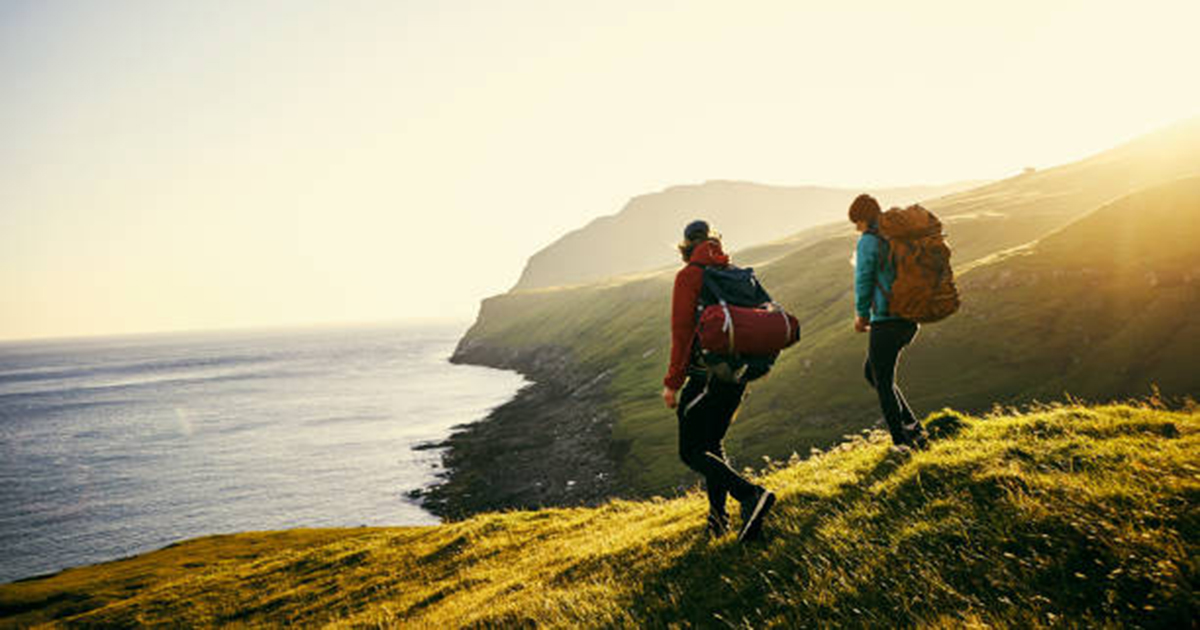
Clothing: The Layering System
Mountain weather changes rapidly, often cycling through all four seasons in a single day. The successful trekker utilizes the Three-Layer System to manage body temperature and moisture effectively.
Base Layer (Wicking)
Worn directly against the skin, the base layer’s job is to wick sweat away from the body to keep you dry.
- Fabric: Merino wool or synthetic fabrics (polyester/polypropylene). Avoid cotton entirely.
- Items: Long-sleeve shirt and leggings.
Mid-Layer (Insulation)
This layer traps body heat to keep you warm.
- Items: Fleece jacket (light or mid-weight) or a synthetic/down insulated vest or jacket. The fleece is the versatile choice for active hiking, while the insulated jacket is for breaks or camp use.
Outer Layer (Protection/Shell)
The shell shields you from wind, rain, and snow. It must be breathable enough to allow moisture (sweat vapor) to escape.
- Jacket: A high-quality waterproof and windproof jacket (Gore-Tex or proprietary equivalent). It should have sealed seams and an adjustable hood.
- Pants: Waterproof shell pants are critical for trekking in consistent rain or crossing snowfields. They are often kept packed away but are lifesavers when needed.
Navigation, Safety, and First Aid
Safety gear is not optional; it’s the equipment that can prevent minor issues from becoming major emergencies.
Navigation Tools
Never rely solely on a smartphone for navigation, as batteries fail and signals vanish.
- Map and Compass: The essential, battery-free backup. Know how to use them together.
- GPS Device/App: A dedicated handheld GPS or a phone pre-loaded with offline maps (like Gaia GPS or AllTrails Pro). Carry a reliable power bank to keep devices charged.
- Headlamp: An absolute necessity for early starts, late finishes, or camp tasks. Look for models with high lumens, long battery life, and a red light setting (to preserve night vision). Review the best headlamps for night adventures for the top 2025 models.
First Aid and Emergency Gear
- Comprehensive First Aid Kit: Go beyond the basic kit. Include blister treatment (Moleskin, medical tape), pain relievers, necessary personal medications, and water purification tablets/drops.
- Fire Starter: Lighter, waterproof matches, and a small amount of fire-starting material (e.g., cotton balls soaked in petroleum jelly).
- Repair Kit: Duct tape (wrapped around a trekking pole), safety pins, needle and thread, and patches for your sleeping pad/tent.
- Communication: A whistle (often built into the backpack sternum strap) and, for remote areas, a Satellite Communicator (e.g., Garmin inReach) for two-way communication and emergency SOS signaling.
Water and Food Systems
Staying hydrated and fueled is critical at high altitudes.
Water Management
- Reservoir/Bladder: A 2-3 liter hydration bladder is convenient for drinking while moving.
- Water Bottles: A durable Nalgene or insulated bottle (0.75-1L) for mixing electrolytes or use in camp.
- Purification: A reliable water filter (e.g., Sawyer Squeeze or Katadyn BeFree) is essential for accessing safe drinking water from natural sources.
Cooking and Nutrition
For treks involving self-catering:
- Stove System: A lightweight, reliable stove (e.g., canister stove or alcohol stove). See the guide on best portable stoves for camping.
- Fuel: Enough fuel for the duration of your trip.
- Cookware: Single lightweight titanium pot, spork, and insulated mug.
- Food: High-calorie, nutrient-dense, dehydrated meals, energy bars, nuts, and dried fruit.
The 10 Essentials Checklist for Every Trek
While a long packing list can seem daunting, most mountain safety professionals consolidate the crucial items into the “10 Essentials” list. Check off these categories before every trip:
- Navigation: Map, Compass, GPS (with charged batteries/power bank).
- Head Protection: Headlamp/Flashlight.
- Sun Protection: Sunglasses, sunscreen, hat.
- First Aid: Basic and advanced kit.
- Knife/Multi-Tool: For repairs and food prep.
- Fire: Lighter, matches, fire starter.
- Shelter: Emergency blanket/tarp (beyond your main tent).
- Extra Food: More than you expect to need.
- Extra Water: Plus purification method.
- Extra Clothes: An additional insulated layer (like a puffy jacket) that stays dry and packed.
Mountain trekking is an incredibly rewarding experience, but the high-altitude environment is unforgiving. By meticulously selecting the gear from these essential categories, prioritizing quality and weight, you ensure your focus remains on the breathtaking views and the trail ahead, not on discomfort or unexpected dangers. Preparation is the key to a successful and safe mountain adventure.
LifeOutOfTheBox is a participant in the Amazon Services LLC Associates Program, an affiliate advertising program designed to provide a means for sites to earn advertising fees by advertising and linking to Amazon.com. Amazon, the Amazon logo, AmazonSupply, and the AmazonSupply logo are trademarks of Amazon.com, Inc. or its affiliates. As an Amazon Associate we earn affiliate commissions from qualifying purchases.