
Florida, often hailed as the “Sunshine State,” is a premier destination for travelers worldwide, famous for its stunning beaches, world-class theme parks, and vibrant cultural scenes. From the magical realm of Walt Disney World Resort in Orlando to the bustling urban landscape of Miami and the historic charm of St. Augustine, Florida offers an unparalleled array of experiences. For anyone considering a visit, a move, or employment within its thriving tourism and hospitality sectors, understanding the state’s minimum wage is a crucial piece of the puzzle. It directly impacts the cost of living, the service industry’s operations, and the overall economic landscape for both residents and visitors alike.
The minimum wage in Florida isn’t static; it’s part of a dynamic economic environment that reflects the state’s commitment to its workforce while balancing the needs of its businesses. This comprehensive guide will delve into the intricacies of Florida’s minimum wage, outlining its current status, future projections, and the significant implications for the state’s dominant tourism, accommodation, and lifestyle industries. Whether you’re planning a budget-conscious family trip, dreaming of a luxury resort stay, or considering a career move to the Sunshine State, a clear grasp of these economic fundamentals is indispensable.
The Current Landscape and Future Trajectory of Florida’s Minimum Wage
Understanding Florida’s minimum wage requires looking at its history, present structure, and future increases. Unlike the federal minimum wage, which has remained at $7.25 per hour since 2009, Florida has taken its own progressive path, largely driven by a statewide ballot initiative. This distinct approach has significant ramifications for those working in or engaging with the state’s expansive service economy.
Understanding the Annual Adjustments and Constitutional Mandate
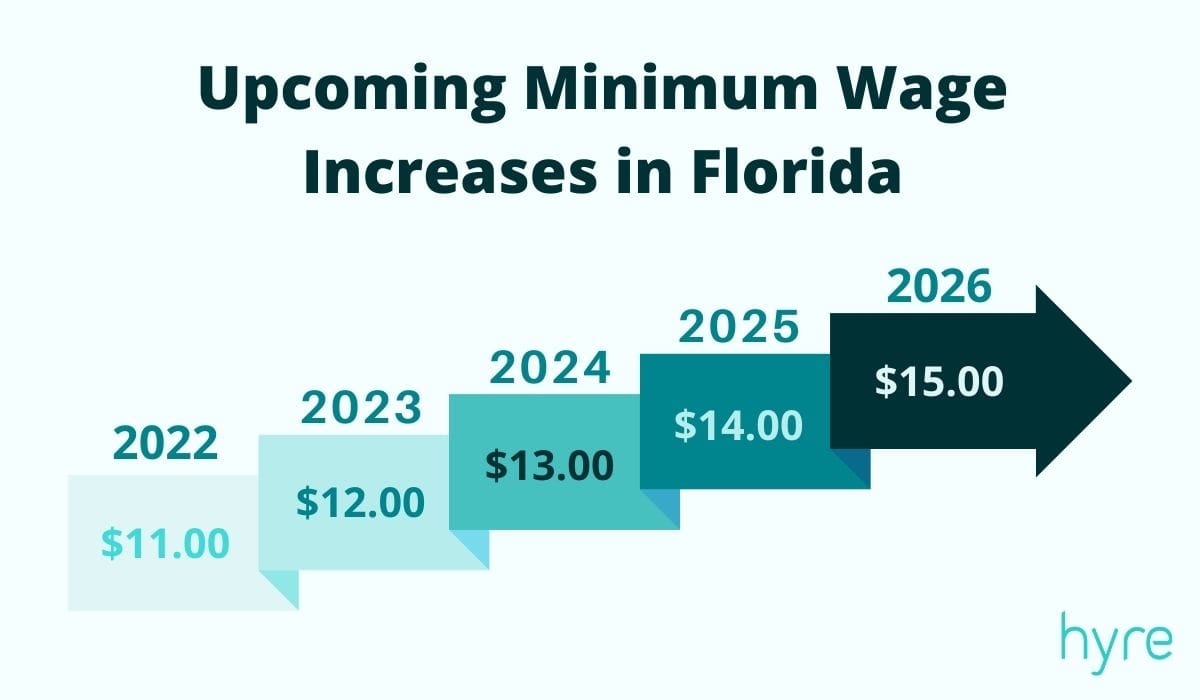
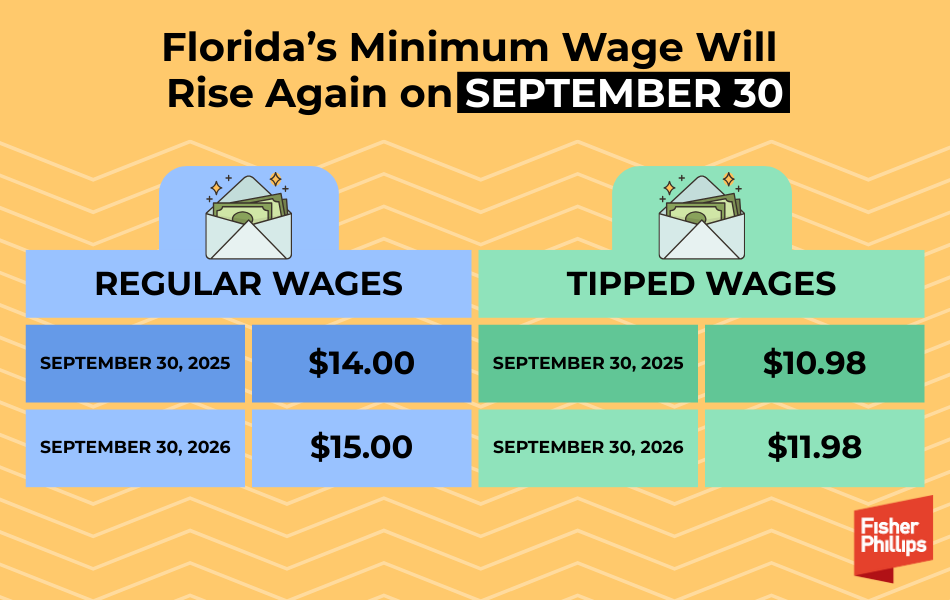
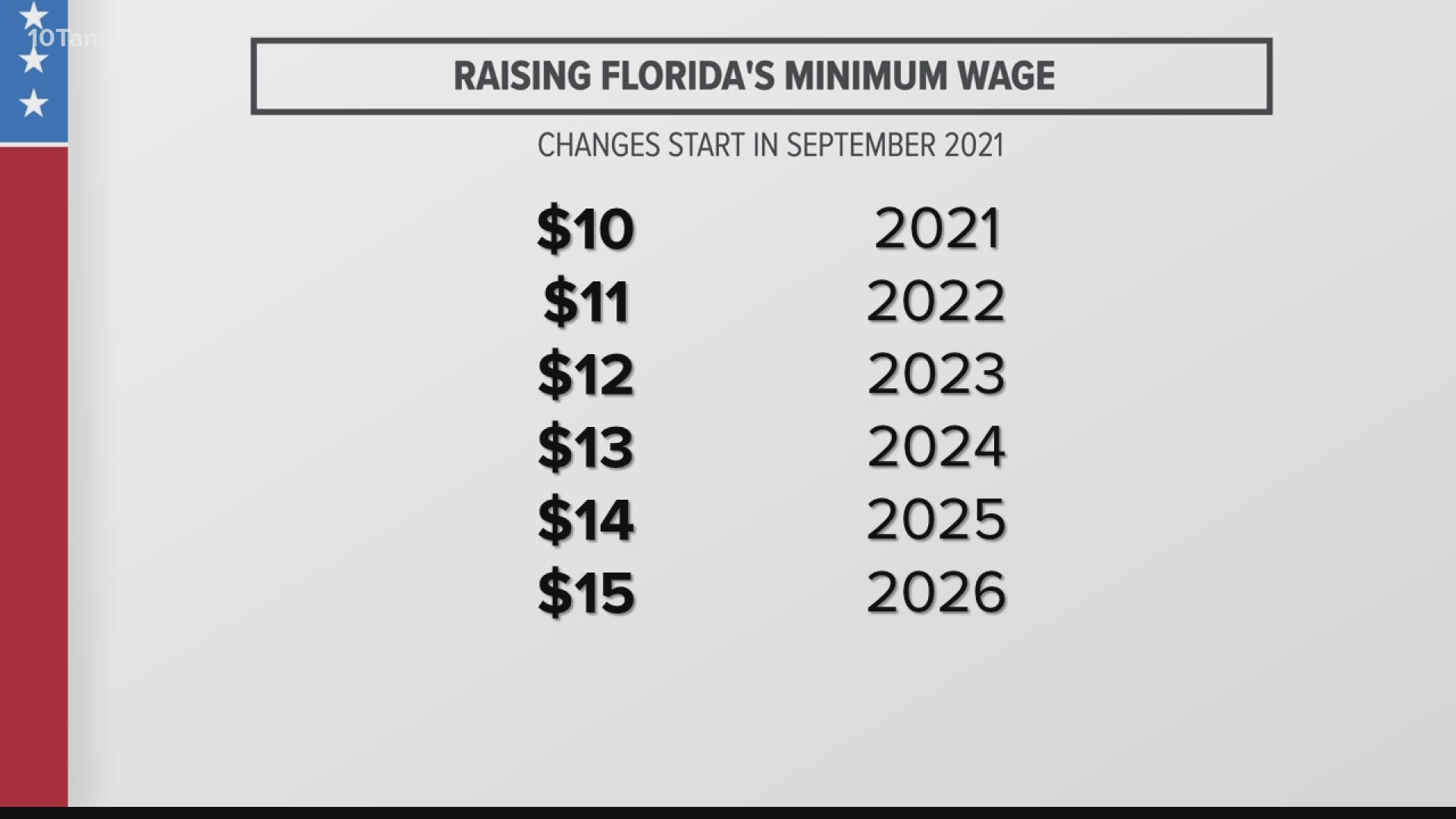
The current minimum wage structure in Florida is the direct result of Amendment 2, a constitutional amendment approved by voters in 2020. This landmark amendment mandated a gradual increase in the state’s minimum wage to $15 per hour by September 30, 2026. The phased approach began with an increase to $10 per hour in September 2021, followed by a dollar increase each subsequent year. For instance, as of September 30, 2023, the minimum wage in Florida is $12.00 per hour. It is slated to rise to $13.00 on September 30, 2024, $14.00 on September 30, 2025, and finally reach $15.00 on September 30, 2026.
Beyond 2026, Amendment 2 also stipulates that the minimum wage will continue to be adjusted annually based on the cost of living, specifically tied to the Consumer Price Index for Urban Wage Earners and Clerical Workers (CPI-W). This ensures that the purchasing power of minimum wage earners keeps pace with inflation, providing a more stable economic foundation for a significant portion of the workforce, particularly those in entry-level positions within the hospitality, retail, and food service sectors that are so vital to Florida’s tourism industry. This constitutional mandate underscores a long-term commitment to improving the economic well-being of low-wage workers across the state, impacting everything from hotel staff to amusement park attendants and restaurant servers.
Special Rules for Tipped Employees
A critical aspect of Florida’s minimum wage law, especially relevant for the tourism industry, pertains to tipped employees. These are workers who customarily and regularly receive more than $30 per month in tips. For these individuals, employers are permitted to claim a “tip credit,” meaning they can pay a lower direct wage than the standard minimum wage. However, there are strict rules governing this. The employer’s direct cash wage must be at least $3.02 less than the standard minimum wage. For instance, when the standard minimum wage is $12.00 per hour, the minimum direct cash wage for tipped employees is $8.98 per hour ($12.00 – $3.02).
It is imperative that the combination of the direct cash wage and the tips received by the employee equals or exceeds the standard Florida minimum wage. If an employee’s tips, combined with their direct wage, do not reach the full minimum wage, the employer is legally obligated to make up the difference. This provision is designed to protect tipped workers, ensuring they always earn at least the state’s minimum wage, regardless of fluctuations in tip income. This is particularly important in popular tourist destinations like Key West, South Beach, or the restaurant districts of Orlando, where service industry jobs are abundant, and visitor spending directly influences employee earnings. Travelers should be aware of this system, as tipping remains a customary and expected part of the service experience, directly contributing to the livelihoods of many Florida residents.
Minimum Wage and the Florida Tourism Industry
The tourism industry is the lifeblood of Florida’s economy, attracting tens of millions of visitors annually and supporting countless businesses and jobs. The state’s minimum wage, therefore, has a profound impact on this sector, influencing labor costs for businesses, wages for workers, and ultimately, the experiences of travelers.
Impact on Hospitality Workers and Job Opportunities
The gradual increase in Florida’s minimum wage is a significant development for hospitality workers across the state. These include employees in hotels, resorts, restaurants, theme parks, and various attractions – from housekeepers and front desk staff to servers, ride operators, and tour guides. For many of these frontline workers, the minimum wage serves as their baseline income. The move towards $15 per hour by 2026 is intended to provide a more livable wage, potentially improving their quality of life, reducing turnover rates, and enhancing job satisfaction. This could lead to a more experienced and dedicated workforce, ultimately benefiting the quality of service tourists receive.
For businesses, particularly smaller independent hotels or restaurants, the rising minimum wage presents a challenge in terms of increased labor costs. While larger enterprises like Universal Orlando Resort or major hotel chains may have greater flexibility to absorb these costs or adjust pricing, smaller operators might need to innovate. This could involve optimizing staffing levels, investing in technology to enhance efficiency, or slightly adjusting service prices. However, the overall goal is to foster a more stable and equitably compensated workforce, which can contribute to a more robust and resilient tourism economy in the long run. It’s a balancing act between supporting workers and maintaining business viability, a conversation that is ongoing in every corner of the Sunshine State, from the bustling streets of Tampa to the tranquil shores of Naples.
What Travelers Should Know About Service Costs
For travelers, Florida’s rising minimum wage could have subtle but noticeable implications. While it’s unlikely to drastically alter the overall cost of a vacation, it may contribute to slight adjustments in prices for services and goods. For instance, you might see small increases in menu prices at restaurants, daily resort fees, or admission costs at some smaller attractions. These adjustments are often necessary for businesses to offset increased labor costs while maintaining profitability and quality.
However, many travelers already factor in the cost of services when budgeting for a trip. The emphasis on quality service remains paramount in a highly competitive tourism market. Knowing that service staff are earning a more livable wage can also enhance a traveler’s overall experience, fostering a sense of ethical consumption. Furthermore, the strong tipping culture in the United States means that a significant portion of service workers’ income still comes from gratuities. Understanding the tipped minimum wage rules helps travelers appreciate the importance of generous tipping, especially for exceptional service. Whether you’re staying in a luxury suite in Palm Beach or a budget-friendly hotel near Daytona Beach, recognizing the value of the people who make your travel experience enjoyable is key.
Cost of Living vs. Minimum Wage in Popular Destinations
Florida is a geographically diverse state with varying costs of living. What might be considered a livable wage in one area, such as a less populous region, might be insufficient in a major metropolitan or highly desirable tourist hub. This disparity is crucial for anyone considering employment in the state or planning an extended stay.
Navigating High-Cost Tourist Hubs
Major tourist destinations like Miami, Orlando, and Key West are characterized by a high cost of living, especially regarding accommodation. Housing, whether renting an apartment or staying in hotels, can be significantly more expensive in these areas compared to the state average. While the minimum wage provides a baseline, it often struggles to keep pace with the expenses of these prime locations. A minimum wage earner might find it challenging to afford rent in Coral Gables or near the theme parks in Orlando without supplemental income or shared living arrangements.
For travelers, this translates into higher prices for hotel rooms, vacation rentals, and even everyday necessities. A long-term stay in a Miami apartment, for example, could be substantially more costly than a similar arrangement in Gainesville. Those working in these high-cost areas often face daily commutes from more affordable surrounding communities, adding transportation expenses and time to their daily routine. The allure of these vibrant cities is undeniable, but it comes with an economic reality that influences everything from the availability of affordable staff housing to the overall pricing strategies of local businesses. It’s a dynamic that impacts both the local lifestyle and the tourist’s budget.
Budget-Friendly Regions and Opportunities
While the major hubs command higher prices, Florida also offers numerous regions where the cost of living is more manageable, potentially making the minimum wage go further. Areas in the Panhandle, like Destin and Panama City Beach, or parts of the Gulf Coast away from the immediate popular beaches, often present more affordable housing and general expenses. Cities like Jacksonville or Tallahassee, while significant urban centers, generally have a lower cost of living than their southern counterparts, offering a different balance between income and expenses.
For individuals seeking work in Florida’s tourism sector or considering a long-term relocation, exploring opportunities in these more budget-friendly regions can be a strategic move. The hospitality industry thrives across the state, and many areas offer diverse job openings in hotels, resorts, and attractions that might align better with a minimum wage income. Travelers looking for budget travel options might also find these areas more appealing, with competitive hotel rates, more affordable dining, and often unique attractions like the beautiful springs or historical sites that offer a different flavor of the Sunshine State experience. Consider places like Clearwater Beach or Siesta Key which offer stunning beaches but might be slightly less expensive than the absolute top-tier tourist destinations for accommodation and activities.
Lifestyle and Economic Considerations for Residents and Prospective Workers
Living and working in Florida offers a unique lifestyle, but like any place, it comes with economic considerations. For those earning the minimum wage, or for businesses operating within its parameters, understanding the broader economic picture is vital.
Balancing Work and Play in the Sunshine State
Florida’s appeal often lies in its promise of a vibrant lifestyle, characterized by year-round outdoor activities, beautiful natural landmarks like Everglades National Park or Dry Tortugas National Park, and diverse cultural experiences. For minimum wage earners, the increasing wage aims to make this lifestyle more accessible. A higher income can translate to better housing options, greater access to leisure activities, and an improved ability to participate in the local culture, whether that’s enjoying fresh Gulf Coast seafood or visiting a local festival.
However, the balance between work and play is still a significant consideration. Even with a rising minimum wage, budgeting for housing, transportation, and discretionary spending in a state with high tourism appeal requires careful planning. For example, while entry-level positions in theme parks are abundant in Orlando, the cost of daily commuting and housing nearby can quickly erode a significant portion of a minimum wage paycheck. Likewise, enjoying the luxury travel experiences that draw visitors to Florida might remain out of reach for many earning minimum wage, highlighting the economic disparities that persist even with wage improvements. Prospective residents should research specific regions thoroughly to understand the local cost of living and job market.
Resources for Workers and Employers
Both workers and employers in Florida have access to resources to help them navigate the minimum wage landscape. The Florida Department of Economic Opportunity (now FloridaCommerce) provides official information and updates on the minimum wage, including posters that employers are required to display. These resources clarify employer obligations and employee rights, helping to ensure compliance and fair labor practices across the state.
For workers, understanding their rights regarding minimum wage and tipped wages is crucial. Organizations dedicated to labor rights can offer guidance on issues such as wage theft or disputes. For employers, particularly those in the hospitality sector managing hotels, resorts, or restaurants, staying informed about the annual wage increases and compliance requirements is essential to avoid penalties and foster a positive working environment. Leveraging technology for payroll management and labor scheduling can help businesses optimize operations in response to rising labor costs. Whether you run a quaint bed and breakfast on Amelia Island or a bustling chain restaurant in Fort Lauderdale, these resources are invaluable for smooth operations and fair employee treatment.
In conclusion, Florida’s minimum wage, on its trajectory towards $15 per hour, is a pivotal economic factor shaping the state’s future. It influences not only the livelihoods of countless workers but also the operational strategies of the vast tourism and hospitality industries and the overall cost of experiences for visitors. Whether you’re planning your next vacation, considering a move to the Sunshine State, or managing a business, a clear understanding of these dynamics is fundamental to making informed decisions and appreciating the complex economic fabric of this vibrant and ever-evolving destination.
LifeOutOfTheBox is a participant in the Amazon Services LLC Associates Program, an affiliate advertising program designed to provide a means for sites to earn advertising fees by advertising and linking to Amazon.com. Amazon, the Amazon logo, AmazonSupply, and the AmazonSupply logo are trademarks of Amazon.com, Inc. or its affiliates. As an Amazon Associate we earn affiliate commissions from qualifying purchases.