
California, a state synonymous with diverse landscapes, vibrant cities, and unparalleled natural beauty, sadly also experiences an annual rite of passage: wildfire season. These blazes, a complex and often devastating force of nature, frequently dominate headlines, prompting concerns from residents and potential visitors alike. For those planning a trip, or even just dreaming of a future California adventure, understanding the current fire situation and its broader implications for travel, tourism, and local lifestyles is crucial. Far from being a uniform phenomenon, wildfires manifest differently across the state, impacting various regions, attractions, and communities in distinct ways. This article aims to shed light on the multifaceted reality of California wildfires, specifically through the lens of travel and tourism, offering insights into how these events shape visitor experiences, accommodation choices, and the long-term resilience of the Golden State’s beloved destinations.
Understanding California’s Wildfire Landscape and Travel Implications
The story of wildfires in California is deeply intertwined with its unique geography, climate, and human development. While fires are a natural part of many ecosystems, human activity and changing climatic conditions have intensified their frequency and severity. For travelers, this means a dynamic environment where conditions can change rapidly, necessitating vigilance and adaptability.
Seasonal Patterns and Geographic Vulnerabilities
Wildfire season in California typically peaks from late summer through autumn, often extending into winter, driven by factors like prolonged drought, high temperatures, strong winds (such as the Santa Ana winds in Southern California and the Diablo winds in Northern California), and an abundance of dry vegetation. Different regions face varying degrees of risk and impact. Areas like the mountainous terrains of the Sierra Nevada, the chaparral-covered hillsides of Southern California (around Los Angeles and Santa Barbara), and the dense forests near national parks are particularly vulnerable.
The diverse topography means that while one area might be battling a major blaze, a destination just a hundred miles away could be completely unaffected. For instance, a fire in Ventura County might impact air quality for parts of Los Angeles and Malibu, but leave San Diego or Palm Springs untouched. Similarly, a blaze in the remote forests near Yosemite National Park could lead to temporary closures or altered itineraries for visitors focused on outdoor adventures, while the urban attractions of San Francisco remain fully accessible and smoke-free. Understanding these geographic nuances is the first step in responsible travel planning.
The Immediate Impact on Destinations and Attractions
When a wildfire ignites, its immediate effects on travel and tourism can be profound. Evacuation orders are paramount, prioritizing the safety of residents and visitors alike. This can lead to the closure of roads, national and state parks, specific attractions, and even entire communities. For example, popular scenic routes like portions of the Pacific Coast Highway near Big Sur have occasionally been affected, disrupting quintessential California road trips. Similarly, access to natural landmarks such as Joshua Tree National Park, Redwood National Park, Sequoia National Park, and Kings Canyon National Park can be restricted.
Beyond direct fire proximity, smoke and poor air quality are widespread concerns. Smoke plumes can travel hundreds of miles, impacting areas far from the active fires. This can turn picturesque views hazy, making outdoor activities uncomfortable or even unsafe, especially for individuals with respiratory conditions. Imagine planning a wine-tasting tour in Napa Valley or Sonoma County, only to find the air too thick with smoke to enjoy the vineyards. Or perhaps a hike around Lake Tahoe becomes an impossibility due to the lingering haze. These conditions, while temporary, can significantly detract from the travel experience and lead to cancellations, impacting the local tourism economy. Hotels and resorts, even if not directly threatened by fire, may experience reduced occupancy due to air quality concerns or general travel advisories.

Navigating Travel Planning During Fire Season
Given the recurrent nature of wildfires, integrating awareness and flexibility into your travel plans is essential for a safe and enjoyable trip to California. This proactive approach not only safeguards your well-being but also ensures you make informed decisions that respect local conditions and resources.
Prioritizing Safety and Information Gathering
The first and most critical step for any traveler during California’s fire season is to prioritize safety through diligent information gathering. Before and during your trip, regularly check official sources for the latest updates. Key resources include the California Office of Emergency Services (CalOES), the National Weather Service for fire weather warnings, and local fire department websites. For air quality, PurpleAir or AirNow are invaluable tools, providing real-time data on particulate matter levels. Many national and state parks also issue specific alerts regarding closures or advisories.
It’s also wise to understand the local emergency procedures of your chosen destination. If you’re staying in a more rural or fire-prone area, inquire with your accommodation provider about their evacuation plans. Have a “go bag” ready with essentials if you’re in an area with a high fire risk. Staying informed means being aware of both active fires and the potential for new ignitions, allowing you to adjust your itinerary proactively rather than reactively. This level of preparedness, while sounding daunting, empowers travelers to make confident decisions and minimizes potential disruptions.
Accommodation Adjustments and Booking Flexibilities
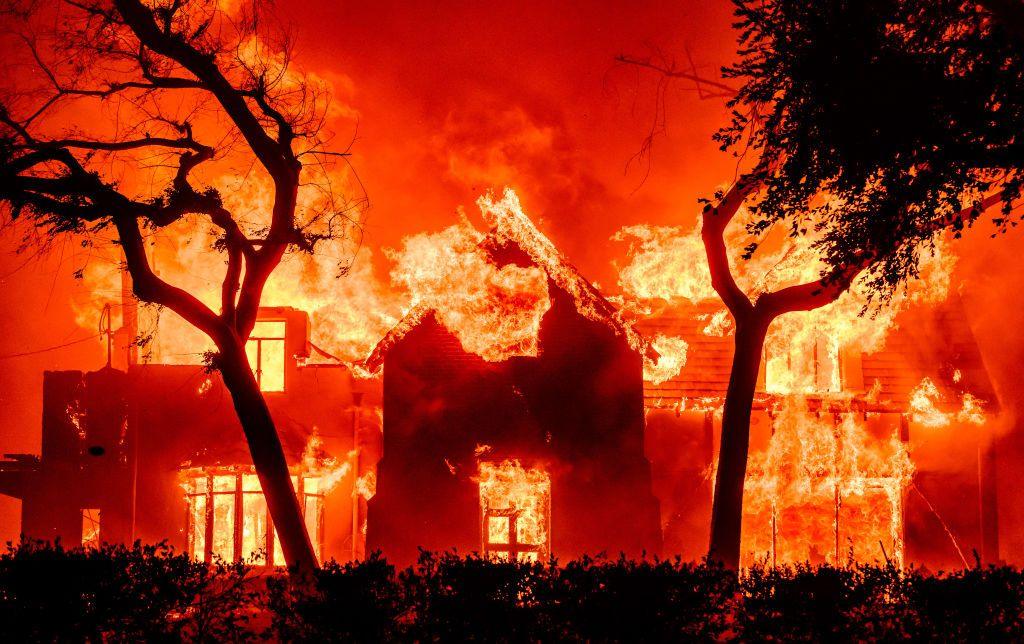
When it comes to hotels, resorts, apartments, and other forms of accommodation, wildfires introduce a layer of complexity. If a fire directly threatens an area, properties may be under evacuation orders or suffer damage, leading to immediate cancellations. Even properties outside the immediate danger zone can be impacted by smoke, road closures, or reduced demand. This highlights the importance of booking accommodations with flexible cancellation policies. Many hotels, especially during fire season, are understanding of circumstances and may offer refunds or rebooking options, but it’s crucial to confirm this when making your reservation. Travel insurance that covers natural disaster-related cancellations can also be a wise investment for peace of mind.
For those planning long-term stays or considering specific resorts known for outdoor amenities, researching the property’s specific location and historical vulnerability to fires can be beneficial. Some resorts in fire-prone areas have invested heavily in defensible space and fire prevention measures. Websites like Airbnb or Booking.com often have filters or advisory banners for affected regions, but direct communication with the host or hotel staff is always recommended for the most accurate, up-to-the-minute information. Remember, supporting local accommodations when it is safe to do so, especially those that have been impacted by fires, plays a vital role in their recovery.

Experiencing California Responsibly: Mitigating Risks and Supporting Recovery
Traveling through California during or after a fire event demands a heightened sense of responsibility. This involves not only mitigating personal risks but also understanding how your choices can contribute to the resilience and recovery of the state’s natural landscapes and tourism-dependent communities.
Protecting Natural Landmarks and Outdoor Experiences
California’s allure largely stems from its iconic natural landmarks and unparalleled opportunities for outdoor recreation. From the towering redwoods of Redwood National Park to the granite peaks of Yosemite National Park and the desert landscapes of Death Valley National Park, these natural treasures are often at the front lines of wildfire impacts. Travelers visiting these areas must be acutely aware of fire safety protocols. This includes adhering to fire bans (especially for campfires), properly disposing of cigarettes, and understanding that fireworks are illegal in most parts of the state. Even sparks from vehicle catalytic converters can ignite dry brush, so responsible driving, especially in rural areas, is paramount.
After a fire, landscapes can be dramatically altered, and hiking trails or recreational areas may be closed for safety or restoration. Erosion and mudslides become significant hazards in burn scar areas, especially during subsequent rainy seasons. Before embarking on any outdoor adventure, check with park rangers or local authorities about trail conditions and potential dangers. Choosing to visit areas that are open and safe, and perhaps exploring less fire-prone regions or urban attractions during peak fire season, can help distribute tourism while ensuring personal safety and respecting ongoing recovery efforts in affected areas. Supporting park conservation efforts through donations or volunteering, where appropriate, also contributes to the long-term health of these irreplaceable landmarks.
The Economic Ripple Effect on Local Tourism and Lifestyles
The economic impact of wildfires on California’s tourism sector is substantial and far-reaching. Small businesses in affected communities – from boutique hotels and family-run restaurants to local tour operators and souvenir shops – rely heavily on visitor spending. When fires deter tourists, these businesses face significant financial hardship, potentially leading to job losses and long-term economic instability. The picturesque wine regions of Napa Valley and Sonoma County, for example, have experienced the dual blow of direct fire damage and reduced tourism, impacting everything from grape harvests to tasting room visits.
Beyond direct economic losses, wildfires disrupt local lifestyles. Residents may lose homes, livelihoods, and a sense of community. Travelers often seek to experience local culture and food, and these experiences are deeply affected when communities are in distress. When planning a trip, consider how your travel choices can positively impact these communities. Visiting safe and open destinations within California, even if they are not the primary focus of fire news, helps sustain the broader tourism ecosystem. Opting for local restaurants, booking stays at independent hotels, and engaging with local guides can provide much-needed support to residents and businesses striving to recover and rebuild. This mindful approach to travel transforms a simple vacation into an act of solidarity and support for the resilient spirit of California.
Future-Proofing Your California Adventures
While wildfires remain a significant challenge for California, the state’s spirit of resilience, innovation, and unwavering appeal endures. For travelers, this means adapting and embracing a new paradigm of informed and responsible exploration. The future of California travel involves a blend of awareness, flexibility, and a deep appreciation for the landscapes and communities that make the state so extraordinary.
Planning ahead for your California adventure now means considering fire season as a factor, much like planning for hurricane season in the Caribbean. This doesn’t mean avoiding California altogether, but rather being strategic. Consider visiting during the spring or early summer, when fire risk is typically lower, or focusing on urban destinations like San Francisco, Los Angeles, San Diego, or Sacramento, which are generally less susceptible to direct fire threats and often have clearer air quality even when rural areas are affected. Coastal towns like Monterey and Carmel-by-the-Sea, benefiting from the cooling influence of the Pacific Ocean, also often offer a respite.
Furthermore, consider supporting organizations dedicated to wildfire prevention, ecological restoration, and community recovery. Many national parks and state agencies welcome donations that directly fund crucial efforts to maintain healthy forests and rebuild damaged infrastructure. Engaging in educational tourism, where you learn about California’s ecosystems and the challenges they face, can enrich your travel experience and foster a deeper connection to the destination.
In essence, navigating the reality of wildfires in California as a traveler requires a thoughtful and empathetic approach. By staying informed, remaining flexible with plans, making responsible choices, and supporting local communities, visitors can continue to experience the magic of the Golden State while contributing positively to its enduring legacy. California remains a destination of dreams, and with mindful travel, those dreams can continue to thrive, even amidst the challenges of a changing climate.