
The Golden State, renowned for its sun-drenched beaches, towering redwood forests, and iconic landmarks, has in recent years become increasingly synonymous with devastating wildfires. These infernos, fueled by a complex interplay of climate change, drought, and land management practices, have not only reshaped the landscape but have also profoundly impacted the travel and tourism industry that is vital to California’s economy. Understanding the severity and scope of these fires is crucial for anyone planning a trip to or living within the state, influencing everything from destination choices and accommodation bookings to the very experiences travelers seek.

The Escalating Threat: A Shifting Landscape
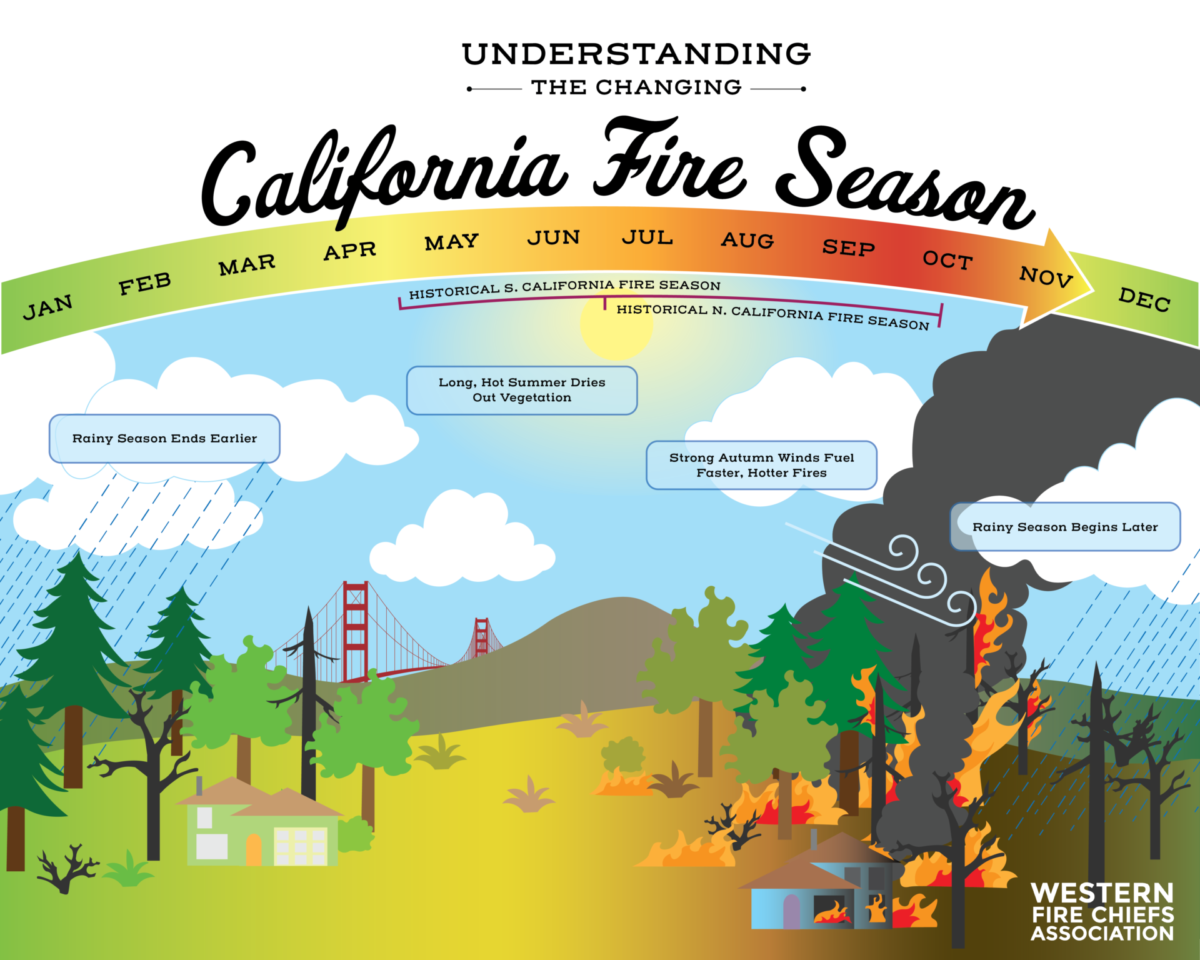
California’s climate has always been characterized by a dry season, making it susceptible to fires. However, the frequency, intensity, and duration of wildfires have dramatically increased in recent decades. This escalation is not an isolated phenomenon but a symptom of a broader global climate crisis. Rising temperatures, prolonged droughts, and increased fuel loads—dry vegetation—create a tinderbox environment where fires ignite easily and spread with terrifying speed.
Climate Change: The Unseen Accelerant
The scientific consensus is clear: human-induced climate change is a primary driver behind the intensifying wildfire threat in California. Warmer temperatures lead to earlier snowmelt, extending the dry season and increasing the risk of ignition. Furthermore, prolonged periods of drought stress vegetation, making it more flammable. These climatic shifts are altering the natural fire regimes, pushing ecosystems beyond their historical resilience. The consequence is a landscape that is more vulnerable, with fires becoming larger, hotter, and more unpredictable. This directly affects how tourists perceive and interact with natural attractions, potentially leading to cancellations or a shift in focus towards less fire-prone regions within California.
Drought Conditions: A Persistent Challenge
California has experienced several severe drought cycles over the past century, but the current era of drought is particularly concerning. The lack of rainfall, coupled with high temperatures, has resulted in critically low moisture levels in soil and vegetation across vast swathes of the state. This dryness creates an abundance of dead and dying plant material, which acts as readily available fuel for fires. Even small sparks, whether from lightning or human activity, can quickly escalate into major conflagrations. The impact on tourism is immediate and tangible. Areas known for their natural beauty, such as national parks and forests, may be closed indefinitely, disrupting travel plans and impacting local economies that rely on visitor spending.
Fuel Loads and Forest Management: A Delicate Balance
Beyond climatic factors, the accumulation of dead vegetation and dense forest growth, often a result of decades of fire suppression policies, has contributed to the severity of California’s fires. When fires do ignite in these overgrown areas, they burn with an intensity that is difficult to control, often reaching the canopies of trees and becoming “crown fires.” These fires are more destructive and dangerous, posing significant risks to communities and natural landscapes. Forest management strategies aimed at reducing fuel loads through prescribed burns and thinning are complex and controversial. While essential for long-term fire resilience, these practices can temporarily impact access to certain areas for tourists and may even generate localized smoke, affecting air quality for travelers in nearby regions.
The Multifaceted Impact on California’s Tourism
The economic engine of California’s tourism sector, which encompasses everything from luxury resorts to budget-friendly family trips, is intrinsically linked to the state’s natural beauty and diverse attractions. Wildfires, however, cast a long shadow over this vibrant industry, creating a cascade of challenges that affect businesses and travelers alike. The “how bad” question then translates into understanding the economic, environmental, and experiential repercussions.
Economic Repercussions: A Costly Blaze
The economic impact of California’s wildfires on the tourism industry is substantial and far-reaching. When fires rage, destination cities and towns can see a dramatic drop in visitor numbers. Hotels, from boutique inns in places like Napa Valley to sprawling resorts in Southern California, experience widespread cancellations. Restaurants that rely on tourist patronage face reduced revenue. Attractions, including theme parks such as Disneyland Resort, museums, and natural landmarks like Yosemite National Park, may be forced to close their doors, sometimes for extended periods.
The immediate economic cost includes direct revenue losses for businesses and job cuts for hospitality workers. However, the indirect costs are also significant. Smoke from wildfires can blanket large areas, even those not directly affected by flames, deterring visitors due to poor air quality and health concerns. The long-term effects can include a damaged reputation for certain regions, leading to a sustained decrease in tourism long after the fires have been extinguished. Rebuilding efforts themselves can also disrupt travel, with road closures and construction affecting access to popular tourist spots. For travel companies and accommodation providers, this unpredictability requires flexible booking policies and careful planning to mitigate losses.
Environmental Damage: Scarred Landscapes and Lost Biodiversity
The environmental toll of California’s wildfires is perhaps the most visible and heartbreaking consequence. Vast tracts of forests, grasslands, and chaparral are reduced to ash, altering ecosystems for decades to come. Iconic natural landmarks can be significantly damaged, impacting their aesthetic appeal and ecological function. For instance, the Sequoia National Park and its giant sequoia trees, while remarkably resilient to fire, can still suffer damage, and the surrounding forests are vulnerable.
The loss of biodiversity is another critical environmental concern. Wildlife habitats are destroyed, forcing animals to flee or perish. The long recovery period for these ecosystems means that the natural beauty that draws tourists to places like the Big Sur coast or the Sierra Nevada mountains can be diminished for years, sometimes even decades. This environmental degradation not only affects the visual appeal for travelers but also impacts the very essence of what makes these destinations special, from the sounds of birdsong in a lush forest to the sight of diverse flora and fauna. Responsible tourism practices become even more crucial in the aftermath, emphasizing conservation and supporting efforts to restore these fragile environments.
Disruptions to Travel and Experiences: Planning Under Uncertainty
For travelers, the primary concern is how wildfires impact their ability to visit and enjoy their intended destinations. Fire season, once a predictable period, now seems to extend throughout much of the year, creating a cloud of uncertainty for trip planning. Smoke advisories can force the cancellation of outdoor activities, from hiking in Joshua Tree National Park to vineyard tours in Sonoma County. Road closures, often enacted for safety reasons, can lead to significant detours and travel delays, affecting journeys to popular coastal towns or inland attractions.
Accommodation options can also be affected. While hotels in unaffected areas may see increased demand as travelers reroute, those closer to fire zones can face closures or be commandeered for emergency services. This can lead to last-minute scrambling for alternative lodging, often at higher prices. The overall travel experience can be marred by the pervasive smell of smoke, reduced visibility, and the constant news of ongoing fires, detracting from the relaxation and enjoyment that travelers seek. Even booking a long-term stay in a picturesque California town can be jeopardized by the potential for evacuations or infrastructure damage.
Navigating California Amidst the Flames: Tips for Travelers and Locals
In an era defined by escalating wildfire risks, a proactive and informed approach is essential for anyone planning to travel to or reside in California. The “how bad” question also necessitates understanding how to navigate these challenges effectively, ensuring both safety and the ability to still experience the state’s many wonders.
Staying Informed and Flexible: The Cornerstones of Safe Travel
The most critical advice for anyone considering a trip to California during wildfire season is to stay informed. Regularly check official sources for fire updates, air quality reports, and travel advisories. Websites of the California Department of Forestry and Fire Protection (CAL FIRE), local emergency services, and reliable news outlets are invaluable resources. Air quality indexes, readily available online, can provide crucial information about whether outdoor activities are safe.
Flexibility is paramount. Be prepared to alter your itinerary at a moment’s notice. Have backup plans for destinations or activities in case your primary choices become inaccessible or unsafe due to fire or smoke. This might involve shifting focus from inland national parks to coastal areas, or from outdoor adventures to indoor attractions like museums in Los Angeles or the San Francisco Museum of Modern Art. Booking accommodations with flexible cancellation policies can provide peace of mind. For those considering longer stays, understanding evacuation routes and having a plan in place is a vital part of lifestyle preparedness.
Responsible Tourism and Community Support: Rebuilding and Resilience
The recovery and resilience of California’s tourism industry depend heavily on responsible travel practices and community support. Travelers can make a positive impact by choosing to support local businesses that have been affected by fires. This includes dining at local restaurants, shopping at independent stores, and booking tours with local guides. When visiting areas that have experienced fires, be mindful of the ongoing recovery efforts and avoid disrupting these processes.
Embracing eco-friendly travel habits is also important. Reducing your carbon footprint, conserving water, and properly disposing of waste can help protect the environment, which is so crucial to California’s appeal. For those looking for unique travel experiences, consider visiting areas that are actively working on restoration or showcasing sustainable practices. Supporting local initiatives aimed at fire prevention and land management can also be a meaningful way to contribute. This conscious approach to travel helps ensure that the beautiful landscapes that draw visitors to California can be preserved for future generations, allowing the tourism sector to thrive in a more sustainable manner.

Understanding the Risks and Making Informed Choices: A Long-Term Perspective
The increasing severity of wildfires in California necessitates a long-term perspective on travel planning and lifestyle choices. It’s no longer a matter of “if” fires will occur, but “when” and “how extensively.” This reality requires a shift in how we think about visiting and living in the state. For potential tourists, this means factoring wildfire risk into destination selection and travel dates. For residents, it means understanding the risks associated with their chosen communities and taking necessary precautions.
The allure of California remains undeniable, with its diverse geography and vibrant culture. However, the wildfire threat is a significant factor that cannot be ignored. By staying informed, remaining flexible, and embracing responsible practices, travelers and residents can navigate the challenges posed by these natural disasters, ensuring that the Golden State can continue to be a desirable destination and a beautiful place to call home, even in the face of adversity. The question of “how bad” the fires are is less about a single answer and more about the ongoing effort to understand, adapt, and build resilience in a changing world.
LifeOutOfTheBox is a participant in the Amazon Services LLC Associates Program, an affiliate advertising program designed to provide a means for sites to earn advertising fees by advertising and linking to Amazon.com. Amazon, the Amazon logo, AmazonSupply, and the AmazonSupply logo are trademarks of Amazon.com, Inc. or its affiliates. As an Amazon Associate we earn affiliate commissions from qualifying purchases.