
The Maine Coon cat, often hailed as America’s only native longhaired breed, is a creature of magnificent proportions and gentle disposition. Their impressive size is frequently the first thing people notice, prompting curiosity and often a sense of awe. Unlike their smaller domestic counterparts, these felines command attention not just with their lush, shaggy coats and intelligent tufted ears, but with their sheer physical presence. For anyone considering welcoming one of these majestic animals into their home, or for those simply fascinated by the world of unique companion animals, understanding the true scale of a Maine Coon is paramount. This insight extends beyond mere measurements, touching upon their growth, the factors that influence their size, and the practical implications for their care, especially for those who lead a mobile lifestyle or seek premium accommodation.

Unveiling the Majestic Stature of the Maine Coon
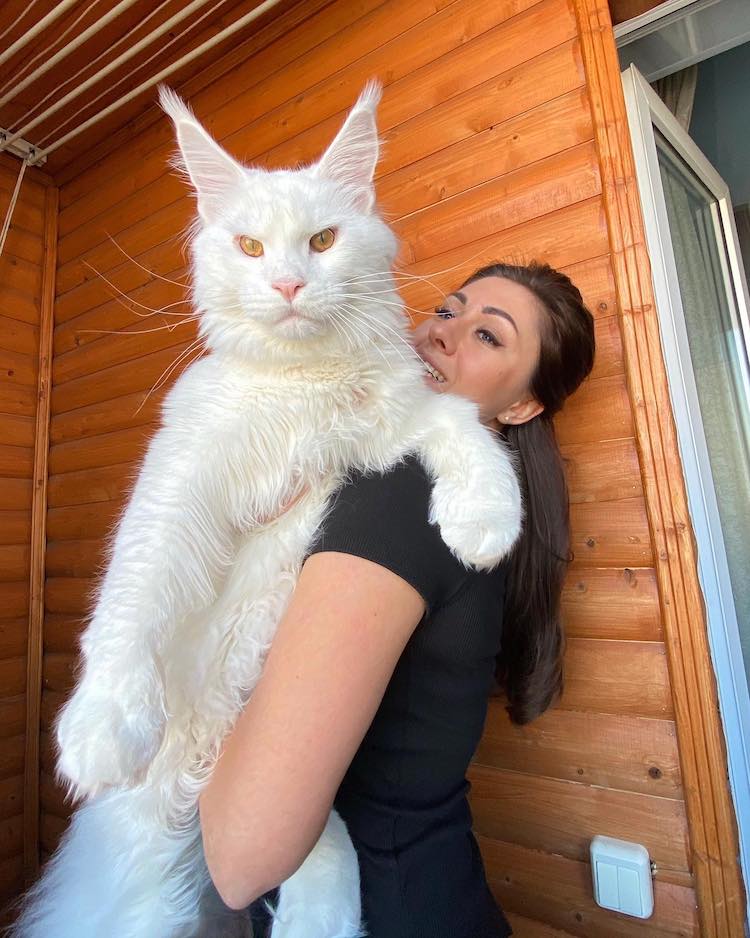
The Maine Coon is not just a large cat; it is a giant among domestic felines, often mistaken for wild cats due to its imposing build and rugged appearance. This breed developed naturally in the harsh climates of Maine, evolving traits like a dense, water-resistant coat and a sturdy bone structure to survive and thrive. Their impressive dimensions are a testament to this robust heritage.
A True Gentle Giant: Average Dimensions
When we talk about the size of a Maine Coon, we are discussing a cat that can easily dwarf many other breeds. From the tip of their nose to the end of their bushy tail, a full-grown Maine Coon can reach an astonishing length. On average, you can expect an adult Maine Coon to measure anywhere from 30 to 40 inches (76 to 102 cm). Some particularly long individuals have even been recorded exceeding this, reaching lengths comparable to that of a small child. To put this into perspective for the discerning traveler, imagining a Maine Coon stretching out on the floor of a standard hotel room, say in a boutique Paris suite or a cozy apartment in London, truly highlights their considerable sprawl.
In terms of height, measured from the paw to the shoulder, these cats typically stand between 10 to 16 inches (25 to 41 cm) tall. While this might not sound as dramatic as their length, it’s significantly taller than the average domestic cat, giving them a statuesque presence.
Weight is another defining characteristic. Male Maine Coons are notably larger than females, generally weighing between 13 to 20 pounds (6 to 9 kg). Exceptional males can easily tip the scales at over 25 pounds (11 kg), and some rare individuals have been reported to weigh even more, though true healthy weight rarely exceeds this without being overweight. Females, while still large for a cat, are slightly more modest, usually ranging from 8 to 12 pounds (3.5 to 5.5 kg). This makes even an average female Maine Coon comparable in weight to a large tomcat of a different breed, while the males are in a league of their own. For those who frequently book luxury accommodations, envisioning a 20-pound feline companion accompanying you to your Grand Hyatt Hotel suite provides a vivid picture of the scale of these magnificent pets.
The Growth Journey: When Do They Reach Full Size?
One of the most fascinating aspects of Maine Coon development, and a key contributor to their impressive eventual size, is their protracted growth period. Unlike many domestic cat breeds that reach their full physical maturity by around one year of age, Maine Coons take their time. They continue to grow, developing bone structure, muscle mass, and their characteristic dense coat, until they are typically 3 to 5 years old. This slow maturation process means that a seemingly large kitten will continue to expand in both length and breadth for several years, gradually solidifying into the impressive adult Maine Coon we know.
This extended growth phase has significant implications for owners. It means that the initial size of a kitten should not be taken as an indicator of its final adult dimensions. Patience and consistent, high-quality care are essential during these formative years. For those who enjoy long-term stays or relocating for extended periods, perhaps to a villa in Tuscany or an executive apartment in Geneva, understanding this growth trajectory is vital for planning space requirements and ensuring appropriate pet provisions throughout their development.
Factors Influencing a Maine Coon’s Impressive Scale
While a Maine Coon’s genetic blueprint predisposes it to a large size, several factors can influence just how grand an individual cat becomes. These elements intertwine to determine whether a Maine Coon falls within the average range or achieves truly gargantuan proportions.
Genetic Predisposition and Lineage
Genetics play the most significant role in determining a Maine Coon’s potential size. The lineage of a cat, particularly the size of its parents and grandparents, is a strong indicator of how large it might grow. Responsible breeders prioritize health and temperament, but also strive to maintain the breed’s impressive physical characteristics. Different breeding lines might also exhibit variations; some lines are known for producing particularly large specimens, sometimes colloquially referred to as “European” lines, though this distinction isn’t always scientifically rigid.
When selecting a Maine Coon kitten, inquiring about the size of the sire and dam can provide valuable insight into the kitten’s potential adult dimensions. For owners keen on showcasing their feline companion, perhaps even contemplating a trip to a pet show in Kyoto or Miami, understanding the genetic potential is crucial.
Gender Differences: Males vs. Females
As briefly touched upon, sexual dimorphism is pronounced in Maine Coons. Males are consistently and significantly larger than females. This difference is not just a few pounds or inches; it’s a noticeable disparity in overall stature, bone structure, and muscle mass. A male Maine Coon will typically be heavier, longer, and taller than his female counterpart.
This distinction is important for prospective owners when considering the space required and the type of accommodation best suited for their pet. A male Maine Coon might demand larger carriers for travel, bigger litter boxes, and more expansive scratching posts. When exploring pet-friendly hotels or even permanent accommodation options, the gender of your Maine Coon can influence decisions on room size or apartment square footage.
Nutrition and Health: Fueling Their Growth
While genetics set the potential, proper nutrition and overall health are critical for a Maine Coon to reach its full, healthy size. A high-quality diet, rich in protein and essential nutrients, is paramount during their extended growth phase. Kitten-specific formulas are often recommended for a longer period than with other breeds, to support the development of strong bones, muscles, and their luxurious coat.
Overfeeding, however, can lead to obesity, which is detrimental to health and should not be confused with true size. A large Maine Coon is muscular and well-proportioned, not overweight. Regular veterinary check-ups are also vital to monitor growth, identify any health issues early, and ensure the cat is thriving. Considerations like spaying or neutering can also influence weight management; altered cats often have slower metabolisms, requiring careful dietary adjustments to prevent unhealthy weight gain. For owners planning extensive travel or long-term stays, maintaining a consistent, high-quality diet for their Maine Coon is a key aspect of their pet’s lifestyle and wellness.
Living Large: Practicalities of Owning a Maine Coon
Owning a Maine Coon is a unique experience. Their size influences many aspects of daily life, from the items you buy for them to the considerations you make for your home and even your travel plans. Embracing their grandeur means making adjustments to ensure their comfort and happiness.
Space Requirements and Home Environment
Due to their substantial size, Maine Coons require more space than the average house cat. This isn’t just about floor space; it’s about providing ample room for them to stretch, play, and explore. Key considerations for their home environment include:
- Large Litter Boxes: Standard litter boxes are often too small for an adult Maine Coon, leading to discomfort and potential accidents. Extra-large or custom-made litter boxes are usually necessary.
- Sturdy Scratching Posts and Cat Trees: Flimsy, small scratching posts simply won’t do. Maine Coons need tall, robust scratching posts that allow them to fully extend their bodies. Multi-level cat trees should also be exceptionally stable and spacious enough for them to comfortably lounge on. Vertical space is important for their lifestyle, giving them perches from which to survey their domain.
- Spacious Carriers: For vet visits or travel, a large, airline-approved carrier is essential to ensure comfort and safety.
- Feeding Stations: Larger bowls and an elevated feeding station can be beneficial, particularly for taller males, to prevent neck strain.
When considering residential accommodation, a Maine Coon’s size can be a deciding factor. While they can adapt to apartment living, a smaller New York studio might feel cramped. A multi-room apartment or a house with more square footage, perhaps in a sprawling lifestyle resort environment, would be more ideal. Owners of these magnificent cats often find themselves prioritizing larger spaces, whether they’re buying a home or booking a temporary stay, to accommodate their gentle giants.
Traveling with a Gentle Giant: Pet-Friendly Considerations
For the intrepid traveler who can’t bear to leave their feline companion behind, navigating the world with a Maine Coon requires careful planning. Their size presents unique challenges and opportunities for those seeking pet-friendly travel options.
Choosing the right carrier is the first step. For air travel, the carrier must meet specific airline dimensions for either cabin or cargo, with larger Maine Coons often needing to fly in temperature-controlled cargo, which requires thorough research and preparation. For road trips, a spacious, well-ventilated carrier secured in the car is paramount.
Finding suitable accommodation is another significant hurdle. While many hotels are becoming pet-friendly, “pet-friendly” often implies a small dog or a standard-sized cat. A 20-pound Maine Coon is a different proposition. Savvy owners will seek out hotels that explicitly welcome larger pets or offer dedicated pet suites or apartments. Chains like Kimpton Hotels and many Four Seasons properties are renowned for their genuinely accommodating pet policies, often without weight or size restrictions, making them ideal choices. Some luxury resorts in destinations like Aspen or even specialized pet-friendly establishments in Seattle are designing amenities specifically for larger animals, understanding that pet ownership is a significant part of many travelers’ lifestyle.

When booking, it’s always best to call ahead and speak directly with the hotel or accommodation provider to confirm their pet policies, any associated fees, and to ensure the room size is appropriate for your large companion. Some establishments, like the hypothetical Grand Majestic Resort or Serenity Suites, might even offer specific pet amenities, from large pet beds to designated outdoor relief areas, enhancing the tourism experience for both owner and cat. Imagine your Maine Coon stretching out contentedly in a spacious hotel suite overlooking the Eiffel Tower in Paris – a luxury lifestyle that is entirely possible with proper planning. The length of a stretched-out male Maine Coon can sometimes rival the shortest corridors in a grand establishment like the Ritz Carlton Paris, or the span of a small arch in a historic city like Rome, making their presence undeniably notable.
Managing Health and Wellness for Large Breeds
The impressive size of the Maine Coon also brings specific health considerations that owners must be mindful of. Larger breeds, both canine and feline, can be prone to certain conditions.
- Joint Health: Conditions like hip dysplasia and patellar luxation, while more commonly associated with large dog breeds, can occur in Maine Coons due to their robust bone structure and weight. Providing soft bedding, avoiding excessive jumping from high places, and maintaining a healthy weight can help mitigate these risks.
- Weight Management: As mentioned, maintaining a healthy weight is crucial. Obesity in a large cat places undue stress on their joints, heart, and other organs, significantly shortening their lifespan and quality of life. Regular exercise, appropriate portion control, and a balanced diet are key.
- Cardiac Health: Hypertrophic Cardiomyopathy (HCM) is a genetic heart condition that can affect Maine Coons. Responsible breeders screen for this condition, and regular veterinary check-ups are essential for early detection and management.
- Spinal Health: Given their length, maintaining a healthy spine is important. Ensuring they have appropriate furniture to stretch and climb, and avoiding situations that could cause spinal injury, contribute to their long-term well-being.
Owners of Maine Coons often find that their lifestyle is influenced by these health considerations. This might include more frequent vet visits, specialized diets, or even modifications to their home environment to ensure accessibility and safety for their large companion. For those considering long-term accommodation or even retirement, choosing a location with excellent veterinary services is as important as proximity to landmarks or attractive destinations.
In conclusion, the Maine Coon is undeniably a big cat, a true gentle giant of the feline world. Their impressive size, which develops over several years, is a captivating blend of genetics, nutrition, and breed-specific traits. Understanding these dimensions and the practicalities of living with such a magnificent creature—from their space requirements at home to the specific considerations for pet-friendly travel and accommodation—is key to providing them with a fulfilling and healthy lifestyle. For those who embrace their grandeur, the rewards are immeasurable, as these large, affectionate felines bring an unparalleled presence and charm to any home, making every journey, near or far, an adventure.
LifeOutOfTheBox is a participant in the Amazon Services LLC Associates Program, an affiliate advertising program designed to provide a means for sites to earn advertising fees by advertising and linking to Amazon.com. Amazon, the Amazon logo, AmazonSupply, and the AmazonSupply logo are trademarks of Amazon.com, Inc. or its affiliates. As an Amazon Associate we earn affiliate commissions from qualifying purchases.