
The Maine Coon, often revered as the “gentle giant” of the feline world, is a breed that consistently sparks curiosity and admiration due to its impressive size. For anyone considering welcoming one of these majestic creatures into their home, or perhaps even contemplating travel and a particular lifestyle with such a large companion, understanding their dimensions is paramount. These cats aren’t just big; they boast a distinctive shaggy coat, a bushy tail resembling a raccoon’s, and an endearing, sociable personality that belies their formidable stature. Their size profoundly influences everything from the type of home they need to the logistics of a family trip, making them a unique consideration for any prospective owner or travel enthusiast.
Originating from Maine, United States, the Maine Coon breed is one of the oldest natural breeds in North America. Legend has it that they are a cross between domestic cats and raccoons (biologically impossible, of course!) or perhaps even bobcats. More realistically, they are thought to be descendants of short-haired domestic cats breeding with long-haired foreign cats brought to America by New England seafarers. Whatever their true lineage, their robust build and thick fur made them perfectly suited to the harsh New England winters, and these traits are precisely what contribute to their iconic “big cat” status today.

The Majestic Dimensions of the Maine Coon
When people ask “How big do Maine Coon cats get?”, they’re often surprised by the answer. These are not your average house cats. Their sheer scale, combined with their affectionate nature, makes them incredibly popular, but also requires careful consideration for those whose lifestyle involves frequent travel or specific accommodation needs.
Unpacking the Average Size: Weight and Length
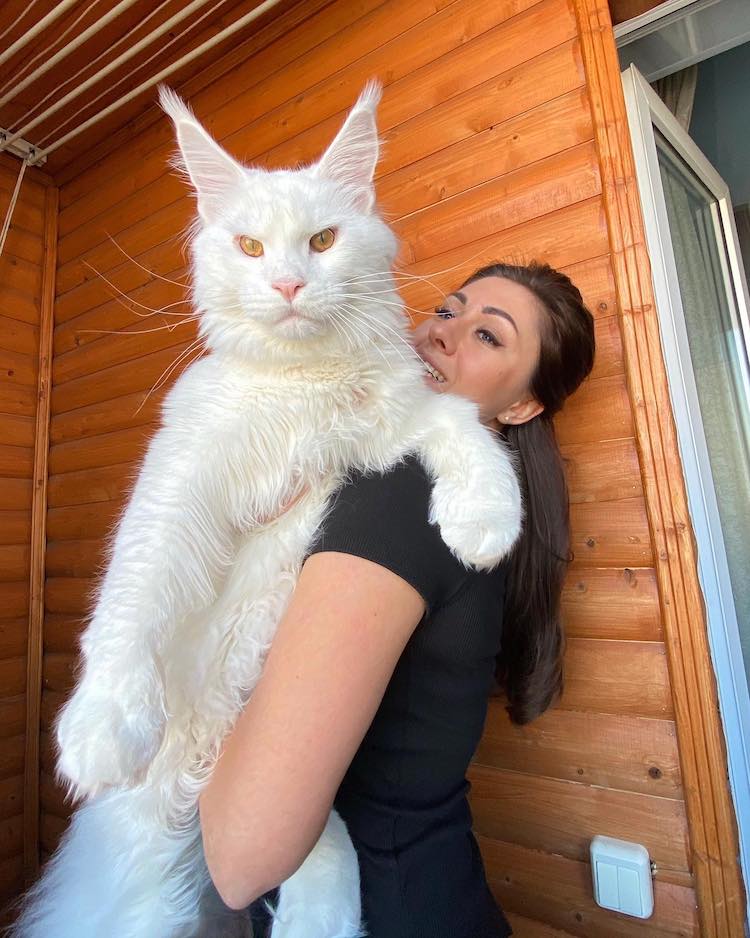
Typically, male Maine Coons are larger than females, but both sexes reach impressive sizes.
- Weight:
- Males: On average, male Maine Coons weigh between 13 to 18 pounds (6 to 8 kg). However, it’s not uncommon for some to tip the scales at 20 pounds (9 kg) or even more, particularly if they are large-boned and well-muscled.
- Females: Females are generally a bit daintier, usually weighing between 8 to 12 pounds (3.6 to 5.4 kg). Still, a 12-pound female Maine Coon is significantly larger than many other domestic cat breeds.
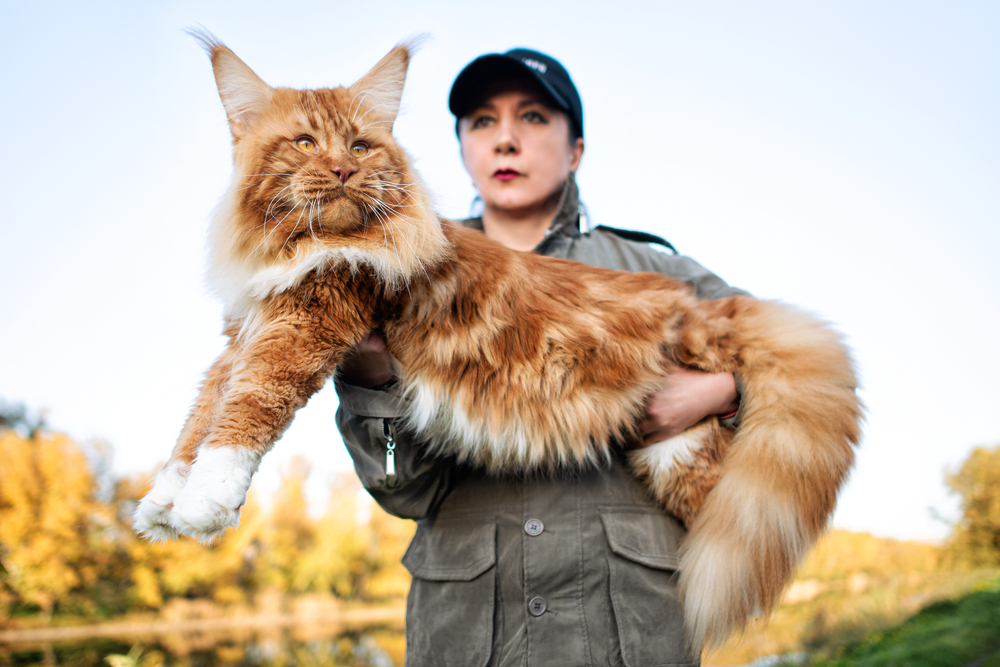
- Length: From the tip of their nose to the end of their famously bushy tail, Maine Coons can measure an astounding 19 to 30 inches (48 to 76 cm) or more. Their tails alone can add a substantial 12 to 14 inches (30 to 36 cm) to their overall length, which is nearly the length of an average house cat’s entire body! Imagine trying to fit such a long creature comfortably into a standard travel carrier or a compact hotel room.
Growth Spurts and Full Maturity: When Do They Stop Growing?
One of the fascinating aspects of the Maine Coon’s development is their prolonged growth period. Unlike most domestic cats that reach their full size by about 12 to 18 months, Maine Coons continue to grow and fill out until they are typically between 3 to 5 years old. This slow maturation means that a kitten you bring home will steadily grow into its substantial frame over several years, constantly surprising you with its evolving size. This extended growth period requires a consistent commitment to their nutritional needs, ensuring they receive the proper diet to support healthy bone and muscle development.
Record Breakers: The Largest Maine Coons on Record
The impressive size of the Maine Coon breed has led to several individuals holding records for being the world’s longest cat. For instance, a Maine Coon named Stewie once held the Guinness World Record for the longest domestic cat, measuring an incredible 48.5 inches (123 cm) from nose to tail tip. Another Maine Coon, Barivel, achieved a similar record in more recent years. While these are exceptional cases, they highlight the potential for truly enormous individuals within the breed, showcasing why these cats are often mistaken for small wild animals. Their size truly sets them apart, influencing everything from the type of cat trees they need to the kind of accommodation that can comfortably house them.
Beyond Size: Understanding the Breed’s Temperament and Needs
While their size is undeniably striking, the personality and specific needs of a Maine Coon are equally significant, especially when considering how they fit into diverse lifestyles, including those involving travel or unique living situations.
Gentle Giants with a Playful Spirit: Personality Traits
Despite their imposing stature, Maine Coons are renowned for their gentle, friendly, and docile temperament. They are often described as “dog-like” due to their loyalty, tendency to follow their owners around, and even their ability to be leash-trained. They are intelligent, playful, and enjoy interactive games, often retaining a kitten-like curiosity well into adulthood. They are generally good with children and other pets, making them excellent family companions. This agreeable nature is a huge plus when considering travel; a calm, adaptable pet is far easier to manage in new environments than a skittish one.
Their affectionate but not overly demanding nature means they enjoy being near their humans without constantly needing to be on their lap (though some certainly do enjoy a good cuddle!). They are vocal cats, but instead of loud meows, they often communicate through soft trills and chirps. This calm demeanor, even in a large package, contributes to their appeal as a pet for various lifestyles, whether you’re settled in a spacious home or exploring options for long-term stay apartments.
Grooming and Health Considerations for a Large Feline
The Maine Coon’s beautiful, shaggy coat is part of its charm, but it also comes with grooming responsibilities. Their medium-long fur, with a silky texture and a dense undercoat, requires regular brushing (2-3 times a week) to prevent mats and tangles, especially during shedding seasons. This is particularly important for their dense tail fur and the “britches” on their hind legs. Neglecting grooming can lead to uncomfortable mats, which might even require professional grooming or veterinary intervention, an additional cost to consider in your budget for pet care.
In terms of health, Maine Coons are generally robust. However, like all purebreds, they are prone to certain genetic conditions. These include hip dysplasia (which is more common in larger breeds, affecting their mobility), hypertrophic cardiomyopathy (a heart condition), and spinal muscular atrophy. Responsible breeders screen for these conditions, but prospective owners should be aware of them. Regular veterinary check-ups are crucial for early detection and management, adding another layer to the financial and time commitment required for these large felines.
Space Requirements: Making Room for a Big Cat
Given their size, Maine Coons thrive in environments where they have ample space to explore, play, and stretch out. While they are adaptable, a small studio apartment might not be ideal for a fully grown 20-pound cat who enjoys climbing and needs to burn off energy. They appreciate vertical space, so sturdy cat trees, wall shelves, or cat-friendly furniture are often a worthwhile investment. These can provide essential enrichment and exercise opportunities, crucial for their physical and mental well-being.
For those contemplating a nomadic lifestyle or frequent moves, the space requirements of a Maine Coon translate into needing larger carriers, more spacious temporary accommodation, and potentially more careful planning for their exercise routine during periods away from home. Their substantial litter box needs also mean finding space for a large box, which can be a consideration in smaller living quarters or when staying in certain hotels or apartments.
The Traveler’s Dilemma: Navigating the World with a Maine Coon
For adventurers and frequent travelers, the decision to own a Maine Coon comes with unique considerations regarding their travel logistics. While smaller cats might fit under an airplane seat, a Maine Coon’s size often dictates different plans.
Pet-Friendly Accommodation: Finding Hotels and Resorts for Large Cats
Finding suitable pet-friendly accommodation is one of the biggest challenges for Maine Coon owners. Many hotels and resorts have strict weight limits for pets, often capping them at 15-20 pounds. This immediately excludes many adult male Maine Coons and even some larger females. It’s crucial to research and confirm policies well in advance, specifically inquiring about large cat policies.
Properties like The Grand Pet-Friendly Suites or certain boutique hotels that specialize in pets might be more accommodating. Brands like Kimpton Hotels & Restaurants and some Marriott International properties are known for their lenient pet policies, often without weight restrictions, though fees almost always apply. Vacation rentals such as apartments or villas booked through platforms like Airbnb or VRBO often offer more flexibility, allowing direct communication with owners about pet size. When booking, always confirm the pet fee, any deposits, and specific rules regarding leaving pets unattended. The size of your Maine Coon means you’ll need ample space in your temporary home for their litter box, food bowls, and a comfortable sleeping area, making spacious suites or apartments a better choice than standard hotel rooms.
Air, Car, and Train Travel: Logistics for Large Felines
The mode of transportation dictates much of the feasibility of traveling with a large cat.
- Air Travel: This is often the most restrictive. Most airlines, including major carriers like Southwest Airlines or Delta Air Lines, require pets to travel in a carrier that fits under the seat in front of you if they are in the cabin. A full-grown Maine Coon will almost certainly exceed these dimensions, meaning they would have to travel as cargo. Cargo travel is stressful for any pet, and many owners prefer to avoid it, especially for a beloved companion. If considering air travel, extensive research into specific airline pet policies, temperature restrictions, and veterinary health certificates is essential. The potential for connecting flights in places like London Heathrow Airport or Atlanta Hartsfield-Jackson International Airport can add further complexities to cargo arrangements.
- Car Travel: This is often the most practical option for Maine Coon owners. A large, well-ventilated carrier secured in the back seat provides a safe and comfortable space. Many Maine Coons, thanks to their calm temperament, can adapt well to car rides, especially if introduced to them early on. Regular breaks for litter box access and water are necessary, particularly on longer journeys across vast landscapes like those found in Canada or the United States.
- Train Travel: Services like Amtrak in the United States and some European rail services do allow pets, but again, size and carrier restrictions apply. Typically, pets must fit under the seat. Some routes might offer larger designated pet areas, but these are often limited. It’s crucial to check specific train line regulations for pet travel to destinations like Paris or Rome.
Exploring Destinations with Your Feline Friend?
While the idea of taking your Maine Coon to explore landmarks like the Eiffel Tower in Paris or the Colosseum in Rome sounds charming, in reality, most cats, especially large ones, are not ideal travel companions for sightseeing tours. Cats are creatures of habit and generally prefer familiar surroundings. Exposing them to crowded, noisy tourist attractions can be highly stressful and is rarely enjoyable for them.
However, if your Maine Coon is exceptionally leash-trained and calm, exploring quiet, pet-friendly outdoor spaces might be an option. Many national parks or nature trails in places like Colorado or California allow leashed pets. A calm cat might enjoy a stroll in a quiet park or a designated pet area within a city like New York City or London. The focus should always be on the cat’s comfort and safety rather than fulfilling a human desire for a unique photo opportunity. For most Maine Coons, the best “destination” during travel is the cozy, secure accommodation where they can relax away from the hustle and bustle.
Integrating a Maine Coon into Your Lifestyle, Home, and Travels
Bringing a Maine Coon into your life is a significant commitment that extends beyond just their impressive size. It’s about how their presence reshapes your home environment, your daily routines, and even your approach to travel.
Home Sweet Home: Creating a Comfortable Space
Creating a comfortable and stimulating environment for a large Maine Coon is essential for their well-being. This involves more than just ensuring they have space to move. They need sturdy scratching posts (taller than standard ones to accommodate their length), durable toys that can withstand their playful energy, and a large, accessible litter box. For multi-cat households or those living in smaller apartments, investing in large cat trees that offer multiple perching spots can help manage territories and provide vertical enrichment, crucial for their natural climbing instincts.
If your lifestyle includes frequent moves or long-term stays in different locations, setting up a consistent “cat zone” within each new accommodation can help them adjust. Bringing familiar items like their bed or a favorite blanket can provide comfort and continuity, making transitions smoother for your large feline friend. Consider the durability of your home furnishings; a large cat’s claws and weight can impact softer materials, so robust furniture or designated scratching areas are a must.
The Cost of Caring for a Gentle Giant: Budgeting for a Maine Coon
The larger size of a Maine Coon naturally translates into higher ongoing costs compared to smaller cat breeds.
- Food: They eat more! High-quality cat food in larger quantities will be a regular expense.
- Litter: Larger litter boxes require more litter, and their larger waste output means more frequent changes.
- Veterinary Care: While generally healthy, any vet treatments, medications, or surgical procedures will often be dosed by weight, making them more expensive for a heavier cat. Preventative care like flea and tick treatments also scale with size.
- Accessories: Larger carriers, beds, and specialized grooming tools are often needed. Brands like Petco or PetSmart offer a range of products, but expect to pay more for “giant breed” options.
- Travel Costs: As discussed, pet fees at hotels or airlines can add up, and the cost of suitable, robust travel crates is an initial investment.
These factors mean that owning a Maine Coon requires a realistic budget for their lifetime care. This might influence decisions between luxury travel and budget travel if you plan to bring your feline companion along. Savvy owners often factor these costs into their overall lifestyle planning, ensuring they can provide the best for their beloved giant.
The Joys and Challenges of Life with a Super-Sized Companion
Ultimately, living with a Maine Coon is a uniquely rewarding experience. Their impressive size is matched by their equally impressive personality—loyal, playful, and incredibly affectionate. The challenges, primarily related to space, travel logistics, and increased financial commitments, are often outweighed by the joy these magnificent creatures bring.
Whether you’re a seasoned traveler seeking pet-friendly accommodations from London to Tokyo, or simply enjoying a stable home life, understanding the full scope of a Maine Coon’s size and needs is crucial. They are truly gentle giants, offering a grand presence and an even grander heart, making every consideration for their comfort and well-being a worthwhile endeavor. Their existence certainly prompts interesting discussions, not just about their lineage and history, but also about the evolving landscape of travel and lifestyle for pet owners around the globe.
LifeOutOfTheBox is a participant in the Amazon Services LLC Associates Program, an affiliate advertising program designed to provide a means for sites to earn advertising fees by advertising and linking to Amazon.com. Amazon, the Amazon logo, AmazonSupply, and the AmazonSupply logo are trademarks of Amazon.com, Inc. or its affiliates. As an Amazon Associate we earn affiliate commissions from qualifying purchases.