
When contemplating the sheer scale of the United States, our minds often conjure images of vast plains, sprawling deserts, majestic mountain ranges, and endless coastlines stretching from the Atlantic to the Pacific Ocean. Yet, nestled comfortably at the top of the North American continent, separated from the lower 48 by a significant portion of Canada, lies a state so immense it redefines our understanding of American geography: Alaska. Often referred to as “The Last Frontier,” Alaska’s gargantuan size isn’t merely a point of trivia; it profoundly shapes its unique landscapes, its challenging yet rewarding travel experiences, and the very essence of its lifestyle and tourism appeal. Understanding the true dimensions of Alaska is the first step in appreciating its unparalleled natural beauty and the adventures it promises. It’s a place where distances are measured not just in miles, but in days of travel, and where the wilderness stretches far beyond the horizon, inviting exploration and introspection. From the moment you land in Anchorage or Fairbanks, the sheer scale of the land begins to impress upon you, a feeling that only intensifies with every journey further into its untamed heart.
Unveiling Alaska’s Monumental Scale
The common perception of Alaska is that it’s big, but the reality often surpasses imagination. It’s not just the largest state; it’s an absolute titan, dwarfing every other state in the United States and even many countries around the world. Its immense size is a cornerstone of its identity, influencing everything from climate patterns and ecosystems to population distribution and infrastructure. This monumental scale is not just a statistical anomaly; it is the very canvas upon which Alaska’s incredible natural wonders are painted, making it an unrivaled destination for those seeking genuine wilderness experiences and breathtaking vistas. The vastness also means an incredibly diverse range of environments, from temperate rainforests in the southeast to tundra in the north, and active volcanoes along the Aleutian Islands. This geographical diversity ensures that a journey through Alaska can feel like exploring an entire continent within a single state.
A Land of Staggering Statistics
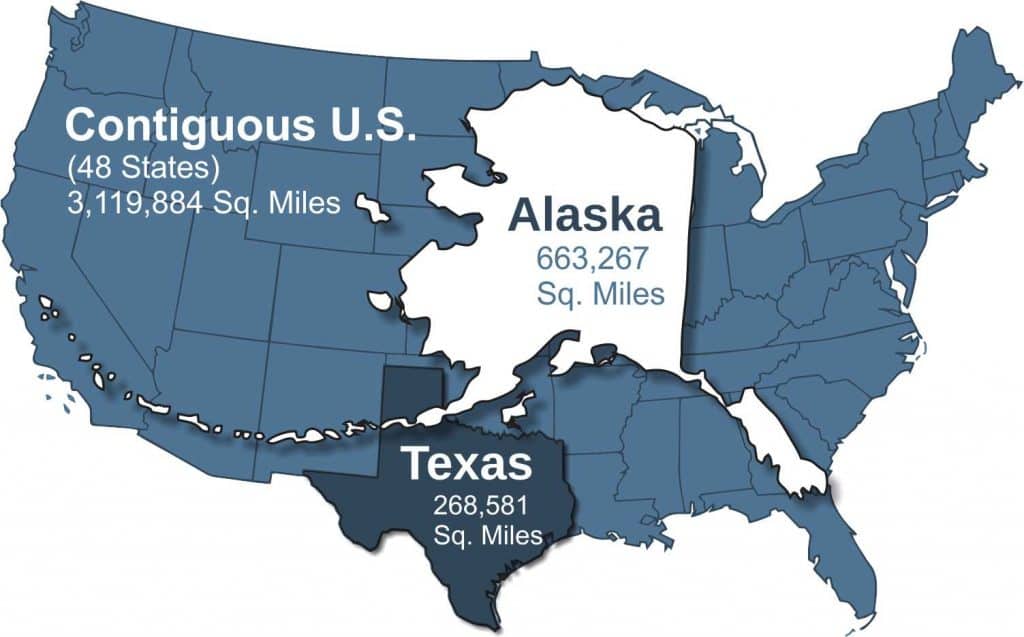
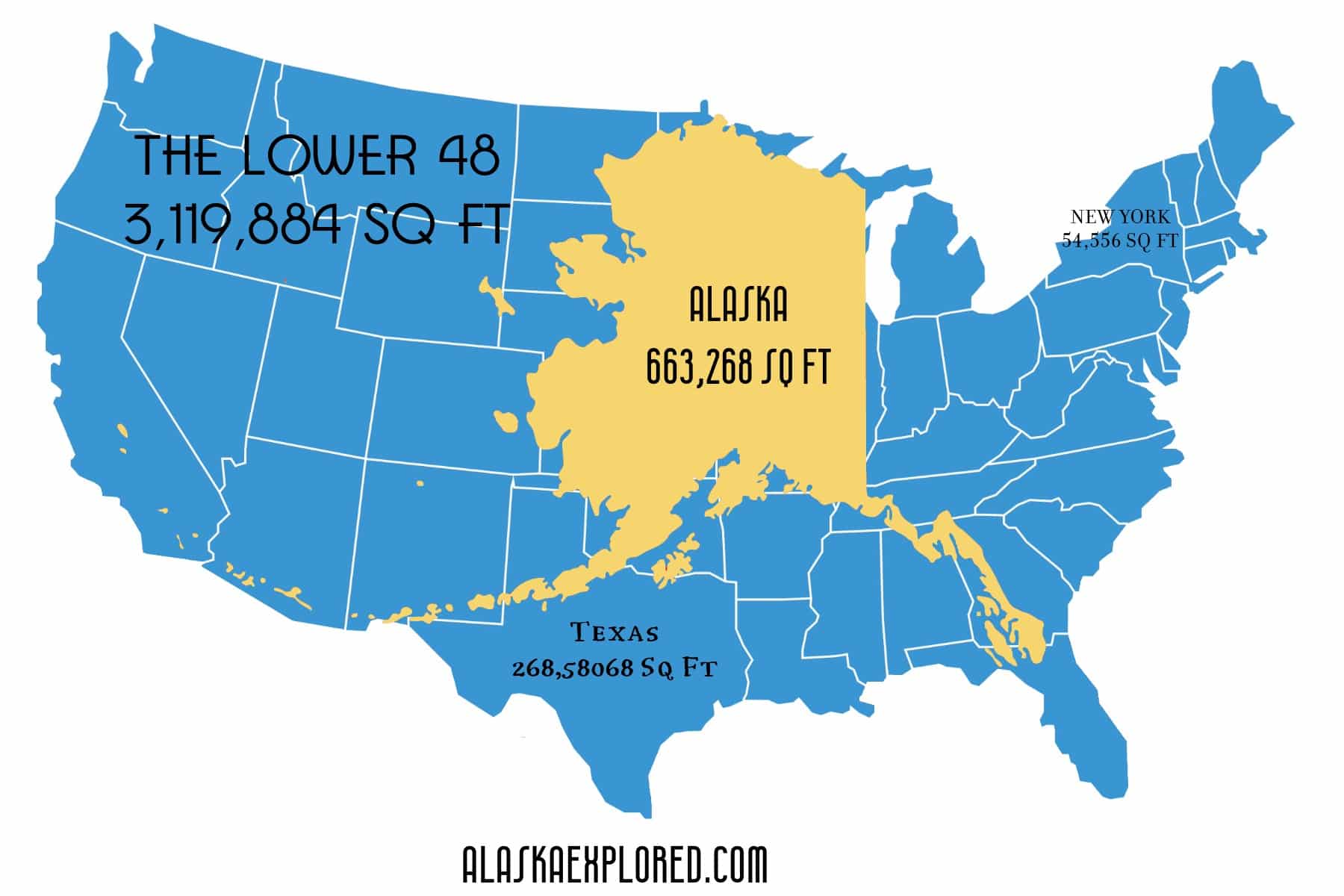
To grasp the magnitude of Alaska, one must look at the numbers. With a total area of approximately 665,384 square miles (about 1.7 million square kilometers), Alaska is more than twice the size of Texas, the second-largest state. In fact, if you were to combine Texas, California, and Montana – three of the next four largest states by land area – their combined size would still be considerably smaller than Alaska alone. This means that a single state could contain entire regions that, in other parts of the world, would constitute independent nations.
The coastline of Alaska is equally impressive. Stretching for approximately 6,640 miles (10,686 km), it is longer than the combined coastlines of all other U.S. states. Including all the islands, inlets, and bays, the shoreline extends to an astonishing 33,904 miles (54,563 km). This extensive coastline interacts with the Pacific Ocean, the Arctic Ocean, and the Bering Sea, creating diverse marine ecosystems and countless opportunities for coastal exploration, from rugged fjords to serene beaches.
Alaska is also home to more than half of the world’s glaciers, including the largest tidewater glacier, and boasts some of the tallest peaks in North America. Mount Denali, previously known as Mount McKinley, stands as the highest peak in North America at 20,310 feet (6,190 meters), dominating the landscape of Denali National Park and Preserve. The state encompasses 17 of the 20 highest peaks in the United States, a testament to its dramatic topography. The sheer number of national parks, preserves, and wildlife refuges – many of which are larger than some states – further underscores its monumental scale. For instance, Wrangell-St. Elias National Park and Preserve, at 13.2 million acres, is larger than nine U.S. states. Gates of the Arctic National Park and Preserve spans 8.4 million acres, completely roadless and pristine.
Putting Alaska’s Size into Perspective
To truly appreciate Alaska’s immensity, it helps to make direct comparisons. Imagine superimposing a map of Alaska over the contiguous United States. The Aleutian Islands, a volcanic archipelago that extends westward from the Alaskan Peninsula, would stretch from Florida to California. The panhandle, home to the capital city of Juneau and the famed Inside Passage, would reach down past Oregon. The vast interior, anchored by cities like Fairbanks, would cover much of the American Midwest.
This visualization highlights why traveling within Alaska is often an adventure in itself, requiring meticulous planning and often utilizing multiple modes of transport. The distances between major cities like Anchorage, Fairbanks, and Juneau are comparable to inter-state journeys in the lower 48, sometimes even longer, but with far fewer direct road connections. The state is so large that it actually spans four time zones, though the vast majority observes Alaska Time, a standard deviation that speaks to its geographical separation and unique position on the globe. This perspective is vital for any traveler, as it dictates the pace of an Alaskan itinerary, the types of activities possible, and the accommodation options available.
Navigating the Vastness: Travel and Exploration in the Last Frontier
The sheer scale of Alaska fundamentally dictates how one experiences its unparalleled beauty. Unlike many destinations where driving from one attraction to the next is a matter of hours, Alaska demands a different approach to travel. Its vastness is not an obstacle, but rather an integral part of the adventure, offering unique logistical challenges and rewarding those who embrace them with truly unforgettable journeys. Planning a trip to Alaska is akin to orchestrating an expedition, where the choice of transport and the allocation of time are as crucial as selecting the destinations themselves. This is where the concept of “lifestyle travel” truly comes into play, as navigating Alaska becomes an experience in itself, requiring patience, foresight, and a spirit of adventure.
Planning Your Alaskan Adventure: Logistics and Distances
Due to Alaska’s immense size and rugged terrain, the transportation infrastructure is unique. While major cities like Anchorage, Fairbanks, and Juneau have airports, reaching many of the state’s most pristine wilderness areas often requires bush planes, ferries, or the Alaska Railroad. A significant portion of the state, including Juneau, is not accessible by road from the contiguous United States or even from other parts of Alaska. The famous Alaskan Highway (also known as the Alaska Highway) is a popular route for those driving to Alaska, but it’s a long journey, often taking days from the border of the contiguous United States.
For travelers, this means considering multi-modal itineraries. A classic Alaskan journey might combine flying into Anchorage, taking the Alaska Railroad north to Denali National Park, driving parts of the Parks Highway, and then embarking on a cruise through the Inside Passage to explore coastal towns and glaciers. Given the extensive travel times, it’s advisable to focus on specific regions rather than attempting to cover the entire state in a single trip. A common mistake is underestimating the distances and trying to cram too much into a short itinerary. Instead, travelers should embrace a slower pace, allowing ample time for travel between locations and for deep immersion in each chosen destination. Accommodation, from rustic cabins in the wilderness to luxury hotels in Anchorage or cruise ship suites, needs to be planned well in advance, especially during the peak summer season, to ensure a comfortable and accessible base for exploration.
Iconic Destinations Shaped by Scale
Alaska’s vastness directly contributes to the epic scale of its attractions. Denali National Park and Preserve is perhaps the most famous, home to North America’s tallest peak, Mount Denali. The park itself is larger than the state of New Hampshire, offering unparalleled wildlife viewing opportunities and vast expanses of untouched wilderness accessible only by bus or foot. Another marvel, Wrangell-St. Elias National Park and Preserve, is the largest national park in the United States, encompassing four major mountain ranges and numerous glaciers. Here, visitors can explore historic mining towns like Kennecott, undertake challenging backcountry treks, or witness the raw power of nature on a grand scale.
The coastal regions are equally impressive. Glacier Bay National Park and Preserve, a UNESCO World Heritage site, is a testament to Alaska’s glacial grandeur, best experienced by cruise ship or small boat. Here, tidewater glaciers calve massive icebergs into the bay, a spectacle of sound and sight. Kenai Fjords National Park, near the town of Seward, offers boat tours that reveal dramatic ice-carved landscapes, abundant marine wildlife including whales and puffins, and the massive Harding Icefield. Further south, the Inside Passage is a renowned cruise ship route, weaving through thousands of islands and fjords, offering glimpses of charming towns like Skagway (with its Klondike Gold Rush National Historical Park), Ketchikan, and the capital, Juneau, often featuring side trips to sights like the Mendenhall Glacier. Each of these landmarks, sprawling across immense territories, would be a highlight in any other country, but in Alaska, they are but pieces of a much larger, magnificent puzzle.
The Allure of Alaska’s Grandeur: Tourism and Lifestyle
The vastness of Alaska is not merely a geographical fact; it’s a fundamental aspect of its allure, shaping the unique tourism experiences it offers and defining a distinct lifestyle for both its residents and its visitors. This grandeur transcends typical sightseeing, inviting a deeper engagement with nature and a profound appreciation for wilderness. For those seeking travel that nourishes the soul and challenges the spirit, Alaska presents an unmatched opportunity to step away from the mundane and immerse oneself in an environment where nature reigns supreme. The lifestyle here is about embracing the elements, respecting the wild, and finding beauty in solitude and expansive horizons.
Unique Experiences in an Expansive Wilderness
Alaska’s monumental size means an endless array of unique activities that capitalize on its expansive wilderness. Wildlife viewing is paramount, with opportunities to see grizzly bears fishing for salmon in places like Katmai National Park and Preserve, herds of caribou roaming the Arctic tundra, and majestic whales breaching in the Gulf of Alaska. The sheer space allows animals to thrive in their natural habitats, offering authentic and often awe-inspiring encounters.
For adventure seekers, the options are limitless: hiking and mountaineering in vast, unnamed ranges, kayaking through pristine fjords, sport fishing in world-renowned rivers, or even dog sledding, a cultural cornerstone highlighted by events like the Iditarod Trail Sled Dog Race. In winter, the vast, clear skies above the sparsely populated interior provide some of the best opportunities globally to witness the spectacular Northern Lights (Aurora Borealis), a celestial ballet that reinforces the feeling of being in a truly special, unadulterated place. The ability to find solitude in such an accessible yet wild setting is a luxury that few other destinations can offer. The massive Trans-Alaska Pipeline, an engineering marvel stretching over 800 miles, also stands as a testament to human ingenuity against such a colossal backdrop, occasionally offering viewing points for interested travelers.

Accommodation and Embracing the Alaskan Lifestyle
Given Alaska’s diverse landscape and remote areas, accommodation options are as varied as its geography. From luxurious wilderness lodges nestled deep within national parks, offering all-inclusive experiences with guided excursions, to charming bed and breakfasts in quaint coastal towns, and modern hotels in urban centers like Anchorage or Fairbanks, there’s something for every budget and preference. Many travelers opt for a combination of these, perhaps starting with a comfortable hotel stay, transitioning to a remote cabin for a few nights, and ending with a scenic cruise that provides a floating hotel experience.
Embracing the Alaskan lifestyle means appreciating the rugged beauty, the sense of adventure, and the profound connection to nature that this immense state offers. It’s about understanding that cell service might be sparse in the backcountry, that wildlife viewing requires patience and respect, and that weather can change dramatically in an instant. It’s also about savoring local cuisine, from freshly caught salmon to reindeer sausage, and engaging with the vibrant local culture that blends Native traditions with frontier spirit. Whether pursuing budget travel or a luxury expedition, the core of the Alaskan experience lies in its vastness—a constant reminder of nature’s power and humanity’s small place within it. This appreciation for the wild, coupled with careful planning for accommodation and travel, ensures that an Alaskan journey transcends a mere vacation, becoming a transformative lifestyle experience.
In conclusion, Alaska’s sheer size is not just a statistic; it is the defining characteristic that shapes every aspect of a visit to this extraordinary state. From its immense national parks and sprawling coastlines to the challenges and rewards of navigating its vast terrain, Alaska offers a travel experience unlike any other. It is a testament to the wild, untouched grandeur of North America, an invitation to explore, and a destination that truly puts the “United” in United States into a magnificent, continent-spanning perspective.
LifeOutOfTheBox is a participant in the Amazon Services LLC Associates Program, an affiliate advertising program designed to provide a means for sites to earn advertising fees by advertising and linking to Amazon.com. Amazon, the Amazon logo, AmazonSupply, and the AmazonSupply logo are trademarks of Amazon.com, Inc. or its affiliates. As an Amazon Associate we earn affiliate commissions from qualifying purchases.