
The question “How Big Is Disneyland California?” often brings to mind the whimsical castles and thrilling rides that have captivated generations. Yet, to truly grasp the scale of this iconic destination, one must look beyond the immediate visual and consider the entire immersive experience it offers. Nestled in Anaheim, California, the Disneyland Resort is far more than just a theme park; it’s a sprawling ecosystem designed for unparalleled tourism and travel, incorporating two distinct theme parks, a vibrant shopping and dining district, and three world-class hotels. Understanding its sheer size is key to planning an unforgettable trip, whether you’re a first-time visitor or a seasoned Disney enthusiast.
At its core, the Disneyland Resort covers approximately 500 acres. This significant footprint allows for the intricate layering of themed lands, diverse attractions, and the logistical infrastructure required to host millions of visitors annually. It’s a testament to the vision of Walt Disney, who famously said, “Disneyland will never be completed. It will continue to grow as long as there is imagination left in the world.” This continuous evolution ensures that every visit, regardless of how many times you’ve explored its nooks and crannies, offers something new to discover, reflecting a dynamic approach to leisure and entertainment that keeps guests coming back. For those planning their accommodation and itinerary, recognizing this expansive scale is the first step toward optimizing their experience.
Understanding the Scope: The Disneyland Resort
The Disneyland Resort is carefully divided into distinct components, each contributing to its overall vastness and unique visitor experience. It’s not just a collection of rides but a meticulously curated world designed to transport guests away from everyday life. This multi-faceted design means that while individual parks have their own boundaries, the entire resort functions as a single, cohesive destination for family trips, solo adventures, or even business stays looking for a magical escape.
Disneyland Park: The Original Magic Kingdom
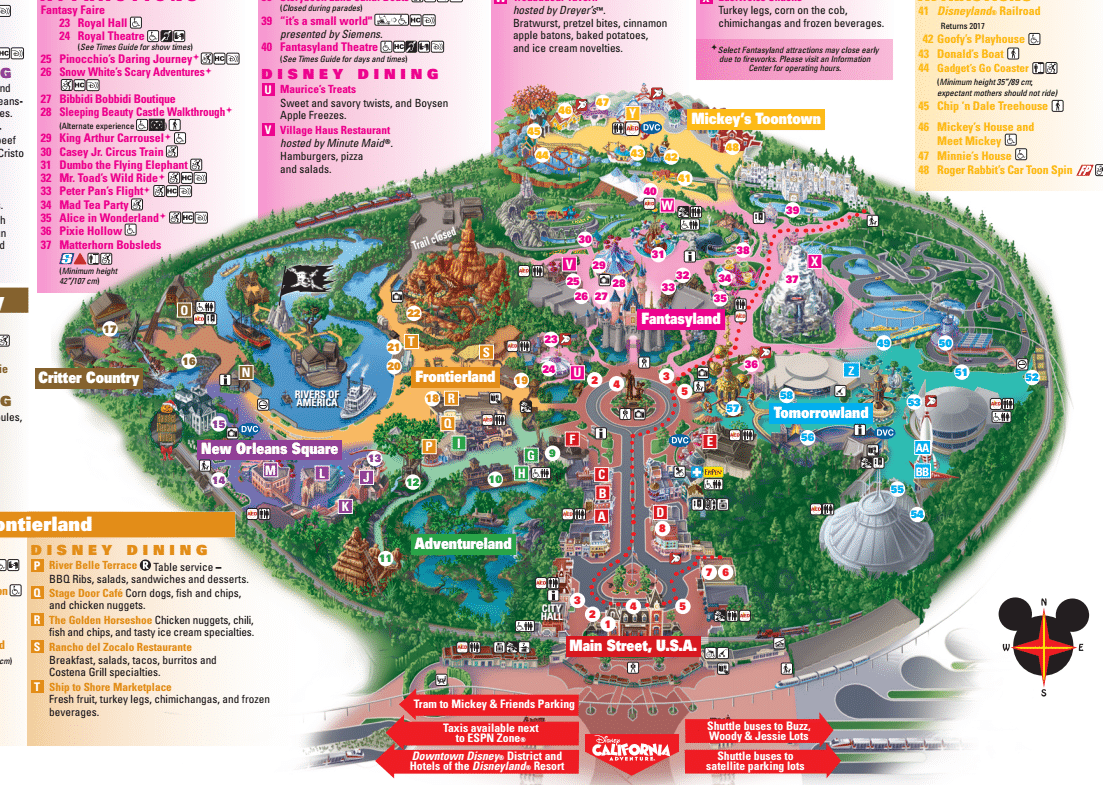
The heart of the resort, Disneyland Park, inaugurated in 1955, is the original vision brought to life. It occupies approximately 85 acres. While this might sound modest compared to some modern theme parks, the genius of its design lies in its incredible density and efficient use of space. Within these 85 acres are nine distinct themed lands, each a carefully crafted universe of its own:
- Main Street, U.S.A.: The nostalgic entryway, meticulously designed to evoke small-town America at the turn of the 20th century.
- Adventureland: A jungle expedition into exotic locales, home to classic attractions like the Jungle Cruise.
- New Orleans Square: A charming homage to the historic French Quarter, featuring iconic rides such as Pirates of the Caribbean and the Haunted Mansion.
- Critter Country: A rustic retreat with attractions like Splash Mountain (soon to be Tiana’s Bayou Adventure).
- Frontierland: A journey into the American Old West, complete with cowboys, Native Americans, and thrilling river adventures.
- Fantasyland: The land of perpetual youth and fairytales, centered around Sleeping Beauty Castle and beloved animated stories.
- Tomorrowland: A futuristic vision of innovation and space exploration, constantly evolving with new technologies.
- Mickey’s Toontown: The interactive cartoon world where guests can meet their favorite Disney characters.
- Star Wars: Galaxy’s Edge: The newest and largest expansion within the park, covering 14 acres and transporting guests to a galaxy far, far away.
The compact nature of Disneyland Park means that visitors can easily walk between lands, creating a sense of continuous discovery. This design efficiency is a hallmark of Walt Disney’s original concept, aiming to minimize guest fatigue while maximizing the magical immersion. It’s a testament to how careful planning can make even a dense space feel open and inviting, catering to millions of visitors without feeling overwhelmingly crowded most of the time.
Disney California Adventure Park: A Celebration of the Golden State
Opened in 2001 and significantly re-imagined over the years, Disney California Adventure Park covers approximately 72 acres. This park is a vibrant tribute to the history, culture, and natural beauty of California. While slightly smaller than its older sibling, it boasts equally impressive attractions and immersive environments, often appealing to those looking for a different kind of adventure. Its lands include:
- Buena Vista Street: Recreating Los Angeles as Walt Disney would have experienced it in the 1920s and ’30s.
- Grizzly Peak: An ode to California’s national parks, featuring thrilling rapids on Grizzly River Run.
- Pixar Pier: A re-imagined boardwalk celebrating beloved Pixar stories, with attractions like the Incredicoaster and Toy Story Midway Mania!.
- Pacific Wharf: Inspired by Monterey’s fishing wharves, offering diverse culinary experiences.
- Hollywood Land: A nostalgic journey into the golden age of Hollywood, featuring live shows and attractions.
- Cars Land: A spectacularly immersive recreation of Radiator Springs from the Pixar film Cars, anchored by the incredibly popular Radiator Springs Racers.
- Avengers Campus: The latest addition, an interactive land where guests can team up with superheroes and experience attractions like WEB SLINGERS: A Spider-Man Adventure and Guardians of the Galaxy – Mission: Breakout!.
The juxtaposition of the classic charm of Disneyland Park with the modern, culturally rich offerings of Disney California Adventure Park means the Disneyland Resort truly caters to a diverse range of preferences, making it a premier destination for tourism in Southern California.
Beyond the Parks: Downtown Disney District and Resort Hotels
Beyond the two theme parks, the remaining acreage of the 500-acre resort is dedicated to essential elements that complete the immersive experience. The Downtown Disney District is a bustling outdoor promenade offering a vibrant mix of shopping, dining, and entertainment options, accessible without a park ticket. It acts as a transitional space, allowing guests to relax and enjoy the magical atmosphere outside the ticketed areas.
Crucially, the resort also encompasses three official Disneyland Resort hotels, each offering unique themes and amenities that enhance the overall lifestyle aspect of a visit:
- Disneyland Hotel: The original hotel, blending classic Disney charm with modern comforts.
- Disney’s Grand Californian Hotel & Spa: An architectural masterpiece inspired by the Arts and Crafts movement, offering direct access to Disney California Adventure Park. This hotel embodies luxury travel within the resort.
- Pixar Place Hotel (formerly Disney’s Paradise Pier Hotel): A vibrant, newly re-imagined hotel celebrating the artistry of Pixar Animation Studios, offering unique perspectives on the theme parks.
These resorts are integral to the Disneyland Resort experience, offering convenience, exclusive perks, and a continuation of the themed immersion. For many, staying at one of these hotels is a key part of their Disney vacation and a factor in defining their overall travel lifestyle, from budget travel to luxury stays.
Navigating the Immense: Practicalities for Visitors
The sheer size of the Disneyland Resort has significant implications for visitors. From planning how to get around to choosing where to stay, understanding the layout is crucial for maximizing your time and enjoyment. It’s not just about knowing the acreage, but how that acreage translates into a tangible visitor experience.
Getting Around: Exploring the Disneyland Resort on Foot and by Transport
Despite its 500-acre expanse, the core of the Disneyland Resort is remarkably pedestrian-friendly. The two theme parks and the Downtown Disney District are all within comfortable walking distance of each other, often taking only 5-10 minutes to walk between park entrances or from the hotels to the parks. This compact design is a major advantage, eliminating the need for extensive internal transportation once inside the central area.
However, the perimeter of the resort, including parking structures and some off-site partner hotels, does require consideration for transportation. The Disneyland Resort provides trams that shuttle guests from the main parking structures to the park entrances, reducing walking distances. Additionally, local shuttles and ride-sharing services are readily available for guests staying at surrounding Anaheim hotels that are not within walking distance. For international or out-of-state travelers, understanding these transportation logistics is essential for a smooth arrival and departure. This level of convenience plays a large role in guest satisfaction and overall tourism appeal.
Where to Stay: Accommodating Every Traveler
The extensive nature of the Disneyland Resort means there are numerous accommodation options to suit every budget and travel style.
- On-site Resorts: As mentioned, the three official Disneyland Resort hotels offer the ultimate in convenience, proximity, and immersion. They are ideal for luxury travel or those prioritizing ease of access and premium amenities. Guests often enjoy perks like early park entry, making them a top choice for a truly special Disney vacation.
- “Good Neighbor” Hotels: Surrounding the resort are dozens of affiliated and non-affiliated hotels, ranging from budget-friendly motels to mid-range hotels with family suites. Many of these are within easy walking distance or a short shuttle ride to the parks. These options are perfect for budget travel or larger families seeking more space.
- Vacation Rentals and Apartments: For longer stays or groups, vacation rentals in Anaheim and surrounding areas like Garden Grove offer a different kind of accommodation, providing kitchens and multiple bedrooms, aligning with a more independent lifestyle.
When selecting accommodation, factors like the length of stay, group size, and desired amenities play a crucial role. Booking in advance and checking reviews and comparison sites are always recommended to find the best fit for your travel needs. The sheer volume of options reflects the immense scale of Disneyland as a tourism powerhouse.
The Impact of Size: More Than Just Square Footage
The physical dimensions of Disneyland California are impressive, but its true “bigness” extends beyond mere acreage. It encompasses its cultural impact, its economic significance, and its capacity to create deeply personal and lasting memories. This landmark has evolved into a global phenomenon, shaping the modern theme park industry and influencing countless aspects of popular culture.
Managing Crowds: The Illusion of Intimacy within Grandeur
One of the most remarkable feats of the Disneyland Resort’s design is its ability to manage massive crowds while still providing an intimate, immersive experience. The deliberate use of forced perspective, winding pathways, and distinct themed “lands” within the parks helps to distribute guests and create a sense of discovery rather than congestion. Even on peak days, while lines for popular attractions can be long, the parks rarely feel completely overwhelming thanks to careful planning and operational strategies.
The resort’s substantial size also allows for dedicated areas for parades, fireworks, and live entertainment, ensuring that spectators can find good viewing spots without completely blocking thoroughfares. This thoughtful spatial arrangement is a critical factor in the overall guest experience, maintaining the magic even amidst millions of annual visitors. It’s a prime example of how architectural and urban planning principles are applied in a themed entertainment setting, demonstrating innovative local culture of design.
Future Expansions and the Evolving Disneyland Experience
The philosophy that “Disneyland will never be completed” continues to guide its development. The overall 500 acres of the Disneyland Resort includes areas designated for future expansion, ensuring that the destination can continue to evolve and offer new experiences. Projects like the ongoing reimagining of Mickey’s Toontown, the recent addition of Avengers Campus, and the Pixar Place Hotel transformation are testaments to this commitment.
These continuous investments underscore the dynamic nature of Disneyland as a landmark and a leading tourism hub. For travelers and investors alike, the potential for growth and innovation makes Disneyland California a constantly evolving entity, promising new adventures for generations to come. This forward-thinking approach cements its status as not just a historical attraction but a vibrant, living testament to imagination and progress in the United States.

In conclusion, while the precise acreage of Disneyland Park (85 acres) and Disney California Adventure Park (72 acres) provides a numerical answer to “How Big Is Disneyland California?”, the true measure of its size lies in the comprehensive 500-acre Disneyland Resort. This expansive footprint accommodates not only the parks but also Downtown Disney District, three themed hotels, and a robust infrastructure that supports millions of visitors. It’s a grand scale designed to create an intimate, unforgettable experience for every guest, proving that when it comes to magic, bigger often means better.
LifeOutOfTheBox is a participant in the Amazon Services LLC Associates Program, an affiliate advertising program designed to provide a means for sites to earn advertising fees by advertising and linking to Amazon.com. Amazon, the Amazon logo, AmazonSupply, and the AmazonSupply logo are trademarks of Amazon.com, Inc. or its affiliates. As an Amazon Associate we earn affiliate commissions from qualifying purchases.