
Walt Disney World Resort in Florida is more than just a collection of theme parks; it is a sprawling, meticulously planned destination that redefines the concept of a vacation. For first-time visitors and seasoned travelers alike, one question often looms large: just how big is this magical kingdom? The answer isn’t merely a number on a map; it’s a testament to ambitious vision, unparalleled infrastructure, and an immersive guest experience that stretches far beyond the turnstiles of its iconic attractions. Understanding the sheer scale of Walt Disney World Resort is fundamental to appreciating its logistical marvels, its diverse offerings for every lifestyle, and its profound impact on the landscape of Central Florida tourism.
When people refer to the size of Walt Disney World Resort, they are often grappling with the challenge of planning a trip that encompasses even a fraction of what this colossal property has to offer. From opulent resorts and vibrant entertainment districts to championship golf courses and extensive conservation areas, the scale of Walt Disney World Resort necessitates careful navigation and strategic planning. It’s a place where “travel” within the destination itself can take significant time, and where “accommodation” options range from luxurious suites to budget-friendly apartments, each offering a unique gateway to the magic. This article will delve into the true dimensions of Walt Disney World Resort, comparing its vastness to other well-known locales, breaking down its diverse components, exploring the historical vision behind its immense growth, and offering insights into how visitors can best experience this colossal landmark.
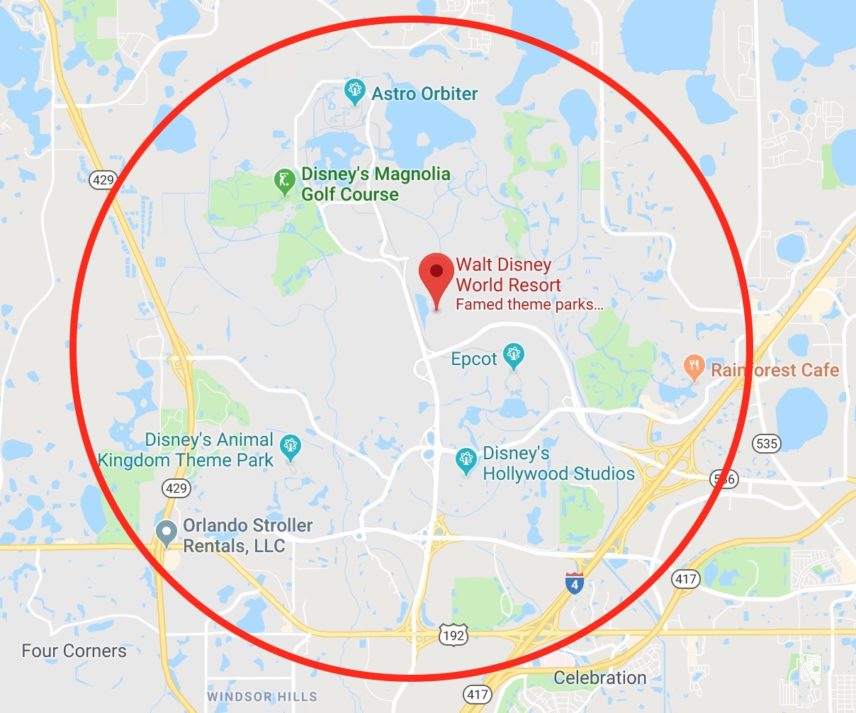
A Kingdom of Unprecedented Scale: Unpacking the Numbers
The size of Walt Disney World Resort is staggering, a fact that often surprises even those who have visited multiple times. It’s not just a large theme park; it’s an entire ecosystem, carefully designed to immerse guests fully and manage millions of visitors each year. The sheer scale dictates everything from transportation systems to the feeling of escapism visitors experience.
The Sheer Scope: Acres and Square Miles
At its core, Walt Disney World Resort spans approximately 27,000 acres, or roughly 43 square miles (110 square kilometers). To put that into perspective, this makes it roughly the size of the city of San Francisco, or twice the size of Manhattan. When Walt Disney first envisioned his “Florida Project” in the 1960s, he deliberately acquired an enormous tract of land, significantly larger than the original Disneyland Resort in California. This immense purchase was strategic, designed to provide ample buffer zones to protect the immersive experience from encroaching urban development, and to allow for virtually limitless future expansion.
Of this vast acreage, a significant portion remains undeveloped, dedicated to conservation areas, wetlands, and natural habitats. This commitment to maintaining natural beauty and ecological balance is a lesser-known but crucial aspect of the resort’s planning. Only about a third of the total land is currently developed for theme parks, resorts, and other guest-facing amenities, leaving vast tracts for future innovation and ensuring that the magic can continue to grow without external interference. This foresight has allowed Walt Disney World Resort to remain a premier “travel” destination, continuously evolving and expanding its offerings while preserving a sense of natural beauty and seclusion.

Putting It in Perspective: Comparisons to Famous Locales
To truly grasp the magnitude of Walt Disney World Resort, it helps to compare it to other recognizable landmarks and cities:
- Twice the size of Manhattan: Imagine fitting all the skyscrapers, iconic neighborhoods, and bustling streets of Manhattan into half of Walt Disney World Resort’s footprint. This comparison highlights not only its vastness but also the diversity of experiences packed into its space.
- Roughly the size of San Francisco: The entire city of San Francisco, with its famous hills, bridges, and diverse districts, could comfortably fit within the boundaries of Walt Disney World Resort.
- Larger than many independent cities: The resort is larger than the entire city of Paris, France, if you exclude its suburbs. This often comes as a shock, considering Paris is a major global city and tourist destination itself, renowned for its “landmarks” and culture.
- Significantly larger than other theme park resorts: While other integrated resorts exist, few rival Disney World’s scale. The original Disneyland Resort in Anaheim, California, for example, is a mere 500 acres, illustrating Walt Disney World Resort’s truly unprecedented scope. Even Universal Orlando Resort, a major competitor and “attraction” in its own right, occupies roughly a fifth of the land size of its Disney counterpart.
These comparisons underscore the unparalleled ambition behind Walt Disney World Resort and set the stage for understanding the sheer logistical complexity involved in running such an extensive operation. It’s a self-contained world designed for total immersion, where the outside world feels miles away, precisely because it is.
Beyond the Theme Parks: The Multifaceted Landscape of Disney World
The common perception of Walt Disney World Resort often centers solely on its theme parks. However, to truly comprehend its vastness, one must look beyond the iconic castles and thrilling rides to discover the intricate network of entertainment, accommodation, and recreational facilities that comprise this mega-destination. Each component contributes to the overall footprint and offers distinct “experiences” for visitors.
The Four Iconic Theme Parks
These are the primary draws, the “attractions” that capture the imagination of millions. Each park is a world unto itself, contributing significantly to the resort’s developed area:
- Magic Kingdom Park: The original Walt Disney World Resort park, anchored by the iconic Cinderella Castle. While not the largest by acreage, its intricate design and density of attractions make it feel expansive. It covers roughly 107 acres (0.16 square miles).
- Epcot: Twice the size of Magic Kingdom Park, Epcot is dedicated to technological innovation and global culture. Its Future World (soon to be World Discovery, World Nature, World Showcase) and World Showcase Lagoon areas contribute significantly to its 300-acre footprint (0.47 square miles). The World Showcase alone, encircling a large lagoon, features pavilions representing 11 countries, creating a vast area for exploration and “tourism” focused on international cultures and cuisines.
- Disney’s Hollywood Studios: Celebrating the golden age of Hollywood and immersive storytelling, particularly with its Star Wars: Galaxy’s Edge and Toy Story Land additions. This park spans around 135 acres (0.21 square miles), offering a blend of nostalgic glamour and cutting-edge attractions.
- Disney’s Animal Kingdom Theme Park: By far the largest of the four theme parks, covering an astonishing 580 acres (0.91 square miles). Its vastness is intentional, designed to accommodate expansive animal habitats, including the Kilimanjaro Safaris, and the breathtaking world of Pandora – The World of Avatar. This park alone rivals the size of many smaller theme parks entirely. Its focus on nature aligns perfectly with the website’s “landmarks” theme, featuring the stunning Tree of Life and numerous naturalistic environments.
Water Parks, Entertainment Districts, and Sporting Venues
Beyond the main gates, the magic continues across various other highly developed areas, crucial for a complete Walt Disney World Resort “lifestyle” and “tourism” experience:
- Water Parks: Disney’s Typhoon Lagoon Water Park and Disney’s Blizzard Beach Water Park offer aquatic thrills and relaxation, each occupying significant real estate with their themed environments, wave pools, and elaborate slides.
- Disney Springs: This vibrant outdoor complex is a dynamic hub for dining, shopping, and entertainment, covering approximately 120 acres. It’s a popular spot for guests staying at “hotels” inside and outside the resort, offering a lively atmosphere that extends the Disney experience beyond the parks without requiring park admission.
- ESPN Wide World of Sports Complex: A colossal multi-sport facility spanning over 220 acres. It hosts numerous amateur and professional sporting events throughout the year, drawing athletes and spectators from around the globe, making it a unique “attraction” and a major contributor to sports tourism in Orlando.
- Golf Courses: Walt Disney World Resort is home to several championship golf courses, including Palm Golf Course, Magnolia Golf Course, and Lake Buena Vista Golf Course. These lush, meticulously maintained courses add significantly to the resort’s green space and appeal to a different segment of the “luxury travel” and “lifestyle” market.
An Ecosystem of Accommodation: Resorts and Hotels
Integral to the Walt Disney World Resort experience is its vast array of on-site “accommodation” options. There are over 30 Disney Resort hotels, offering more than 36,000 rooms and suites, categorized by price point – Value, Moderate, and Deluxe. These “hotels” are not just places to sleep; they are extensions of the theme park magic, each with its own unique theme, dining experiences, and amenities.
- Deluxe Resorts: Properties like Disney’s Grand Floridian Resort & Spa, Disney’s Polynesian Village Resort, and Disney’s Contemporary Resort are massive, sprawling complexes offering premium experiences, multiple pools, fine dining, and direct access to theme parks via monorail or boat.
- Moderate Resorts: Mid-range options such as Disney’s Caribbean Beach Resort and Disney’s Coronado Springs Resort are also significant in size, often featuring large man-made lakes, multiple bus stops, and extensive grounds.
- Value Resorts: Even the “budget travel” friendly Art of Animation Resort or Pop Century Resort occupy considerable land, with their oversized theming and multiple buildings.
The sheer number and size of these resorts are a testament to the comprehensive nature of Walt Disney World Resort as a complete destination, designed to cater to every budget and preference, ensuring that “booking” a stay is just as much a part of the “travel” experience as visiting the parks.
The Vision Behind the Vastness: How Disney World Grew
The immense scale of Walt Disney World Resort was no accident; it was the result of a deliberate and ambitious vision by Walt Disney himself. His experiences with Disneyland Resort in California taught him valuable lessons about the need for control and space, shaping the very foundation of the Florida project.
Walt Disney’s Grand Design
In the early 1960s, Walt Disney began secretly acquiring vast tracts of swamp and agricultural land in Central Florida, using various dummy corporations to avoid price gouging. His objective was not just to build another theme park, but to create an entire “community of tomorrow” – an Experimental Prototype Community of Tomorrow, or EPCOT, as he envisioned it. This vision required an unprecedented amount of land to ensure total creative control and protection from the commercialism that had sprung up around Disneyland Resort.
The land was so expansive that it allowed for the creation of the Reedy Creek Improvement District, a special taxing district that granted Disney the authority to act as its own municipal government, responsible for infrastructure, utilities, and land use planning. This level of self-governance was critical to realizing Walt Disney’s grand design, enabling the construction of an entire world from scratch, complete with its own roads, power plants, and emergency services. This historical context reveals that the resort’s size is intrinsically linked to a pioneering spirit of innovation and self-sufficiency in “tourism” and urban planning.
The Role of Undeveloped Land and Infrastructure
Even today, the large proportion of undeveloped land within Walt Disney World Resort serves multiple purposes. It acts as a natural buffer, preserving the escapist ambiance of the parks and resorts from the bustling development of Orlando. It also provides vital ecological corridors and conservation areas, demonstrating a commitment to environmental stewardship, which is an important aspect of modern “lifestyle” and responsible “tourism”.
Furthermore, the vastness of the property necessitated the development of an extensive and sophisticated internal transportation network. The iconic Walt Disney World Monorail System connects Magic Kingdom Park and Epcot with several deluxe resorts. A vast fleet of buses services all areas of the resort. Water taxis ferry guests across lakes and lagoons, and the newer Disney Skyliner gondola system offers panoramic views while connecting Epcot, Disney’s Hollywood Studios, and several moderate and value resorts. This intricate web of transportation is a direct response to the resort’s expansive footprint, ensuring that guests can navigate the immense property efficiently and comfortably, which is a key consideration for anyone planning “travel” to such a large destination.
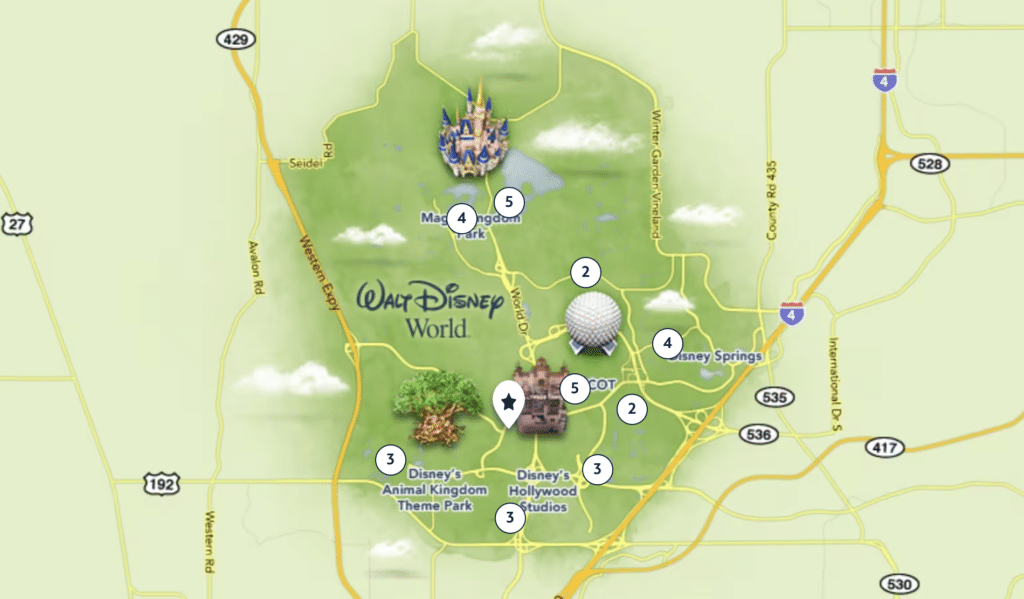
Navigating the Immense: Practicalities for Visitors
The sheer size of Walt Disney World Resort has profound implications for the visitor experience. It transforms a simple vacation into an adventure requiring strategic planning, especially for those seeking to maximize their time and “experiences” within this grand destination.
Planning for the Scale: Travel and Logistics
Understanding the dimensions of Walt Disney World Resort is the first step in successful vacation planning. It means accepting that you cannot “do it all” in a single trip, and that travel time between locations is a real factor.
- Inter-park travel: Unlike smaller theme parks, hopping between Magic Kingdom Park and Disney’s Animal Kingdom Theme Park can take 30-60 minutes, factoring in bus waits and travel duration. This impacts daily itineraries and the feasibility of park hopping.
- Dining Reservations: Booking restaurant reservations for dining across different parks or resorts requires careful consideration of travel time. A meal at Chef Mickey’s at Disney’s Contemporary Resort might be a great “food” experience, but it needs to align with your park schedule and allow ample buffer for transportation.
- Foot Traffic: Guests should prepare for significant walking. Even within a single park, distances can be considerable. Wear comfortable shoes and build in rest breaks to fully enjoy the “attractions” and “landmarks”.
For those seeking efficient “travel” and minimal fuss, staying at a Disney resort hotel offers invaluable benefits, including complimentary transportation throughout the property, which significantly eases the logistical challenges posed by the resort’s size.
Maximizing Your Experience in a Massive World
To truly appreciate the wonder of Walt Disney World Resort, an informed approach to planning is essential. This aligns perfectly with the website’s “guides” and “tips” for “tourism”.
- Utilize Digital Tools: The My Disney Experience app is indispensable. It provides real-time wait times, park maps, mobile ordering for food, and integration with your itinerary, helping you navigate the vastness with ease.
- Focus on Regions: Instead of trying to crisscross the entire property daily, consider focusing on geographically related parks or resorts. For example, Epcot and Disney’s Hollywood Studios are close enough to be easily accessed via the Disney Skyliner or a pleasant walk/boat ride from Disney’s BoardWalk Inn, Disney’s Beach Club Resort, or Disney’s Yacht Club Resort.
- Embrace Resort Hopping: The resorts themselves are “destinations” worth exploring. Many guests enjoy “resort hopping” to experience the unique themes, dining, and shopping at properties like Disney’s Animal Kingdom Lodge or Disney’s Riviera Resort, broadening their “accommodation” and “lifestyle” experiences.
- Consider Multi-Day Tickets: Given the sheer size and number of attractions, a multi-day ticket is almost a necessity to avoid rushing and truly savor the “experiences”. For “long-term stay” visitors, annual passes offer even more flexibility.
The immense size of Walt Disney World Resort is not merely a logistical challenge; it is a fundamental aspect of its identity and its enduring appeal as a world-class “landmark” and “travel” destination. It allows for an unparalleled level of immersion, a diversity of offerings, and the promise of endless discovery.
In conclusion, Walt Disney World Resort in Florida is an extraordinary feat of imagination and engineering. Spanning roughly 43 square miles, it is an integrated world of theme parks, water parks, dozens of hotels, entertainment complexes, golf courses, and vast conservation areas. This monumental scale, a direct result of Walt Disney’s visionary land acquisition, ensures that the resort remains an unparalleled “travel” destination, capable of offering a diverse array of “experiences” for every guest, whether they seek “luxury travel” or “budget travel”, a family adventure or a business stay. Understanding its true dimensions is key to appreciating its status as a global “landmark” and planning an unforgettable journey through its many magical realms. It is a destination where the magic truly feels boundless, simply because, in terms of sheer size and scope, it nearly is.
LifeOutOfTheBox is a participant in the Amazon Services LLC Associates Program, an affiliate advertising program designed to provide a means for sites to earn advertising fees by advertising and linking to Amazon.com. Amazon, the Amazon logo, AmazonSupply, and the AmazonSupply logo are trademarks of Amazon.com, Inc. or its affiliates. As an Amazon Associate we earn affiliate commissions from qualifying purchases.