
The question of “how big is France compared to Texas?” often sparks curiosity, juxtaposing a cornerstone of European culture with a titan of the American Southwest. While seemingly straightforward, the answer reveals fascinating insights not just into geographical dimensions, but also into the diverse travel experiences and lifestyles each entity offers. On the surface, the two share a remarkable similarity in land area, yet their intrinsic natures—from population density and landscape to cultural heritage and tourism infrastructure—present worlds apart for the discerning traveler.
A Tale of Two Titans: Geographical Dimensions
At the heart of the comparison lies the raw data of land area. Understanding these figures is the first step in appreciating the scale of both France and Texas, and how they shape the journeys one might embark upon within their borders.
The Raw Numbers: Land Area and Shape
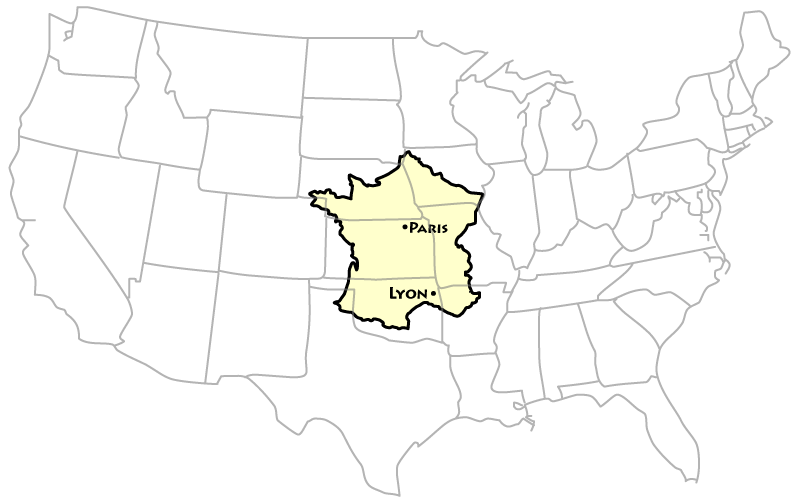
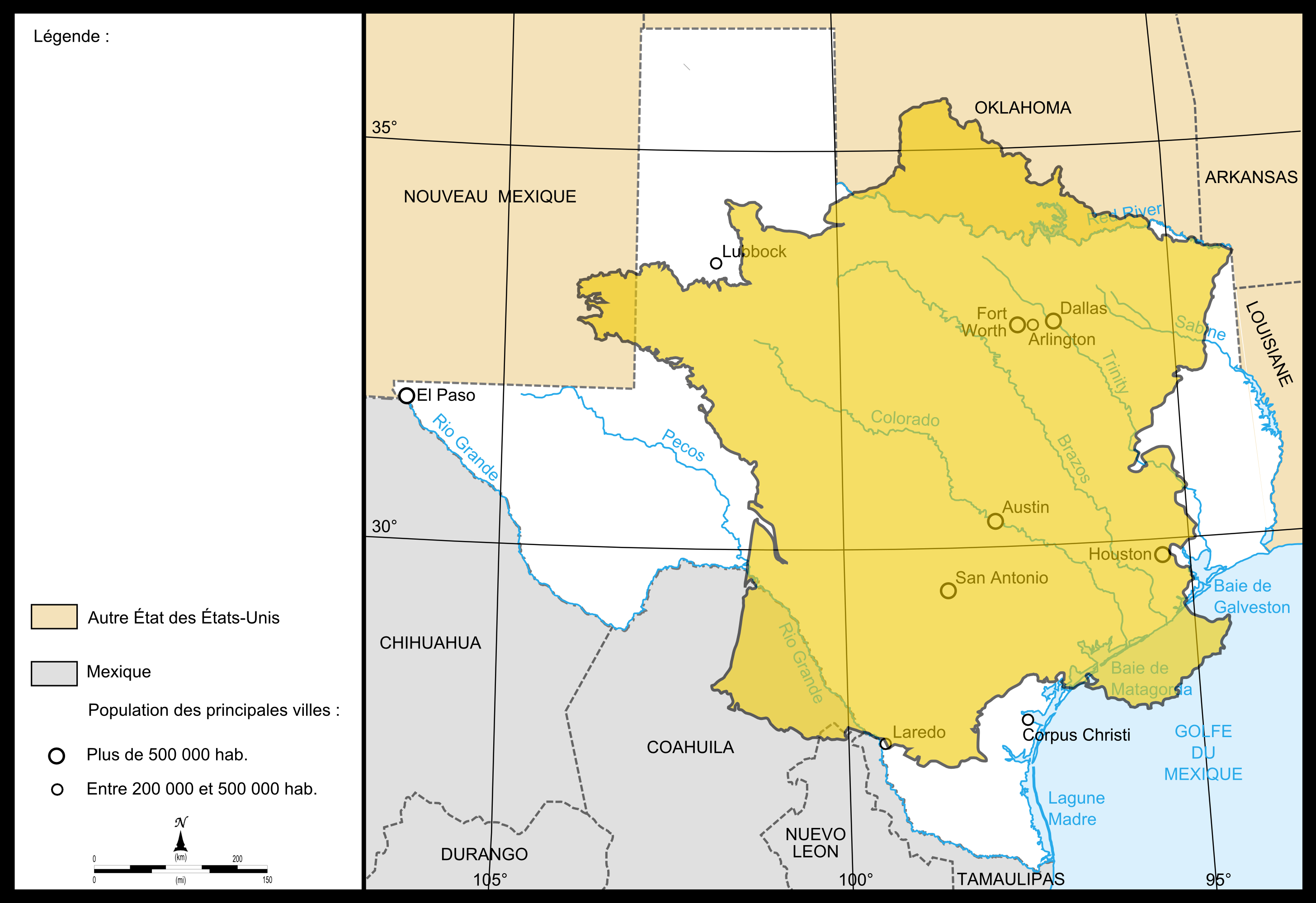
Let’s put the numbers into perspective. Mainland France spans approximately 213,011 square miles (551,695 square kilometers). This figure, while substantial, doesn’t always include its various overseas departments and territories, which if added, would slightly increase its overall footprint. Texas, the second-largest state in the United States, boasts a total area of about 268,596 square miles (695,662 square kilometers).
What these numbers tell us is that Texas is, in fact, slightly larger than mainland France—roughly 26% larger, to be more precise. Imagine driving across either. Traversing France from its northern coast to its Mediterranean shores, or from the Atlantic west to the Alps in the east, offers an incredible diversity of landscapes within a relatively compact space. You’d encounter everything from the dramatic cliffs of Normandy, the rolling vineyards of Bordeaux and Burgundy, the majestic peaks of the Pyrenees Mountains and the Alps, to the sun-drenched beaches of the French Riviera.
Texas, on the other hand, presents a different kind of vastness. Its expansive terrain encompasses everything from the piney woods of East Texas, the sprawling plains of the Panhandle, the rugged canyons and desert landscapes of Big Bend National Park in the west, the temperate Gulf Coast, and the undulating Hill Country in the central region. The sheer scale of Texas means that experiencing its full geographical spectrum often necessitates extensive road trips, truly embodying the spirit of American adventure.
Beyond Borders: Population and Density
While land area provides a quantitative measure, population density offers a qualitative insight into the character of a place. France has a population of over 68 million people, resulting in an average density of approximately 319 people per square mile (123 per square kilometer). This relatively high density, especially concentrated around major urban centers like Paris, Lyon, and Marseille, means that even in rural areas, you’re never truly far from a quaint village, a historic town, or a bustling market. The infrastructure is well-developed, with efficient public transport networks (including the high-speed TGV trains) connecting these populous hubs, making travel across the country incredibly convenient.
Texas, despite being larger, has a slightly lower population, nearing 31 million residents. This translates to an average population density of around 115 people per square mile (44 per square kilometer). This lower density, coupled with vast stretches of uninhabited or sparsely populated land, contributes to a distinct sense of wide-open spaces and frontier spirit. While major metropolitan areas like Houston, Dallas, San Antonio, and Austin are vibrant and densely populated, the distances between them can be considerable, making car travel often a necessity for exploring beyond city limits.
The implication for travelers is profound. In France, you can often combine several distinct experiences—from urban exploration to rural charm and coastal relaxation—within a single, relatively short trip, thanks to its density and efficient transport. In Texas, exploring its various regions often means embracing the journey itself, with scenic drives through diverse terrains becoming an integral part of the adventure.
Cultural Tapestry and Travel Experiences
Beyond the raw statistics, the real difference between France and Texas emerges in their distinct cultural offerings, tourist attractions, and the very essence of their travel experiences. Each destination, in its own expansive way, promises a unique adventure catering to a wide array of preferences, from luxury travel to budget-friendly escapades.
France: Europe’s Quintessential Destination
France, for many, is the epitome of European charm and sophistication. Its smaller, denser footprint belies an astonishing wealth of history, art, gastronomy, and natural beauty, making it a perennial top choice for global travelers.
- Travel and Destinations: The capital city, Paris, is a magnet for millions, celebrated for iconic landmarks like the Eiffel Tower, the Louvre Museum, the majestic Notre Dame Cathedral, and the bustling Champs-Élysées. Beyond Paris, regions like Provence allure with lavender fields and ancient Roman ruins, while the French Riviera (including glamorous cities like Nice and Cannes) offers a taste of Mediterranean luxury. The Loire Valley captivates with its fairytale châteaux, and the historic beaches of Normandy provide a poignant journey through recent history.
- Tourism: Culture, Food, and Activities: French cuisine is a cornerstone of its identity, from Michelin-starred dining in Paris to regional specialties like coq au vin or bouillabaisse. Wine tasting tours in Bordeaux, Burgundy, or the Champagne region are an essential experience. Cultural activities range from exploring world-class museums like the Musée d’Orsay to attending a performance at the Opéra Garnier. Tips for travelers often include embracing the local pace, practicing a few French phrases, and indulging in leisurely café culture.
- Hotels and Accommodation: France offers an impressive spectrum of accommodation. Luxury hotels in Paris and the French Riviera boast opulent suites and world-class amenities. Boutique hotels in Nice or Lyon offer unique charm. For a truly immersive experience, historic châteaux stays or charming rural villas in Provence or the Loire Valley provide a taste of aristocratic living. Apartments for long-term stays are popular in cities, offering a chance to live like a local.
- Lifestyle: France appeals to a diverse lifestyle of travelers. It’s an unparalleled destination for romantic getaways, offering picturesque settings and intimate dining. For family trips, attractions like Disneyland Paris combine with educational historical sites. Business stays are well-catered for in major cities, with top-tier conference facilities and corporate accommodations. Budget travelers can find comfortable hostels or charming guesthouses, especially outside the main tourist hubs.
Texas: The Heart of the American Southwest
Texas, with its larger landmass, presents a different kind of grandeur and a distinctly American experience shaped by its cowboy heritage, diverse cultures, and burgeoning modern cities.
- Travel and Destinations: The state’s major cities each offer a unique flavor. Houston is a hub for space exploration (home to the NASA Johnson Space Center) and a burgeoning culinary scene. Dallas boasts world-class museums, upscale shopping, and a vibrant arts district. Austin, the state capital, is renowned as the “Live Music Capital of the World,” a haven for outdoor enthusiasts and a growing tech hub. San Antonio is steeped in history, famous for The Alamo and its picturesque Riverwalk. Beyond the cities, natural attractions like Big Bend National Park offer stunning desert landscapes and hiking, while South Padre Island provides sandy beaches and coastal relaxation.
- Tourism: Culture, Food, and Activities: Texas is synonymous with authentic BBQ, Tex-Mex cuisine, and country music. Activities range from attending a rodeo in Fort Worth to exploring the many vineyards in the Hill Country around Fredericksburg. Outdoor adventures abound, from kayaking on Lady Bird Lake in Austin to exploring the caves of Natural Bridge Caverns. Tips for visiting Texas often emphasize planning for long drives, staying hydrated, and embracing its friendly, laid-back atmosphere.
- Hotels and Accommodation: Accommodation in Texas caters to a wide range of tastes. In major cities, luxury high-rise hotels in Dallas or Houston offer sophisticated suites and modern amenities. Austin is home to numerous resorts with spa facilities and vibrant pool scenes. For a unique experience, historic ranches in the Hill Country provide an authentic Texan stay, often including horseback riding and hearty meals. Vacation rentals and apartments are popular for family trips or extended stays, especially near popular attractions like Six Flags Over Texas in Arlington.
- Lifestyle: Texas is ideal for those who love road trips and a sense of adventure. It’s a fantastic destination for family vacations, offering theme parks, wildlife encounters, and plenty of space to explore. Business travelers will find excellent facilities in Dallas, Houston, and Austin. The state’s vastness also lends itself to budget travel, with numerous state parks, campgrounds, and affordable dining options available across its diverse regions.
Navigating Your Journey: Logistics and Lifestyle
The comparative sizes of France and Texas don’t just impact what you see, but also how you plan and experience your journey, from booking to the kind of lifestyle you seek on your travels.
Planning Your Adventure: From Booking to Exploration
Whether you choose the compact elegance of France or the expansive charm of Texas, effective planning is key. Booking flights, especially international ones to Paris or domestic routes within the United States to Dallas or Houston, should be done in advance. Car rentals are almost essential for exploring the wider landscapes of Texas, while France’s excellent train network can often suffice, though a car provides freedom for rural exploration.
When it comes to accommodation, the choice is vast. Websites offer detailed reviews and comparisons of hotels, resorts, apartments, and villas. In France, you might compare a luxurious suite in a Parisian hotel with a rustic villa in Provence or a quaint apartment in Lyon. For Texas, the decision could be between a high-end resort in Austin, a family-friendly apartment near a Galveston beach, or a unique ranch stay in the Hill Country. Long-term stays are increasingly popular in both, especially for digital nomads or those seeking a more in-depth cultural immersion, with numerous options for furnished apartments or serviced residences. Travel guides for both destinations provide invaluable tips on local etiquette, safety, and must-see attractions, enhancing the overall experience.
The Traveler’s Choice: What Size Experience Do You Seek?
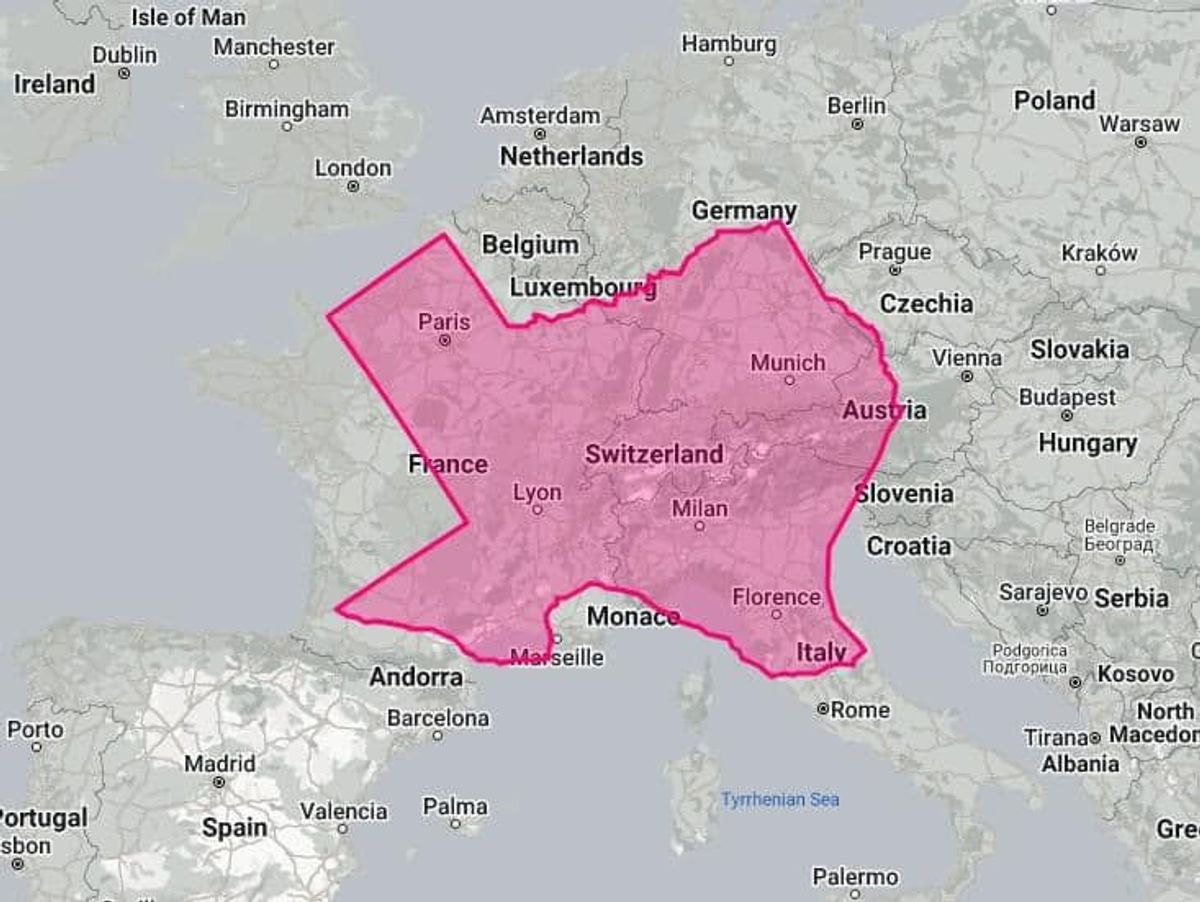
Ultimately, the choice between France and Texas, despite their similar landmasses, comes down to the type of travel experience one desires.
If you seek a journey rich in ancient history, world-renowned art, sophisticated cuisine, and diverse landscapes interconnected by efficient infrastructure, France is an undeniable draw. It’s a country where you can easily transition from the urban grandeur of Paris and its landmarks like the Arc de Triomphe, to the stunning natural beauty of the Gorges du Verdon, or the medieval marvel of Mont Saint-Michel within days, sometimes even hours. This makes it ideal for those who appreciate variety and efficiency in their exploration.
Conversely, if your travel philosophy leans towards grand horizons, a blend of cowboy culture and modern cityscapes, a vibrant music scene, and the sheer expanse of the American wilderness, then Texas calls. It’s a place where the journey between destinations is as much a part of the experience as the destinations themselves, inviting road trips that reveal shifting terrains, from the vibrant Corpus Christi coast to the desert near El Paso. Its various national and state parks, such as Guadalupe Mountains National Park and the Big Thicket National Preserve, offer boundless opportunities for nature lovers.
In conclusion, while Texas might boast a slightly larger land area than mainland France, the true measure of their “bigness” lies in the breadth and depth of the experiences they offer. France provides a densely packed mosaic of European culture, history, and natural beauty, easily accessible and rich in refined pleasures. Texas offers an expansive canvas of American diversity, with wide-open spaces, distinct regional cultures, and a spirit of adventure that rewards those willing to explore its vast frontiers. Both are monumental in their own right, promising unforgettable journeys for every type of traveler.
LifeOutOfTheBox is a participant in the Amazon Services LLC Associates Program, an affiliate advertising program designed to provide a means for sites to earn advertising fees by advertising and linking to Amazon.com. Amazon, the Amazon logo, AmazonSupply, and the AmazonSupply logo are trademarks of Amazon.com, Inc. or its affiliates. As an Amazon Associate we earn affiliate commissions from qualifying purchases.