
The majestic Maine Coon, often referred to as the “gentle giant” of the cat world, captivates hearts with its impressive size, luxuriant fur, and amiable disposition. While their stunning appearance and substantial stature are undeniable draws, understanding the specifics of their growth and dimensions is crucial for prospective owners and admirers alike. This exploration delves into the physical characteristics of the Maine Coon, examining what makes them so notably large, how they compare to other feline breeds, and what factors influence their development, all within the context of how this magnificent breed might fit into your travel plans or lifestyle choices.

The Gentle Giant: Understanding Maine Coon Size
When one hears the term “Maine Coon,” the immediate image is of a cat of considerable proportions. These are not your average house cats; they are a breed meticulously developed through natural selection in the rugged climate of Maine. Their size is a testament to their origins, an adaptation that helped them thrive in harsh winters and hunt effectively in the dense forests and coastal regions of New England.
Physical Attributes of a Large Breed
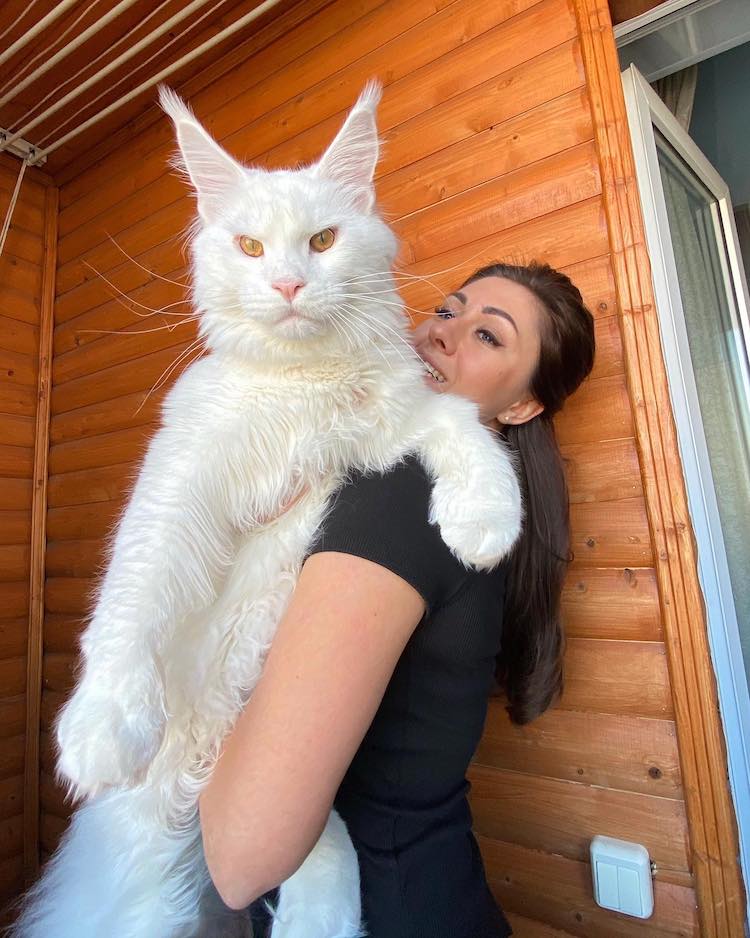
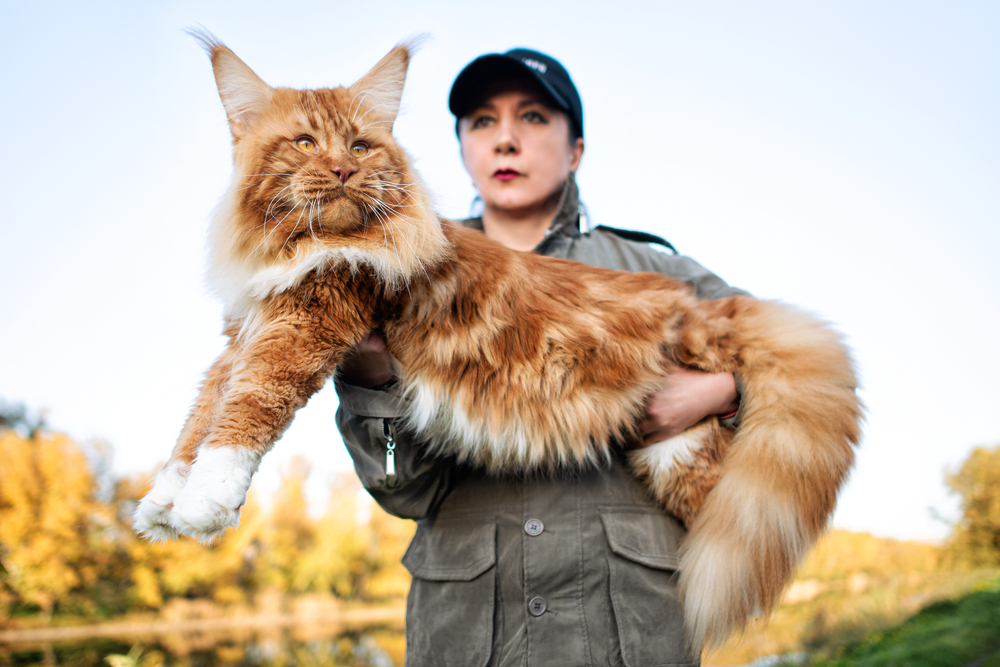
The most striking feature of a Maine Coon is undeniably its size. Males are typically larger than females, a common trait in many animal species. An adult male Maine Coon can easily weigh between 15 to 25 pounds, and in some exceptional cases, even surpass 30 pounds. Females, while still substantial, generally range from 10 to 15 pounds. To put this into perspective, the average domestic cat weighs around 8 to 10 pounds. This means a male Maine Coon can be two to three times the size of an average cat.
Beyond weight, their length is equally impressive. From the tip of their nose to the end of their tail, a large male Maine Coon can measure up to 40 inches, making them one of the longest domestic cat breeds. Their bodies are long and rectangular, with a broad chest and a muscular build that speaks to their powerful physique. This robust frame is supported by sturdy, well-proportioned legs that allow for impressive leaps and agile movements, despite their size.
Their distinctive bushy, plume-like tail is another characteristic that adds to their overall impressive silhouette. Often as long as their body, the tail serves as a warm wrap in cold weather and contributes to their balanced gait. The fur itself is a significant factor in their perceived size. Maine Coons possess a thick, shaggy double coat that is water-repellent, a vital adaptation for their native environment. This dense fur, particularly around the neck (forming a mane), flanks, and hindquarters, can make them appear even larger than they are. The texture of their coat transitions from softer fur on their underside to coarser, protective guard hairs on their back and sides.
The head of a Maine Coon is also notable. It’s medium to long in length, with a square muzzle and high cheekbones, giving them a distinctive, somewhat wild appearance. Their large, expressive eyes can be green, gold, or copper, and their ears are large, tall, and wide at the base, often tufted with fur, further enhancing their wild look and contributing to their regal presence.
Growth and Development Stages
Maine Coons are slow-maturing cats. Unlike many other breeds that reach their full adult size by the age of one, Maine Coons continue to grow for three to five years. This extended growth period is a key reason for their remarkable final size. Kittens are born small, as all kittens are, but their growth trajectory is significantly different.
Kittenhood (0-6 months): During this initial phase, Maine Coon kittens experience rapid growth, gaining weight and size quickly. However, they still appear proportional to other kittens their age. The true scale of their future size begins to become evident as they approach adolescence.
Adolescence (6 months – 2 years): This is a period of significant development. Maine Coons will continue to gain substantial weight and length. Their frames broaden, and their muscle mass increases. By the end of this stage, they will have achieved a significant portion of their adult size, often reaching the size of a typical adult cat from other breeds.
Young Adulthood (2-4 years): Maine Coons continue to fill out during these years. While their growth in length may slow down, they gain more muscle and density. This is when they truly embody the “gentle giant” persona, reaching their peak physical condition and impressive weight.
Maturity (4-5 years and beyond): Some Maine Coons may continue to gain a bit more weight and muscle until they are around five years old. By this age, they are considered fully mature, and their impressive size is firmly established. Their health and well-being during these formative years are paramount to ensuring they reach their full, healthy potential.
Comparing Maine Coons to Other Feline Breeds
The impressive size of the Maine Coon often leads to questions about how they stack up against other popular cat breeds. While many domestic cats fall within a similar average weight range, the Maine Coon consistently stands out as one of the largest.
The “Gentle Giants” Club
Within the feline world, there are a few breeds known for their substantial size. The Norwegian Forest Cat, for instance, shares a similar history and appearance with the Maine Coon, originating from the cold climates of Scandinavia. These cats also possess a thick double coat and a robust build, often reaching similar weights and lengths to their Maine counterparts.
The Siberian Cat, another ancient breed from Russia, is also a contender for large size. Known for their impressive musculature and dense fur, Siberians can grow quite large, though they are sometimes slightly smaller on average than the largest Maine Coons.
The Ragdoll breed, while not as consistently massive as the Maine Coon, is also known for its considerable size and weight, often weighing in the upper range of average domestic cats. Their placid nature, however, is a defining characteristic that sets them apart, even when considering size.
Average Domestic Cat vs. Maine Coon
The contrast between a Maine Coon and an average domestic shorthair or longhair cat is stark. While a typical house cat might weigh between 8 to 10 pounds and measure around 18 to 20 inches in length (excluding the tail), a mature male Maine Coon can easily weigh 15 to 25 pounds and reach lengths of up to 40 inches. This difference is not just about weight but also about bone structure, muscle mass, and overall body length. The Maine Coon possesses a larger, more solid skeletal frame and a significantly greater muscle density, contributing to their imposing presence.
When considering travel, the size of a pet can be a significant factor. For those considering bringing a feline companion on a journey, understanding these size differences is crucial for selecting appropriate carriers, determining airline regulations (if applicable, though most airlines have strict policies regarding animal transport), and ensuring comfortable accommodation. For example, a large Maine Coon might require a more spacious carrier than a smaller breed, impacting luggage allowances and overall travel logistics.
Factors Influencing Size
While genetics play the primary role in determining a Maine Coon’s potential size, several other factors contribute to their development.
Nutrition
Proper nutrition is paramount for a growing cat. A balanced diet rich in protein and essential nutrients is vital for healthy bone and muscle development. High-quality kitten food formulated for large breeds can provide the necessary support during their extended growth phase. Overfeeding can lead to obesity, which can cause health problems and may not necessarily lead to greater healthy size. Conversely, undernourishment can stunt growth, preventing them from reaching their genetic potential.
Health and Veterinary Care
Regular veterinary check-ups are essential to ensure the cat is growing as expected and to identify any potential health issues that could impact their development. Conditions like parasites, hormonal imbalances, or genetic health problems can affect a cat’s growth rate and overall size. Responsible breeders will screen their cats for common genetic conditions, ensuring that kittens are born healthy and with a good foundation for growth.
Genetics and Lineage
The most significant factor influencing a Maine Coon’s size is its genetic makeup. Cats from lines known for producing larger individuals are more likely to achieve impressive dimensions. Responsible breeders often maintain pedigree records and have a deep understanding of the genetic potential within their breeding programs. When considering purchasing a Maine Coon, inquiring about the size of the parents and previous litters can offer valuable insights into what size to expect.
Maine Coons and Your Lifestyle: Accommodation, Travel, and Experiences
The impressive size and amiable nature of Maine Coons make them wonderful companions, but their needs and characteristics should be considered when planning your lifestyle, especially if it involves travel, accommodation, or engaging in tourist activities.
Accommodation Choices for Larger Felines
When choosing accommodation, whether it’s a hotel suite for a short stay or an apartment for a long-term rental, the size of your Maine Coon is a practical consideration.
-
Hotels and Resorts: Many hotels are becoming increasingly pet-friendly, but their policies often have size or breed restrictions. A larger cat like a Maine Coon might necessitate seeking out accommodations specifically catering to larger pets or those with more generous pet policies. A spacious suite or a villa might offer more room for your large feline to move around comfortably. When booking a resort or a hotel, always confirm their pet policy in advance. Some establishments might charge additional fees for larger pets or have limitations on the number of pets per room. For instance, a property like the Grand Hyatt Hotel or a luxurious villa might offer more space than a standard hotel room, providing a better environment for a substantial cat.
-
Apartments and Long-Term Stays: For those considering a long-term stay or renting an apartment, space is a crucial factor. A larger cat needs room to roam, play, and sleep comfortably. A spacious apartment with separate living areas or even a small yard can be ideal. When comparing accommodation options, look for floor plans that indicate ample living space and consider the accessibility of outdoor areas if your cat enjoys supervised outdoor time.
Travel Considerations for Giant Cats
Travel with a Maine Coon requires careful planning due to their size.
-
Car Travel: If you’re embarking on a road trip to explore destinations like the scenic coast of Maine or the charming towns of New England, car travel is often the most feasible option. You’ll need a robust, spacious carrier that allows your cat to stand up, turn around, and lie down comfortably. Ensure the carrier is well-ventilated and secure. Consider how the carrier will fit in your vehicle and whether it will obstruct your view or take up too much passenger space.
-
Air Travel: Air travel with large cats can be challenging. Most airlines have strict regulations regarding pet carriers, often requiring them to fit under the seat in the cabin, which may not be feasible for a large Maine Coon. If your cat is too large for cabin travel, it will need to travel as cargo, which can be stressful for the animal. Many owners of large breeds opt to drive rather than fly to avoid the potential trauma to their pet. Always consult directly with the airline about their specific pet policies, weight limits, and carrier dimensions well in advance of your trip.
-
Destinations and Attractions: When planning your travel destinations, consider whether your chosen location is suitable for feline companions. While most tourist attractions, like historical landmarks or natural wonders, are not designed for pets, some destinations might offer pet-friendly activities or parks where you can enjoy a leisurely stroll with your cat (on a harness and leash, of course). Researching local tourism tips and pet-friendly venues before you go is highly recommended. For example, if you’re visiting a national park or a nature reserve, check their specific rules regarding animals.
Lifestyle Integration and Experiences
The presence of a large, affectionate cat like a Maine Coon can enrich your lifestyle, whether you’re into luxury travel, budget travel, or family trips.
-
Family Trips: Maine Coons are known for their gentle and patient nature, often getting along well with children. If you’re planning family trips, a well-socialized Maine Coon can be a wonderful addition, provided their needs are met. Ensure that any accommodation you book is safe and comfortable for both children and your feline companion.
-
Luxury Travel: For those who enjoy luxury travel, finding pet-friendly high-end hotels or resorts is essential. Many luxury properties are increasingly accommodating, offering premium services for pets, such as gourmet pet menus or specialized amenities. A large cat might appreciate the extra space and comfort offered by a premium suite.
-
Budget Travel: Even on a budget travel plan, accommodating a Maine Coon is possible. Prioritize finding affordable pet-friendly motels or campsites that allow pets. The key is thorough research and flexibility. Sometimes, staying slightly outside the main tourist hubs can offer more pet-friendly and cost-effective options.
-
Local Culture and Food: While your Maine Coon may not be able to join you in sampling local cuisine at a restaurant or visiting museums, their presence can influence your travel experience. You might find yourself seeking out local pet-friendly cafes or parks, discovering aspects of the local culture that you might otherwise have missed. Understanding their dietary needs also means planning for their food, which can be a consideration when packing for trips.
In conclusion, the Maine Coon is a breed that commands attention not only for its striking appearance and amiable temperament but also for its remarkable size. From understanding their growth patterns to considering their needs in various lifestyle scenarios, including accommodation, travel, and engaging in different types of experiences, the “gentle giant” offers a unique and rewarding companionship that enriches the lives of those fortunate enough to share their homes and adventures with them. Their impressive stature is a natural wonder, a testament to their heritage, and a delightful characteristic that makes them truly stand out in the feline world.