
Often described as a compact paradise, Puerto Rico captivates with its blend of vibrant culture, rich history, and breathtaking natural beauty. While its geographical footprint might appear modest on a global map, the sheer diversity packed within its borders consistently surprises first-time visitors and enchants returning travelers. For those planning an unforgettable escape to this Caribbean gem, a fundamental question often arises: “How big is Puerto Rico?” Understanding its dimensions isn’t just about statistics; it’s about appreciating how its scale influences everything from travel itineraries and accommodation choices to the myriad of experiences you can savor.
From the bustling streets of Old San Juan to the tranquil rainforests of El Yunque, and from the sun-drenched beaches of its coasts to the verdant mountains of its interior, Puerto Rico offers an incredibly rich tapestry of environments. This article delves into the true size of Puerto Rico, offering comparisons to help you visualize its scale, and exploring how this unique characteristic translates into unparalleled travel opportunities, diverse tourism activities, and a spectrum of lifestyle choices for every kind of adventurer.
Unpacking the Dimensions: Puerto Rico’s Geographical Footprint
To truly grasp the scope of what Puerto Rico offers, we must first look at the hard facts of its geography. Often, pictures alone don’t convey the sense of scale that allows travelers to plan effectively and dream vividly.
The Numbers Game: Exact Measurements and Area
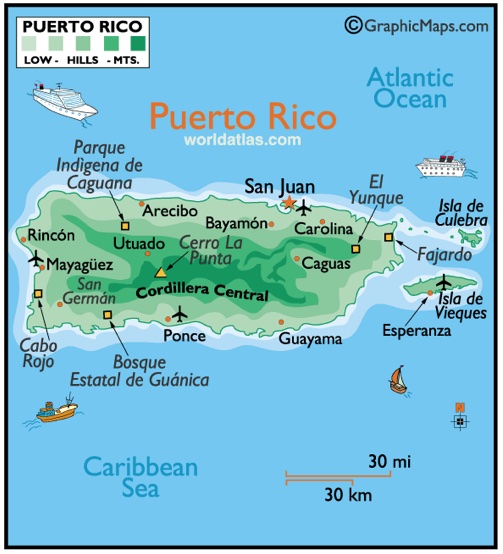
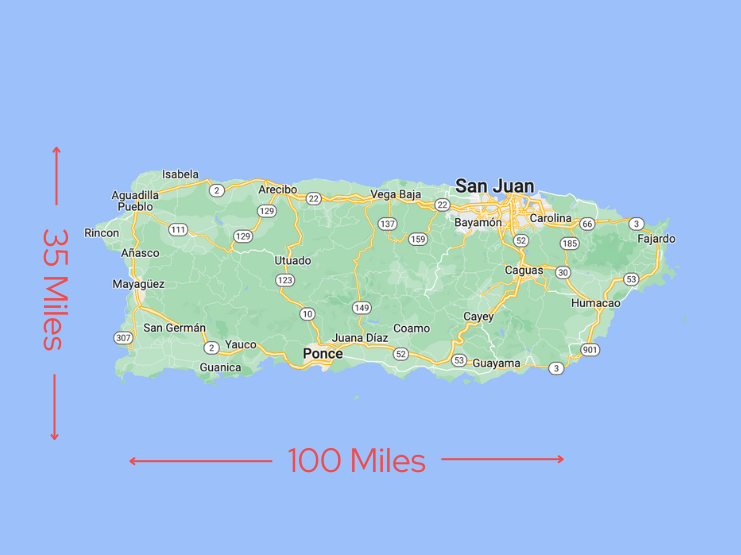
The main island of Puerto Rico, the smallest of the Greater Antilles, boasts an impressive amount of diversity within its relatively small area. The island measures approximately 100 miles (160 kilometers) in length from east to west and about 35 miles (56 kilometers) from north to south. These dimensions make it remarkably traversable, allowing visitors to experience different regions within a single day.
In terms of land area, Puerto Rico encompasses roughly 3,515 square miles (9,104 square kilometers). This figure includes the main island and several smaller, captivating islands such as Vieques, Culebra, and Mona, each offering its own unique appeal and contributing to the archipelago’s collective charm. While the main island forms the heart of Puerto Rico’s identity, these offshore gems extend its reach, offering pristine beaches, unparalleled snorkeling, and a sense of secluded tranquility.
Putting It In Perspective: Puerto Rico Compared
For many, raw numbers don’t paint a full picture. To truly understand “how big” Puerto Rico is, it’s helpful to compare it to more familiar geographical entities. This contextualization reveals just how much variety is concentrated in one place, making it an ideal destination for those who wish to experience a lot without extensive travel.
When compared to the contiguous United States, Puerto Rico is notably smaller than many states. For instance, it’s roughly one-third the size of Maryland or about half the size of New Jersey. It’s also significantly smaller than states like Connecticut, despite being home to a population of over 3 million people. This population density, combined with its diverse geography, contributes to its vibrant local culture and bustling urban centers.
Internationally, Puerto Rico’s size can be likened to certain countries or regions. It’s comparable in land area to countries such as Lebanon or Cyprus. Within the Caribbean, it stands as a significant landmass, larger than many smaller island nations but smaller than its Greater Antilles neighbors like Cuba or the Dominican Republic.
What these comparisons underscore is that Puerto Rico is not a vast country that requires weeks or months to explore comprehensively. Instead, its modest size allows for an incredibly rich and varied experience, even during a shorter trip. This accessibility makes it particularly appealing for various types of travelers, from those seeking a quick weekend getaway to families planning a comprehensive exploration without arduous long-distance travel.
Size and Scope: Maximizing Your Puerto Rico Travel Experience
The compact nature of Puerto Rico is perhaps its greatest asset for tourism. It means less time spent traveling between destinations and more time immersed in experiences. This efficiency translates into a vacation rich with diverse activities, appealing to a wide spectrum of interests.
A Tapestry of Landscapes Within Reach
One of the most remarkable aspects of Puerto Rico is the dramatic shift in landscapes you can encounter within just an hour or two of driving. This geographical compression allows for an extraordinary range of attractions. You can wake up to the sounds of waves crashing on a pristine beach, hike through a lush tropical rainforest by lunchtime, and enjoy a vibrant city night out in the evening.
The northern coast is known for its expansive sandy beaches, dramatic limestone cliffs, and the historical charm of San Juan. Venture inland, and the landscape transforms into the mountainous spine of the Cordillera Central, dotted with coffee plantations, scenic overlooks, and charming rural communities. To the west, you’ll find surf havens and bohemian towns like Rincón, while the south offers a drier climate, unique ecosystems, and the architectural beauty of Ponce. The eastern side, meanwhile, is the gateway to the captivating offshore islands and the famed El Yunque National Forest. This geographical diversity packed into a relatively small area is a key draw for travelers seeking a comprehensive experience without the need for multiple flights or extensive road trips.

Effortless Exploration: Traversing the Island
The ease of navigating Puerto Rico is a significant advantage for travelers. A rental car is often the preferred mode of transport, offering the freedom to explore at your own pace. The island boasts a well-maintained road network, including highways that connect major cities and scenic routes that wind through rural areas. You can drive from San Juan on the north coast to Ponce on the south coast in approximately an hour and a half to two hours, depending on traffic. Even reaching the far west coast from the capital typically takes no more than three hours.
This accessibility allows for incredible flexibility in itinerary planning. Day trips are a common and highly recommended way to experience different facets of the island. Imagine spending your morning exploring the historic forts of Old San Juan, dedicating your afternoon to a hike through El Yunque’s verdant trails, and then perhaps enjoying a magical evening kayaking through one of the island’s famous bioluminescent bays. All these experiences are genuinely possible within a single day’s excursion, making Puerto Rico an ideal destination for those who want to maximize their experiences without feeling rushed. The compact size also reduces the logistical complexities often associated with exploring larger destinations, making it a stress-free choice for family trips, solo adventures, or romantic getaways.
Beyond the Borders: What Puerto Rico’s Size Means for Tourism and Lifestyle
The size of Puerto Rico profoundly impacts its tourism offerings and the lifestyle it supports, fostering a rich blend of urban sophistication, natural wonder, and authentic local culture. Its compact nature means that a wide array of activities, from exhilarating adventures to tranquil retreats, are all within easy reach, creating a dynamic travel experience.
San Juan: A Vibrant Urban Core
At the heart of Puerto Rico’s cultural and economic life is San Juan, the capital city. As one of the oldest continuously inhabited European settlements in the Americas, San Juan offers an incredibly rich historical experience. Old San Juan, with its cobblestone streets, colorful colonial buildings, and impressive fortifications like El Morro and Castillo San Cristóbal, is a UNESCO World Heritage Site. It’s a prime example of how history is meticulously preserved and integrated into modern life.
Beyond history, San Juan is a vibrant hub for contemporary culture, exquisite dining, and lively nightlife. The city boasts a fantastic array of accommodation options, from luxury resorts like the Condado Vanderbilt Hotel and Caribe Hilton to charming boutique hotels and modern apartments, catering to every budget and style. Its compact urban design means that many attractions, from world-class museums to beautiful urban beaches like Condado and Isla Verde, are easily accessible, often within walking distance or a short taxi ride. For those interested in local cuisine, San Juan is a culinary paradise, offering everything from authentic street food to high-end gastronomic experiences that fuse Puerto Rican flavors with international influences.
The Natural Wonders: Forests, Mountains, and Bioluminescent Marvels
Despite its size, Puerto Rico is a sanctuary of natural beauty. The most famous natural landmark is the El Yunque National Forest, the only tropical rainforest in the U.S. National Forest System. Its proximity to San Juan (less than an hour’s drive) makes it an essential stop for nature lovers. Here, visitors can hike through lush trails, discover cascading waterfalls, and marvel at exotic flora and fauna, including the iconic coquí frog.
Further afield, but still within easy reach, are the island’s three bioluminescent bays: Mosquito Bay in Vieques (considered one of the brightest in the world), Laguna Grande in Fajardo, and La Parguera in Lajas. These magical natural phenomena, where microorganisms light up the water at night, offer an unforgettable experience that highlights Puerto Rico’s unique ecological treasures. The ability to visit such distinct natural wonders, from rainforests to glowing bays, within a few days showcases the efficiency of travel on the island.
The mountainous interior, often overlooked, offers a different kind of natural beauty. The Ruta Panorámica, a network of scenic roads, traverses the island’s central peaks, leading travelers through verdant landscapes, past coffee haciendas, and into charming towns like Utuado and Adjuntas. Here, adventure tourism thrives, with opportunities for zip-lining, caving in the Río Camuy Cave Park, and exploring the Arecibo Observatory.
Coastal Charms and Cultural Rhythms
Puerto Rico’s extensive coastline, despite the island’s overall compact size, means that stunning beaches are never far away. From the vibrant shores of Luquillo Beach and Flamenco Beach on Culebra (consistently ranked among the world’s best) to the surf breaks of Rincón, there’s a beach for every preference. The ease of access to these diverse coastal environments allows travelers to seamlessly switch between relaxation and adventure. Many coastal towns offer excellent accommodation options, from luxurious beachfront resorts to quaint guesthouses and long-term stay villas.
Beyond the natural allure, Puerto Rico’s size facilitates a deep immersion in its local culture. The island’s identity is a vibrant fusion of Taíno, Spanish, and African influences, evident in its music (salsa, bomba, plena), art, and, most notably, its food. From savory mofongo and crispy bacalaítos to refreshing piña coladas, the culinary journey is an integral part of the Puerto Rican experience. Its size means that authentic local eateries and cultural activities, whether it’s a vibrant festival in a small town or a live music performance in San Juan, are always within reach, allowing visitors to truly connect with the island’s spirit. This accessibility nurtures a lifestyle that values community, celebration, and an appreciation for both historical roots and contemporary vibrancy.
Planning Your Trip: Navigating Puerto Rico with Ease
Given its manageable size, planning a trip to Puerto Rico becomes an exciting exercise in maximizing experiences. The island’s dimensions significantly influence decisions regarding accommodation, transportation, and itinerary design, making it an incredibly traveler-friendly destination.
Accommodation Choices for Every Traveler
Puerto Rico’s tourism infrastructure is robust, offering a diverse range of accommodation options that cater to every type of traveler and budget. In major areas like San Juan and popular coastal towns, you’ll find everything from five-star luxury resorts boasting comprehensive amenities to charming boutique hotels offering personalized service. For those seeking independence or a longer stay, apartments and villas are readily available for booking. Resorts like the Wyndham Grand Rio Mar Puerto Rico Golf & Beach Resort offer expansive facilities for families, while smaller, locally owned guesthouses provide a more intimate, cultural experience.
The compact size of the island means that you can base yourself in one or two locations and still explore widely, without feeling confined. Many travelers choose to split their stay, perhaps a few nights in a vibrant city hotel in San Juan followed by a more relaxed stay at a beachside resort on the east or west coast, or even an eco-lodge near El Yunque. This flexibility allows for a varied experience, combining urban exploration with natural immersion, all within a reasonable travel radius. Booking options are plentiful, with comprehensive reviews and comparison sites aiding in finding the perfect spot, whether you’re planning a luxury escape, a budget-conscious adventure, or a business stay.
Getting Around: Transportation on a Compact Island
As mentioned, a rental car is highly recommended for exploring Puerto Rico fully. The well-maintained roads and relatively short distances make driving an enjoyable and efficient way to travel. For those who prefer not to drive, taxis, ride-sharing services (like Uber in metropolitan areas), and tour operators provide convenient alternatives. Public transportation outside of San Juan’s metro area is less developed, so planning is key if you opt out of renting a vehicle. However, the island’s size means that guided tours can easily cover multiple attractions in a day, offering a hassle-free way to see the highlights. The ferry service to Vieques and Culebra further extends accessible destinations, allowing travelers to experience the quieter charm of these offshore islands.
Crafting Your Ideal Itinerary: Making the Most of Limited Time
The “small but mighty” nature of Puerto Rico truly shines when it comes to itinerary planning. For a week-long trip, you can comfortably combine city exploration in San Juan, a visit to El Yunque, a relaxing beach day, and a magical bioluminescent bay tour without feeling rushed. Two weeks allow for deeper exploration, perhaps venturing to the less-traveled south for its unique architecture and dry forest or heading west for world-class surfing.
Guides and experiences are abundant, designed to help travelers discover Puerto Rico’s hidden gems. Whether you’re interested in culinary tours, historical walks, adventure sports, or simply relaxing by the beach, the island’s size ensures that all these activities are within your grasp. It allows for flexibility, enabling spontaneous day trips or well-planned multi-day adventures that showcase the breadth of what Puerto Rico has to offer.
In conclusion, while Puerto Rico may be geographically modest, its impact on the traveler is anything but. Its dimensions are a fundamental part of its charm, enabling an experience that is both diverse and deeply immersive. From its iconic landmarks and vibrant cities to its serene natural wonders, every aspect of a Puerto Rican journey is enhanced by the ease with which one can traverse and discover this incredible island. So, how big is Puerto Rico? Big enough to hold a world of experiences, and perfectly sized for you to explore it all.
LifeOutOfTheBox is a participant in the Amazon Services LLC Associates Program, an affiliate advertising program designed to provide a means for sites to earn advertising fees by advertising and linking to Amazon.com. Amazon, the Amazon logo, AmazonSupply, and the AmazonSupply logo are trademarks of Amazon.com, Inc. or its affiliates. As an Amazon Associate we earn affiliate commissions from qualifying purchases.