
The sheer scale of Texas is legendary, often inspiring awe and a fair bit of exaggeration. Known as the Lone Star State, its vastness is a core part of its identity, influencing everything from its diverse landscapes to its distinct culture. But how does this American giant truly stack up when compared to an entire continent like Europe? This seemingly audacious comparison actually provides a fascinating and insightful perspective for travelers, helping to contextualize geographical dimensions, travel planning, and the incredible diversity of experiences that await in both.
Understanding the magnitude of Texas relative to Europe isn’t just about numbers; it’s about appreciating the contrasting ways one might explore such expansive territories. Whether you’re planning a sprawling road trip across the American Southwest or an intricate itinerary through various European nations, the implications of size on your journey are profound. This article will delve into a geographical comparison, explore what these dimensions mean for the intrepid traveler, and highlight the distinct cultural tapestries that define both Texas and Europe.
A Geographical Giant: Unpacking the Scale of Texas
To truly grasp the magnitude of Texas, one must first appreciate its immense footprint as an individual state within the United States. Then, we can juxtapose it against the collective grandeur of the European continent to illuminate their differences in scale and composition.
The Lone Star State’s Immense Footprint
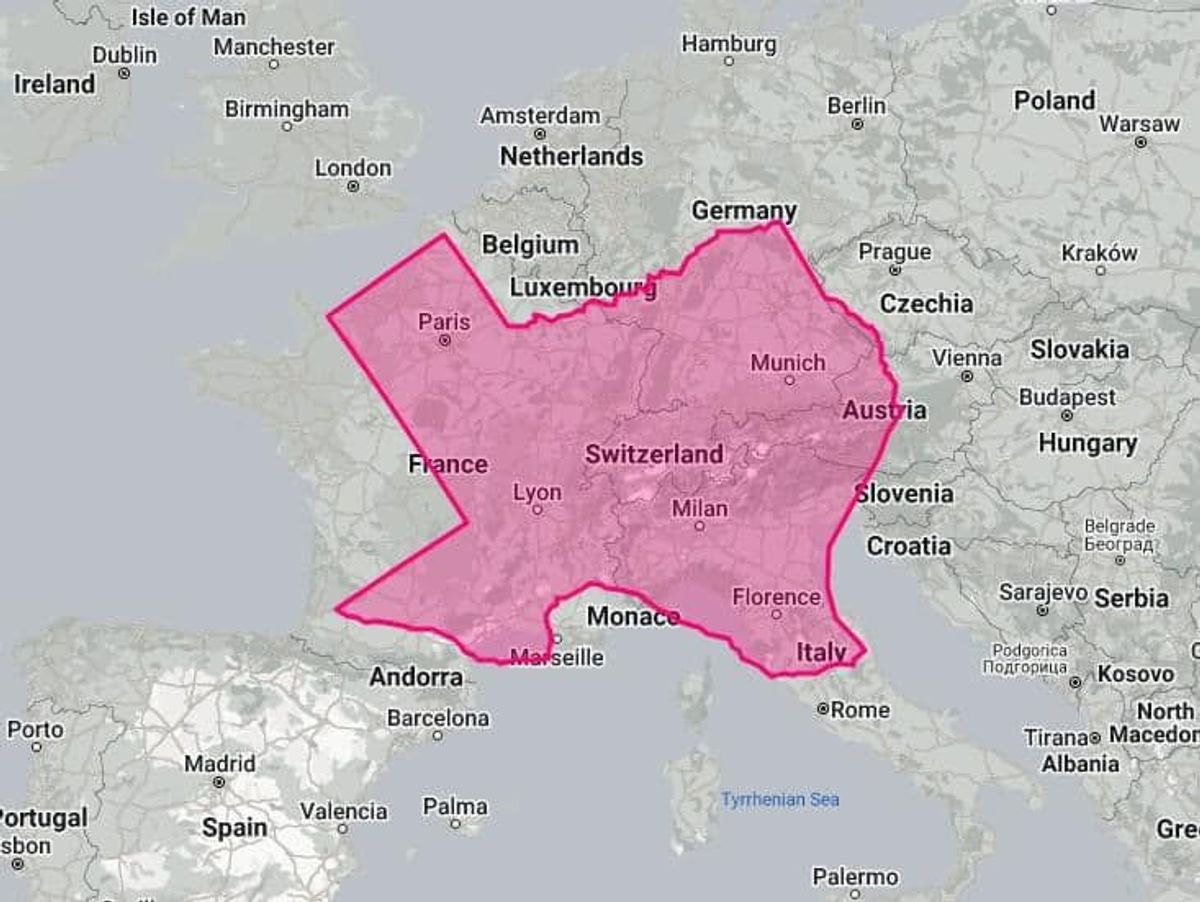
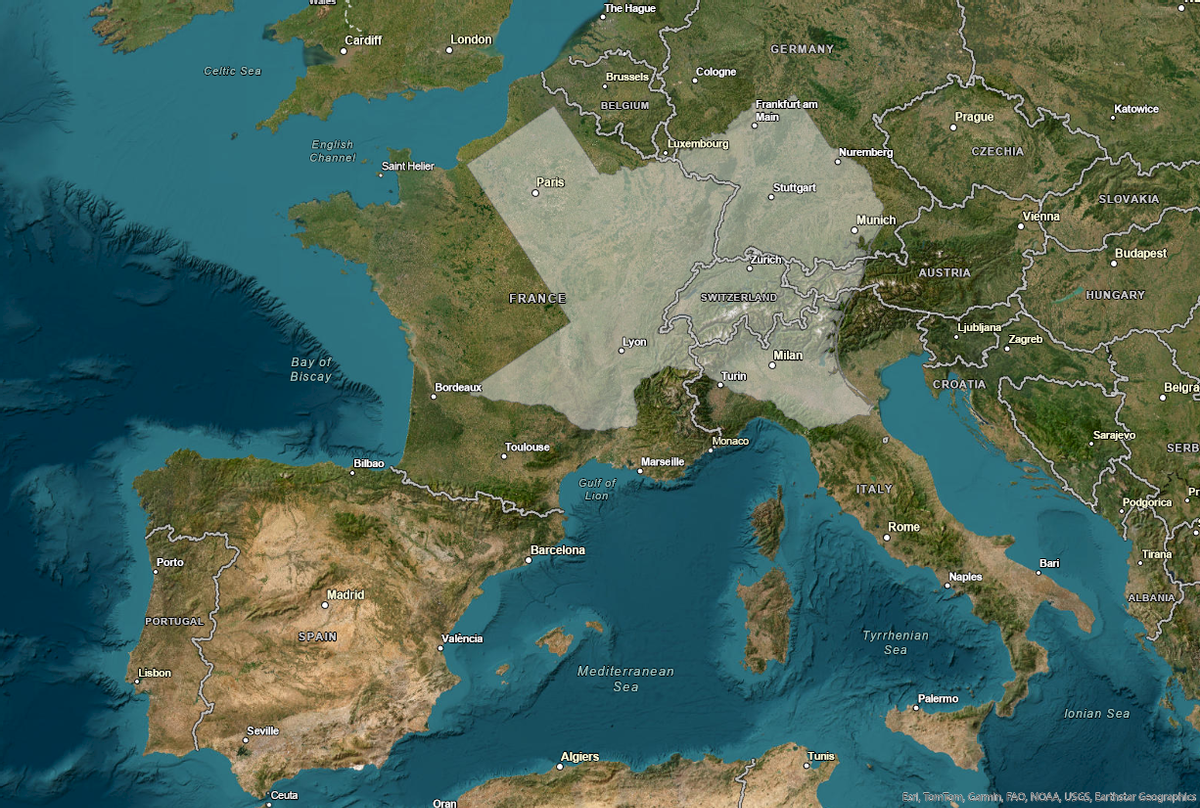
Texas spans an impressive 268,596 square miles (approximately 695,662 square kilometers), making it the second-largest state in the United States after Alaska. This isn’t just a big state; it’s a geographic titan that often surprises those unfamiliar with American geography. To put this into perspective, Texas is larger than many significant European nations. It’s bigger than the entire country of France (248,573 square miles) and nearly twice the size of Germany (138,062 square miles). If you were to combine the land areas of Spain, Poland, and the United Kingdom, you’d still only be approaching the sheer physical expanse of Texas.
This vastness translates into an incredible diversity of natural landscapes within its borders. Travelers to Texas can traverse arid deserts in the west, explore majestic mountains in Big Bend National Park, wander through dense pine forests in the east, relax on the sandy shores of the Gulf Coast, or discover rolling prairies and vibrant wildflowers in the central Hill Country. Each region feels like a distinct destination, offering unique attractions and experiences, from historical sites to bustling modern cities.
Europe’s Collective Grandeur: A Mosaic of Nations
In stark contrast, Europe is not a single political entity or country but a continent, comprising over 50 sovereign states, each with its own distinct history, culture, and often, language. The total land area of Europe is approximately 3.9 million square miles (around 10.18 million square kilometers).
When directly comparing the two, Europe is roughly 15 times the size of Texas. This difference is monumental. While Texas boasts a remarkable variety of landscapes and cultures for a single state, Europe offers an unparalleled mosaic of topographies, climates, and human civilizations compressed into a relatively dense area. From the fjords of Norway to the ancient ruins of Greece, the bustling metropolises of Germany to the tranquil vineyards of France, the continent presents an endless panorama of experiences that would take a lifetime to fully explore. The implications of this scale difference significantly impact how travelers plan their itineraries and what they expect from their journey.
The Traveler’s Perspective: Navigating Vastness and Variety
For the traveler, the comparison between Texas and Europe moves beyond mere statistics to become a practical guide for planning and expectations. The way one approaches a trip to Texas is fundamentally different from embarking on a European adventure, primarily due to the unique combination of size, infrastructure, and cultural density.
Texas Travel: An American Road Trip Dream
Exploring Texas is often synonymous with the quintessential American road trip. Due to the immense distances within the state, driving is the primary mode of transportation for many visitors. For instance, a drive from El Paso in the far west to Houston on the Gulf Coast covers over 750 miles, a journey longer than traveling from Paris, France, to Zurich, Switzerland. For those with limited time or seeking to cover vast stretches, internal flights connecting major hubs like Dallas, Houston, and Austin become a practical necessity.
Each major city and region within Texas offers a distinct travel experience:
- San Antonio: Rich in history and culture, home to The Alamo and the charming Riverwalk, offering a blend of Texan and Mexican heritage. Visitors can find unique boutique hotels nestled along the river or larger resorts perfect for family trips.
- Austin: The “Live Music Capital of the World,” known for its vibrant arts scene, progressive culture (“Keep Austin Weird”), and incredible food scene. Accommodation ranges from trendy boutique hotels to budget-friendly stays, catering to all lifestyle preferences.
- Houston: A sprawling metropolis renowned for its contributions to space exploration (Space Center Houston), diverse culinary landscape, and world-class museums. Here, luxury travel is easily accommodated with numerous upscale hotels and fine dining options.
- Dallas: A hub for business, fashion, and the arts, with attractions like the Dallas Arts District and historical sites related to JFK. Dallas offers a range of accommodation from high-end suites to comfortable apartments.
- Big Bend National Park: For nature lovers, this remote park in West Texas offers dramatic desert landscapes, hiking, and stargazing, emphasizing the state’s vast natural beauty. Unique lodges and camping are typical here, offering experiences distinct from city hotels.
When planning a trip to Texas, travelers often look for vacation rentals for longer stays or family trips, while business travelers might opt for amenity-rich resorts or hotels in city centers. Reviews and comparisons of accommodation are crucial, given the wide array of options across the state. The lifestyle in Texas offers a taste of authentic Texas BBQ, lively rodeos, and genuine Southern hospitality, whether you’re on a budget travel adventure or a luxury travel escape.
European Grand Tour: A Continent of Experiences
By contrast, a “Grand Tour” of Europe is less about covering immense single-country distances and more about hopping between an array of distinct cultures within relatively short travel times. Thanks to efficient high-speed train networks (like the Eurostar or TGV) and abundant budget airlines, travelers can easily move between countries and experience entirely different languages, cuisines, and historical contexts in a matter of hours.
The density of historical landmarks, world-class museums, and diverse cultural experiences in Europe is unparalleled:
- Paris, France: Home to iconic landmarks like the Eiffel Tower and the Louvre Museum, offering romance, art, and exquisite cuisine. Luxury hotels and charming boutique apartments abound.
- Rome, Italy: An open-air museum with ancient wonders such as the Colosseum and the spiritual heart of Vatican City. Tourism here is deeply rooted in history and culinary delights.
- London, England: A global city blending history with modernity, featuring Buckingham Palace, the British Museum, and a vibrant theatre scene.
- Barcelona, Spain: Known for its unique Gaudi architecture, including the magnificent Sagrada Familia, and a lively beach culture.
- Amsterdam, Netherlands: Famous for its picturesque canals, world-class art museums, and charming gabled houses.
Accommodation options in Europe are incredibly varied, ranging from budget-friendly hostels and guesthouses to opulent luxury hotels and spacious villas for longer long-term stays. Serviced apartments are also popular, offering home-like comfort. The tourism sector thrives on rich history, diverse cuisines (from Mediterranean to Central European), and a calendar packed with art, music, and food festivals. Whether seeking a whirlwind city break, a scenic road trip through the countryside, or a deep dive into specific cultures, Europe offers an endless array of lifestyle choices for every traveler.

Culture, Cuisine, and Connectivity: Beyond Size
Beyond mere landmass, the cultural fabric, culinary landscape, and infrastructural connectivity paint a vivid picture of how different a travel experience in Texas can be compared to a journey through Europe.
The Texan Identity: A Blend of Traditions
The culture of Texas is a fascinating blend, shaped by its history as an independent republic, its proximity to Mexico, and its deep roots in Southern traditions. It embodies a distinct identity: a proud cowboy heritage, significant Mexican influences, and a strong sense of independence. This cultural fusion is evident everywhere, from its architecture to its festivals.
- Food: Texas is a culinary powerhouse, famous for its mouth-watering Texas BBQ, slow-smoked to perfection, and its vibrant Tex-Mex cuisine, which has transcended state borders. Beyond these staples, you’ll find classic comfort food and an increasingly sophisticated fine dining scene in its major cities.
- Language: While predominantly English-speaking, Texas has a large and influential Spanish-speaking population, particularly in its southern regions, reflecting its historical ties.
- Music: The state has a rich musical legacy, from country and Western to blues, rock, and Tejano music, all contributing to its vibrant nightlife, especially in places like Austin.
- Activities: Visitors can immerse themselves in cowboy culture at rodeos, enjoy outdoor adventures in its numerous state parks, or explore historical sites that tell the story of its storied past.
European Tapestry: A Symphony of Diversity
Europe, on the other hand, is a continent where hundreds of languages are spoken, and national identities are fiercely distinct, yet often interwoven by shared historical threads. The cultural diversity packed into its relatively smaller nations is astounding.
- Food: European cuisine is a global benchmark. From the sophisticated pastries and gourmet dishes of France to the hearty pasta and pizza of Italy, the robust sausages and beers of Germany, and the tapas culture of Spain, every country offers a unique gastronomic journey.
- Connectivity: One of Europe’s greatest assets for travelers is its exceptional connectivity. The Schengen Area allows for seamless border crossings between many countries, and an extensive network of high-speed trains and budget airlines makes inter-country travel incredibly efficient and often more environmentally friendly than car travel.
- Activities: The array of activities is endless: marveling at ancient Roman ruins, exploring medieval castles, admiring masterpieces in world-renowned art galleries (like the Louvre Museum or the British Museum), attending opera in Vienna, skiing in the Alps, or simply relaxing on a Mediterranean beach. The history of Europe is layered and tangible, with landmarks around every corner.
Planning Your Journey: Practical Considerations
The sheer difference in scale between Texas and Europe necessitates different practical approaches when planning your travel. Understanding these distinctions can significantly enhance your experience and help you make the most of your time and budget.
Navigating Texas: Car is King
When planning a trip to Texas, recognizing the vast distances is key. A car is almost indispensable for exploring the state comprehensively. While cities like Austin or San Antonio have walkable downtown areas and some public transport, venturing beyond them into the Hill Country, to the Gulf Coast, or to Big Bend National Park absolutely requires a vehicle. Car rental is widely available, and long drives are an integral part of the Texan experience. For covering extremely long distances, such as flying from Dallas to El Paso, domestic flights are an efficient alternative.
When it comes to accommodation, Texas offers a wide spectrum. From global chain hotels in major cities to charming boutique hotels in historic districts, luxurious resorts in wine country, unique lodges near natural attractions, and plentiful vacation rentals, there’s something for every budget and preference. Utilizing online platforms for booking and carefully reading reviews and comparison guides is highly recommended to find the best fit for your trip style. The best times to visit Texas are typically spring (March-May) and fall (September-November) when the weather is milder and more pleasant for outdoor activities and city exploration. Summers can be intensely hot, especially inland.
European Adventures: Trains, Planes, and Public Transport
Traveling in Europe often involves a different transportation strategy. While car rentals are certainly an option for specific scenic road trips, you can frequently explore much of the continent efficiently using its excellent public transportation network. High-speed trains connect major cities, budget airlines offer affordable flights between countries, and within cities, extensive metro, tram, and bus systems make getting around simple. For many city breaks, a car is not only unnecessary but can be a hindrance due to parking costs and traffic.
Accommodation in Europe is as diverse as its cultures. You’ll find everything from budget hostels and guesthouses to opulent luxury hotels, charming boutique hotels in historic buildings, and modern serviced apartments perfect for families or long-term stays. For a more immersive experience, consider renting a villa in the countryside of Italy or France. Given the sheer volume of options, thorough booking research, reading reviews, and utilizing comparison sites are invaluable tools.
Non-EU citizens will need to be mindful of visa requirements, particularly the Schengen Visa for travel within the Schengen Area. The best time to visit Europe widely varies by region and preferred activities. Summer (June-August) is popular for good weather and festivals but can be crowded. Spring (April-May) and Fall (September-October) offer pleasant weather, fewer crowds, and often better prices for flights and accommodation.
Conclusion
The question “How Big Is Texas Compared To Europe?” ultimately reveals more than just a size differential. While Texas is undeniably immense for a single state, comfortably encompassing several European countries, Europe is an entire continent, dwarfing Texas by a factor of 15. This fundamental difference in scale shapes the very essence of travel in both destinations.
In Texas, you embark on journeys of vast distances within one coherent cultural identity, encountering diverse landscapes and regional flavors, often best experienced by car. It’s an adventure of open roads, big skies, and a distinct Texan spirit. You’ll find world-class hotels, resorts, and landmarks across its sprawling territory, each embodying a piece of the Lone Star State’s unique lifestyle.
In Europe, you traverse a continent bursting with hundreds of distinct cultures, languages, and historical narratives packed into a dense network of nations. Travel here is often characterized by shorter hops between radically different experiences, facilitated by efficient public transport and a shared sense of continental history. The sheer variety of destinations, attractions, and accommodation — from ancient ruins to modern boutique hotels — makes every trip an intricate tapestry of discoveries.
Both Texas and Europe promise unforgettable travel experiences, rich in history, culture, and natural beauty. The key is to appreciate their unique scales and plan accordingly. Whether you dream of big skies and open roads or a rapid immersion into a mosaic of cultures, the world offers a boundless array of adventures.
LifeOutOfTheBox is a participant in the Amazon Services LLC Associates Program, an affiliate advertising program designed to provide a means for sites to earn advertising fees by advertising and linking to Amazon.com. Amazon, the Amazon logo, AmazonSupply, and the AmazonSupply logo are trademarks of Amazon.com, Inc. or its affiliates. As an Amazon Associate we earn affiliate commissions from qualifying purchases.