
The Big Island of Hawaii is not just a poetic nickname; it is a literal description of the largest island in the United States archipelago. Far surpassing the combined land area of all other Hawaiian Islands, its sheer scale defines everything from its incredibly diverse landscapes to the unique travel experiences it offers. For any visitor planning a trip to this magnificent destination, understanding its immense size is the first crucial step to unlocking its full potential, guiding choices on accommodation, attractions, and overall tourism adventures.
Defining the Scale of the Big Island
When asking “How big is the Big Island Hawaii?”, the answer is unequivocally “very big.” This isn’t just about its geographical footprint; it’s about the remarkable diversity of environments packed into that space, ranging from active volcanoes to snow-capped peaks, lush rainforests to arid deserts, and pristine white sands to dramatic black and even green beaches. Its size dictates the pace of discovery and the scope of adventure available to every traveler.
Geographic Dimensions and Comparisons
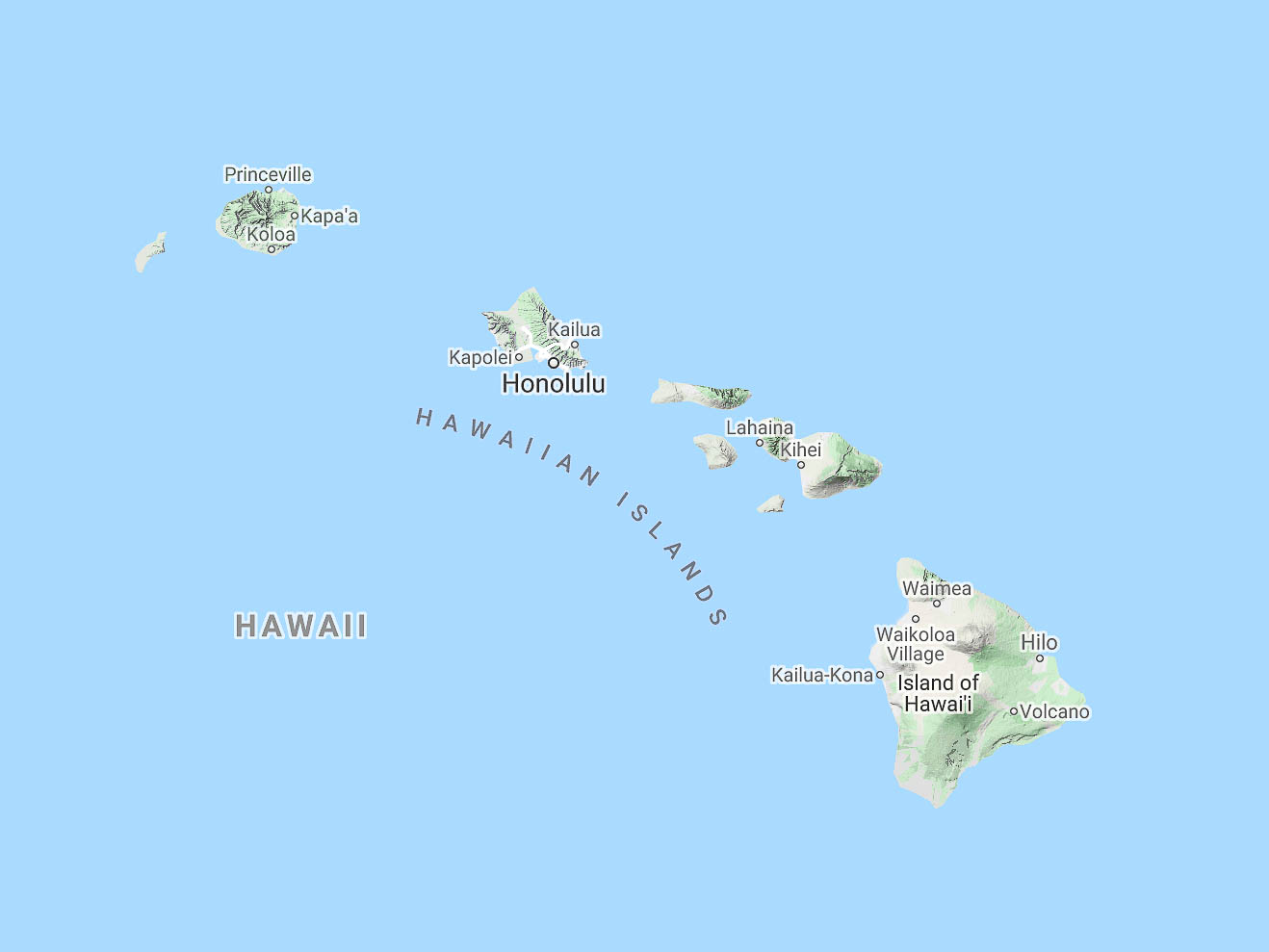
The official name of the Big Island is Hawaii Island, but its moniker is well-deserved. It encompasses a colossal 4,028 square miles (10,432 square kilometers), a staggering figure when compared to its smaller siblings in the chain. To put this into perspective, the Big Island is larger than all the other Hawaiian Islands combined. For instance, Oahu, home to the capital city of Honolulu and a major tourist hub, is only about 600 square miles. Maui is around 727 square miles, and Kauai approximately 552 square miles. This means a visitor could fit Oahu, Maui, and Kauai within the boundaries of the Big Island and still have room to spare.
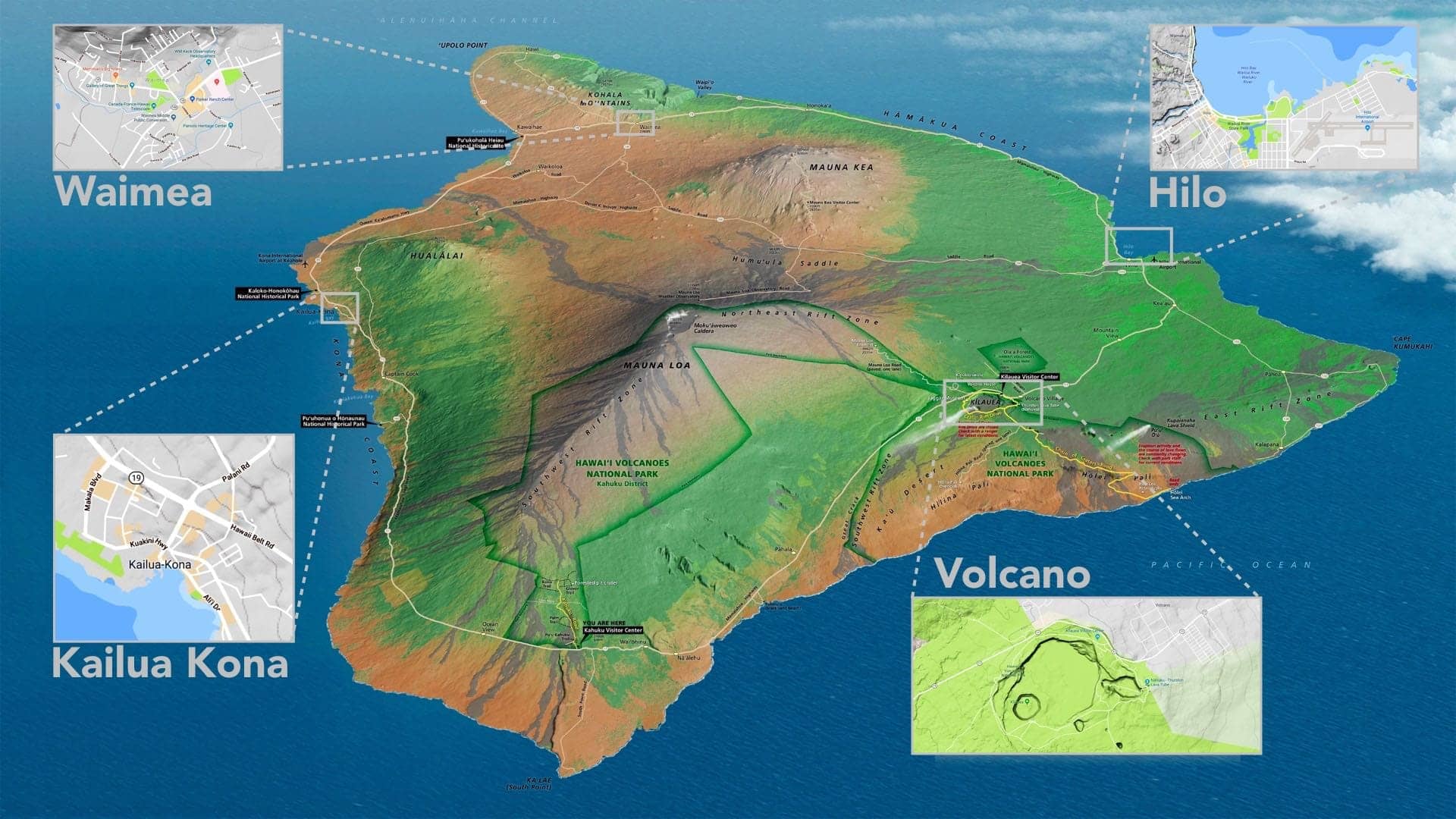
This expansive territory stretches approximately 93 miles (150 kilometers) from north to south and 76 miles (122 kilometers) from east to west. Such dimensions mean that exploring the Big Island requires careful planning, as driving from one side to the other can take several hours, traversing vastly different ecosystems along the way. Unlike smaller islands where it’s feasible to base oneself in a single location and take day trips to cover most attractions, the Big Island’s scale often encourages travelers to consider splitting their stay between different regions, such as the sunny Kona side and the lush Hilo side, to minimize driving time and maximize experiential depth. This approach allows for a deeper immersion into the local culture and distinct activities each area provides.
A Land of Extremes: From Volcanoes to Beaches
The Big Island’s enormous size is not merely about square mileage; it’s about the geological processes that have shaped it and continue to do so. It is the youngest of the Hawaiian Islands and is still growing, thanks to the ongoing activity of Kīlauea, one of the world’s most active volcanoes, located within Hawaii Volcanoes National Park. This dynamic geological activity has sculpted an island of unparalleled extremes and biodiversity, boasting 10 out of the world’s 14 climate zones.
Rising from the depths of the Pacific Ocean are five majestic volcanoes: Mauna Kea, Mauna Loa, Kīlauea, Hualālai, and Kohala. Mauna Kea, a dormant volcano, is famously the tallest mountain in the world when measured from its base on the ocean floor, reaching over 33,000 feet (10,000 meters) from base to summit, with 13,803 feet (4,207 meters) above sea level. Its summit often gets snow during winter months, offering the surreal experience of snow sports in the tropics. Mauna Loa, also a colossal shield volcano, is the largest volcano on Earth by mass and volume.
These geological giants create dramatic elevation changes, influencing everything from rainfall patterns to temperature. On the windward (eastern) side around Hilo, abundant rainfall fosters lush rainforests, cascading waterfalls, and vibrant botanical gardens. Here, visitors can immerse themselves in the rich, verdant landscapes that define the quintessential tropical paradise. In contrast, the leeward (western) side, particularly the Kona district, is characterized by drier, sunnier weather, ideal for coffee plantations, pristine beaches, and world-class resorts. The varied terrain also includes volcanic deserts, rolling pastoral lands, and stunning coastlines. This extreme diversity means that a single trip to the Big Island can offer a kaleidoscope of natural experiences, from hiking across fresh lava flows to snorkeling in crystal-clear bays, stargazing from a mountain summit, and relaxing on unique black or green sand beaches.
Navigating the Expansive Landscape: Travel and Exploration
The sheer size of the Big Island profoundly influences how travelers plan their itineraries and experience its myriad wonders. Unlike smaller islands where a rental car might be optional, it is virtually essential here, as public transportation is limited and attractions are widely dispersed. Understanding the island’s layout and regional characteristics is key to a fulfilling and efficient trip.
Regional Diversity: Kona vs. Hilo and Beyond
The Big Island is traditionally divided into several distinct regions, each with its own climate, landscape, and cultural flavor, directly attributable to its massive geographic spread and volcanic topography. The two most prominent sides are Kona (west) and Hilo (east).
The Kona Coast, centered around the charming town of Kailua-Kona, is renowned for its perpetual sunshine, calm waters, and historical sites. This is the heart of the island’s resort life, with numerous hotels, suites, and villas catering to a wide range of budgets and lifestyles. The Kohala Coast, just north of Kona, is particularly famous for its luxury resorts like the Fairmont Orchid, Mauna Lani, Auberge Resorts Collection, and Four Seasons Resort Hualalai, offering world-class amenities, golf courses, and pristine beaches. Activities here focus on ocean adventures – snorkeling, diving (especially the famous Manta Ray Night Dive), sport fishing, and exploring ancient Hawaiian historical landmarks such as Puʻuhonua o Hōnaunau National Historical Park. The sunny weather and accessible beaches make it ideal for family trips and those seeking a quintessential Hawaii beach vacation.
The Hilo side, on the other hand, is the island’s lush, rainy capital. Characterized by its verdant landscapes, waterfalls, and vibrant local culture, Hilo offers a different kind of Hawaiian experience. The area is cooler and wetter, supporting dense rainforests and agricultural endeavors. It serves as the gateway to Hawaii Volcanoes National Park, where visitors can witness the raw power of creation and destruction at Kīlauea. Accommodation options here include charming boutique hotels like the Grand Naniloa Hotel Hilo and local vacation rentals, often offering a more authentic and less touristy feel. The Puna District, near Hilo, showcases recent lava flows and unique geothermal areas around towns like Pāhoa.

Beyond these two major hubs, the Upcountry Waimea region offers a taste of cowboy culture with its rolling green pastures and cattle ranches, a stark contrast to the coastal areas. The Hamakua Coast is famed for its dramatic sea cliffs, scenic drives, and hidden valleys like the majestic Waipi’o Valley. Each region presents its own set of attractions and experiences, underscoring the necessity of a well-thought-out travel plan that accounts for the vast distances.
Planning Your Itinerary: Maximizing Your Big Island Adventure
Given the Big Island’s size, strategic itinerary planning is paramount. Attempting to see everything from a single base can lead to excessive driving and less time enjoying the destination. A common and recommended approach is to split your stay between the Kona and Hilo sides, typically allocating 3-4 days to each. This allows for focused exploration of specific regions without feeling rushed.
For instance, basing yourself in Kailua-Kona or along the Kohala Coast for the first half of your trip enables easy access to beautiful beaches, snorkeling at Kealakekua Bay, visiting Kona Coffee Living History Farm, and experiencing the vibrant evening atmosphere. The second half could involve relocating to Hilo or a nearby area like Volcano Village (home to Volcano House lodge) to explore Hawaii Volcanoes National Park, rainforest hikes, and local markets. The drive between Kona and Hilo can be an adventure in itself, with scenic routes crossing the Saddle Road between Mauna Loa and Mauna Kea, offering panoramic views and a unique transition through diverse climate zones.
Travel guides often emphasize the importance of renting a 4×4 vehicle if you plan to visit remote areas like the summit of Mauna Kea (for stargazing, which is a key attraction) or the access road to Papakōlea Beach (Green Sand Beach). Understanding driving distances and traffic patterns (especially around Kona and Hilo during peak hours) is crucial for a smooth journey. It’s not uncommon to spend 1-2 hours driving to a single destination, so grouping nearby attractions together is a smart strategy. The large scale of the island necessitates flexibility and a willingness to embrace the journey as much as the destination, transforming travel logistics into an integral part of the Big Island experience.
Accommodation and Lifestyle: Where to Stay and What to Experience
The Big Island’s expansive nature translates into a vast array of accommodation options and distinct lifestyle experiences. From opulent luxury resorts to charming boutique hotels and budget-friendly stays, there’s something to suit every preference and financial plan. The island’s size also fosters diverse local culture and a wide range of activities, allowing visitors to craft their ideal Hawaiian getaway.
From Luxury Resorts to Budget-Friendly Stays
The concentration of luxury accommodation on the Big Island is primarily found along the sun-drenched Kohala Coast. Here, world-class resorts such as the Four Seasons Resort Hualalai, Mauna Lani, Auberge Resorts Collection, and the Fairmont Orchid offer unparalleled service, exquisite amenities, private beaches, championship golf courses, and gourmet dining. These establishments are perfect for those seeking a luxury travel experience, providing a serene escape with every comfort imaginable. Many of these resorts also offer extensive programs for family trips, making them ideal for multi-generational vacations where relaxation and recreation are paramount. These properties are often self-contained, offering a complete vacation experience without the need to venture far, though their location still provides easy access to Kona activities.
For those on a more budget travel plan or seeking a more localized feel, the Big Island also offers numerous options. In Kailua-Kona and Hilo, you’ll find a range of standard hotels, apartments, and smaller boutique hotels that provide comfortable stays without the premium price tag. Vacation rentals, including charming villas and homes, are widely available across the island, particularly in areas like Volcano Village, Pāhoa, and along the Hamakua Coast. These options often provide more space, privacy, and the ability to cook your own meals, making them cost-effective for longer stays or larger groups. Booking platforms offer detailed reviews and comparison tools to help travelers find the perfect fit. Long-term stay options are also popular for visitors looking to immerse themselves in the island’s slower pace of life, often finding fully furnished apartments or houses at competitive rates.
The choice of accommodation often aligns with the kind of experience a visitor seeks. Those focused on beach activities, snorkeling, and sun will gravitate towards the west coast. Those drawn to volcanic landscapes, rainforests, and a more bohemian vibe might prefer the east. The diversity in lodging reflects the island’s size and its ability to cater to a spectrum of preferences, from high-end exclusivity to rustic charm.
Embracing the Local Culture and Activities
The sheer size of the Big Island allows for an incredible breadth of tourism activities and opportunities to engage with the local culture. Unlike more densely populated islands, the Big Island retains much of its raw, untamed beauty and a strong sense of community, particularly in its less-traveled areas.
Cultural immersion on the Big Island can range from attending a traditional luau at a resort to exploring ancient Hawaiian temples (heiau), visiting local farmers’ markets in Hilo or Waimea for authentic local food and crafts, or taking a Kona Coffee Living History Farm tour. The island’s history is deeply etched into its landmarks and natural spaces, providing rich educational experiences for those interested in Hawaii’s past.
Activities are as varied as the landscapes. Adventure seekers can hike through Hawaii Volcanoes National Park to witness active lava flows (when conditions permit), snorkel or dive with manta rays in Kona, explore sea caves in Kīholo Bay, or take a horseback riding tour through the paniolo (cowboy) country of Waimea. For nature lovers, there are botanical gardens, picturesque waterfalls, and unique geological formations like the Punalu’u Black Sand Beach and the Green Sand Beach at Papakōlea. The clear skies atop Mauna Kea offer unparalleled stargazing opportunities, with professional telescopes and guided tours providing breathtaking views of the cosmos, making it a prime destination for astronomy enthusiasts.
The scale of the Big Island means that visitors can tailor their trip to focus on specific interests—whether it’s volcanic exploration, marine life, agricultural tourism, or simply relaxing on different types of beaches. The freedom to move between such distinct environments and engage in a wide array of activities contributes to a profoundly enriching and diverse travel experience, highlighting the immense value its size offers. Even business stays often find time for unique local excursions, blending work with the island’s vibrant offerings.
Big Island Landmarks and Natural Wonders
The grandeur of the Big Island is perhaps best expressed through its iconic landmarks and natural wonders, each a testament to its colossal size and dynamic geological history. These sites are not just points of interest; they are fundamental to understanding the island’s unique appeal and its standing as a premier destination for nature and adventure tourism.
Iconic Attractions Shaped by Size and Geology
The Big Island is a living geological laboratory, with its major landmarks directly resulting from the very processes that continue to shape it.
Hawaii Volcanoes National Park stands as the crown jewel. This UNESCO World Heritage Site encompasses the summits of two of the world’s most active volcanoes, Kīlauea and Mauna Loa. The park’s vastness allows for diverse experiences, from driving the Chain of Craters Road to explore past lava flows and dramatic sea arches, to hiking through steam vents and solidified lava tubes. The ability to witness ongoing volcanic activity (safely, of course) is an unparalleled attraction that truly sets the Big Island apart. The scale of the park means a full day or even multiple days are needed to appreciate its varied landscapes and geological significance, offering an intense natural history lesson.
Mauna Kea, another monumental landmark, provides a completely different, yet equally awe-inspiring, experience. Its summit is home to an array of international astronomical observatories, making it one of the world’s most important sites for astronomy. Visitors can drive up to the Visitor Information Station at 9,200 feet for spectacular stargazing opportunities, or with a 4×4 vehicle and proper precautions, ascend to the summit for breathtaking sunsets and views above the clouds. The journey from sea level to nearly 14,000 feet, traversing multiple climate zones, is a testament to the island’s dramatic elevation changes.
The coastlines of the Big Island are equally shaped by its geology and scale, resulting in a fascinating array of beaches. Punalu’u Black Sand Beach, famous for its distinctive black volcanic sand and resident green sea turtles, offers a unique coastal experience. Further south, the remote Papakōlea Beach, or Green Sand Beach, is one of only four such beaches in the world, formed by olivine crystals from ancient lava flows. Access to these distinct natural wonders often involves adventurous drives or hikes, embodying the spirit of exploration inherent to the Big Island’s vastness.
Other notable landmarks include Waipi’o Valley, the “Valley of Kings,” a place of profound historical and cultural significance with towering cliffs, cascading waterfalls, and lush taro fields; and Ka Lae (South Point), the southernmost tip of the United States, offering dramatic cliff dives and a sense of standing at the edge of the world. Each of these sites is not just geographically large but also carries deep historical and natural importance, providing a tangible link to the island’s formation and its rich Hawaiian heritage.
The Impact of Scale on Unique Tourism Experiences
The sheer size and geological diversity of the Big Island directly contribute to the extraordinary range of tourism experiences available, offering something far beyond the typical tropical vacation. This is where its scale truly shines, allowing for specialized adventures that cater to niche interests while still appealing to general travelers.
For adventure enthusiasts, the opportunities are boundless. Hiking trails crisscross lava fields, ascend volcanic slopes, and wind through dense rainforests. Ocean activities, from world-class snorkeling and scuba diving in Kona’s clear waters to big-game fishing and kayaking, are supported by miles of diverse coastline. The island’s size means that quiet, secluded spots are abundant, allowing for intimate encounters with nature away from crowds, a luxury not always found on smaller, more developed islands.
For those interested in local culture and food, the expansive agricultural lands support unique industries. The famous Kona coffee plantations offer tours and tastings, allowing visitors to delve into the bean-to-cup process. Local farmers’ markets, particularly in Hilo, are treasure troves of exotic fruits, handmade crafts, and Hawaiian delicacies, showcasing the island’s agricultural bounty derived from its fertile volcanic soil. These immersive cultural experiences offer deep insights into the island’s unique way of life.
The Big Island’s size also allows for a greater sense of peace and uncrowded exploration. While popular attractions can draw crowds, it’s always possible to find serene spots, from a quiet black sand beach to a secluded forest trail. This makes it an ideal destination for luxury travelers seeking privacy, family trips desiring space for children to roam, or individuals seeking solace and connection with nature. The immense scale necessitates a slower pace of travel, encouraging visitors to truly absorb their surroundings and embrace the spirit of aloha that permeates the island. In essence, the answer to “How big is the Big Island Hawaii?” is not just a measurement; it’s a promise of limitless discovery and unforgettable experiences that can only be found on an island of such magnificent proportions.
LifeOutOfTheBox is a participant in the Amazon Services LLC Associates Program, an affiliate advertising program designed to provide a means for sites to earn advertising fees by advertising and linking to Amazon.com. Amazon, the Amazon logo, AmazonSupply, and the AmazonSupply logo are trademarks of Amazon.com, Inc. or its affiliates. As an Amazon Associate we earn affiliate commissions from qualifying purchases.