
Imagine a vacation destination so expansive, it could encompass several major world cities within its borders, a place where dreams are not just manufactured but spread across an entire sprawling landscape. This is the sheer scale of Walt Disney World Resort in Florida, a monumental achievement in tourism and entertainment that truly redefines the concept of a “resort.” Far from being just a theme park, Walt Disney World is a meticulously planned, self-contained universe, offering an unparalleled blend of attractions, luxurious hotels, diverse culinary experiences, and immersive storytelling. Its colossal size is not merely a logistical challenge but a fundamental part of its magic, allowing for distinct environments, diverse accommodations, and endless exploration, solidifying its status as a premier global travel destination.
When visitors ask, “How big is Walt Disney World Resort?” the answer often surprises them. This isn’t just about the footprint of its four iconic theme parks; it’s about the vast ecosystem of entertainment, hospitality, and natural conservation that operates under the Disney banner. Its immense acreage influences every aspect of the guest experience, from transportation choices and accommodation decisions to the very feeling of immersion within its themed lands. Understanding its true dimensions is key to appreciating the engineering marvel and visionary planning behind this iconic Florida landmark, and to planning a visit that maximizes the incredible range of experiences available.

A Kingdom of Unfathomable Scale: Breaking Down the Numbers
To truly grasp the magnitude of Walt Disney World Resort, one must delve into the raw numbers and contextual comparisons that bring its colossal size into perspective. This isn’t just a big amusement park; it’s a testament to audacious planning and a commitment to creating an immersive world unlike any other.
The Grand Overview: Square Miles and Acres
At its core, Walt Disney World Resort spans approximately 25,000 acres, or roughly 40 square miles (100 square kilometers). While some official figures might be slightly lower due to conservation efforts or specific land use definitions, this general approximation gives a powerful sense of its scope. To put that into perspective, consider these comparisons:
- Manhattan: The entire island of Manhattan in New York City is approximately 22.8 square miles. This means Walt Disney World is nearly twice the size of one of the world’s most densely populated and iconic urban centers.
- San Francisco: The city of San Francisco covers about 46.87 square miles. Walt Disney World is roughly 85% the size of San Francisco, an entire major U.S. city.
- Paris: The historic city of Paris, France, covers approximately 40.7 square miles within its Périphérique ring road. This places Walt Disney World’s operational area almost exactly on par with the French capital.
- Small Countries: For an even grander comparison, Walt Disney World Resort is larger than some sovereign nations. For instance, the microstate of San Marino is 23.6 square miles, and Liechtenstein is around 62 square miles, placing Disney World in the same league as small countries in terms of land area.
These comparisons highlight that Walt Disney World is not just a destination; it’s a meticulously planned microcosm, a testament to land development on an unprecedented scale for entertainment purposes.
More Than Just Parks: The Diverse Landscape
The vastness of Walt Disney World Resort isn’t just empty space; it’s a fully realized ecosystem designed to immerse and entertain. This acreage is thoughtfully allocated across a diverse range of facilities that cater to every imaginable aspect of travel, accommodation, and tourism.
-
Four Iconic Theme Parks:
- Magic Kingdom: The original park, home to Cinderella Castle and classic attractions, occupies a significant footprint, but it’s dwarfed by the overall resort.
- Epcot: Known for its Future World innovations and the global celebration of Epcot’s World Showcase, this park is significantly larger than Magic Kingdom, allowing for vast pavilions and expansive walkways.
- Hollywood Studios: Bringing the magic of movies to life, this park has expanded considerably with new immersive lands.
- Animal Kingdom: The largest of the four theme parks, Animal Kingdom alone covers over 500 acres. Its considerable size is necessary to accommodate expansive animal habitats, the iconic Tree of Life, and the immersive landscapes of Pandora – The World of Avatar.
-
Two Thrilling Water Parks: Typhoon Lagoon Water Park and Blizzard Beach Water Park offer unique aquatic adventures, each requiring substantial space for their elaborate slides, wave pools, and themed environments.
-
Over 25 Themed Resorts and Hotels: From value-priced options like the All-Star Resorts and Pop Century Resort to moderate hotels such as Caribbean Beach Resort and Port Orleans Resort, and the luxurious Deluxe resorts like Grand Floridian Resort & Spa, Contemporary Resort, and Polynesian Village Resort, along with Disney Vacation Club villas, accommodation options are vast. These hotels are spread across the property, each often featuring unique theming, multiple pools, dining options, and recreational facilities that themselves occupy considerable land.
-
Disney Springs: This vibrant district, dedicated to shopping, dining, and entertainment, is an expansive complex featuring diverse storefronts, award-winning restaurants, and live performance venues.
-
Golf Courses and Recreational Facilities: Walt Disney World boasts multiple championship golf courses, including the Palm, Magnolia, and Oak Trail courses, alongside miniature golf, fishing, marinas, and expansive walking and jogging trails, all requiring significant open space.
-
Transportation Network: To connect all these disparate elements, a sophisticated transportation system has been developed, including miles of roadways, waterways for ferries, monorail tracks, and the newer Disney Skyliner gondola system. This infrastructure, along with bus depots and maintenance facilities, also contributes to the massive footprint.
-
Conservation Areas and Backstage Operations: A substantial portion of the resort’s land is dedicated to conservation, including wetlands, forests, and wildlife habitats. Furthermore, a massive “backstage” area, unseen by guests, houses colossal administrative buildings, workshops, cast member facilities, and logistical support systems essential for the seamless operation of such a massive enterprise.
The strategic placement and extensive size of these components allow for a level of thematic immersion and operational efficiency that smaller resorts cannot achieve, creating a sense of being truly transported to another world.
Navigating the Expansive World: Travel, Accommodation, and Experiences
The sheer size of Walt Disney World Resort is not just an impressive statistic; it profoundly impacts every aspect of a visitor’s journey, from the initial travel planning to the daily on-site experience. Understanding these implications is crucial for maximizing enjoyment and minimizing logistical stress.
The Impact on Travel Planning and Logistics
For a destination of this scale, meticulous planning becomes a key component of a successful trip. The vastness dictates several crucial travel considerations:
- Multi-Day Exploration: It’s virtually impossible to experience all that Walt Disney World has to offer in a single day, or even a few days. The size necessitates multi-day park passes and often multi-week stays for those who wish to delve deep into every park, water park, and recreational offering. First-time visitors are often advised to dedicate at least one full day, if not more, to each of the four main theme parks.
- Intra-Resort Transportation: Unlike smaller parks where you might walk from the entrance to every attraction, navigating Walt Disney World requires a robust transportation strategy. Disney provides complimentary buses, monorails, boats, and the Disney Skyliner system to ferry guests between parks, resorts, and Disney Springs. However, understanding these routes and allowing ample travel time between destinations is critical. A quick hop from Magic Kingdom to Animal Kingdom can easily take 30-60 minutes, factoring in waiting and transit. Many guests also opt for ride-sharing services or their own vehicles, particularly when staying off-site.
- The My Disney Experience App: To manage the complexities of such a large resort, digital tools are indispensable. The My Disney Experience app serves as a digital guide, providing real-time wait times, park maps, dining reservations, and mobile ordering, helping guests navigate the vast landscape efficiently.
- Gateway to the Magic: Most international and domestic travelers arrive at Orlando International Airport (MCO), which serves as the primary hub for accessing Walt Disney World and other attractions in the Orlando area. From MCO, guests can choose from various transportation options, including Magical Express replacements, taxis, ride-shares, or rental cars, to reach their accommodations within the vast resort.
The sheer land mass enables a level of operational flexibility and infrastructure support that keeps the magic alive, even behind the scenes. This allows for diverse experiences without feeling crowded or breaking the thematic immersion.
Accommodation Choices Across the Vastness
The sprawling nature of Walt Disney World Resort provides an extraordinary range of accommodation options, directly impacting the overall vacation experience, budget, and convenience. The choice of where to stay is as critical as what to do.
- On-Site Disney Resorts: Staying within the resort offers unparalleled convenience and immersion. Disney’s extensive portfolio of hotels is strategically located to serve different needs and budgets:
- Value Resorts: Economical options like the All-Star Resorts (Movies, Music, Sports) and Pop Century Resort offer fun theming and basic amenities, ideal for budget-conscious families.
- Moderate Resorts: Mid-range options such as Caribbean Beach Resort, Port Orleans Resort (French Quarter and Riverside), and Coronado Springs Resort provide more elaborate theming, larger rooms, and additional dining choices.
- Deluxe Resorts: The pinnacle of Disney luxury, these include iconic hotels like the Grand Floridian Resort & Spa, Contemporary Resort, Polynesian Village Resort, and Animal Kingdom Lodge. They offer premium amenities, fine dining, and often direct access to parks via monorail, boat, or Skyliner.
- Deluxe Villas (Disney Vacation Club): These offer apartment-style accommodations, perfect for longer stays or larger families, often co-located with Deluxe resorts.
Each of these Disney Resorts is carefully placed within the vast property, influencing which park might be most convenient to access. For example, guests staying at the Contemporary Resort can walk to Magic Kingdom, while those at Beach Club Resort or BoardWalk Inn can walk to Epcot and Hollywood Studios via the Skyliner or boat. The choice of accommodation thus becomes an integral part of planning the daily rhythm of a Walt Disney World vacation. Detailed booking, reviews, and comparison of these hotels are often topics of extensive research for prospective travelers.
- Off-Site Accommodation: Beyond the official resort boundary, the cities of Orlando and Kissimmee offer countless hotels, suites, apartments, and villas catering to various budgets. While these might be more affordable, they necessitate daily commutes to the parks, adding travel time and potentially parking fees. Many travelers choose off-site to save money, opting for spacious villas or apartments with kitchens, perfect for long-term stays or family trips seeking more space and self-catering options.
The sheer volume of accommodation options, both on and off-site, speaks to the immense scale of Walt Disney World’s tourist draw and its capacity to host millions of visitors annually.
A Landmark in Itself: Tourism and Lifestyle Implications
The scale of Walt Disney World Resort allows it to function not just as a collection of attractions, but as a dynamic cultural and environmental entity, shaping tourism trends and accommodating diverse lifestyles. Its massive footprint enables a unique blend of experiences that go beyond mere entertainment.
Beyond Rides: Cultural and Natural Landmarks Within
Walt Disney World itself is a global landmark, a famous place recognized worldwide. But within its vast expanse, there are numerous specific “landmarks” that contribute to its unique appeal:
- Architectural Icons: Cinderella Castle at Magic Kingdom is undeniably the most iconic structure, a fairytale beacon. Similarly, the Spaceship Earth geodesic sphere at Epcot and the Tree of Life at Animal Kingdom are architectural marvels that serve as focal points for their respective parks.
- Epcot’s World Showcase: This unique area acts as a collection of cultural landmarks, offering pavilions representing eleven different countries, each meticulously designed with authentic architecture, food, and cultural experiences. It’s a journey around the world in a single day, celebrating global diversity and offering insights into various local cultures.
- Natural Conservation: A significant portion of Walt Disney World’s 40 square miles is dedicated to conservation areas, including wetlands and forests. This commitment to environmental stewardship, particularly evident in the design and operation of Animal Kingdom, positions the resort as a steward of nature in addition to being an entertainment hub. These areas serve as natural habitats and offer a glimpse into Florida’s diverse ecosystem.
- Historical Significance: From Walt Disney’s original vision to its ongoing evolution, the resort has its own rich history of innovation, urban planning, and technological advancement, making it a landmark in the history of tourism and themed entertainment.
These elements, spread across such a vast area, provide educational and enriching experiences that extend far beyond thrill rides, cementing Walt Disney World’s status as a multifaceted tourism destination.
Tailoring Your Trip: Lifestyle Choices for Every Traveler
The extensive size and diverse offerings of Walt Disney World Resort mean that it can cater to virtually any travel lifestyle and budget, making it an incredibly versatile destination.
- Luxury Travel: For those seeking an opulent experience, Walt Disney World delivers with its Deluxe resorts offering world-class amenities, concierge services, fine dining experiences, and even VIP tours. Exclusive events, spa treatments at the Grand Floridian Resort & Spa, and private transportation options are readily available for a truly indulgent trip.
- Budget Travel: Despite its reputation for luxury, Walt Disney World can be experienced on a budget. Value resorts, quick-service dining, bringing your own snacks and drinks, and utilizing the complimentary transportation system are all strategies that help manage costs. The sheer number of activities and attractions means there’s always something to do without breaking the bank. Choosing off-site accommodation in Kissimmee or Orlando is also a popular budget-friendly option, providing affordable suites or villas.
- Family Trips: As a quintessential family destination, the resort offers endless activities for all ages. From character meet-and-greets and kid-friendly attractions to family dining and fireworks shows, the vastness ensures that families can find entertainment suitable for every member. The space allows for distinct zones for different age groups without feeling cramped.
- Business Stays and Conferences: Many of the larger Moderate and Deluxe resorts, such as Coronado Springs Resort, boast extensive convention facilities, making Walt Disney World a significant hub for business travel and large conferences. The ability to combine work with world-class entertainment is a unique draw.
- Solo Adventures or Couple Getaways: While often associated with families, the resort’s diverse offerings appeal to solo travelers and couples too. From exploring Epcot’s World Showcase or enjoying nightlife at Disney Springs to savoring gourmet meals and romantic evenings, the vastness ensures quiet corners and adult-oriented experiences are always within reach.
The extensiveness of the resort means that personal preferences for food, activities, and overall experience can be met, whether one is seeking a high-energy adventure, a relaxing escape, or a blend of both.
The Grand Vision: Walt Disney’s Legacy and Future Expansion
The colossal size of Walt Disney World Resort is a direct reflection of Walt Disney’s original grand vision. He famously sought a much larger parcel of land in Florida than he initially acquired for Disneyland in California. This was because he wanted complete control over the surrounding environment, preventing the unplanned commercialization that encroached upon his first park. His dream was not just a park, but an entire Experimental Prototype Community of Tomorrow (EPCOT) – a living, breathing city showcasing innovation and urban planning. While EPCOT evolved into the theme park we know today, the massive land acquisition allowed for the creation of a truly immersive “vacation kingdom” where the magic extends far beyond the park gates.
This visionary scale also ensures Walt Disney World’s future. Even with its current impressive development, there remains room for ongoing expansion, re-imagining, and innovation. The resort is a constantly evolving destination, with new attractions, themed lands, and even technological advancements continually being integrated. This capacity for growth, facilitated by its vast acreage, ensures that Walt Disney World Resort will remain at the forefront of global tourism and entertainment for generations to come, consistently offering new experiences and reasons to visit.
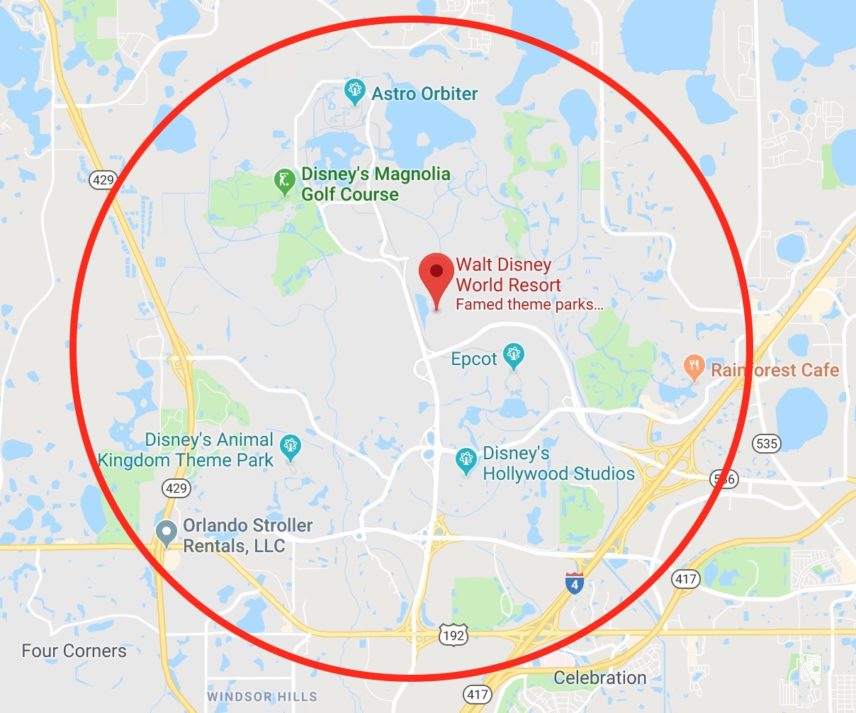
In conclusion, the question “How big is Walt Disney World Resort in Florida?” elicits an answer that transcends simple measurements. At approximately 40 square miles, it’s a sprawling empire of entertainment, hospitality, and natural beauty that rivals major cities and even small countries in size. This immense scale is not incidental; it is the very foundation upon which its immersive storytelling, diverse accommodation options, efficient transportation, and varied lifestyle experiences are built. From the detailed planning required to navigate its vastness to the incredible array of hotels and landmarks it contains, every aspect of a visit to Walt Disney World is shaped by its colossal dimensions. It stands as a monumental landmark in its own right, a testament to a grand vision that continues to enchant and inspire travelers from across the globe, solidifying its place as one of the world’s most unique and beloved travel destinations.
LifeOutOfTheBox is a participant in the Amazon Services LLC Associates Program, an affiliate advertising program designed to provide a means for sites to earn advertising fees by advertising and linking to Amazon.com. Amazon, the Amazon logo, AmazonSupply, and the AmazonSupply logo are trademarks of Amazon.com, Inc. or its affiliates. As an Amazon Associate we earn affiliate commissions from qualifying purchases.