
The Golden State. The Land of Opportunity. California’s allure is undeniable, drawing millions of visitors each year to its sun-drenched beaches, majestic mountains, and vibrant cities. But beyond the stunning landscapes and world-class attractions lies a rich and complex history, one that culminates in its ascent to statehood. The journey of California from a distant territory to a pivotal member of the United States is a captivating tale of exploration, conflict, ambition, and transformation.
From Spanish Shores to Mexican Rule
Long before the iconic Hollywood sign illuminated the Los Angeles skyline, and before the bustling ports of San Francisco welcomed ships from across the globe, the land we now know as California was a vast and sparsely populated territory. Its story begins with European exploration. In the 16th century, Spanish explorers, driven by tales of riches and the desire to expand their empire, began to chart the western coast of North America. Among the earliest to make significant claims was Juan Rodríguez Cabrillo, who in 1542 sailed up the coast, planting a Spanish flag and claiming the land for Spain.
For centuries, this vast territory remained under Spanish dominion, characterized by a chain of missions established by Franciscan missionaries, most notably Junípero Serra. These missions, stretching from San Diego to Sonoma, were not just religious outposts but also served as centers of colonization, agriculture, and governance. They aimed to convert the indigenous populations, primarily the Chumash, Tongva, and Ohlone peoples, to Christianity and integrate them into the Spanish colonial system. Life under Spanish rule was dictated by the Crown, with limited self-governance and a focus on maintaining control over its distant territories.
The 19th century brought seismic shifts to the geopolitical landscape of North America. In 1821, Mexico gained its independence from Spain, and with it, inherited control of Alta California. Under Mexican rule, the mission system was secularized, and vast ranchos were granted to wealthy individuals, transforming the economy and social structure. Life continued to be largely agrarian, centered around cattle ranching. However, the remote nature of Alta California meant that governance from Mexico City was often distant and inconsistent, leaving the territory with a significant degree of local autonomy. During this period, American traders and settlers began to make their way westward, drawn by the fertile land and the promise of a new life. These early American arrivals, though few in number, sowed the seeds of future change.
The Gold Rush and the Race for Statehood
The year 1848 marked a turning point that would irrevocably alter the destiny of California. While the Mexican-American War was coming to a close, and as negotiations for the Treaty of Guadalupe Hidalgo were underway, a discovery was made that would ignite a global frenzy: gold. James W. Marshall, working at Sutter’s Mill near Coloma, stumbled upon flakes of gold in the American River. The news, though initially kept quiet, soon spread like wildfire, triggering the infamous California Gold Rush.
Thousands upon thousands of prospectors, adventurers, and fortune-seekers, known as “forty-niners,” descended upon California from all corners of the globe. From the United States, Europe, South America, and Asia, they flocked to the burgeoning mining camps, transforming sleepy hamlets into bustling boomtowns. Cities like San Francisco exploded in population and economic activity, becoming a vital hub for trade, supply, and transportation. The sheer influx of people created unprecedented challenges and opportunities.
This rapid demographic shift, fueled by the promise of immense wealth, put immense pressure on the existing political structures. The territory, still under nominal Mexican control at the war’s inception and then under US military occupation, lacked a stable government capable of managing the chaos and rapid growth. The existing population, a mix of Californios (Spanish-speaking Californians), Native Americans, and the newly arrived American settlers, found themselves navigating a complex and often volatile environment.
The United States government recognized the strategic importance of California and the urgent need to establish order and integrate it fully into the nation. The acquisition of California was a key objective of the Mexican-American War, and the subsequent discovery of gold only amplified its value. As more Americans settled in California, the desire for a more organized and representative government grew. This led to a movement pushing for California to become a U.S. state.
The Compromise of 1850 and California’s Entry into the Union
The path to statehood was not a straightforward one. California’s unique circumstances, particularly its rapid population growth and the ongoing debate over slavery in the United States, presented significant hurdles. As the nation grappled with the issue of whether new territories should be admitted as free or slave states, California’s position became a crucial bargaining chip. The Southern states feared that admitting California as a free state would tip the balance of power in Congress in favor of the North, potentially threatening the institution of slavery.
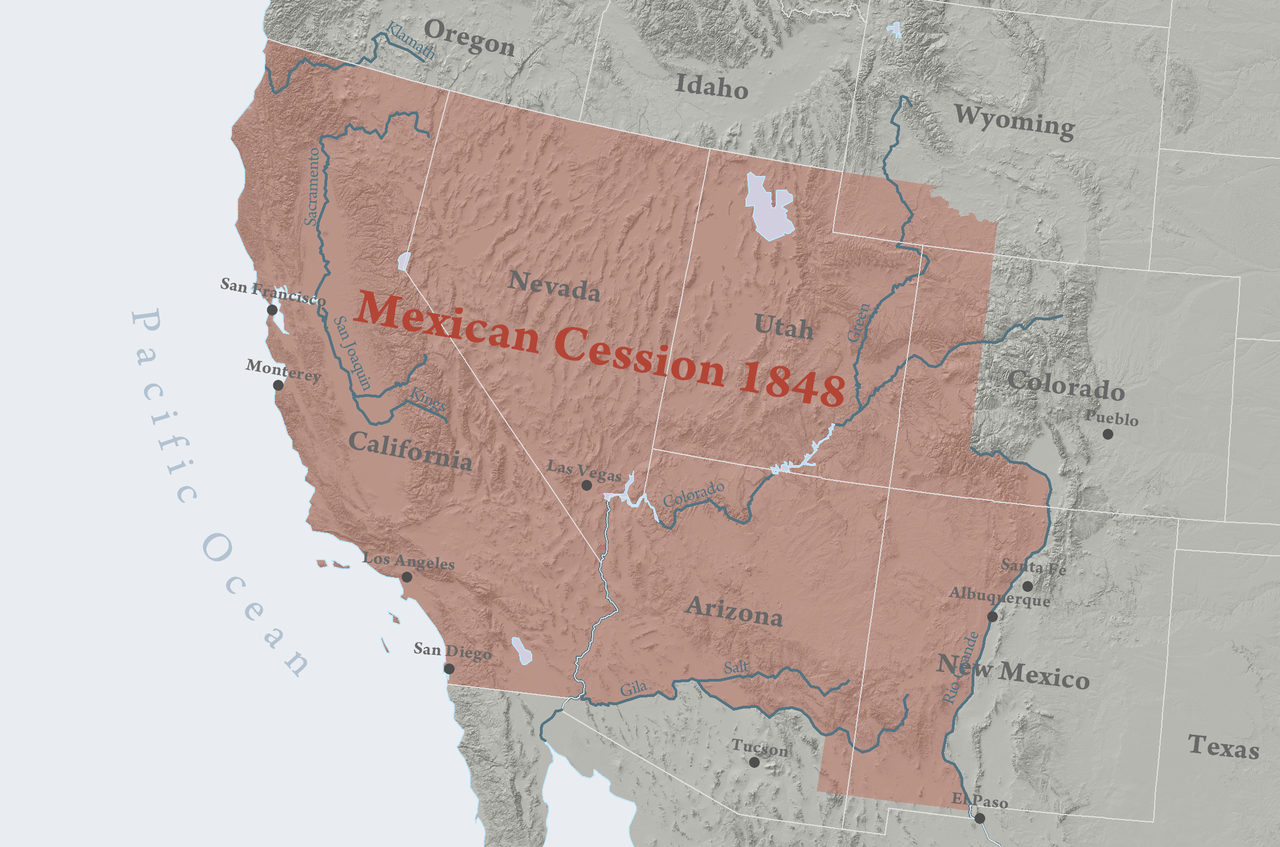
In response to these tensions, and driven by a desire to avoid further secessionist sentiment, a series of legislative measures known as the Compromise of 1850 was forged. This monumental legislative package, championed by figures like Henry Clay and Stephen Douglas, aimed to address the contentious issues arising from the Mexican Cession. The compromise included several key provisions, and one of its most significant outcomes was the admission of California as a free state on September 9, 1850.
This admission was a pivotal moment in American history. It not only expanded the nation’s territory westward but also had a profound impact on the delicate balance of power between free and slave states. California’s entry, as a free state, further intensified the national debate over slavery, ultimately contributing to the tensions that would erupt in the Civil War just over a decade later.
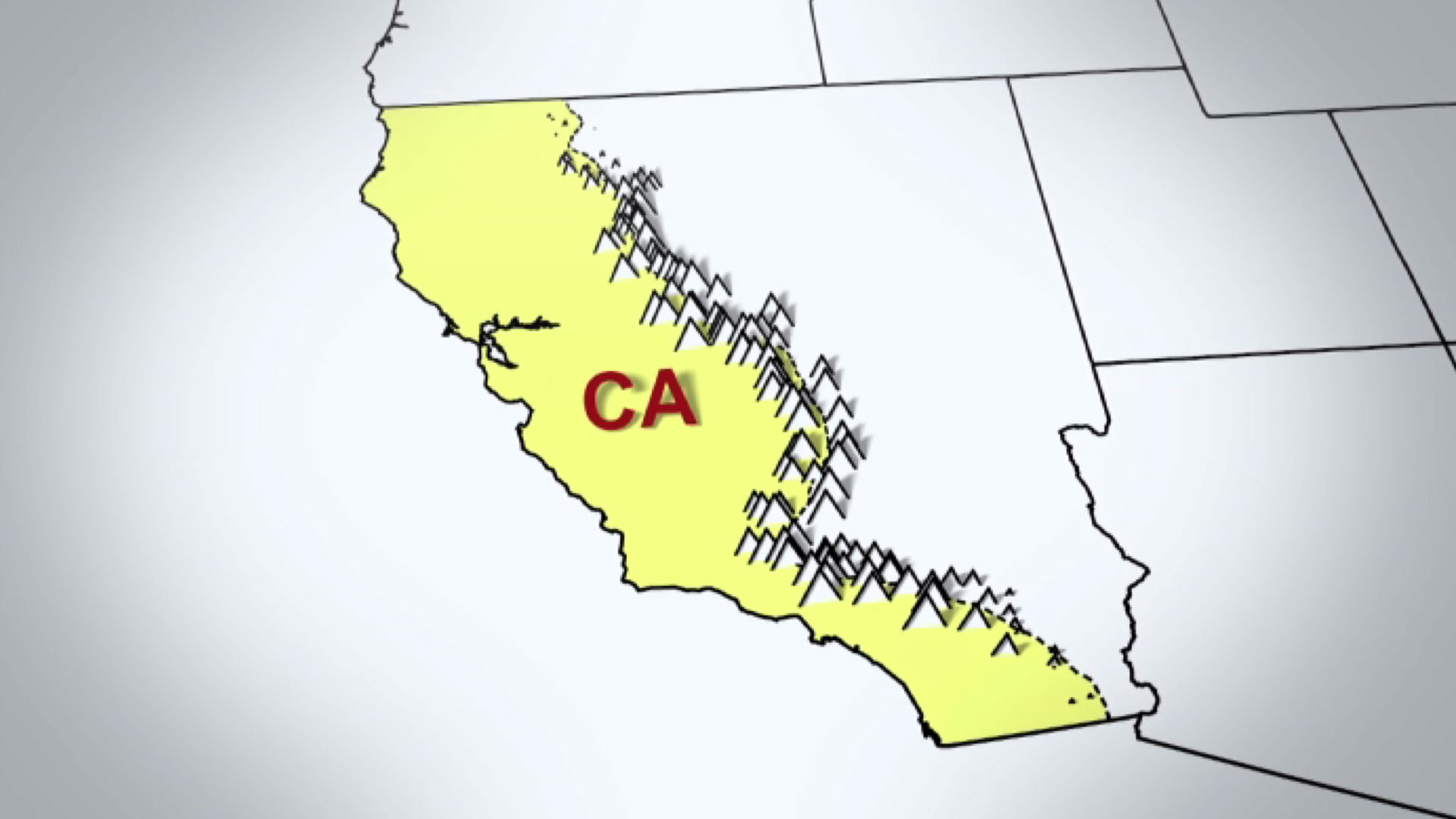
The process of becoming a state involved more than just a congressional vote. Following the Treaty of Guadalupe Hidalgo in 1848, which ceded California to the United States, a military government was established. However, the rapid influx of people during the Gold Rush necessitated a more formal governmental structure. In 1849, delegates from across the territory convened at San Jose for a constitutional convention. They drafted a state constitution that prohibited slavery, established a framework for governance, and defined the boundaries of the new state. This constitution was overwhelmingly ratified by the populace, demonstrating a clear desire for statehood. The admission of California as the 31st state was a testament to its rapid transformation, its growing economic power, and the complex political negotiations that shaped the nation’s destiny.

A State of Enduring Appeal
From its humble beginnings as a distant Spanish outpost to its dramatic transformation during the Gold Rush, California’s journey to statehood is a compelling narrative of ambition, discovery, and political maneuvering. The legacy of this era continues to resonate today, shaping the state’s identity and its enduring appeal.
For travelers, California offers an unparalleled diversity of experiences. The iconic Golden Gate Bridge in San Francisco stands as a monument to human ingenuity, while the sun-drenched beaches of Southern California, from Malibu to San Diego, beckon with their laid-back lifestyle and endless recreational opportunities. History buffs can explore the preserved missions along the coast, remnants of the Spanish colonial past, and immerse themselves in the stories of the Gold Rush era at sites like Bodie State Historic Park, a remarkably preserved ghost town.
The state’s natural beauty is equally breathtaking. Majestic national parks like Yosemite and Sequoia showcase towering granite cliffs and ancient giant trees, offering unparalleled hiking and camping experiences. The rugged coastline of Big Sur provides dramatic vistas and winding scenic drives, a testament to the raw beauty of the Pacific.
When it comes to accommodation, California boasts a spectrum of options to suit every taste and budget. From luxurious resorts offering world-class amenities and breathtaking ocean views, such as the Post Ranch Inn in Big Sur, to charming boutique hotels in vibrant city centers like Los Angeles and San Francisco, travelers are spoilt for choice. For those seeking a more independent experience, a wide array of vacation rentals, apartments, and villas are available, providing a home away from home. Many establishments offer unique experiences, from vineyard stays in Napa Valley to beachfront bungalows along the Orange County coast.
The tourism industry in California is as diverse as its landscape. Visitors can immerse themselves in the vibrant local culture, from the artistic enclaves of Santa Fe (though this is in New Mexico, the spirit of artistic exploration is prevalent in California’s own artistic communities) to the culinary hotspots of Los Angeles and San Francisco. Foodies can embark on gastronomic journeys, sampling everything from fresh seafood to innovative farm-to-table cuisine. Activities abound, from wine tasting in Sonoma to theme park thrills in Anaheim, attending concerts and sporting events, or simply soaking in the laid-back surf culture of coastal towns.
Ultimately, California’s story is one of constant evolution. Its ability to reinvent itself, coupled with its natural beauty and opportunities, has cemented its status as a land of enduring appeal. Whether one is drawn by its historical significance, its unparalleled attractions, or its vibrant lifestyle, California continues to capture the imagination of the world, a testament to its remarkable journey from a territorial dream to a powerful and influential state. The echoes of the Gold Rush and the debates of the Compromise of 1850 are woven into the fabric of this dynamic state, a place that continues to inspire and attract people from all walks of life.