
Embarking on a journey to obtain a Commercial Driver’s License (CDL) in Texas is more than just acquiring a permit to operate large vehicles; it’s a gateway to an expansive world of travel, unique lifestyle choices, and diverse career opportunities across the Lone Star State and beyond. For those with a passion for the open road, a desire to explore new destinations, or an ambition to work within the bustling travel and tourism sectors, a CDL can be the ultimate ticket. Texas, with its vast landscapes, vibrant cities, and thriving economy, offers an unparalleled backdrop for commercial drivers, whether you envision yourself transporting tourists between iconic landmarks, delivering supplies to luxurious Texas resorts, or simply enjoying the freedom of a job that keeps you moving.
This comprehensive guide will demystify the process of securing your CDL in Texas, aligning the necessary steps with the exciting lifestyle and travel prospects this license can unlock. We’ll explore everything from eligibility and training to the final tests, all while illustrating how a CDL can enrich your personal journey and professional trajectory within the realms of travel, accommodation, and the wider tourism industry.
Why Consider a CDL for a Travel-Oriented Lifestyle in Texas?
Texas is a state synonymous with vastness and diversity, making it an incredibly rewarding place for commercial drivers. For individuals drawn to a life that combines work with constant exploration, a CDL offers unique advantages, transforming every workday into a new adventure. The demand for skilled commercial drivers spans various industries, many of which directly feed into the travel and tourism ecosystem, offering an exciting alternative to traditional nine-to-five jobs.
The Diverse Landscape of Opportunities
Imagine being the professional behind the wheel of a luxury motorcoach, ferrying excited tourists through the historic streets of San Antonio, perhaps pointing out the Alamo or the vibrant River Walk. Or perhaps your calling is to navigate the bustling thoroughfares of Dallas or Houston, ensuring that essential supplies reach grand hotels and popular tourist attractions on time, contributing to the seamless experience of countless travelers. A CDL empowers you to take on roles such as:
- Tour Bus Operator: Driving passenger coaches for scenic tours through the Texas Hill Country’s wineries, transporting concert-goers to events in Austin, or shuttling visitors between key attractions. This role is inherently tied to the “Travel,” “Tourism,” and “Experiences” aspects of our website.
- Hotel and Resort Logistics: Operating trucks to deliver linens, food, beverages, and other amenities to resorts and hotels across Texas, from the sophisticated urban hotels of Dallas to the beachfront resorts along the Gulf Coast. This directly touches on “Hotels,” “Accommodation,” and “Lifestyle” (budget or luxury travel support).
- RV Transport and Relocation: For those passionate about the “Lifestyle” of mobile living, a CDL can enable you to transport recreational vehicles for dealerships or private owners, a job that often involves crisscrossing the state and country, experiencing various landscapes.
- Event and Festival Transport: Texas hosts numerous major events, from SXSW in Austin to the Houston Livestock Show and Rodeo. CDL holders are crucial for transporting stages, equipment, and even food trucks, making these large-scale “Experiences” possible.
- Long-Haul Exploration: While some jobs keep you local, a Class A CDL opens the door to interstate travel, allowing you to traverse the entire United States. Imagine the sights you’d see, the diverse cultures you’d encounter, and the sheer independence of life on the open road.
These roles are not just jobs; they are opportunities to integrate travel and exploration into your daily life, discovering hidden gems and famous landmarks of Texas from a unique vantage point.
Beyond the Wheel: A Gateway to New Experiences
Commercial driving, particularly in a state as geographically and culturally rich as Texas, offers more than just a paycheck; it provides a unique form of travel and cultural immersion. Drivers often visit places off the typical tourist path, encounter diverse communities, and witness the raw beauty of the state, from the rugged mountains of Big Bend National Park to the lush Piney Woods of East Texas. This firsthand exposure to “Local Culture” and “Nature” aligns perfectly with the exploratory spirit of our website.
The independence that comes with being a commercial driver is a significant draw for many. While there are schedules and routes to follow, there’s often a degree of autonomy that allows for personal reflection and a sense of mastery over one’s craft. For those who thrive on movement and variety, a CDL career can offer a lifestyle that is both challenging and profoundly rewarding, perfectly complementing a “Lifestyle” focused on adventure and discovery.
Navigating the Path to Your Texas CDL: The Essential Steps
Obtaining a CDL in Texas involves a structured process designed to ensure that all commercial drivers are thoroughly prepared and capable of operating large vehicles safely. The journey requires dedication to study, practical training, and a commitment to safety, but the rewards are significant.
Eligibility Requirements: Are You Ready to Roll?
Before you can even begin the training or testing phase, you must meet several fundamental eligibility criteria set by the Texas Department of Public Safety (DPS) and the federal Department of Transportation (DOT). These requirements are in place to ensure public safety and the competency of commercial drivers.
- Age Requirements:
- You must be at least 18 years old to drive a commercial motor vehicle (CMV) within Texas (intrastate commerce).
- To drive a CMV across state lines (interstate commerce), you must be at least 21 years old. This is crucial if your travel aspirations extend beyond Texas’s borders.
- Valid Texas Driver’s License: You must possess a non-commercial Texas Driver’s License before applying for a CDL. This license must be in good standing, meaning it’s not suspended, revoked, or canceled.
- Proof of US Citizenship or Lawful Permanent Residency: Federal regulations require applicants to provide proof of citizenship (e.g., birth certificate, US passport) or lawful permanent residency (e.g., green card).
- Medical Certification (DOT Physical): All commercial drivers must pass a DOT physical examination administered by a certified medical examiner. This examination assesses your overall health, including vision, hearing, blood pressure, and any medical conditions that could impair your ability to drive safely. Maintaining good health is not only a requirement but a vital aspect of sustaining a demanding travel-oriented lifestyle on the road.
- Driving Record Review: The DPS will review your driving history. A clean driving record, free from serious violations like DUIs, reckless driving, or leaving the scene of an accident, is essential. Certain offenses can disqualify you from obtaining a CDL for a specified period or permanently.
Meeting these prerequisites is the first critical step toward a new career path that could see you traversing the vast landscapes of Texas and beyond, supporting various travel, tourism, and accommodation ventures.
Mastering the Knowledge: Written Examinations
Once you meet the eligibility criteria, the next phase involves demonstrating your theoretical knowledge through a series of written tests. These examinations cover a broad range of topics crucial for safe and compliant commercial vehicle operation. You’ll typically begin by applying for a Commercial Learner’s Permit (CLP) after passing the initial knowledge tests.
- General Knowledge Test: This comprehensive exam covers federal and state regulations, safe driving practices, vehicle inspection, air brakes, and other fundamental aspects of operating a CMV.
- Air Brakes Test: If the commercial vehicle you intend to drive is equipped with air brakes (most large trucks and buses are), you’ll need to pass a specific test demonstrating your understanding of air brake systems.
- Combination Vehicle Test: Required for Class A CDL applicants who will operate combination vehicles (e.g., tractor-trailers), this test assesses knowledge specific to coupling, uncoupling, and safely maneuvering combination units.
- Endorsement Tests: Depending on the type of commercial vehicle you plan to drive and the cargo you intend to carry, you may need to pass additional endorsement tests. These are particularly relevant for tourism-related careers:
- Passenger (P) Endorsement: Essential for driving any vehicle designed to transport 16 or more passengers, including the driver. This is critical for tour bus operators or hotel shuttle drivers, linking directly to “Travel” and “Tourism.”
- School Bus (S) Endorsement: For operating a school bus.
- Tanker (N) Endorsement: For transporting liquid or gaseous materials in tanks.
- Hazardous Materials (H) Endorsement: Required for transporting placarded hazardous materials.
- Double/Triple Trailer (T) Endorsement: For pulling multiple trailers.
Thorough preparation is key to passing these tests. The Texas Commercial Driver’s License Handbook is your primary study resource, available online or at DPS offices. Many CDL training schools also offer preparatory courses and practice tests to help you solidify your understanding.
Hands-On Training: CDL Schools and Practical Skills
While the written tests confirm your theoretical knowledge, operating a commercial vehicle safely requires significant practical skill. This is where professional CDL training programs become invaluable. Attending an accredited CDL school in Texas provides structured, hands-on instruction that prepares you for the demanding driving skills test.
These programs typically cover:
- Pre-Trip Inspection: Learning to meticulously inspect a CMV for mechanical and safety issues before each journey is a critical skill. This ensures both your safety and the safety of any cargo or passengers, aligning with responsible “Travel” practices.
- Basic Vehicle Controls: Mastering fundamental maneuvers such as straight-line backing, offset backing, parallel parking (driver side and conventional), and coupling/uncoupling trailers. These skills are essential for navigating tight spaces often encountered around hotels, convention centers, or loading docks at various attractions.
- On-Road Driving: Extensive behind-the-wheel training on public roads, where you’ll learn to handle different traffic conditions, adverse weather, defensive driving techniques, and how to safely merge, change lanes, and manage speed in a large vehicle. This practical experience is crucial for building confidence and competence, preparing you for the realities of commercial driving across diverse Texas terrains.
Choosing a reputable CDL school is an investment in your future. Look for schools with experienced instructors, modern equipment, and a curriculum that covers all aspects of the CDL skills test. Many schools also offer job placement assistance, connecting graduates with companies in freight, logistics, and increasingly, the tourism and hospitality sectors.
The Road Test and Beyond: Securing Your Texas CDL
After mastering the knowledge and acquiring the necessary practical skills, the final hurdle is the CDL driving skills test. This is where all your preparation culminates, demonstrating your ability to safely and proficiently operate a commercial motor vehicle.
The Driving Skills Test: Your Final Hurdle
The CDL driving skills test in Texas consists of three parts, administered by a DPS examiner:
- Pre-Trip Inspection: You will be required to perform a comprehensive walk-around inspection of the commercial vehicle, identifying and explaining various components and their function, as well as checking for potential defects. This is a critical safety measure that you’ll perform daily in your commercial driving career.
- Basic Vehicle Control Skills: This segment takes place in a closed course and assesses your ability to perform specific maneuvers, such as backing in a straight line, backing around a corner, or parallel parking. Precision and control are key here, reflecting your ability to navigate tight delivery areas or bus terminals.
- On-Road Driving Test: This is the longest and most comprehensive part, conducted on public roads with the examiner observing your driving skills in real-world conditions. You’ll be evaluated on your ability to handle traffic, make turns, change lanes, observe traffic laws, and demonstrate overall safe driving behavior. This tests your readiness for the dynamic and often unpredictable nature of commercial travel.
Passing these tests signifies your readiness to operate a CMV. If you fail any part, you must wait a minimum of 24 hours (or longer, depending on the test site’s policy) before retesting. Perseverance and continued practice are often necessary to overcome initial setbacks.
Receiving Your CDL and Exploring Career Avenues
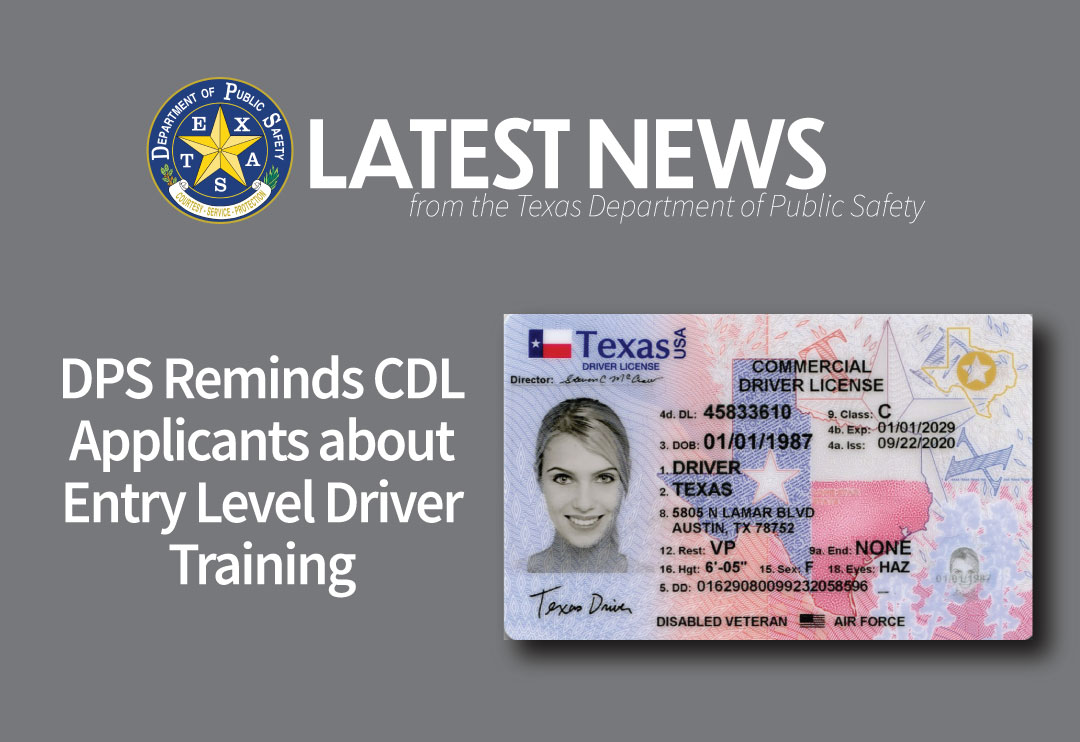
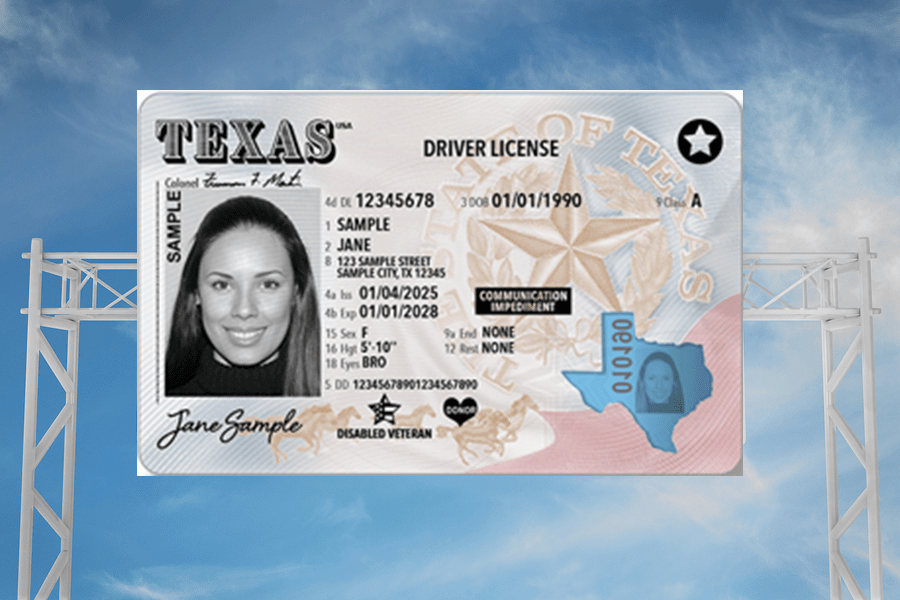
Upon successfully passing all three components of the driving skills test, you will be issued your Texas CDL. This license will specify the class of vehicle you are authorized to drive (Class A, B, or C) and any endorsements you have obtained.
- Class A CDL: Required for operating any combination of vehicles with a Gross Combination Weight Rating (GCWR) of 26,001 pounds or more, provided the Gross Vehicle Weight Rating (GVWR) of the vehicle being towed is more than 10,000 pounds. This is the most versatile CDL, opening doors to long-haul trucking, heavy equipment transport, and even some luxury coach operations.
- Class B CDL: Required for operating a single vehicle with a GVWR of 26,001 pounds or more, or towing a vehicle not exceeding 10,000 pounds GVWR. This class is common for straight trucks, large buses (like many tour buses or city buses), and delivery vehicles.
- Class C CDL: Required for operating a single vehicle or combination of vehicles not meeting the criteria for Class A or B, but designed to transport 16 or more passengers (including the driver), or transporting hazardous materials. This class is relevant for smaller passenger shuttles or specialized transport.
With your CDL in hand, a wealth of career opportunities tied to travel, tourism, and lifestyle open up in Texas. From delivering gourmet food to boutique hotels in Austin to transporting equipment for an outdoor adventure company heading to the Rio Grande Valley, your CDL makes you an indispensable part of the state’s vibrant economy. The “Accommodation” sector, in particular, relies heavily on efficient logistics, creating steady demand for CDL holders.
Maximizing Your CDL: Lifestyle and Travel Opportunities in the Lone Star State
A Commercial Driver’s License in Texas isn’t merely a document; it’s a passport to a unique lifestyle and an extended opportunity for travel and exploration within one of the most diverse states in the nation. It transforms the mundane act of driving into a continuous journey of discovery, aligning perfectly with a life “out of the box.”
Experiencing Texas Through a Commercial Lens
As a commercial driver, you’ll gain an intimate knowledge of Texas that few others experience. You’ll witness the changing landscapes from the pine forests of East Texas to the deserts of West Texas, the bustling cityscapes of Houston and Dallas, and the serene beauty of the Texas Hill Country. This constant movement offers an unparalleled perspective on the state’s geography, history, and evolving culture.
The independence often associated with commercial driving allows for a degree of flexibility that many appreciate. While job roles vary, many drivers find a sense of freedom in being on the road, exploring new towns, stopping at unique local eateries, and observing the rhythms of life across different Texas communities. This aligns with the “Budget Travel” and “Family Trips” aspects of our website, as commercial driving can offer the financial stability to plan these personal adventures during your off-time, often with the added benefit of having already scouted interesting locations.

Connecting with Texas Tourism
Your CDL can directly integrate you into the booming Texas tourism industry. Consider the possibilities:
- Scenic Tours: Driving specialized vehicles for guided tours of historic districts, state parks, or wine regions.
- Airport Shuttles: Operating larger shuttles for major hotels or resorts near international airports in Dallas, Houston, or Austin, enhancing the “Accommodation” experience for travelers.
- Event Support: Transporting equipment, artists, or even entire setups for major conferences, music festivals, or sporting events that attract visitors from across the globe to Texas. Your role ensures these “Experiences” run smoothly.
- Food and Beverage Logistics: Delivering specialty foods, craft beers, and fine wines to restaurants and upscale resorts that cater to a sophisticated “Luxury Travel” clientele, ensuring they have the best local and international provisions.
- Adventure Tourism: Driving vehicles for companies specializing in outdoor activities like rafting tours in the Rio Grande Valley or hunting excursions, connecting people with “Nature” and adventure.
These opportunities allow you to be an integral part of creating memorable travel experiences for others, all while maintaining an active, dynamic “Lifestyle” for yourself. The knowledge you gain from your routes can even inform your personal travel plans, helping you discover hidden gems for your own adventures.
In conclusion, obtaining a Commercial Driver’s License in Texas is a strategic move for anyone seeking a career that blends professional responsibility with the exhilaration of continuous travel and discovery. It’s a key that unlocks a vast array of opportunities within the robust Texas economy, particularly in the ever-growing travel, tourism, and hospitality sectors. Whether your ambition is to ferry tourists to iconic Texas landmarks, ensure the seamless operation of a luxury resort, or simply embrace a life on the open road, a CDL in the Lone Star State is your starting point for an extraordinary journey.
LifeOutOfTheBox is a participant in the Amazon Services LLC Associates Program, an affiliate advertising program designed to provide a means for sites to earn advertising fees by advertising and linking to Amazon.com. Amazon, the Amazon logo, AmazonSupply, and the AmazonSupply logo are trademarks of Amazon.com, Inc. or its affiliates. As an Amazon Associate we earn affiliate commissions from qualifying purchases.