
The tantalizing proximity of Cuba to the shores of Florida has long fueled imaginations, sparking dreams of sun-drenched beaches, vibrant culture, and a unique historical tapestry. For travelers based in the United States, particularly Florida, the question of “how close is Cuba?” is not just a geographical query but a gateway to understanding the feasibility and allure of a potential island escape. This exploration delves into the physical distance, the historical context that has influenced accessibility, and the burgeoning opportunities for travel between these two geographically proximate yet historically distinct entities.
The Geographical Divide: A Stone’s Throw Across the Straits
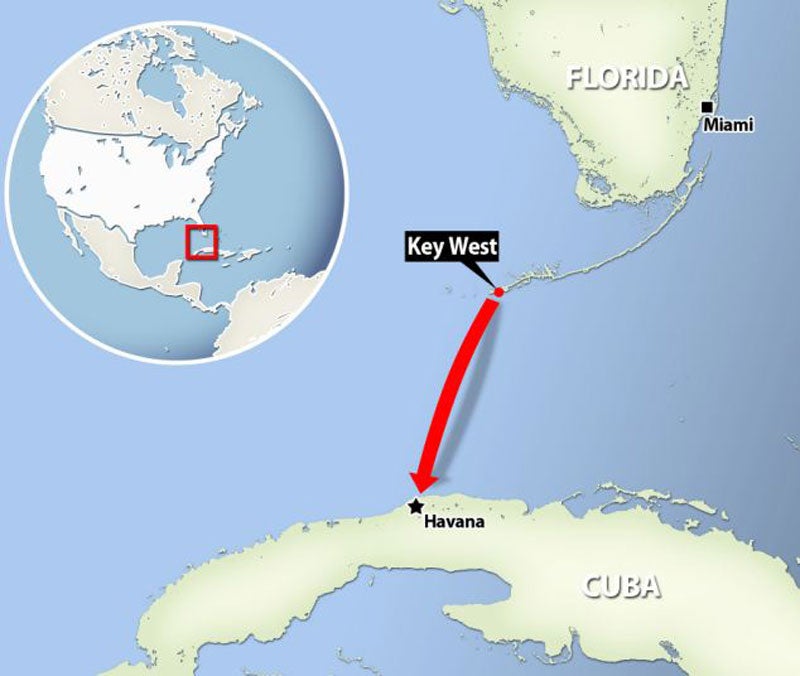
At its core, the answer to “how close is Cuba to Florida?” is remarkably close. The narrowest point of separation between the two lies across the Florida Straits. From the southern tip of Florida, specifically Key West, the distance to the westernmost point of Cuba, the province of Pinar del Río, is approximately 90 miles (around 145 kilometers). This is a surprisingly short distance, a mere hop that, in many parts of the world, would connect two friendly neighboring countries with ease.
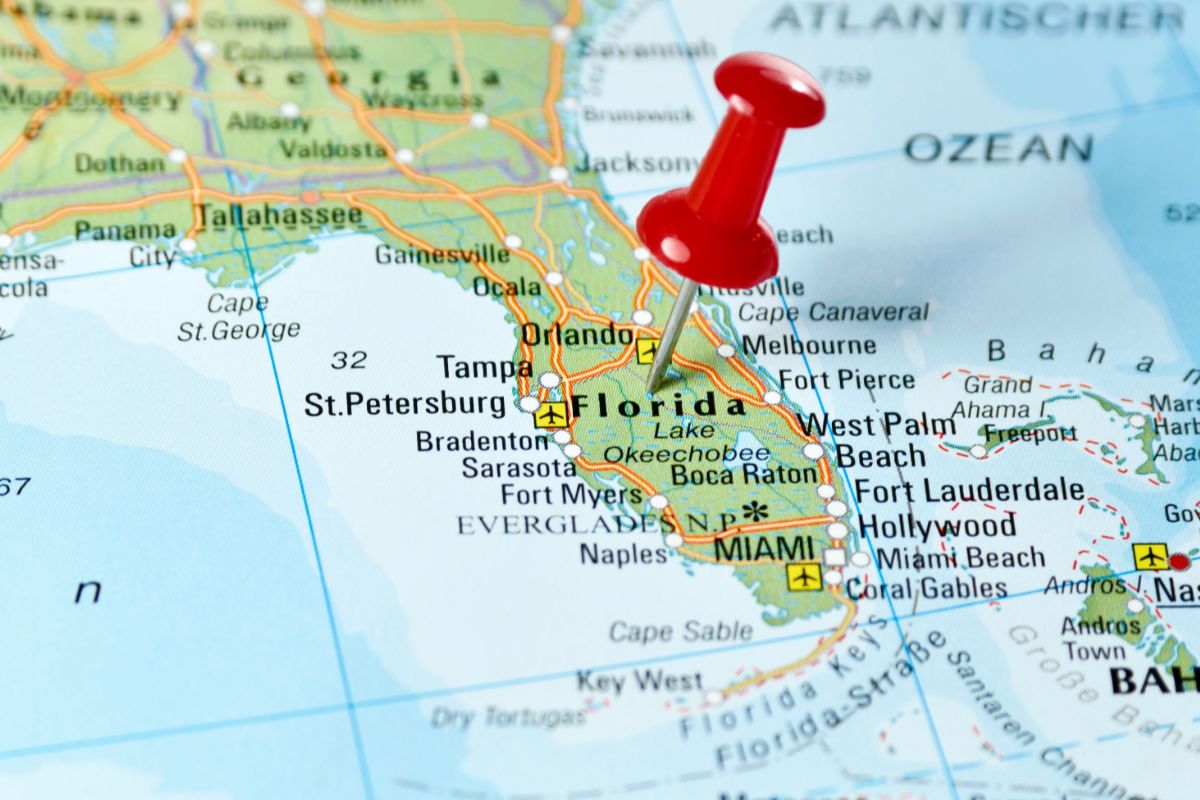
To put this into perspective, 90 miles is less than the distance from New York City to Philadelphia, or from Los Angeles to San Diego. This geographical intimacy is a key factor that has contributed to the enduring curiosity and the strategic importance of Cuba throughout history.
Distance to Major Cuban Destinations
While the closest point is 90 miles, the distance to more prominent Cuban cities relevant for tourism varies:
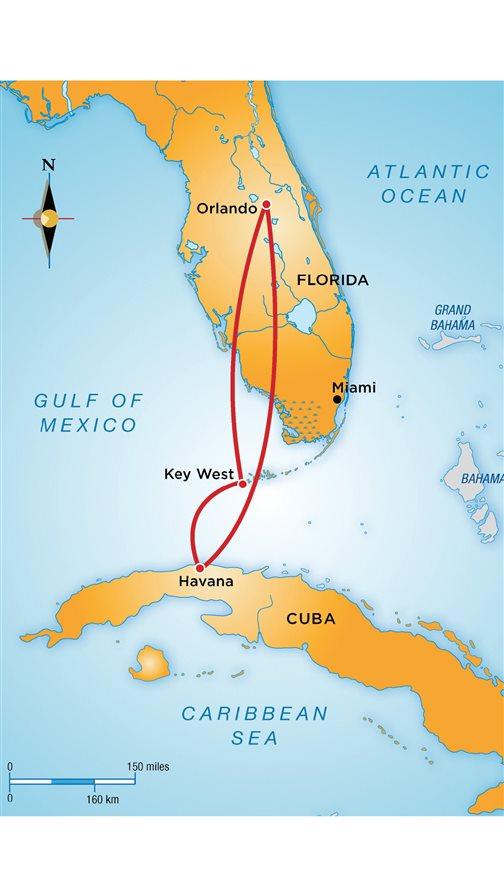
- Key West, Florida to Havana, Cuba: The distance from Key West to Havana, the vibrant capital city, is roughly 230 miles (about 370 kilometers). This is the most common route for many travelers, and it underscores the relative ease of access from South Florida.
- Miami, Florida to Havana, Cuba: From Miami, a major hub for international travel, the distance to Havana is approximately 230 miles (around 370 kilometers) by air. Sea travel, when available, also covers this span.
- Miami, Florida to Varadero, Cuba: For those seeking the renowned beaches of Varadero, the distance from Miami is slightly longer, around 240 miles (approximately 385 kilometers).
These distances highlight that Cuba is not an obscure, far-flung destination for Floridians. It is a neighbor, a palpable presence just across the waters, making the prospect of visiting not just a possibility but an attractive one.
Historical Context and Evolving Accessibility
The physical closeness of Cuba and Florida has always been intertwined with a complex and often turbulent history. For decades, direct travel between the United States and Cuba was severely restricted due to political tensions and U.S. embargo policies. This historical reality meant that while geographically close, the two nations felt worlds apart for most American travelers.
However, the landscape of travel has been evolving. In recent years, there have been periods of thawing relations, leading to increased, albeit sometimes fluctuating, opportunities for travel. While direct commercial flights were re-established for a time and then curtailed, and cruises have offered routes, the political climate continues to play a significant role in how accessible Cuba is from the U.S.
Understanding this historical backdrop is crucial for appreciating the current state of affairs and the potential future of travel between Florida and Cuba. The desire to connect with a neighboring culture, explore its unique attractions, and experience its way of life has persisted, fueled by the close geographical tie.
The “People-to-People” Travel Category
During periods of relaxed travel restrictions, the U.S. government has often facilitated travel through specific categories, such as “people-to-people” educational exchanges. These programs allowed Americans to visit Cuba under the umbrella of engaging with the local culture, supporting independent businesses, and learning about Cuban society. While the exact implementation and availability of these categories can change, they represent a significant pathway for American travelers.
These initiatives underscore the recognition that the proximity between Florida and Cuba presents an opportunity for cultural exchange and mutual understanding. The aim has often been to bypass purely tourist-driven activities and foster genuine interactions, allowing visitors to delve deeper into the Cuban experience, from the historic streets of Havana to the natural beauty of the Viñales Valley.
Planning Your Cuban Adventure from Florida
For those in Florida eager to explore Cuba, the proximity offers distinct advantages in terms of travel planning and potential cost savings compared to journeys from other parts of the U.S. or the world. While independent travel can be complex due to regulations, organized tours, and specific travel programs often provide a streamlined experience.
Travel Options: Flights and Cruises
- Flights: Direct flights from Miami and other Florida cities to Havana and other Cuban airports have been a primary mode of transportation during periods of open travel. These flights are relatively short, often under an hour, making Cuba feel like a domestic trip in terms of travel time. The availability and frequency of these flights are subject to the prevailing political and regulatory environment.
- Cruises: Cruises have also emerged as a popular way to visit Cuba from Florida. Many cruise lines offer itineraries that include stops in Havana, Cienfuegos, or Santiago de Cuba. These voyages often provide a comprehensive experience, combining a taste of Cuban life with the amenities of a resort at sea. Ports like Miami and Fort Lauderdale are common departure points.
Navigating the Logistics
While the geographical closeness simplifies the journey, travelers must be aware of the specific requirements for visiting Cuba from the U.S. This includes understanding visa requirements, travel insurance, and regulations regarding spending money on the island. Consulting with travel agencies specializing in Cuba travel or thoroughly researching the latest U.S. Department of the Treasury guidelines is essential.
The proximity to Cuba from Florida makes it a compelling destination for those seeking a different kind of travel experience. Whether it’s exploring the iconic vintage cars of Havana Vieja, enjoying the sun on the beaches of Varadero, or discovering the rich history and art of cities like Trinidad, Cuba offers a vibrant and immersive cultural adventure just a short distance away. The allure of this neighboring island, with its unique blend of history, music, and captivating landscapes, continues to draw interest, making the question “How close is Cuba to Florida?” a prompt for exciting travel possibilities.
Cuban Culture and Experiences
Beyond the geographical and logistical aspects, the proximity fosters an understanding of the shared cultural influences and the unique identity of Cuba. Travelers from Florida often find themselves drawn to the rhythmic music, the delicious cuisine, and the resilient spirit of the Cuban people.
- Music and Dance: From the infectious rhythms of salsa to the melancholic melodies of the son cubano, Cuban music is a cornerstone of its identity. Experiencing live music in a Havana bar or joining a dance lesson offers an unforgettable immersion into the island’s soul.
- Gastronomy: Cuban cuisine is a delightful fusion of Spanish, African, and Caribbean flavors. Dishes like ropa vieja, moros y cristianos, and lechón asado are staples, often accompanied by the refreshing taste of a mojito or a daiquiri. Exploring local paladares (private restaurants) offers an authentic culinary journey.
- Historical Landmarks: Cuba is rich with historical sites that reflect its colonial past and revolutionary spirit. Havana Vieja, a UNESCO World Heritage site, boasts stunning colonial architecture, including the Cathedral of Havana and Plaza de la Catedral. The Malecón, Havana’s iconic seawall, offers panoramic ocean views and is a hub of local life. Further afield, the historic city of Trinidad transports visitors back in time with its cobblestone streets and colorful buildings.
The short distance from Florida makes it easier for individuals and families to experience these facets of Cuban life. Whether embarking on a budget-friendly adventure exploring local markets and enjoying street food, or opting for a more luxurious stay in a boutique hotel or a private villa, Cuba offers a diverse range of experiences to suit various travel styles and preferences. The island’s charm lies in its authenticity and the warmth of its people, making the journey from Florida a gateway to a truly enriching travel experience.