
Alaska, often dubbed “The Last Frontier,” evokes images of vast wilderness, majestic glaciers, and, inevitably, extreme cold. While many envision a perpetually frozen landscape, the reality of Alaska’s temperatures is far more nuanced, varying dramatically across its immense expanse and diverse climate zones. Understanding the extent of the cold in Alaska is crucial for anyone planning to visit, move there, or simply curious about life in one of the world’s most breathtaking yet challenging environments.
The question “How cold does it get in Alaska?” isn’t one with a simple answer. Temperatures can range from relatively mild winters in the panhandle to bone-chilling extremes in the interior and northern regions. This article delves into the intricacies of Alaska’s climate, exploring average temperatures, record lows, the factors that influence its chill, and essential tips for navigating its unique winter wonderland.
Unpacking Alaska’s Diverse Climates: From Coastal Mildness to Arctic Extremes
Alaska is a state of immense geographical diversity, stretching from the temperate rainforests of its southeastern panhandle to the frigid tundras of the Arctic Slope. This vastness means that the weather experienced in one part of the state can be drastically different from another, sometimes simultaneously. Understanding these climate zones is the first step to truly grasping how cold Alaska can get.
The Maritime Climate: Southeast and Southcentral Alaska
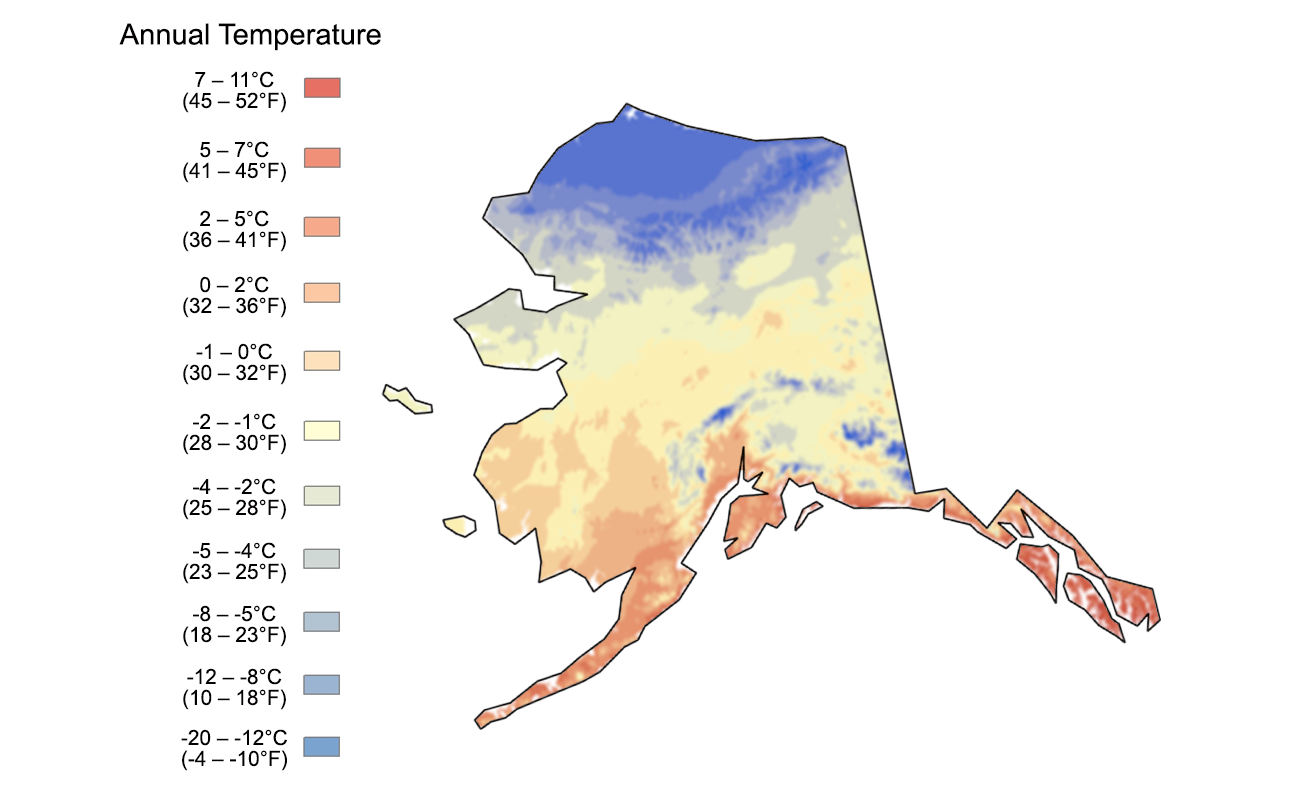
The Southeast Alaska region, including cities like Juneau, Ketchikan, and Sitka, experiences a maritime climate. This area is characterized by relatively mild, wet winters and cool, moist summers, heavily influenced by the warm currents of the Pacific Ocean. While snow is common, temperatures rarely drop to the extreme lows seen elsewhere in the state. Winter average temperatures typically hover between 20°F and 40°F (-6°C to 4°C). Record lows might dip into the single digits or even slightly below 0°F (-18°C), but these are anomalies rather than the norm. Precipitation is abundant, often falling as rain or heavy, wet snow, which can create beautiful, snow-laden landscapes that still allow for accessible travel.
Moving into Southcentral Alaska, home to the state’s largest city, Anchorage, and the Kenai Peninsula, the climate transitions. It’s still influenced by the ocean but experiences more continental characteristics. Winters here are colder and drier than in the southeast, with average temperatures in Anchorage typically ranging from 10°F to 30°F (-12°C to -1°C). Snowfall is significant, making it a prime destination for winter sports enthusiasts. While 0°F (-18°C) days are not uncommon, especially in January and February, temperatures rarely plummet into the -20s or -30s for extended periods within the city limits. However, areas just outside, especially in higher elevations or inland valleys, can certainly see much colder readings. This region offers a fantastic blend of winter activities and more moderate cold, making it a popular choice for tourists seeking a taste of Alaskan winter without the extreme hardships of the interior. Many excellent hotels and resorts in Anchorage are equipped with excellent heating systems, making them comfortable bases for exploring.
The Continental Climate: Interior Alaska
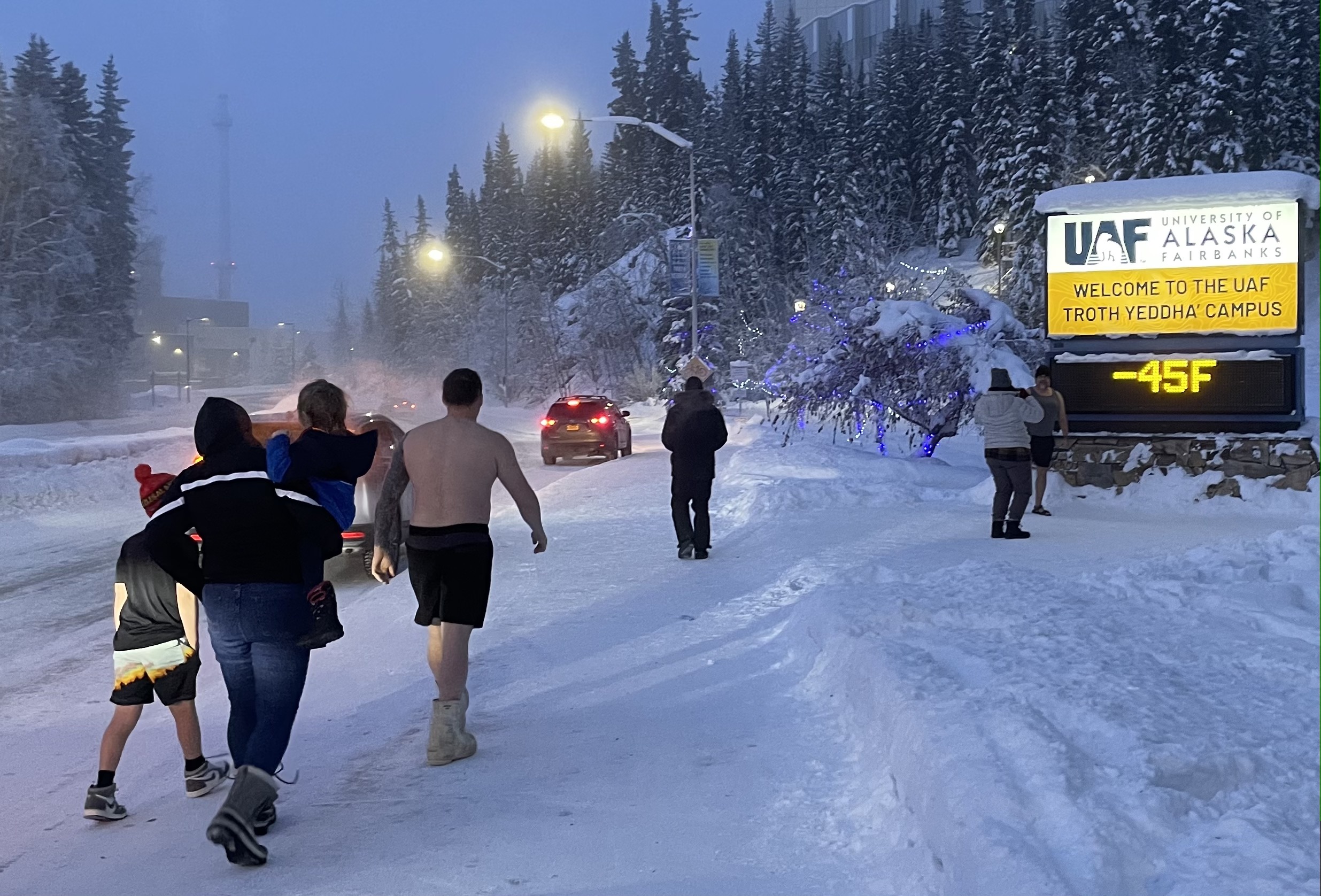
The true heart of Alaska’s legendary cold lies in its interior, a vast region unbuffered by oceanic influence and often trapped under cold, stagnant air masses. Cities like Fairbanks, Delta Junction, and Talkeetna are synonymous with extreme cold. Here, winters are long, dark, and intensely frigid, with average temperatures plummeting to between -10°F and -20°F (-23°C to -29°C). It is not uncommon for temperatures to remain below 0°F (-18°C) for weeks at a time, and periods of -40°F (-40°C) or colder are regular occurrences. The cold here is dry, making it feel less biting than a damp 0°F, but no less dangerous. Snowfall is generally lighter than in coastal areas, but the snow that falls tends to stay, accumulating over months. This region is also famous for its spectacular displays of the Northern Lights, a magical reward for enduring the cold.
The interior’s unique climate is a major draw for adventure travelers and those seeking authentic Alaskan experiences. Accommodations range from cozy cabins designed for extreme cold to Fairbanks hotels that cater to aurora chasers. Lifestyle in these areas revolves around preparedness; cars often have block heaters, homes are heavily insulated, and special cold-weather gear is a necessity, not a luxury.
The Arctic and Subarctic Climates: Northern and Western Alaska
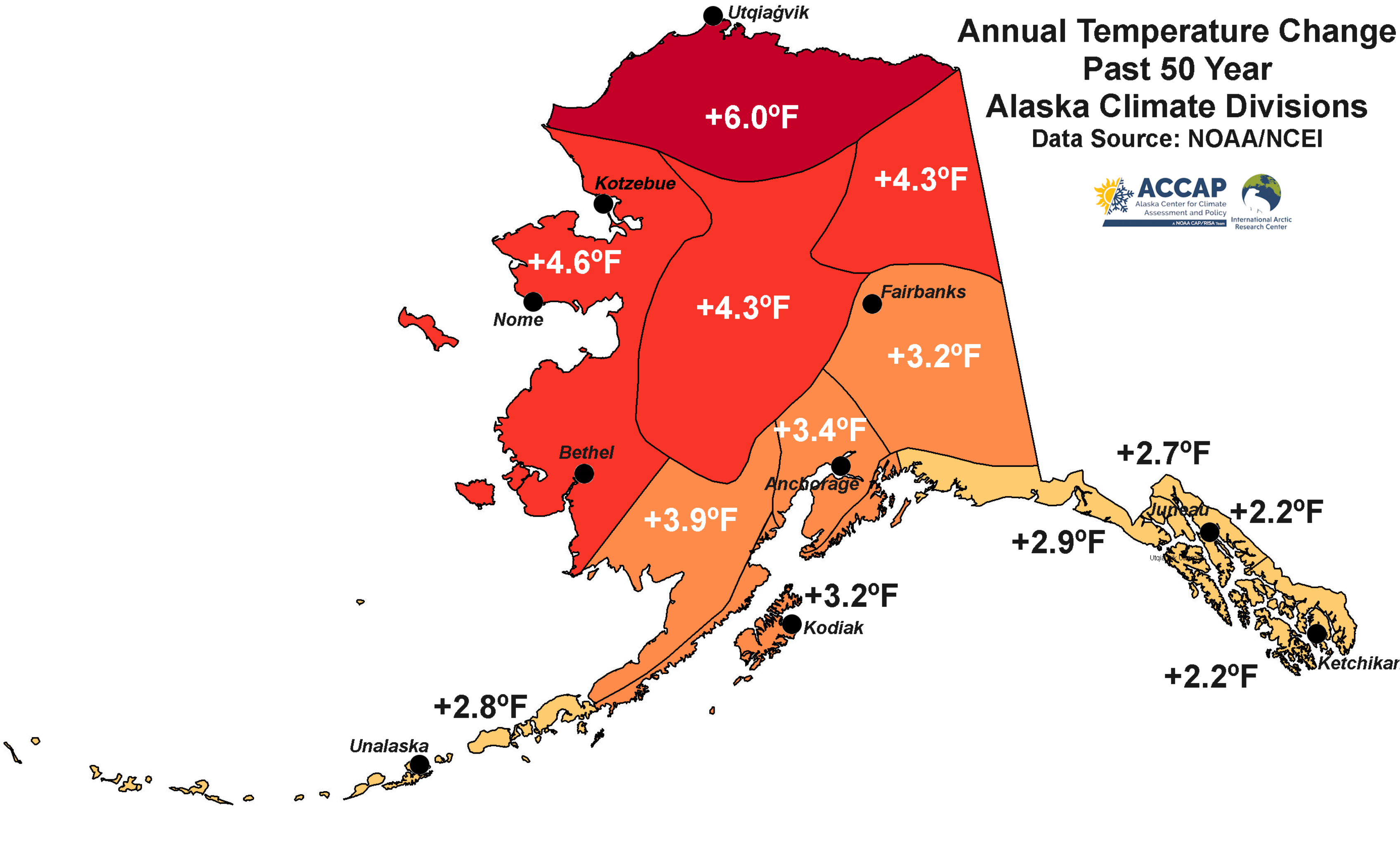
Venturing further north into the Arctic Slope and west towards the Bering Sea, the cold intensifies and becomes even more relentless. This region, encompassing places like Utqiaġvik (formerly Barrow), Kotzebue, and Nome, experiences an arctic or subarctic climate. Winters are incredibly long, lasting eight to nine months, and are characterized by extremely low temperatures, strong winds, and prolonged periods of darkness. Utqiaġvik, as the northernmost settlement in the United States, exemplifies this with average winter temperatures ranging from -15°F to -30°F (-26°C to -34°C). The sun disappears completely for several weeks in winter, leading to continuous twilight or darkness, further exacerbating the feeling of cold. Wind chill can make even moderately cold temperatures feel life-threateningly frigid. Summers are brief and cool, with temperatures rarely rising above 50°F (10°C). This region truly tests the limits of human endurance and technological adaptation.
For tourism in these areas, understanding the extreme conditions is paramount. While there are unique attractions like experiencing the polar night or observing polar bears, travel is often expensive and requires specialized guidance. Accommodation options are more basic, focusing on warmth and functionality. It’s a testament to local culture and resilience to thrive in such an environment.
Record Lows and the Extremes: Where Alaska Truly Chills
While average temperatures provide a good baseline, Alaska’s reputation for extreme cold is built upon its record-breaking lows. The state holds many of the coldest temperature records in North America.
The undisputed record for the coldest temperature ever recorded in the United States belongs to Alaska, reaching a staggering -80°F (-62°C). This incredible low was documented on January 23, 1971, at Prospect Creek Camp in the Brooks Range, a remote area along the Trans-Alaska Pipeline. This temperature rivals some of the coldest recorded anywhere on Earth outside of Antarctica.
Other notable extreme lows include:
- -79°F (-61°C) at Tok in January 1952.
- -76°F (-60°C) at Fort Yukon in January 1934. Fort Yukon, deep in the interior, is particularly famous for its brutal winters.
- Even major cities have seen phenomenal lows: Fairbanks has recorded -66°F (-54°C), and Anchorage has seen -38°F (-39°C). While not as extreme as the interior, these temperatures are still dangerously cold and demand respect.
These record lows are not everyday occurrences, but they highlight the potential for the environment to become incredibly hostile. They serve as a stark reminder of the power of nature and the resilience required to live and travel in these parts. The challenges these temperatures pose for infrastructure, transportation, and daily lifestyle are immense, shaping everything from building codes to vehicle maintenance practices.
Navigating the Alaskan Chill: Travel, Accommodation, and Safety Tips
For many, experiencing Alaska’s winter beauty—the pristine snow, the vibrant aurora, the unique wildlife—is a lifelong dream. However, the cold, particularly in its extreme forms, necessitates careful planning and preparation. Here’s what you need to know to ensure a safe and enjoyable journey.
Essential Packing for Alaskan Winters
Layering is the golden rule for dressing in Alaska. Start with a moisture-wicking base layer (synthetic or wool, never cotton), add insulating middle layers (fleece or down), and finish with a waterproof and windproof outer shell. Don’t forget extremities: a warm hat that covers your ears, insulated gloves or mittens, and waterproof, insulated boots are non-negotiable. Chemical hand warmers and toe warmers can be a lifesaver. When traveling to the interior or Arctic, consider specialized cold-weather gear, sometimes available for rent from local outfitters. This preparation is a critical aspect of travel guides for Alaska.
Accommodation in Cold Climates
Alaskan accommodation options are designed with the cold in mind. From cozy bed and breakfasts in Juneau to modern hotels in Anchorage and Fairbanks, you can expect robust heating systems, often complemented by fireplaces or wood stoves, especially in more rustic cabins or lodges. Many resorts offer heated pools or hot tubs, providing a luxurious contrast to the frosty outdoor air. When booking, check reviews specifically mentioning winter comfort and heating. For those venturing into very remote areas, especially for winter sports or aurora viewing, look for accommodation providers that offer heated shuttle services or advice on vehicle winterization if you plan to drive.
Transportation and Safety
Driving in Alaskan winters requires experience and caution. Roads can be icy, and visibility can be poor due to snow or whiteout conditions. Rental cars often come equipped with studded tires, but four-wheel drive is highly recommended. Always carry an emergency kit, including extra warm clothes, blankets, food, water, a shovel, and jump cables. For longer trips, inform someone of your itinerary. Air travel is common for reaching remote destinations, but be aware that flights can be delayed or canceled due to severe weather.
When exploring outdoors, be mindful of frostbite and hypothermia. Cover all exposed skin, stay hydrated, and be aware of the signs of these conditions. Never travel alone into remote wilderness areas without proper training, gear, and communication devices. Many tour operators offer guided winter activities like dog sledding, snowmobiling, ice fishing, and cross-country skiing, which provide both safety and expertise. These guided tours allow visitors to experience the unique local culture and traditions surrounding winter life.
Beyond the Thermometer: Experiencing Alaska’s Winter Wonders
The intense cold, while demanding, is also what creates Alaska’s most iconic winter landscapes and experiences. It sculpts glaciers, freezes lakes and rivers solid enough for ice roads, and sets the stage for the unparalleled beauty of the Northern Lights.
The Magic of the Northern Lights
One of the primary reasons many travelers brave the Alaskan cold is to witness the aurora borealis. The clear, dark, cold nights of the interior, particularly around Fairbanks (which lies within the “aurora oval”), offer some of the best viewing opportunities in the world. Being enveloped in sub-zero temperatures under a sky dancing with green, purple, and red hues is an unforgettable experience. Many specialized aurora tours provide heated viewing cabins or yurts, hot beverages, and expert photography tips, transforming a frigid wait into a comfortable and magical adventure.
Winter Activities and Festivals
Despite (or perhaps because of) the cold, Alaskans embrace winter with a multitude of activities and festivals. The Iditarod Trail Sled Dog Race starts in Anchorage, drawing crowds to witness the “Last Great Race.” The Fur Rendezvous, also in Anchorage, is a historic winter festival featuring parades, dog sled races, and the iconic Running of the Reindeer. Fairbanks hosts the World Ice Art Championships, where sculptors transform massive blocks of ice into breathtaking masterpieces, a true testament to human creativity thriving in the cold.
For the adventurous, dog sledding, snowmobiling (snowmachining, as Alaskans call it), ice climbing, and cross-country skiing are popular ways to explore the snowy wilderness. These activities offer unique perspectives on the state’s natural landmarks and frozen landscapes. Staying warm during these endeavors is key, highlighting the importance of proper gear. Many tourism companies cater to different skill levels, ensuring that even novices can enjoy the thrill of Alaskan winter sports safely.
Conclusion
So, how cold does it get in Alaska? It can get incredibly cold, reaching extremes that challenge the imagination, especially in the vast, unbuffered interior and Arctic regions. Record lows dip to -80°F (-62°C), and extended periods of -20°F to -40°F (-29°C to -40°C) are a reality for many residents during the long winter months. However, the cold is not uniform, with coastal areas experiencing much milder, albeit still chilly, conditions.
For the prepared traveler or resident, the cold is not just a challenge but an integral part of Alaska’s identity and allure. It sculpts the incredible landscapes, enables unique activities, and sets the stage for some of the world’s most spectacular natural phenomena. With proper planning regarding clothing, accommodation, and safety, experiencing the majestic, frigid beauty of The Last Frontier can be an immensely rewarding travel adventure, offering a glimpse into a lifestyle shaped by one of Earth’s most formidable climates.