
The question “How cold is it in Alaska?” is one of the first inquiries many prospective travelers pose when dreaming of an Alaskan adventure. This vast, wild, and breathtakingly beautiful state conjures images of snow-capped peaks, glistening glaciers, and formidable winter landscapes. While Alaska certainly lives up to its reputation for cold, the reality is far more nuanced than a single number on a thermometer. Its sheer size, diverse geography, and distinct seasons mean that temperatures can vary dramatically from one region to another and throughout the year. Understanding these variations is crucial for anyone planning a trip, whether you’re seeking the thrill of winter tourism, a serene summer retreat, or comfortable accommodation for a family trip.
Alaska is a land of extremes, and its climate is a prime example. From the relatively mild, rainy coasts to the frigid, arid interior, and the perpetually frozen Arctic, each zone offers a unique experience shaped by its unique weather patterns. This guide aims to demystify Alaska’s temperatures, helping you prepare for the chill, embrace the local culture, and make the most of your travel experience, ensuring your journey is as comfortable and unforgettable as possible.
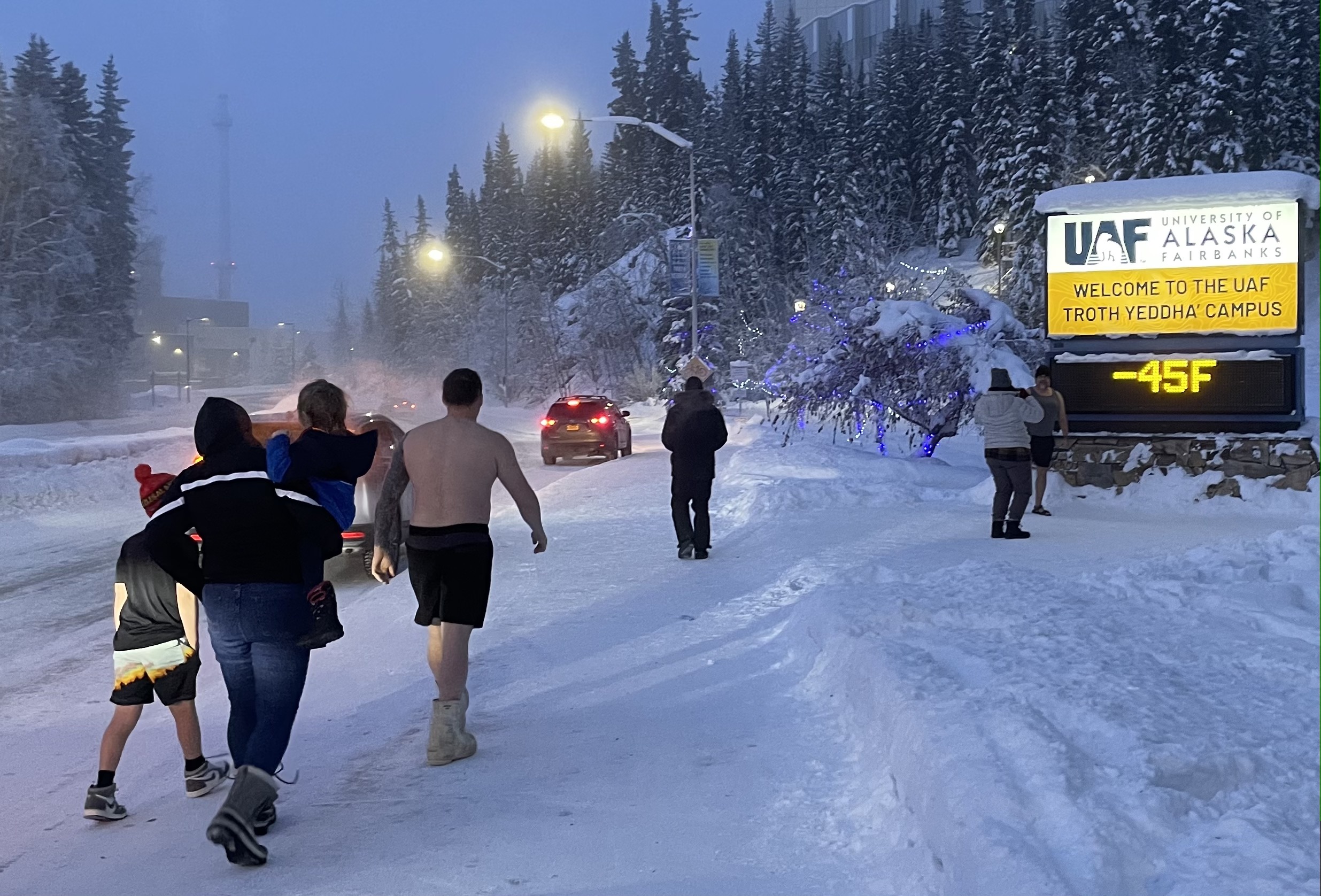
Understanding Alaska’s Diverse Climates
To truly grasp Alaska’s climate, one must appreciate its immense scale. Encompassing over 663,000 square miles, it’s larger than Texas, California, and Montana combined. This geographical expanse leads to distinct climate zones, each with its own temperature profile and weather phenomena. Understanding these regions is the first step in packing appropriately and setting realistic expectations for your Alaskan journey.
Coastal vs. Interior vs. Arctic Temperatures
Coastal Regions: The Maritime Influence
The coastal areas of Alaska, particularly Southeast Alaska and parts of Southcentral Alaska, experience a maritime climate heavily influenced by the Pacific Ocean. This means milder winters and cooler summers compared to the interior. Cities like Juneau, Ketchikan, and Sitka, nestled along the scenic Inside Passage, rarely see temperatures drop below 20°F (-6°C) in winter, with averages hovering around 25-35°F (-4 to 2°C). Snowfall is abundant, but rain is also common due to the warmer temperatures. Summers are cool and moist, with averages ranging from 55-65°F (13-18°C), making it perfect for exploring local attractions, historical landmarks, and enjoying the lush natural beauty. Accommodation options here, such as the Juneau Waterfront Hotel or the Ketchikan Inn, often emphasize rain protection and offer cozy interiors.
Southcentral Alaska: A Blend of Influences
Southcentral Alaska, home to the state’s largest city, Anchorage, represents a transition zone. It experiences more continental characteristics than Southeast Alaska but still benefits from coastal moderation. Winter temperatures in Anchorage typically range from 10-30°F (-12 to -1°C), with occasional colder snaps. Summers are pleasantly warm, averaging 60-70°F (16-21°C), offering long daylight hours ideal for sightseeing and outdoor activities. Nearby destinations like Seward and Valdez, located on the Kenai Peninsula and Prince William Sound respectively, share similar patterns, albeit with more maritime influence. For those planning a stay in Anchorage, a variety of hotels like the Anchorage Downtown Suites provide a comfortable base for exploring the region. The Alyeska Resort near Girdwood offers excellent amenities for winter sports enthusiasts.

Interior Alaska: The Land of Extremes
Venture into Interior Alaska, and you’ll encounter the true “cold” Alaska is famous for. Cities like Fairbanks and the vast wilderness of Denali National Park experience an extreme continental climate characterized by brutally cold, dry winters and surprisingly warm, short summers. Winter temperatures can plummet to -20°F to -50°F (-29 to -45°C), with records much lower. This is the domain of incredible Northern Lights displays, serious dog sledding, and ice fishing adventures. Summers, however, see averages of 60-75°F (16-24°C), with daylight stretching nearly 24 hours, making it ideal for hiking around Mount Denali and wildlife viewing. For those seeking warmth after a day in the interior cold, places like the Fairbanks Aurora Hotel or the more rustic Denali Backcountry Lodge are designed to provide comfort.
Arctic North Slope: The Frozen Frontier

The Arctic North Slope, including the northernmost city of Utqiaġvik (formerly Barrow), is characterized by permafrost, tundra, and consistently frigid temperatures. Here, winter averages are typically -10°F to -25°F (-23 to -32°C), but with wind chill, it can feel far colder. Summers are brief and cool, with averages around 35-50°F (2-10°C), where the ground thaws only superficially. This region is for the most adventurous travelers, where the cold is an ever-present force, defining the local lifestyle and tourism activities.
A Seasonal Guide to Alaskan Temperatures
Alaska’s seasons are dramatic, each offering a distinct experience that demands different preparations and offers unique attractions.
Winter Wonderland (October – April)
This is the season when Alaska truly embodies its cold reputation. From October through April, much of the state is blanketed in snow and ice.
- Temperatures: As detailed above, winter temperatures vary significantly. Coastal areas hover around 20-35°F (-6 to 2°C), Southcentral Alaska sees 10-30°F (-12 to -1°C), and Interior Alaska plunges to -20°F to -50°F (-29 to -45°C). The Arctic North Slope remains consistently below freezing.
- Activities: This is prime time for viewing the spectacular Northern Lights, especially in Fairbanks and the interior, which boasts clear, dark skies. Dog sledding tours, snowmachining (snowmobiling), skiing (downhill and cross-country), and ice fishing are popular.
- Preparation: Extreme cold demands serious gear. Think layers, insulated outerwear, waterproof boots, hats, gloves, and thermal undergarments.
- Accommodation: Many hotels and lodges are equipped with excellent heating, often featuring fireplaces, hot tubs, and other amenities to combat the cold. Booking well in advance for unique experiences like aurora viewing lodges is advisable.
Spring Thaw (May – Early June)
Spring is a season of awakening, as the long days return, and temperatures begin their upward climb.
- Temperatures: The thaw begins, with coastal areas seeing 35-50°F (2-10°C), Southcentral Alaska reaching 40-55°F (4-13°C), and the interior slowly warming from 30-50°F (-1 to 10°C). Roads and trails may still be icy or muddy.
- Activities: Wildlife viewing becomes prominent as animals emerge from hibernation. Early hiking, kayaking, and exploring towns as they shake off winter slumber are popular. This is a quieter time for tourism before the summer rush.
- Preparation: Layers are still key, with waterproof outer shells important for melting snow and rain.
- Accommodation: Many seasonal lodges and tours begin opening in late May, offering good value before peak season prices kick in.
Surprisingly Mild Summers (Mid-June – August)
Many visitors are surprised by how mild and pleasant Alaskan summers can be. With nearly 24 hours of daylight in the interior and very long days elsewhere, this is the peak travel season.
- Temperatures: Coastal regions average 55-65°F (13-18°C), Southcentral Alaska hits 60-70°F (16-21°C), and Interior Alaska can reach a comfortable 65-75°F (18-24°C), sometimes even warmer.
- Activities: Hiking in Denali National Park, fishing in the abundant rivers and oceans, cruising Prince William Sound or the Inside Passage, visiting Mendenhall Glacier near Juneau, and exploring Kenai Fjords National Park.
- Preparation: While it’s mild, evening temperatures can still be cool, so a fleece jacket and waterproof layer are essential. Insect repellent is a must for mosquitoes.
- Accommodation: Peak season means higher prices and competition for hotels, resorts, and apartments. Early booking is crucial, especially for popular destinations and unique lodges.
Autumn’s Chill (September – October)
Autumn brings crisp air, stunning fall foliage (especially in the interior), and a gradual return of cooler temperatures.
- Temperatures: Temperatures slowly drop, with averages similar to spring, ranging from 30-50°F (-1 to 10°C) across most regions. The first snowfalls often occur in late September or October, particularly in higher elevations.
- Activities: This is a beautiful time for photography, wildlife viewing (especially bears preparing for hibernation), and late-season fishing. The Northern Lights also begin to reappear as the nights grow longer.
- Preparation: Similar to spring, warm layers and waterproof gear are vital.
- Accommodation: As the crowds thin, you can often find better deals on accommodation and tours compared to peak summer.
Preparing for Your Alaskan Adventure: Tips for Staying Warm
Regardless of when you visit, being prepared for Alaska’s temperatures is paramount to enjoying your trip. The key is layering.
- Base Layer: Moisture-wicking synthetics or wool to keep sweat away from your skin.
- Mid-Layers: Fleece jackets, down vests, or wool sweaters for insulation.
- Outer Layer: A waterproof, windproof jacket and pants (Gore-Tex or similar) to protect against the elements. Even in summer, rain is common, and strong winds can make mild temperatures feel much colder.
- Extremities: A warm hat (or two), insulated gloves or mittens (especially in winter), and warm, waterproof boots with good traction are non-negotiable. Wool socks are highly recommended.
- Accessories: Sunglasses (snow glare is intense), sunscreen, and lip balm are important year-round.
Choosing the Right Accommodation for Comfort
Your choice of accommodation can significantly impact your comfort, especially during colder months. When reviewing options for your travel to Alaska, consider the following:
- Heating Systems: Ensure your chosen hotel, lodge, or cabin has reliable and efficient heating. Look for properties that specifically mention good insulation or modern heating.
- Amenities: Features like a fireplace in your room or common areas, indoor heated pools, hot tubs, or even saunas can be incredibly inviting after a day in the cold. A resort like Alyeska Resort near Girdwood excels in providing such comfort.
- Location: While city hotels like the Anchorage Downtown Suites offer convenience, a remote wilderness lodge like Denali Backcountry Lodge provides unparalleled access to nature, often with robust preparations for extreme weather.
- Reviews: Always check recent reviews for comments on room warmth, noise levels, and the quality of amenities.
Embracing Local Culture and Activities
The cold is not merely a challenge in Alaska; it’s an integral part of the local culture and a catalyst for unique activities. Tourism in Alaska is often built around embracing the elements rather than avoiding them. From traditional Alaskan clothing to hearty local cuisine designed to warm you from the inside out, the lifestyle here is perfectly adapted. Participating in a dog sledding tour, trying your hand at ice fishing, or simply enjoying a hot drink by a roaring fire are all ways to connect with the authentic Alaskan spirit. Even for business stays, understanding the local environment contributes to a smoother and more enjoyable trip.
The Alaskan Experience: Beyond the Thermometer
Ultimately, “How cold is it in Alaska?” is a question that needs to be answered by more than just numbers. It’s about the feeling of crisp, clean air, the magical glow of the Northern Lights painting the winter sky, and the silence of a snow-covered wilderness. The cold shapes the magnificent landscapes, influences the wildlife, and dictates many of the unforgettable experiences visitors seek.
Whether your lifestyle leans towards luxury travel with heated excursions and gourmet meals, or budget travel focusing on self-guided adventures and cozy hostels, confronting Alaska’s temperatures is part of the allure. The challenge of the cold makes the warmth of a lodge, a hot cup of coffee, or the camaraderie of fellow travelers even more rewarding. For family trips, experiencing the snow and ice together can create lifelong memories, provided everyone is dressed appropriately.
The key to a successful Alaskan travel experience is preparation, respect for the environment, and a willingness to embrace its unique conditions. By understanding the diverse climates and seasonal variations, choosing appropriate accommodation, and dressing wisely, you won’t just endure the cold; you’ll find yourself captivated by the breathtaking beauty and raw majesty that only Alaska can offer. The cold isn’t just a fact of life here; it’s a fundamental element that makes Alaska an extraordinary and unforgettable destination.
LifeOutOfTheBox is a participant in the Amazon Services LLC Associates Program, an affiliate advertising program designed to provide a means for sites to earn advertising fees by advertising and linking to Amazon.com. Amazon, the Amazon logo, AmazonSupply, and the AmazonSupply logo are trademarks of Amazon.com, Inc. or its affiliates. As an Amazon Associate we earn affiliate commissions from qualifying purchases.