
Lake Pontchartrain, an iconic and often misunderstood body of water, holds a significant place in the geography, culture, and history of New Orleans and the entire state of Louisiana. When considering a visit to this vibrant Southern city, many travelers are curious about its natural surroundings, and Lake Pontchartrain invariably comes to mind. Its sheer size suggests a vast, perhaps deep, expanse of water, but the reality is more nuanced and contributes profoundly to its unique character.
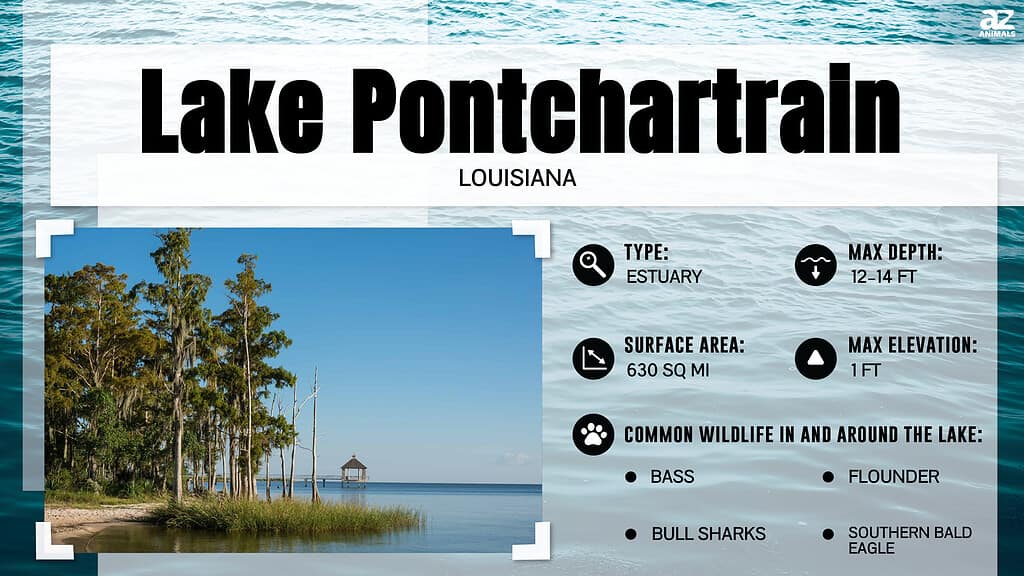
To directly answer the question: Lake Pontchartrain is remarkably shallow, especially for a body of water of its immense surface area. The average depth of Lake Pontchartrain is approximately 12 to 14 feet (3.7 to 4.3 meters). While there are deeper channels, particularly near its outlets to the Gulf of Mexico and dredged areas, the maximum natural depth typically does not exceed 20 feet (6.1 meters). This characteristic shallow nature is fundamental to understanding its ecosystem, its historical significance, and the myriad ways it interacts with the bustling city of New Orleans just to its south.
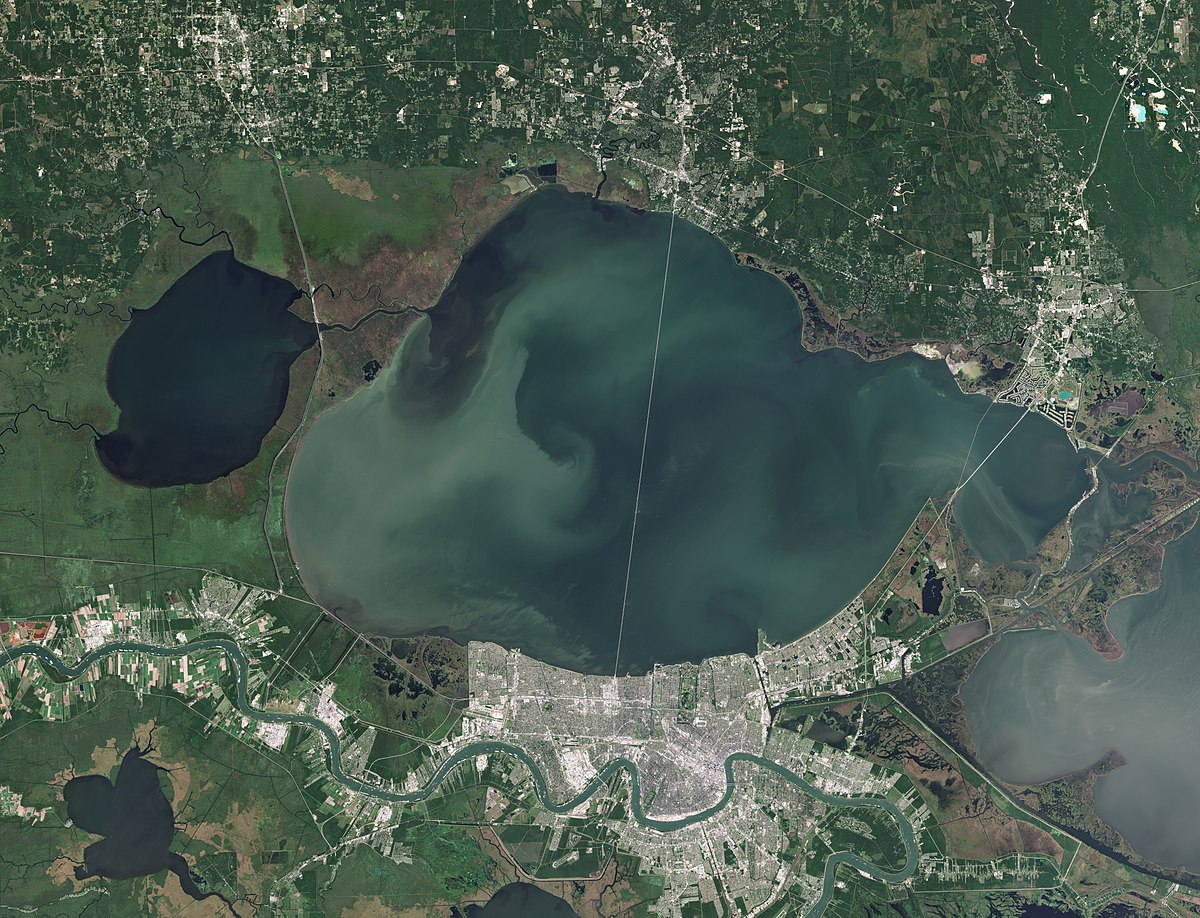
For travelers exploring New Orleans, Lake Pontchartrain isn’t just a geographical feature; it’s an extension of the destination itself, offering a different facet of Louisiana’s natural beauty and recreational opportunities. From scenic drives across the world’s longest continuous bridge to tranquil moments by the water, the lake provides a crucial counterpoint to the city’s lively urban core.
An Estuary of Grandeur: Unpacking Lake Pontchartrain’s Unique Characteristics
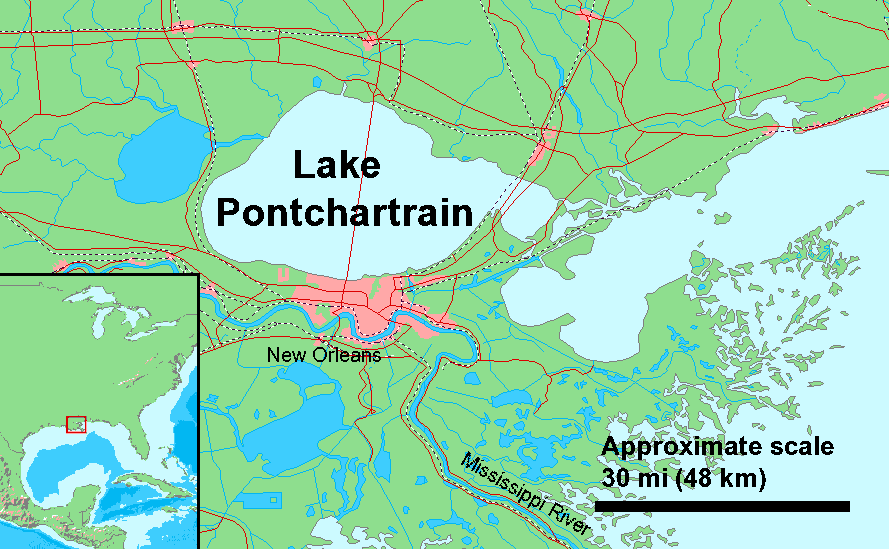
Despite its modest depth, Lake Pontchartrain is anything but small. It’s one of the largest estuaries in the United States, spanning approximately 630 square miles (1,630 square kilometers) with an oval shape stretching about 40 miles (64 km) east to west and 24 miles (39 km) north to south. It’s not a true freshwater lake, nor is it purely saltwater. Instead, it’s a brackish estuary, meaning it’s a partially enclosed coastal body of water where freshwater from rivers and streams mixes with saltwater from the Gulf of Mexico. This unique blend of fresh and salt water is fed by several rivers, including the Tangipahoa, Tickfaw, Amite, and Tchefuncte rivers, and connects to the Gulf of Mexico through two passes: the Rigolets and Chef Menteur Pass.
This brackish nature is vital for its diverse ecosystem, supporting a wide array of marine life, including blue crabs, shrimp, and various fish species, making it a popular spot for fishing and crabbing. The shallow depth means the water is more easily warmed by the sun and is more susceptible to tidal influences and wind action, which can stir up sediment and affect water clarity. Historically, the lake was much healthier before significant human intervention, but ongoing conservation efforts are working to restore its ecological balance.
Geographical and Historical Context
Lake Pontchartrain was formed approximately 2,000 to 4,000 years ago as the Mississippi River shifted its course and built up land, effectively creating a natural basin. Its name honors Louis Phélypeaux, Comte de Pontchartrain, who was the French Minister of Marine under King Louis XIV. This connection highlights the deep French heritage woven into the fabric of Louisiana and New Orleans.
For centuries, the lake has been a critical waterway. Native American tribes used it for transportation and sustenance. Later, French and Spanish colonial powers recognized its strategic importance, providing a water route from the Gulf of Mexico relatively close to New Orleans, though access to the city itself required navigating Bayou St. John. During the 19th and 20th centuries, it became a major recreational hub, home to amusement parks like Pontchartrain Beach and a destination for weekend getaways. Today, while the amusement park is gone, its legacy as a place of leisure and natural beauty continues.
Experiencing Lake Pontchartrain: A Traveler’s Guide
For visitors to New Orleans, Lake Pontchartrain offers a wealth of experiences that complement the vibrant street life of the French Quarter or the architectural splendor of the Garden District. From serene natural escapes to engineering marvels, the lakefront provides a different perspective on the region.
Iconic Landmarks and Scenic Drives
Perhaps the most famous landmark associated with the lake is the Lake Pontchartrain Causeway. This impressive structure holds the record as the longest continuous over-water bridge in the world, stretching nearly 24 miles (39 km) across the lake, connecting Mandeville on the Northshore to Metairie in Jefferson Parish on the Southshore. Driving across the Causeway is an experience in itself, offering panoramic views of the vast lake and a sense of endless horizon, especially at sunrise or sunset. It’s a quintessential Louisiana experience, providing a unique vantage point on this immense body of water.
On the New Orleans side, the Lake Pontchartrain Lakefront offers beautiful areas for strolling, picnicking, and enjoying the breeze. West End Park, located where the 17th Street Canal meets the lake, features a marina, walking paths, and remnants of the area’s historical past. The lengthy seawall is a popular spot for locals to fish, jog, or simply watch the boats.
For those venturing to the Northshore of the lake in St. Tammany Parish, towns like Mandeville and Slidell provide charming waterfront experiences. Fontainebleau State Park in Mandeville is a highlight, offering camping, cabins, hiking trails, and a sandy beach on the lake, perfect for families. It’s an ideal spot for nature lovers to observe the lake’s diverse birdlife and enjoy tranquil moments away from the city’s hustle.
Activities on the Water and Shore
The shallow depth of Lake Pontchartrain makes it ideal for a variety of water sports, though strong winds can quickly whip up choppy conditions.
- Boating and Sailing: Marinas along the Southshore (in Orleans Parish and Jefferson Parish) and Northshore (e.g., in Mandeville and Slidell) cater to everything from small fishing boats to impressive sailboats. Many locals enjoy sailing on the lake, taking advantage of the expansive open water.
- Fishing and Crabbing: Due to its brackish nature, the lake is teeming with fish like red drum, speckled trout, flounder, and croaker, as well as blue crabs. Piers, seawalls, and charter boats offer ample opportunities for anglers to try their luck. Crabbing is also a popular pastime, yielding delicious seafood for a traditional Louisiana boil.
- Kayaking and Paddleboarding: For a more intimate experience, kayaking or paddleboarding in calmer areas, especially along the Northshore or in bayous connecting to the lake, allows for quiet exploration and birdwatching.
- Dining with a View: Several restaurants dot the lakefront on both sides, offering fresh seafood and local cuisine with picturesque views of the water, especially beautiful at sunset. This is a perfect way to enjoy local food culture while taking in the natural beauty.
Accommodations and Lifestyle Around Lake Pontchartrain
While Lake Pontchartrain isn’t directly surrounded by many major hotels in the immediate New Orleans sense, its proximity to the city means travelers have a vast array of accommodation options. For those prioritizing lake access, there are choices that cater to various preferences and budgets, fitting into different travel lifestyles.
Staying Near the Lake
On the New Orleans side, hotels are concentrated closer to the city center, but many vacation rentals and charming guesthouses can be found in neighborhoods like Lakeview or Gentilly, offering easier access to the lakefront. These often provide a more local, residential experience compared to the bustling hotels downtown.
For those seeking a more tranquil, nature-focused stay, the Northshore of Lake Pontchartrain is an excellent option. Towns like Mandeville, Covington, and Slidell offer a range of accommodations:
- Boutique Hotels and Inns: Quaint inns provide a charming, personalized experience, often with a focus on Southern hospitality.
- Family-Friendly Resorts: Some resorts offer amenities like pools, direct lake access, and family activities, perfect for those traveling with children.
- Vacation Rentals: From cozy cottages to larger homes, rentals are popular for longer stays or for groups, providing kitchens and more space.
- Camping and Cabins: Fontainebleau State Park offers well-maintained campsites and rustic cabins, ideal for budget travelers or those wanting to immerse themselves in nature.
Whether you’re looking for luxury travel or a budget-friendly adventure, the region around Lake Pontchartrain can accommodate. A stay on the Northshore might appeal to families or those seeking a quieter retreat, perhaps combining a few days in New Orleans with a relaxed escape. Business travelers might find accommodations in Metairie convenient, which offers easy access to both the lake and major business districts.
Integrated Tourism Experiences
Integrating a visit to Lake Pontchartrain into a broader New Orleans itinerary enriches the travel experience. Consider renting a car for a day to explore the Northshore, drive the Causeway, and enjoy a seafood lunch with a view. Or, on the New Orleans side, take a leisurely bike ride along the lakefront paths, easily accessible from many parts of the city.
Many tour operators in New Orleans offer swamp tours that often venture into the bayous and wetlands that connect to Lake Pontchartrain, providing a fascinating look at the unique ecosystem and wildlife, including alligators and various bird species. While these tours might not be on the main lake itself, they showcase the interconnectedness of Louisiana’s water systems.
The Lake’s Enduring Importance to New Orleans
Beyond its recreational appeal, Lake Pontchartrain holds immense practical importance for New Orleans. Its shallow depth, while making it vulnerable to storm surges, also means it quickly responds to environmental changes. The lake serves as a critical component of the region’s hurricane protection system. The extensive levee system around New Orleans and Baton Rouge relies on managing the water levels of Lake Pontchartrain, especially during tropical storms and hurricanes. The city’s drainage canals empty into the lake, highlighting its role in the urban infrastructure.
The lake also continues to be a source of livelihood for local fishermen and a vital resource for the region’s economy, particularly in tourism and seafood. Efforts by organizations like the Lake Pontchartrain Basin Foundation are crucial for monitoring water quality, promoting conservation, and educating the public about the lake’s ecological significance. These initiatives ensure that this natural landmark remains healthy and accessible for future generations of residents and visitors.
In conclusion, while Lake Pontchartrain is surprisingly shallow with an average depth of just 12-14 feet, its impact and grandeur are anything but superficial. It’s a vast, dynamic estuary that is deeply woven into the identity of New Orleans and Louisiana. From its historical role as a gateway to its present-day status as a recreational playground and a vital ecological resource, the lake offers travelers a diverse range of experiences—whether you’re marveling at the engineering feat of the Causeway, enjoying a fresh seafood meal by the water, or simply appreciating the serene expanse of water against a quintessential Southern sky. Visiting Lake Pontchartrain is an essential part of truly understanding the geography and soul of this unique corner of the United States.