
The San Francisco Bay is far more than just a body of water; it’s the vibrant heart of one of California’s most iconic regions, a dynamic estuary that plays a pivotal role in everything from the state’s ecology to its bustling tourism and lifestyle. While many visitors gaze upon its expansive surface, wondering about the mysteries beneath, the question of “How deep is San Francisco Bay?” reveals a complex and fascinating hydrological landscape. Understanding its depths is key to appreciating its natural beauty, its historical significance, and the myriad of experiences it offers to travelers.
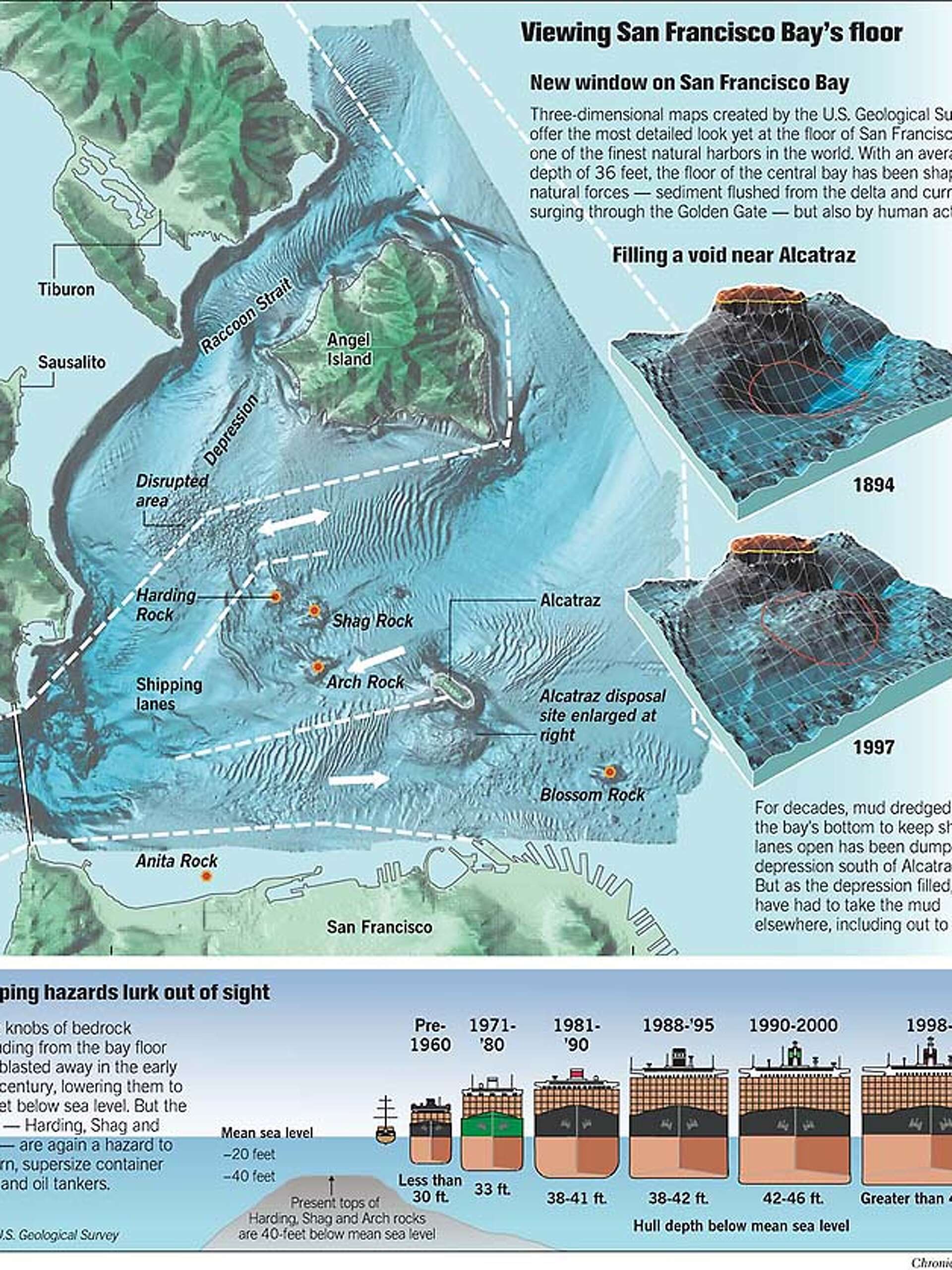
From adventurous explorations of its historic islands to leisurely cruises beneath its majestic bridges, the bay region offers an unparalleled blend of natural wonders and urban sophistication. For those planning a trip, delving into the physical characteristics of this magnificent waterway provides a richer context for discovering its diverse attractions, vibrant cities, and luxurious accommodations.
Unveiling the Depths: The Bay’s Physical Grandeur
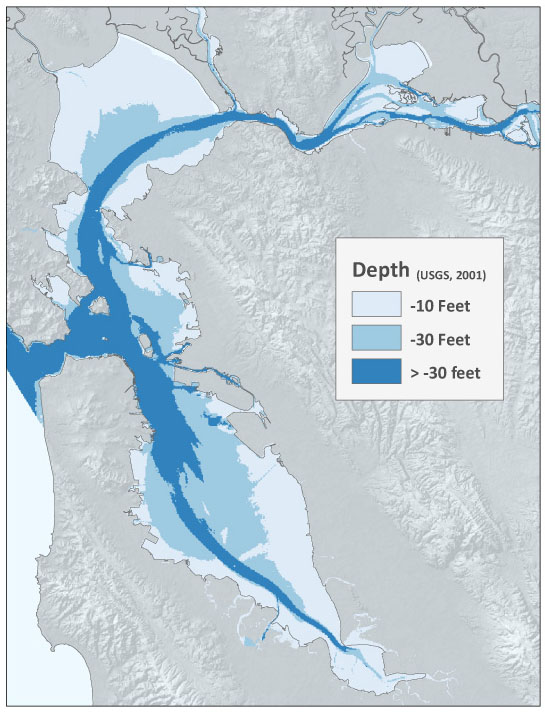
The immediate answer to “How deep is San Francisco Bay?” is nuanced. It’s not uniformly deep but rather a complex system of channels, shoals, and basins. On average, the bay is remarkably shallow, typically ranging from 12 to 15 feet (3.7 to 4.6 meters). This average, however, doesn’t tell the full story of its impressive underwater topography.
More Than Just an Average: The Varied Topography
The shallow average depth is primarily due to the vast areas of mudflats and salt marshes that define much of the bay’s perimeter, especially in the South Bay. These areas are crucial wetlands, acting as vital nurseries for marine life and stopover points for migratory birds, contributing significantly to the region’s ecological diversity and offering unique natural landmarks for eco-tourism.
However, the bay also boasts surprisingly deep pockets. The deepest point is found within the Carquinez Strait, a narrow tidal strait connecting San Pablo Bay to Suisun Bay, where depths can plunge to approximately 370 feet (113 meters). This deep channel, carved over millennia by powerful currents, is a critical navigational corridor for large cargo ships heading inland to the port of Sacramento and Stockton.
The bay is broadly divided into several distinct basins:
- South Bay: Characterized by its extensive shallow mudflats and former salt ponds, it’s the warmest part of the bay.
- Central Bay: This is the most famous section, home to iconic landmarks like Alcatraz Island, Angel Island, and the approaches to the Golden Gate Bridge. It is significantly deeper than the South Bay, providing ample water for large vessels and leisure cruises. The Raccoon Strait, between Angel Island and Tiburon, is another notably deep area, popular for sailing and offering breathtaking views.
- San Pablo Bay: North of the Central Bay, this large, circular basin receives freshwater from the Sacramento River and San Joaquin River before it flows into the Central Bay. While generally shallow, it has dredged channels for shipping.
- Suisun Bay: The easternmost basin, fed directly by the Sacramento River and San Joaquin River through the Carquinez Strait, it is a crucial freshwater-saltwater mixing zone and a haven for waterfowl.
This varied topography is a result of complex geological processes, including tectonic plate movements and ancient river systems that once carved deep canyons. The bay itself is a drowned river valley, connected to the vast Pacific Ocean through the narrow, approximately one-mile-wide Golden Gate Strait. This gateway not only dictates the bay’s tidal rhythms but also serves as the dramatic backdrop for one of the world’s most recognizable landmarks.
A Strategic Waterway: Navigating the Bay
The bay’s depth and geography have profoundly shaped its role as a strategic waterway. From the early indigenous communities who relied on its bountiful resources to the modern era of global commerce, navigation has been central to the bay’s identity. The naturally deep channels, particularly in the Central Bay and the Carquinez Strait, have always been critical for maritime traffic.
Today, the bay remains a bustling hub of activity. Massive cargo ships, cruise liners, fishing boats, and countless recreational vessels share its waters. The iconic Golden Gate Bridge and the engineering marvel of the Bay Bridge (officially the San Francisco-Oakland Bay Bridge) stand as testaments to human ingenuity in bridging these expansive waters, facilitating both trade and travel. For tourists, ferry services like the Golden Gate Ferry and Blue & Gold Fleet provide essential transportation between San Francisco, Sausalito, Oakland, and other bay cities, offering unparalleled views of the skyline and landmarks from the water.
The constant ebb and flow of tides, combined with the freshwater influx from the Sacramento River and San Joaquin River, create a dynamic estuarine environment that influences everything from commercial shipping schedules to the feeding patterns of local marine life.
A Cradle of History and Vibrant Ecosystem
Beyond its physical attributes, San Francisco Bay is a living entity, rich with history and teeming with life. Its depths hold stories of discovery, transformation, and resilience, making it a compelling destination for those interested in local culture, historical narratives, and nature-based activities.
Echoes of the Past: The Bay’s Historical Significance
For thousands of years, the bay has been home to indigenous peoples, particularly the Ohlone tribes, who thrived on its abundant resources. European discovery by Spanish explorer Juan Rodríguez Cabrillo in the 16th century marked the beginning of a new era, though it remained largely unexplored by Europeans until the late 18th century.
The true transformation of the bay began with the California Gold Rush in 1849. Suddenly, San Francisco transformed from a sleepy village into a bustling port city. Ships from around the world poured into the bay, often abandoned by their crews who rushed off to the goldfields, leaving a fascinating layer of maritime history beneath the waves. Many of these ships were later incorporated into the expanding shoreline, becoming foundations for new buildings. This period also saw the rapid development of surrounding cities like Oakland and Berkeley, spurred by trade and immigration.

Over the centuries, the bay has served as a strategic military outpost, a major center for shipbuilding (notably Mare Island), and a critical hub for international trade. Its waters have witnessed countless historical events, from pivotal moments in naval history to environmental conservation battles. Exploring the bay today means tracing these historical threads, perhaps on a tour to Alcatraz Island, which served as a federal prison, or Angel Island, often called the “Ellis Island of the West,” both offering profound insights into American history.
The Bay’s Living Heart: Ecology and Conservation
Despite its urbanized surroundings, San Francisco Bay remains one of North America’s most important estuaries. Its intricate network of shallow waters, mudflats, and marshlands supports an incredibly diverse ecosystem. It is a critical stopover on the Pacific Flyway for millions of migratory birds each year, making it a birdwatcher’s paradise and a significant natural landmark.
The bay is home to over 130 species of fish, including herring, salmon, and sturgeon, as well as a variety of marine mammals like harbor seals and sea lions, often seen basking around Pier 39 and other docks. The freshwater input from the Sacramento River and San Joaquin River, which drain a significant portion of California’s central valley and the Sierra Nevada Mountains, creates a delicate balance of salinity crucial for this biodiversity.
However, the bay’s ecological health has faced challenges from pollution and habitat loss due to urban development. Fortunately, extensive conservation efforts have been ongoing for decades, focusing on restoring wetlands, improving water quality, and protecting endangered species. These efforts underscore the bay’s vital role not just as a scenic backdrop but as a living, breathing natural resource, attracting visitors interested in environmental tourism and sustainable travel.
Experiencing San Francisco Bay: Travel, Culture, and Lifestyle
For travelers, the question of the bay’s depth quickly gives way to the exhilarating question: “What can I experience here?” The San Francisco Bay Area offers a boundless array of activities, from world-class attractions to hidden gems, catering to every travel style and budget.
Iconic Landmarks and Unforgettable Attractions
No trip to the San Francisco Bay is complete without visiting its renowned landmarks. A boat trip to Alcatraz Island provides a chilling glimpse into its notorious past, while a visit to Angel Island offers stunning panoramic views and a serene escape. Fisherman’s Wharf is a lively hub where you can enjoy fresh seafood, watch the sea lions at Pier 39, and explore attractions like the Exploratorium and Ghirardelli Square.
Beyond the immediate waterfront, the city of San Francisco itself is a treasure trove of cultural experiences. From the winding streets of Lombard Street to the artistic grandeur of the Palace of Fine Arts and the sprawling green spaces of Golden Gate Park (home to the California Academy of Sciences and de Young Museum), there’s an endless list of things to see and do. Don’t forget to take in the views from Coit Tower or admire the unique architecture of the Transamerica Pyramid.
For those seeking more active experiences, the bay offers excellent opportunities for sailing, kayaking, and paddleboarding. Cruises range from dinner excursions to historical tours, allowing visitors to appreciate the bay’s beauty from a different perspective. Even a simple walk or bike ride across the Golden Gate Bridge or through Presidio National Park provides an intimate connection with this iconic environment.
The Allure of Bay Area Cities and Accommodation
The cities surrounding San Francisco Bay each possess a distinct charm and character, offering diverse experiences and accommodation options for every traveler:
- San Francisco: The undisputed cultural capital, offering world-class dining, vibrant nightlife, historic neighborhoods, and a wide range of hotels. From luxury stays at the Four Seasons Hotel San Francisco or The Ritz-Carlton, San Francisco to charming boutique hotels and budget-friendly hostels, accommodation here is as diverse as its residents.
- Oakland: A burgeoning hub of arts, culture, and cuisine, Oakland boasts a vibrant downtown, beautiful lakeside parks, and a thriving food scene. It offers excellent value in accommodation and easy access to San Francisco via public transport.
- Berkeley: Known for its academic prowess and bohemian spirit, Berkeley offers a relaxed atmosphere, a strong emphasis on sustainability, and unique culinary experiences. It’s an ideal base for those seeking a more laid-back pace, with charming hotels and guesthouses.
- Sausalito: Just across the Golden Gate Bridge, Sausalito is a picturesque waterfront town with stunning views, upscale boutiques, and delightful restaurants. Its intimate resorts and boutique hotels provide a perfect romantic getaway or a serene escape from city life.
- Beyond the immediate bay: The broader Bay Area extends to the tech giants of Silicon Valley and the renowned vineyards of Napa Valley and Sonoma Valley, offering further opportunities for exploration and luxury travel. A trip to the ancient redwood groves of Muir Woods National Monument is also a popular day trip.
Whether you’re planning a luxurious honeymoon, a fun-filled family trip, a productive business stay, or an adventurous solo journey, the accommodation options around the bay are endless. From elegant hotel suites and full-service resorts to cozy vacation apartments and charming villas, securing the right place to stay is crucial for an unforgettable experience. Websites offering booking, reviews, and comparison tools can help you find the perfect long-term stay or short-term rental to match your lifestyle and budget.
Crafting Your Bay Area Itinerary
When planning your visit, consider taking advantage of the efficient public transportation system, including BART (Bay Area Rapid Transit) and ferries, to navigate the region. Embracing the local culture often means indulging in the diverse culinary scene, from Michelin-starred restaurants to casual food trucks. Don’t miss the fresh produce and artisanal goods at the Ferry Building Marketplace.
For family trips, attractions like the Exploratorium and California Academy of Sciences offer engaging educational experiences. Romantic getaways might involve sunset cruises, wine tasting in nearby regions, or a stay in a luxury hotel with bay views. Business travelers will find excellent hotels equipped with all necessary amenities, often close to convention centers and financial districts.
The best time to visit often depends on your priorities; spring and fall offer mild weather and fewer crowds, while summer is vibrant but can be foggy, especially in San Francisco. Regardless of when you visit, the bay’s allure remains constant.
In conclusion, the question “How deep is San Francisco Bay?” opens a portal to understanding one of North America’s most iconic and multifaceted natural wonders. Its varied depths tell a story of geological forces, historical milestones, and a thriving ecosystem. For travelers, it represents a destination where natural beauty, rich history, and dynamic urban life converge, offering an inexhaustible source of adventure, relaxation, and discovery. Planning your journey to this magnificent estuary means embracing its physical grandeur, its vibrant past, and the diverse lifestyles it supports, promising an experience that delves far deeper than its surface waters.
LifeOutOfTheBox is a participant in the Amazon Services LLC Associates Program, an affiliate advertising program designed to provide a means for sites to earn advertising fees by advertising and linking to Amazon.com. Amazon, the Amazon logo, AmazonSupply, and the AmazonSupply logo are trademarks of Amazon.com, Inc. or its affiliates. As an Amazon Associate we earn affiliate commissions from qualifying purchases.