
Hawaii, the archipelago of breathtaking beauty nestled in the heart of the Pacific Ocean, is synonymous with paradise for millions of travelers worldwide. Its emerald mountains, pristine beaches, vibrant coral reefs, and the warm aloha spirit draw visitors seeking everything from luxurious resort stays and exhilarating adventure travel to serene cultural immersion and family-friendly experiences. From the bustling streets of Honolulu on Oahu to the volcanic landscapes of the Big Island, the lush rainforests of Kauai, and the romantic shores of Maui, Hawaii consistently ranks as a top destination. Yet, beneath this idyllic veneer lies a complex and often turbulent history that shaped its destiny, particularly its journey from an independent kingdom to a territory and eventually a state of the United States. Understanding how America acquired Hawaii is crucial for any discerning traveler or history enthusiast, offering a deeper appreciation for the islands’ rich heritage and the resilience of the Native Hawaiian people. This narrative isn’t just a historical account; it’s a story woven into the very fabric of Hawaii’s culture, landmarks, and the unique lifestyle experienced by its residents and visitors today.
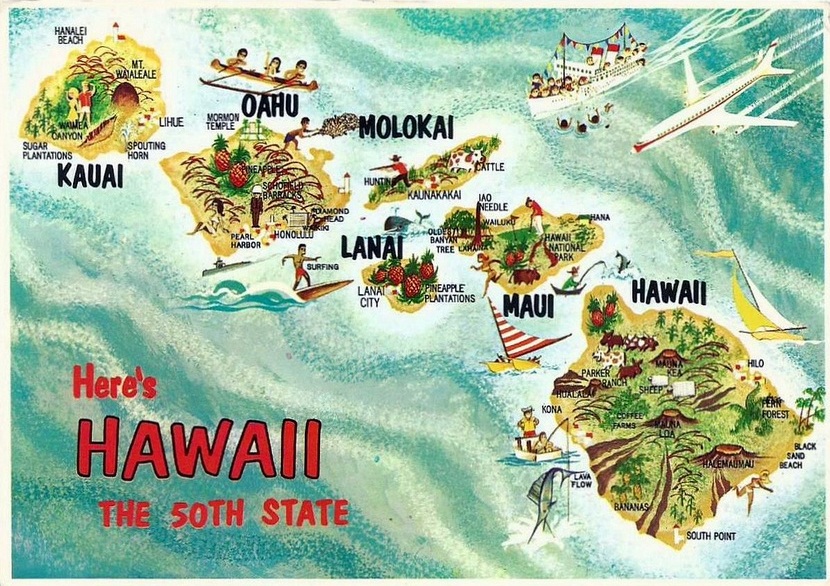
The Kingdom of Hawaii: A Pacific Paradise Before Annexation
Before it became a beacon for global tourism and a strategic military outpost, Hawaii was a thriving sovereign nation with a sophisticated social structure, rich traditions, and a deeply spiritual connection to the land and sea. This era, lasting for nearly a century, laid the groundwork for the unique cultural tapestry that travelers encounter today.
Early Encounters and European Influence
The islands of Hawaii were initially settled by Polynesian voyagers centuries ago, developing a distinct culture, language, and governance. By the late 18th century, a powerful leader named Kamehameha I united the warring chiefdoms of the islands, establishing the Kingdom of Hawaii in 1795. This remarkable feat created a unified nation that would endure for decades. The first recorded European contact occurred in 1778 with Captain James Cook, inadvertently opening Hawaii to the outside world.
Initially, the Hawaiian monarchs, particularly those of the Kamehameha Dynasty, skillfully navigated international relations, playing various foreign powers against each other to maintain independence. Whalers, traders, and Christian missionaries, predominantly from the United States, began to arrive in increasing numbers in the early 19th century. These foreign residents brought with them not only new goods and religions but also new ideas about governance, land ownership, and economic practices that would slowly but fundamentally transform Hawaiian society. For instance, the demand for provisions from whaling ships turned ports like Honolulu and Lahaina into bustling hubs, laying the very early foundations for what would one day become a vibrant tourism industry.
The Rise of Sugar Plantations and American Economic Power
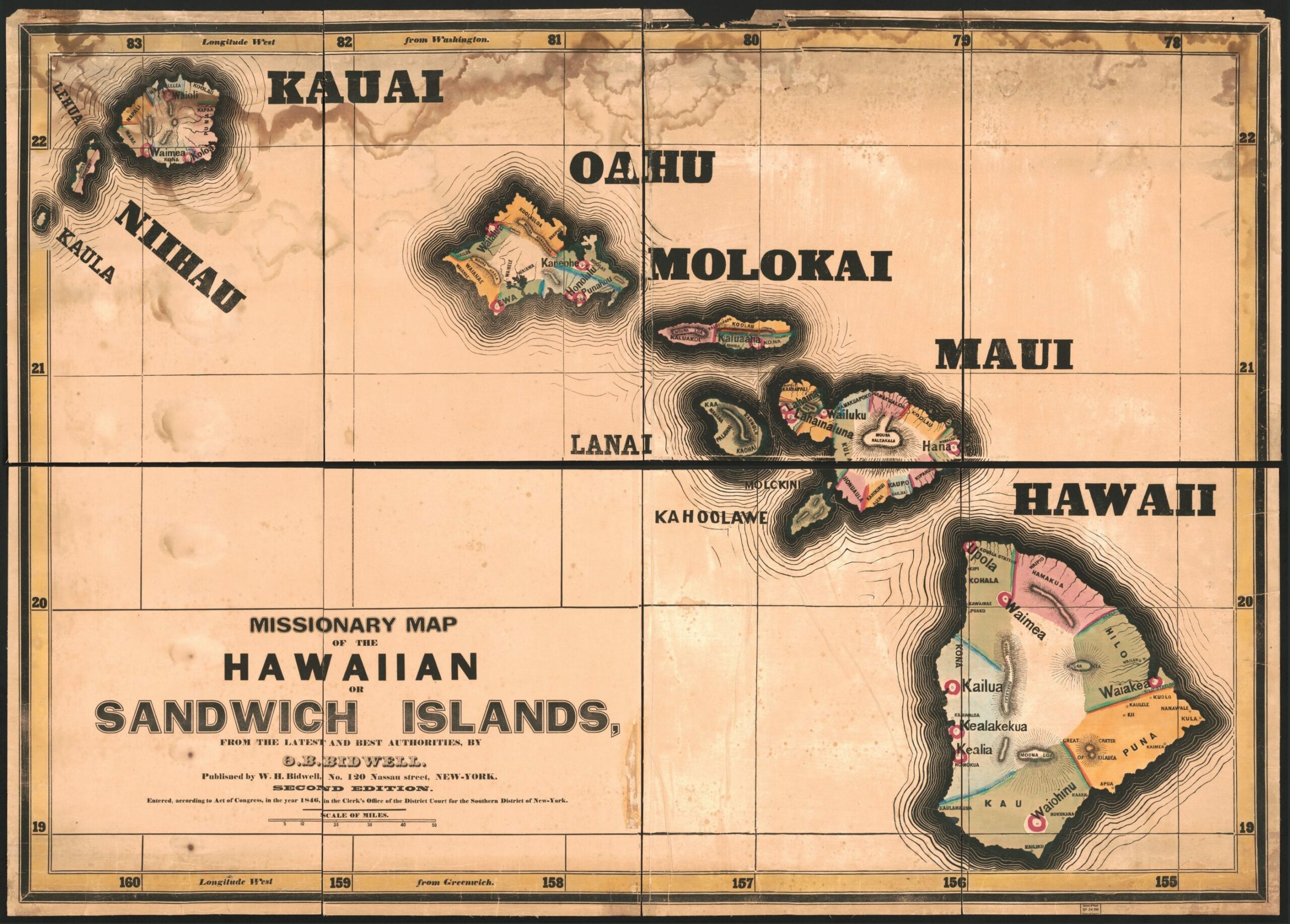
As the whaling industry declined, a new economic force emerged that would irrevocably alter Hawaii’s future: sugar. American entrepreneurs, many of them descendants of early missionaries, began investing heavily in large-scale sugar plantations. The fertile volcanic soil and tropical climate were perfect for cultivating sugarcane, which became incredibly profitable, especially after the U.S. Civil War.
The growth of the sugar industry led to a massive demand for labor. As the Native Hawaiian population had been decimated by foreign diseases, plantation owners imported workers from various countries, including China, Japan, Portugal, and the Philippines. This influx of diverse cultures contributed to the unique multicultural mosaic that defines Hawaii today.
However, with economic power came political influence. These American and European businessmen, often referred to as “haoles,” began to exert significant pressure on the Hawaiian monarchy. They sought to protect their investments and ensure a stable political environment favorable to their business interests, which increasingly meant closer ties to the United States. This period saw the gradual erosion of the monarchy’s power and the growing entanglement of Hawaii’s destiny with that of America.
The Overthrow of the Monarchy and the Road to Annexation
The final decades of the 19th century witnessed a dramatic struggle for sovereignty in Hawaii, culminating in the illegal overthrow of its independent monarchy. This period is a critical juncture in understanding Hawaii’s path to becoming part of the United States.
The Bayonet Constitution and Loss of Royal Power
The ambitions of the foreign business community reached a critical point in 1887. A group of non-native Hawaiian, mostly American, businessmen and landowners, calling themselves the “Hawaiian League,” orchestrated a coup d’état against King Kalākaua. Backed by a heavily armed militia, they forced the king to sign a new constitution, which became infamously known as the Bayonet Constitution due to the coercive manner in which it was imposed.
This constitution severely curtailed the monarch’s powers, transforming the kingdom into a constitutional monarchy where real authority lay with the legislature, dominated by American and European interests. It also disenfranchised most Native Hawaiians and Asian laborers while granting voting rights to wealthy non-citizens. This was a significant step towards dismantling Hawaiian self-rule and consolidating the power of the foreign elite.
Queen Liliʻuokalani and the Fight for Sovereignty
Upon King Kalākaua’s death in 1891, his sister, Liliʻuokalani, ascended to the throne. A staunch advocate for her people, Queen Liliʻuokalani recognized the injustices of the Bayonet Constitution and was determined to restore power to the monarchy and the Native Hawaiian people. She proposed a new constitution that would reverse the changes imposed by the 1887 document, aiming to reclaim political agency for her subjects.
Her efforts, however, were met with fierce resistance from the Committee of Safety, a group primarily composed of American and European businessmen and residents who had benefited from the Bayonet Constitution and actively sought annexation to the United States. They viewed her attempts to strengthen the monarchy as a threat to their economic and political dominance and their long-term goal of joining the U.S..
The 1893 Coup d’état
The confrontation between Queen Liliʻuokalani’s desire for national sovereignty and the annexationists’ agenda reached its climax in January 1893. The Committee of Safety, with the complicity of U.S. Minister to Hawaii John L. Stevens, and the landing of U.S. Marines from the USS Boston ostensibly to protect American lives and property, carried out a bloodless coup. The queen, facing superior armed forces and desiring to avoid bloodshed, yielded her authority under protest to the provisional government established by the Committee of Safety. She appealed to the United States government for redress, hoping for reinstatement.
This act, widely condemned as illegal by subsequent U.S. investigations, effectively ended the 100-year reign of the Hawaiian monarchy. It was a direct blow to the independence of the Hawaiian nation and a profound moment of loss for the Native Hawaiian people, whose culture and identity were inextricably linked to their sovereign rule. Today, visitors exploring Honolulu can visit landmarks like ‘Iolani Palace, the only official residence of royalty in the United States, which stands as a poignant reminder of this lost sovereignty and the royal legacy.
From Republic to Territory: The Annexation Saga
The overthrow of the monarchy was a pivotal moment, but it did not immediately lead to annexation. The path from an independent kingdom to a U.S. territory was fraught with political debate and international intrigue.
The Republic of Hawaii
Following the coup, the provisional government quickly moved to establish the Republic of Hawaii in 1894, with Sanford B. Dole, a prominent American businessman and lawyer, as its first and only president. The primary goal of the Republic was to secure annexation by the United States. However, this was not a universally accepted outcome, even within the U.S..
President Grover Cleveland, who was in office when the overthrow occurred, ordered an investigation into the matter. The Blount Report concluded that the overthrow was an illegal act perpetrated with the involvement of the U.S. Minister and Marines. President Cleveland was deeply troubled by these findings and withdrew the annexation treaty that the provisional government had quickly submitted. He even attempted to restore Queen Liliʻuokalani to her throne, but the Republic of Hawaii refused to comply. This period highlights the moral and political complexities surrounding the events and the significant opposition to annexation from various quarters, including Native Hawaiian groups who actively petitioned against it.
The Spanish-American War and Renewed Interest
The geopolitical landscape shifted dramatically with the outbreak of the Spanish-American War in 1898. Suddenly, the strategic importance of Hawaii became undeniable. As the United States expanded its influence into the Pacific with military operations in the Philippines, Guam, and Cuba, the need for a coaling station and naval base in the mid-Pacific Ocean became paramount. Pearl Harbor, with its deep-water port, was seen as an invaluable asset for projecting American power and protecting burgeoning trade routes.
This newfound strategic imperative provided the political momentum needed to push for annexation, overcoming previous moral qualms. Annexationists, including the new President William McKinley and Secretary of State John Sherman, argued that Hawaii was vital for national security and economic interests, framing it as a necessary measure for America’s emerging global role.
The Newlands Resolution and Formal Annexation
Despite persistent efforts by Native Hawaiians and their allies to resist, including powerful petitions to Congress, the political winds had irrevocably shifted. Unable to secure a two-thirds majority in the Senate for a formal annexation treaty, proponents opted for a joint resolution, which required only a simple majority in both houses of Congress.
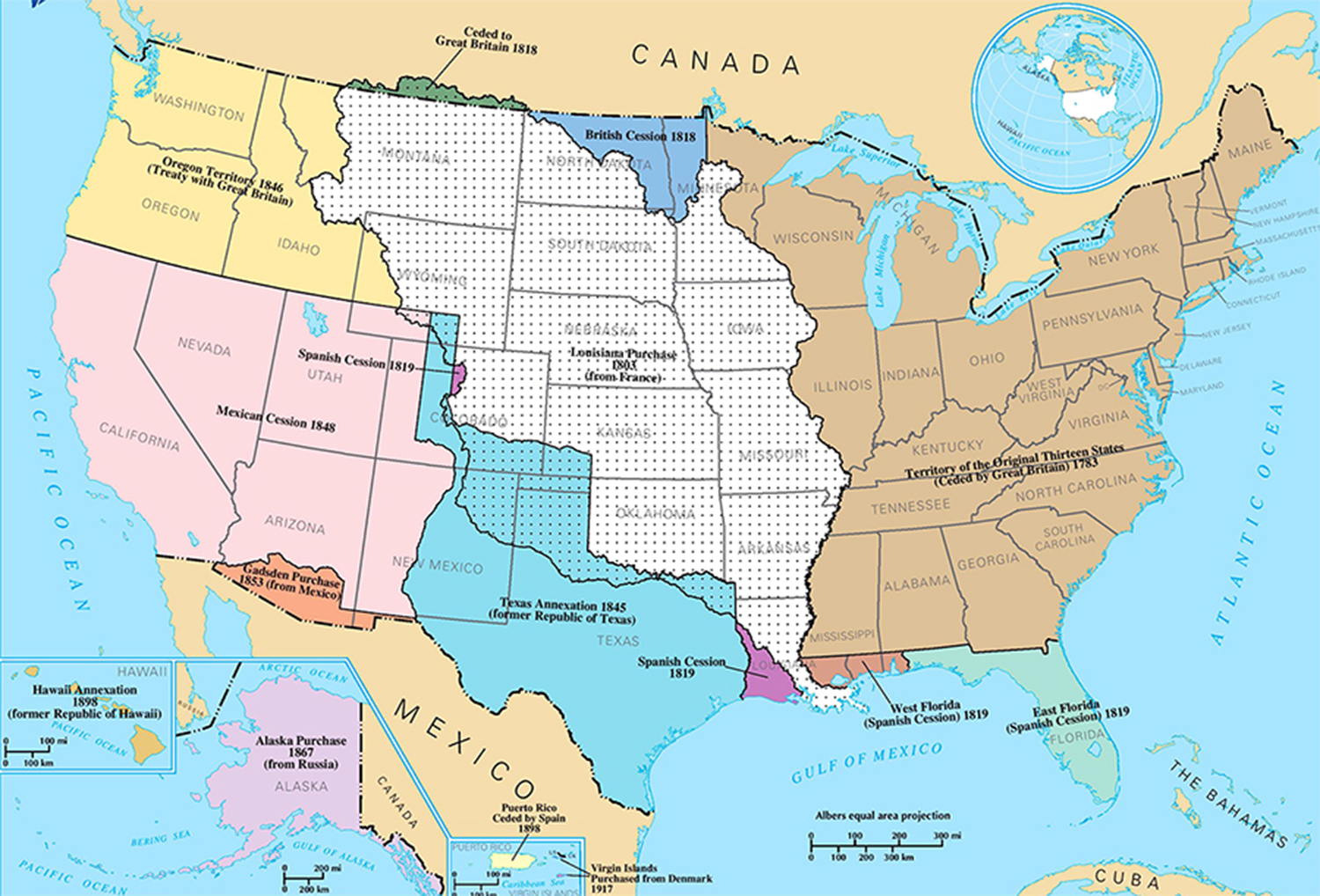
On July 7, 1898, President McKinley signed the Newlands Resolution, formally annexing the Republic of Hawaii to the United States. This act was met with profound sadness and protest by many Native Hawaiians, who saw it as an illegitimate seizure of their homeland. The resolution established Hawaii as a U.S. territory, albeit without the consent of the Hawaiian people through a vote or treaty. The formal transfer of sovereignty took place on August 12, 1898, on the steps of ‘Iolani Palace, marking the end of a sovereign nation and the beginning of Hawaii’s territorial period.
Hawaii Today: A Legacy of Beauty and Reflection
More than a century after annexation, Hawaii stands as a vibrant U.S. state, a melting pot of cultures, and a top-tier global travel destination. Its complex history continues to resonate, shaping its identity and influencing the visitor experience.
Statehood and Modern Hawaii
Hawaii remained a U.S. territory for over 60 years. During this time, its strategic importance only grew, culminating in the attack on Pearl Harbor in 1941, which plunged the United States into World War II. Finally, on August 21, 1959, Hawaii officially became the 50th state of the United States after a plebiscite in which an overwhelming majority voted for statehood. While this was celebrated by many as a democratic step, some Native Hawaiian sovereignty activists still argue that the vote was flawed due to the historical context of the annexation and the limited options provided.
Modern Hawaii is a unique blend of American influence and deeply rooted Hawaiian and Asian cultures. Its economy thrives on tourism and defense, attracting millions annually to iconic spots like Waikiki Beach, the majestic silhouette of Diamond Head, and the solemn USS Arizona Memorial at Pearl Harbor. The state’s diverse population, a result of its plantation era and continued immigration, contributes to a rich tapestry of local culture, food, and traditions. From learning the graceful movements of hula to indulging in a traditional luau featuring fresh local cuisine, every aspect of Hawaiian life is a testament to its multifaceted past.
Experiencing Hawaii: Culture, Nature, and Remembrance
For travelers today, Hawaii offers an unparalleled array of experiences. Beyond the stunning natural beauty perfect for adventure activities like surfing, hiking, and snorkeling, the islands invite a deeper engagement with their history and culture. Visitors can explore significant landmarks such as ‘Iolani Palace to learn about the monarchy, visit museums that chronicle the journey of various immigrant groups, or participate in cultural festivals celebrating the vibrant mix of traditions. Luxury accommodations like the Royal Hawaiian Hotel or the Moana Surfrider on Waikiki offer a glimpse into the glamorous early days of Hawaiian tourism, while eco-resorts and boutique hotels provide unique experiences blending modern comforts with local charm.
Understanding how America acquired Hawaii enriches the travel experience by fostering respect for the Native Hawaiian culture and an appreciation for the enduring spirit of its people. Responsible tourism encourages visitors to support local businesses, engage with cultural sites thoughtfully, and learn about the efforts to preserve the Hawaiian language and traditions. Whether it’s a family trip exploring the natural wonders of Maui or a luxury escape to a secluded villa on the Big Island, recognizing the historical journey of these islands adds profound depth to any visit.
The story of how America got Hawaii is a complex narrative of ambition, power, and the profound impact of global forces on a small island nation. It’s a reminder that even the most idyllic destinations often have layers of history that deserve to be understood and respected. As you plan your journey to this extraordinary part of the world, remember that Hawaii is not just a destination; it’s a living testament to a remarkable past that continues to shape its vibrant present and promising future. By engaging with its history, you don’t just visit Hawaii; you connect with its soul.
LifeOutOfTheBox is a participant in the Amazon Services LLC Associates Program, an affiliate advertising program designed to provide a means for sites to earn advertising fees by advertising and linking to Amazon.com. Amazon, the Amazon logo, AmazonSupply, and the AmazonSupply logo are trademarks of Amazon.com, Inc. or its affiliates. As an Amazon Associate we earn affiliate commissions from qualifying purchases.