
Detroit, the iconic heart of American innovation and culture, has a narrative as rich and complex as its history. Yet, alongside its celebrated resurgence and vibrant cultural scene, the city has faced significant environmental challenges, notably severe flooding. For travelers planning a visit, understanding the factors behind these events isn’t just about curiosity; it’s about appreciating the city’s resilience, its ongoing efforts to build a sustainable future, and how these challenges influence urban planning, travel experiences, and even the choices of accommodation. The question, “How did Detroit flood?”, unravels a confluence of geographical, infrastructural, and climatic factors that have periodically transformed its streets into waterways, impacting everything from local lifestyle to the flow of tourism.

Understanding Detroit’s Vulnerability: A Confluence of Factors
The susceptibility of Detroit to flooding is not a simple issue but rather a multifaceted problem rooted in its natural setting, historical development, and the accelerating impacts of global climate change. Understanding these elements is crucial for anyone interested in the city’s challenges and triumphs, offering a deeper context for its continuous evolution as a travel destination.
The City’s Geographic and Climatic Landscape
Detroit is situated in southeastern Michigan, perched on the banks of the Detroit River, which connects Lake St. Clair to Lake Erie, both part of the vast Great Lakes system. While this proximity offers stunning waterfront views and recreational opportunities, it also places the city on relatively flat, low-lying terrain. Much of Detroit was built on what was historically marshland, requiring extensive drainage systems even in its early development. This natural topography means that water doesn’t drain quickly or naturally; it tends to pool.
The regional climate further exacerbates this vulnerability. Michigan experiences a humid continental climate, characterized by significant seasonal variations. While beautiful summers attract visitors to its parks and outdoor attractions, they can also bring intense thunderstorms and heavy rainfall events. When these downpours occur over a short period, especially during periods of high humidity where the ground is already saturated, the sheer volume of water overwhelms the natural and engineered drainage capabilities, leading to widespread flooding. The geography dictates that water will seek the path of least resistance, often into basements, underpasses, and low-lying residential areas.
Ageing Infrastructure: A System Under Strain
Perhaps the most critical factor contributing to Detroit’s flooding issues is its ageing infrastructure. Like many legacy industrial cities across the United States, a significant portion of Detroit’s stormwater and sewer systems dates back to the early to mid-20th century. These systems were designed for a different era, with different population densities and, crucially, different weather patterns.
Many areas of Detroit still utilize a combined sewer system, meaning that wastewater from homes and businesses mixes with stormwater runoff in the same pipes. During periods of heavy rainfall, these systems are designed to overflow directly into the Detroit River to prevent sewage backups into homes and businesses. While this prevents one problem, it introduces another: pollution of the river and a system that is fundamentally unable to cope with extreme volumes of water.
Years of underinvestment, deferred maintenance, and the sheer scale of the network—thousands of miles of pipes—mean that many sections are deteriorated, undersized, or simply not fit for purpose in the face of modern climate realities. Pumping stations, critical for moving water out of low-lying areas, can also be overwhelmed or lose power, compounding the issue. This infrastructure deficit forms a crucial backdrop to understanding why even relatively short bursts of intense rain can have such devastating consequences. Visitors staying in hotels or exploring older districts might not see this subterranean network, but its performance directly impacts their experience of the city’s functionality and accessibility.
The Role of Climate Change: Intensifying Weather Patterns
Overlaying these geographical and infrastructural challenges is the undeniable impact of climate change. Scientists universally agree that climate change is leading to more frequent and intense rainfall events across many regions, including the Great Lakes basin. What were once considered “100-year storms” are now occurring with alarming regularity, sometimes within a matter of years.
The changing climate means warmer atmospheric temperatures, which allow the air to hold more moisture. When this moisture is released as precipitation, it often comes down in concentrated deluges. For a city like Detroit, with its flat terrain and compromised drainage systems, these super-sized storms are a recipe for disaster. The ground, already saturated from previous rains, has less capacity to absorb additional water, leading to increased surface runoff and overwhelming the combined sewer system at an unprecedented scale. This global phenomenon directly impacts local conditions, transforming what might have been manageable rainfall into catastrophic flooding, fundamentally altering how Detroit must plan for its future and protect its residents and visitors.
The Deluge: Specific Flood Events and Their Immediate Aftermath
Detroit’s vulnerability has manifested in several significant flood events over the past decade, each leaving its mark on the city’s infrastructure and the lives of its residents. These incidents serve as stark reminders of the challenges posed by ageing infrastructure and changing weather patterns, impacting everything from daily commutes to the city’s appeal as a travel destination.
Key Flood Incidents: Recalling Recent Major Events
While minor flooding can occur with regular heavy rainfall, two recent events stand out for their widespread impact and severity: the August 2014 flood and the June 2021 flood.
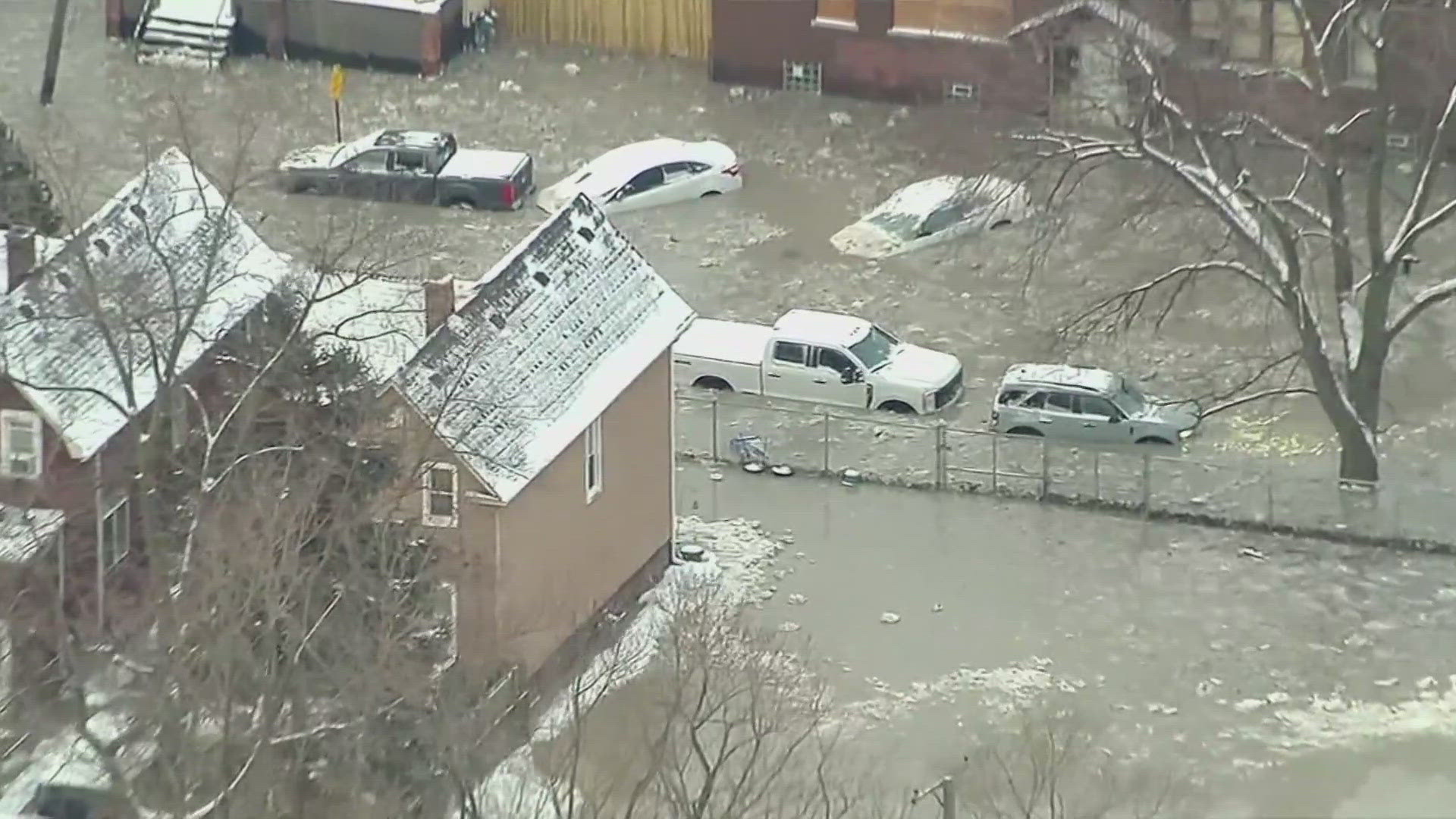
The August 2014 flood was a record-setting event. In just a few hours, parts of Metro Detroit received more than six inches of rain, an amount typically seen over several months. The intense downpour overwhelmed the pumping stations and sewer systems across Wayne County, leading to massive freeway closures, including major arteries like I-75, I-94, and I-696. Thousands of homes experienced basement flooding, and countless vehicles were submerged, creating a scene of widespread chaos and significant financial loss for residents and businesses. The sheer volume of water crippled transportation networks, making travel virtually impossible for a day or two and disrupting the local economy.
Fast forward to June 2021, and Detroit again faced a similar, though perhaps even more emotionally impactful, situation. Multiple heavy rain events struck the region over several days, with one particularly intense storm dropping several inches of rain in a short period. Again, freeways became rivers, and thousands of basements were inundated with sewage-tainted water. This event occurred during a period when the city was still recovering from the economic impacts of the pandemic, adding another layer of distress to a community striving for resurgence. The 2021 floods highlighted that the underlying issues had not been fully resolved and underscored the urgent need for comprehensive long-term solutions.
Immediate Impacts: Disruption to Daily Life and Infrastructure
The immediate aftermath of these major flood events is characterized by widespread disruption. For residents, the most personal and devastating impact is often basement flooding. In Detroit, many homes, particularly older ones, have basements that are used for living spaces, storage, or utilities. When these flood, residents face not only property loss but also health hazards from contaminated water, along with the immense emotional and financial burden of cleanup and repairs.
Transportation infrastructure is also severely affected. As mentioned, major freeways become impassable, leading to extensive road closures and massive traffic jams. This paralyzes daily commutes, hinders emergency services, and makes it difficult for tourists to navigate the city or reach their destinations. Public transit, while less susceptible to direct flooding in all areas, can also be impacted by road closures and delays.
Beyond homes and roads, essential services can be compromised. Power outages are common, as electrical systems are vulnerable to water damage. Businesses, from small shops to major hotels, face closures, inventory damage, and loss of revenue. The Detroit Metropolitan Airport (DTW) can also experience flight delays or cancellations due to weather conditions or difficulties for staff and passengers reaching the airport. These immediate consequences paint a vivid picture of a city brought to a standstill, highlighting the profound impact on every aspect of local lifestyle and tourism.

The Ripple Effect: Beyond the Water’s Edge – Tourism, Business, and Community
The effects of severe flooding in Detroit extend far beyond the immediate disruption, creating significant ripple effects across its vibrant tourism sector, business community, and the very fabric of its neighborhoods. For a city that has worked so hard to redefine its image and attract visitors, these events pose unique challenges and opportunities for demonstrating resilience.
Impact on Detroit’s Vibrant Tourism and Hospitality Sector
Detroit’s resurgence as a travel destination has been nothing short of remarkable. From its thriving culinary scene in Midtown Detroit to iconic landmarks like the Motown Museum and the Detroit Institute of Arts, the city offers a compelling blend of history, culture, and innovation. However, major flood events can cast a shadow on this progress.
Firstly, perception is a powerful force. News images of flooded freeways and inundated basements can deter potential visitors, even if the central tourism districts like Downtown Detroit are largely unaffected or quickly recover. Travelers might postpone or cancel trips, impacting hotel bookings, restaurant reservations, and ticket sales for attractions. Hotels like the Detroit Marriott at the Renaissance Center or the MGM Grand Detroit, while often located in elevated areas, can still face access issues or reduced occupancy.
Secondly, logistical challenges arise. Flooded roads make it difficult for tourists to reach attractions or for tour operators to run their planned itineraries. Events, festivals, and conferences — a vital part of Detroit’s tourism calendar — may need to be canceled or rescheduled, resulting in significant economic losses. Businesses reliant on foot traffic and visitor spending, from independent boutiques to established restaurants, feel the pinch. The hospitality industry, which is a significant employer in the city, experiences immediate setbacks, affecting livelihoods and long-term investment.
Navigating the Recovery: Resilience and Renewal Efforts
In the face of these challenges, Detroit has demonstrated remarkable resilience. Recovery efforts after major floods are multi-pronged, involving city government, community organizations, and private businesses.
The city and Wayne County have initiated substantial infrastructure projects. This includes upgrading pumping stations, installing new drainage infrastructure, and separating combined sewer systems where feasible. These are massive, multi-year undertakings requiring significant investment, often supported by state and federal funding. The focus is on increasing the capacity of the system to handle larger volumes of water and to prevent sewage backups.
Community support also plays a crucial role. Neighbors help neighbors with cleanup, volunteers assist in distributing aid, and local non-profits provide assistance to affected families. This collective spirit is a hallmark of Detroit’s identity, turning adversity into a catalyst for stronger community bonds. Furthermore, the city is exploring innovative “green infrastructure” solutions, such as permeable pavements, rain gardens, and urban wetlands. These natural systems help absorb stormwater runoff, reducing the burden on conventional sewers and enhancing the urban landscape – a win-win for both flood mitigation and urban aesthetics, potentially even adding new attractions for eco-conscious travelers.
Lessons Learned: Building a More Resilient Detroit
Each flood event serves as a difficult but valuable lesson, driving Detroit towards more robust and sustainable urban planning. The emphasis is now firmly on building a resilient city that can withstand the challenges of a changing climate.
One key lesson is the need for proactive, rather than reactive, measures. This includes investing in predictive modeling for rainfall events and implementing early warning systems to give residents and businesses more time to prepare. Communication strategies are also being refined to ensure timely and accurate information reaches the public.
Furthermore, there’s a growing recognition of the need for an integrated approach that considers not just pipes and pumps, but also zoning regulations, urban development practices, and community engagement. New developments are being encouraged to incorporate stormwater management features, reducing their contribution to the overall runoff. The city is also working on educational campaigns to help residents understand their role in flood preparedness, from maintaining their own drainage systems to understanding flood insurance options. For travelers, understanding these efforts can provide reassurance and insight into the city’s commitment to safety and sustainability.
Detroit Today: A City Reimagining Its Future for Residents and Travelers
Despite the challenges posed by flooding, Detroit continues its remarkable trajectory of revitalization. For those planning to experience its unique charm, understanding the ongoing efforts towards resilience offers valuable context and highlights the spirit of a city that consistently reinvents itself.
Exploring Detroit Post-Flood: What Travelers Need to Know
For the vast majority of visitors, Detroit remains a welcoming and exciting travel destination. Major tourist areas like Downtown Detroit, Midtown Detroit, and the Detroit RiverWalk are typically well-maintained and quickly bounce back from any weather-related disruptions. Hotels, from luxury options like The Godfrey Hotel Detroit to boutique stays, prioritize guest safety and comfort, and are equipped to handle various conditions.
Travelers should always check local weather forecasts before and during their trip, especially during the summer months when heavy thunderstorms are more common. Utilizing navigation apps that provide real-time traffic and road condition updates is also advisable. For those driving, being aware of underpasses that might be prone to collecting water during heavy downpours can help avoid unexpected delays. Public transportation options like the QLine in Downtown Detroit and Midtown Detroit offer reliable ways to navigate key areas, often unaffected by surface flooding.
Engaging with local businesses and attractions means supporting the city’s ongoing recovery and growth. Most attractions, restaurants, and shops operate without interruption, showcasing the vibrant lifestyle and culture that draw so many to Detroit. The city’s commitment to improving infrastructure means that over time, the frequency and severity of disruptions for visitors are expected to diminish.
Celebrating Detroit’s Resurgence: A Testament to Spirit
The story of Detroit’s floods is ultimately a testament to its enduring spirit of innovation and resilience. While the challenges are real, they are being met with determination and a forward-thinking approach. The city is actively investing in smart infrastructure, green solutions, and community preparedness, aiming to transform its vulnerabilities into strengths.
Visitors to Detroit today will witness a city that is not only addressing its historical issues but also building for a dynamic future. They can explore the burgeoning arts scene, cheer on sports teams at venues like Little Caesars Arena, savor diverse culinary offerings, and delve into profound history at the Henry Ford Museum of American Innovation or the Detroit Historical Museum. Each visit contributes to this powerful narrative of renewal.
By understanding “How did Detroit flood?”, travelers gain a deeper appreciation for the city’s journey – one marked by challenges, yet defined by an unyielding spirit to overcome them. It’s a city that continues to welcome the world, demonstrating that even amidst environmental challenges, its cultural richness, historical significance, and hopeful future remain vibrant and accessible for all.