
The mesmerizing beauty of Hawaii, with its lush volcanic landscapes, pristine beaches, and vibrant Polynesian culture, makes it one of the most sought-after travel destinations in the world. Visitors from across the globe flock to its shores, seeking adventure, relaxation, and a taste of paradise. But beyond its idyllic facade lies a rich and complex history, one that profoundly shaped its destiny and ultimately led to its inclusion as the 50th state of the United States. Understanding how this sovereign kingdom transformed into an American state is a journey through political intrigue, economic ambition, and a clash of cultures that continues to resonate today.
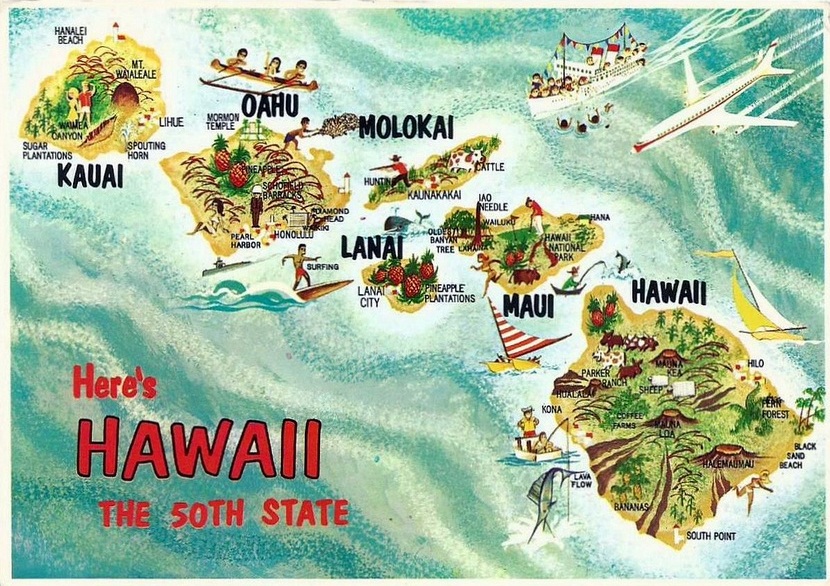
This narrative is not just a dry historical account; it’s a story intrinsically linked to the allure and unique character of Hawaii as a modern tourism hotspot. From ancient landmarks that bear witness to its royal past to strategic sites that recall pivotal moments, every corner of the islands offers a glimpse into this fascinating transition. For those planning a Hawaiian getaway, delving into this history enriches the experience, transforming a simple vacation into an immersive cultural and educational adventure. Whether you’re interested in booking a luxurious resort stay in Waikiki Beach or exploring the historical depths of Iolani Palace, the story of Hawaii’s statehood is an essential backdrop to any island visit.
A Sovereign Kingdom in the Pacific: Early Encounters and Western Influence
For centuries, the Hawaiian Islands thrived as an independent Polynesian kingdom, guided by a sophisticated social structure and a deep connection to the land and sea. The archipelago, which includes major islands like Oahu, Maui, Kauai, and the Big Island, was first unified under one ruler by the formidable King Kamehameha I in the late 18th century, forming the Kamehameha Dynasty. This period marked a consolidation of power and a flourishing of traditional Hawaiian culture and governance.
The arrival of Captain James Cook in 1778 marked the first significant contact with Europeans, ushering in an era of dramatic change. Initially, the kingdom skillfully navigated its interactions with foreign powers, establishing trade relationships while striving to maintain its sovereignty. However, the introduction of Western diseases, technologies, and ideologies began to erode the traditional way of life.
The Rise of Foreign Influence and Economic Interests
By the mid-19th century, Hawaii’s strategic location in the Pacific made it an attractive hub for whaling ships, Christian missionaries, and, crucially, American businessmen. The fertile volcanic soil and tropical climate proved ideal for cultivating cash crops, most notably sugar cane. American planters began to acquire vast tracts of land, establishing plantations that rapidly transformed the islands’ economy and social fabric. These foreign residents, though initially guests, soon wielded significant economic and political influence.
The Hawaiian monarchy, seeking to modernize and protect its kingdom, often found itself caught between the competing interests of foreign powers and its own people. Rulers like King Kamehameha V and King Kalakaua made efforts to balance these forces, even traveling abroad to secure diplomatic recognition and forge alliances. King Kalakaua, often called the “Merrie Monarch,” was known for his efforts to revive Hawaiian cultural practices and introduce modern amenities, including a royal residence, the majestic Iolani Palace in Honolulu. This palace, a testament to the kingdom’s sophistication, remains a key historical landmark and a popular tourist attraction today, offering guided tours that transport visitors back to the days of Hawaiian royalty.
However, the growing power of American business interests, particularly the sugar barons, intensified calls for greater political control. These powerful individuals and their allies sought to protect their investments and ensure a stable, pro-American government. This culminated in the imposition of the so-called Bayonet Constitution in 1887, which significantly diminished the monarch’s power and disenfranchised many native Hawaiians. This event was a stark illustration of the vulnerability of the kingdom to foreign pressures and set the stage for the dramatic events that would follow.
The Path to Annexation: Political Intrigue and Overthrow
The late 19th century was a turbulent period for Hawaii, marked by increasing American influence and growing resentment among native Hawaiians. The stage was set for a direct confrontation between the traditional monarchy and the powerful foreign-backed elite.
The Overthrow of the Monarchy
The final monarch of Hawaii was Queen Liliuokalani, a determined and beloved ruler who ascended to the throne in 1891. Recognizing the erosion of Hawaiian sovereignty, she sought to restore power to the monarchy and the native Hawaiian people by proposing a new constitution that would revoke the Bayonet Constitution and restore voting rights to her subjects. This bold move, however, was perceived as a direct threat by the powerful American and European business elite, who had consolidated their influence over the years.
In January 1893, a group of these businessmen, primarily American, known as the “Committee of Safety,” orchestrated the Overthrow of the Hawaiian Monarchy. With the tacit support of U.S. Navy troops from the USS Boston, who landed in Honolulu under the guise of protecting American lives and property, the monarchy was overthrown. [Queen Liliuokalani](https://lifeoutofthebox.com/queen-liliuokalani], faced with overwhelming force and wanting to avoid bloodshed among her people, reluctantly surrendered her authority under protest, appealing to the United States government for justice and the restoration of her kingdom.
This act remains a deeply controversial and painful chapter in Hawaiian history. Visitors today can feel the weight of this history when touring Iolani Palace, imagining the queen’s solitary confinement there after the overthrow, a stark reminder of the loss of sovereignty.
The Republic of Hawaii and the Push for Annexation
Following the overthrow, the conspirators established a provisional government, which soon declared itself the Republic of Hawaii in 1894, with Sanford B. Dole, a prominent American lawyer and businessman, as its president. Their primary goal was immediate annexation by the United States.

However, not everyone in the United States supported this move. President Grover Cleveland, upon investigating the overthrow, denounced it as an “act of war” and attempted to restore Queen Liliuokalani to her throne. His efforts were thwarted by the provisional government’s refusal to yield and the U.S. Senate’s reluctance to intervene forcefully.
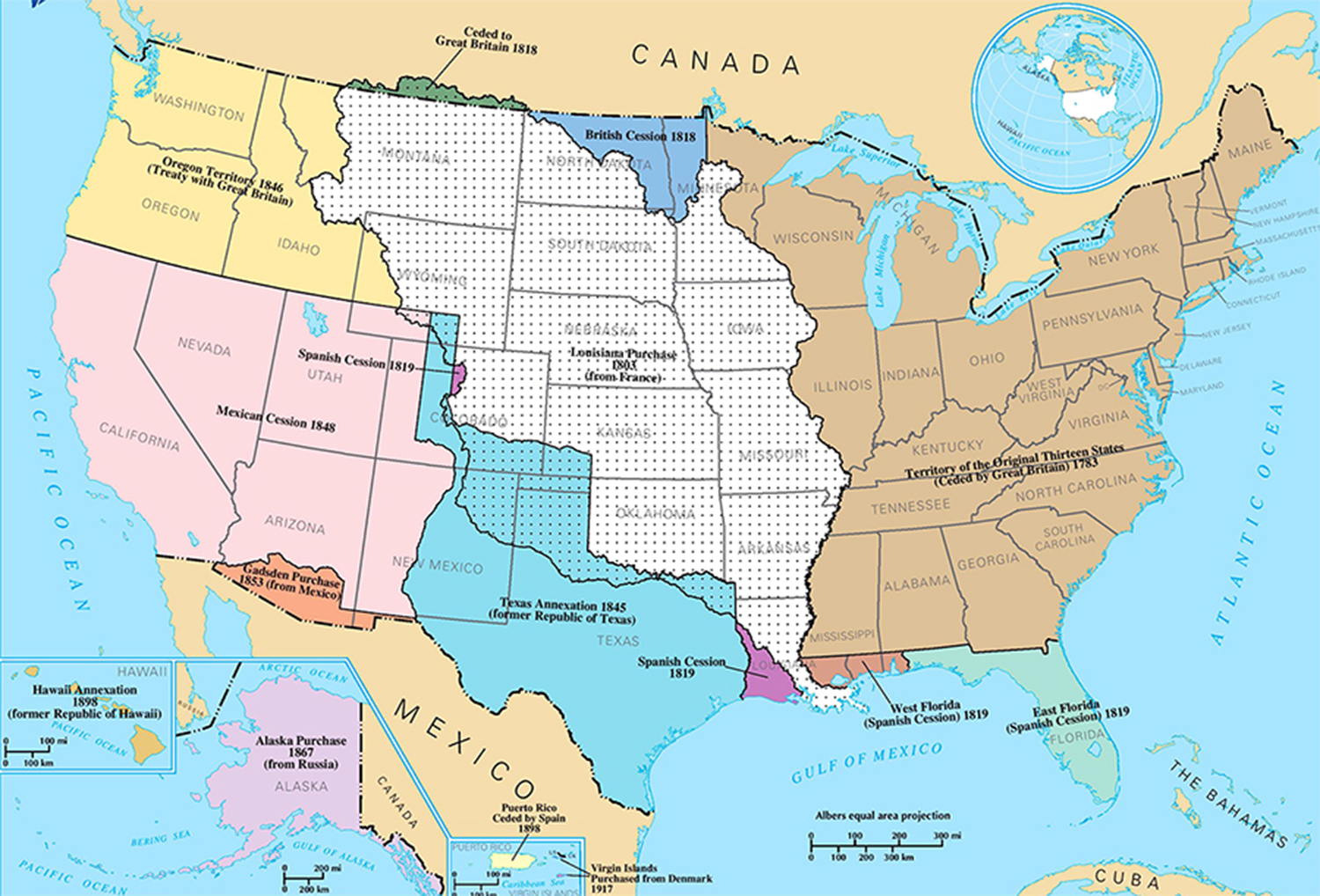
The political tides turned with the election of President William McKinley, who was an ardent expansionist. The outbreak of the Spanish-American War in 1898 further fueled the argument for annexation, as Hawaii was seen as a crucial naval outpost for projecting American power in the Pacific. Amidst this strategic imperative, and despite ongoing protests from native Hawaiians, the United States Congress passed the Newlands Resolution, formally annexing the Republic of Hawaii on July 7, 1898. Hawaii ceased to be an independent nation and became a U.S. territory.
From Territory to Statehood: The Modern Era
Becoming a territory was a significant shift for Hawaii, integrating it more deeply into the American political and economic system. The subsequent decades saw tremendous growth and cultural evolution, setting the stage for its eventual statehood.
Life as a U.S. Territory
Under the Organic Act of 1900, Hawaii officially became an incorporated U.S. territory, granting its residents U.S. citizenship but without the full political representation of a state. The territorial period saw further development of its agricultural industries, particularly pineapple and sugar, attracting waves of immigrant laborers from Asia and the Pacific. This influx of diverse cultures contributed to the unique melting pot that defines modern Hawaiian society, impacting everything from cuisine to local traditions, which visitors can experience in vibrant cultural centers and local eateries across the islands.
The strategic importance of Hawaii continued to grow, particularly for military purposes. Pearl Harbor on Oahu became a major naval base, a symbol of American power in the Pacific. This strategic importance, however, also brought unforeseen tragedy. On December 7, 1941, the surprise attack on Pearl Harbor by the Imperial Japanese Navy plunged the United States into World War II. The memorial at Pearl Harbor is now one of Hawaii’s most visited landmarks, offering a poignant reminder of this pivotal moment in global history and its direct impact on the islands.
The Road to Statehood
The events of World War II played a crucial role in accelerating Hawaii’s path to statehood. The loyalty and sacrifices of Hawaiian residents, including those of Japanese ancestry who served bravely in the U.S. military despite widespread discrimination, dispelled many lingering doubts about their integration into the American fabric. The argument that Hawaii was primarily populated by non-white residents, which had historically hindered statehood efforts, began to lose its sway.
After years of lobbying and political debate, the Hawaii Statehood Act was passed by Congress and signed into law by President Dwight D. Eisenhower. On August 21, 1959, Hawaii officially became the 50th state of the United States, marking the culmination of a long and often contentious journey. The transformation from a sovereign kingdom to a U.S. territory and finally to a state fundamentally reshaped the identity of the islands and their people, while also opening the floodgates for the tourism industry that now defines much of its economy.
Hawaii Today: A Legacy of History and a Tourist Paradise
Today, Hawaii stands as a testament to its complex past, a vibrant tapestry woven from ancient traditions, colonial influences, and modern American culture. It is a destination that offers something for every type of traveler, from luxury seekers to adventure enthusiasts, all against a backdrop of unparalleled natural beauty and deep historical resonance.
Iconic Landmarks and Natural Wonders
The historical journey of Hawaii is etched into its landscape and structures. Iolani Palace remains a powerful symbol of the Hawaiian monarchy, offering tours that provide insight into royal life and the events of the overthrow. The memorials at Pearl Harbor, including the USS Arizona Memorial, are solemn sites that educate visitors about World War II’s impact.
Beyond these man-made landmarks, Hawaii’s natural wonders also hold historical and cultural significance. The iconic crater of Diamond Head on Oahu, for instance, was once a strategic military lookout and now offers breathtaking panoramic views of Waikiki Beach and the coastline. The active volcanoes of Kilauea on the Big Island and the dormant giant Haleakala National Park on Maui are not only geological marvels but also sacred sites in Hawaiian tradition. The rugged cliffs of the Na Pali Coast on Kauai offer stunning vistas, accessible by boat or helicopter, providing a glimpse of the islands’ untouched grandeur. Exploring these landmarks allows visitors to connect with the deep history and spiritual essence of Hawaii.
Planning Your Hawaiian Getaway: Accommodation, Activities, and Culture
For those planning a trip to Hawaii today, the islands offer an unparalleled travel experience. The tourism industry has evolved to cater to every lifestyle and budget, from opulent five-star resorts to charming boutique hotels and cozy vacation rentals. Iconic establishments like The Royal Hawaiian, a Luxury Collection Resort on Waikiki Beach or the Four Seasons Resort Maui at Wailea on Maui provide luxurious stays with world-class amenities. For families, resorts like Aulani, a Disney Resort & Spa offer tailored experiences. Numerous Marriott and Hilton properties can be found across the islands, along with independent villas and apartments available through platforms like Airbnb and VRBO, offering diverse accommodation options for long-term stays or those seeking a more local experience.
Tourism in Hawaii extends beyond beautiful beaches and luxury hotels. It’s an opportunity to immerse oneself in the local culture, explore vibrant food scenes, and participate in activities that connect you with the islands’ spirit. Attractions like the Polynesian Cultural Center on Oahu offer engaging ways to learn about traditional customs, dances, and crafts. Snorkeling in protected marine sanctuaries like Hanauma Bay, surfing the legendary waves of the North Shore, or hiking through volcanic craters are just a few of the experiences available. Travel guides often highlight the importance of respecting local customs and the delicate ecosystem.
Whether you’re interested in budget travel or a luxury escapade, family trips or a romantic getaway, Hawaii provides a diverse array of experiences. Exploring the historic streets of Lahaina on Maui, once a whaling village and capital of the Hawaiian Kingdom, or unwinding on the golden sands of Kaanapali Beach, visitors are constantly reminded of the layers of history beneath the surface of this modern paradise. The story of how Hawaii became part of the United States is not just a chapter in American history; it’s an integral part of what makes the islands such a unique and compelling destination, inviting travelers to explore its beauty, respect its heritage, and understand its profound journey.
LifeOutOfTheBox is a participant in the Amazon Services LLC Associates Program, an affiliate advertising program designed to provide a means for sites to earn advertising fees by advertising and linking to Amazon.com. Amazon, the Amazon logo, AmazonSupply, and the AmazonSupply logo are trademarks of Amazon.com, Inc. or its affiliates. As an Amazon Associate we earn affiliate commissions from qualifying purchases.