
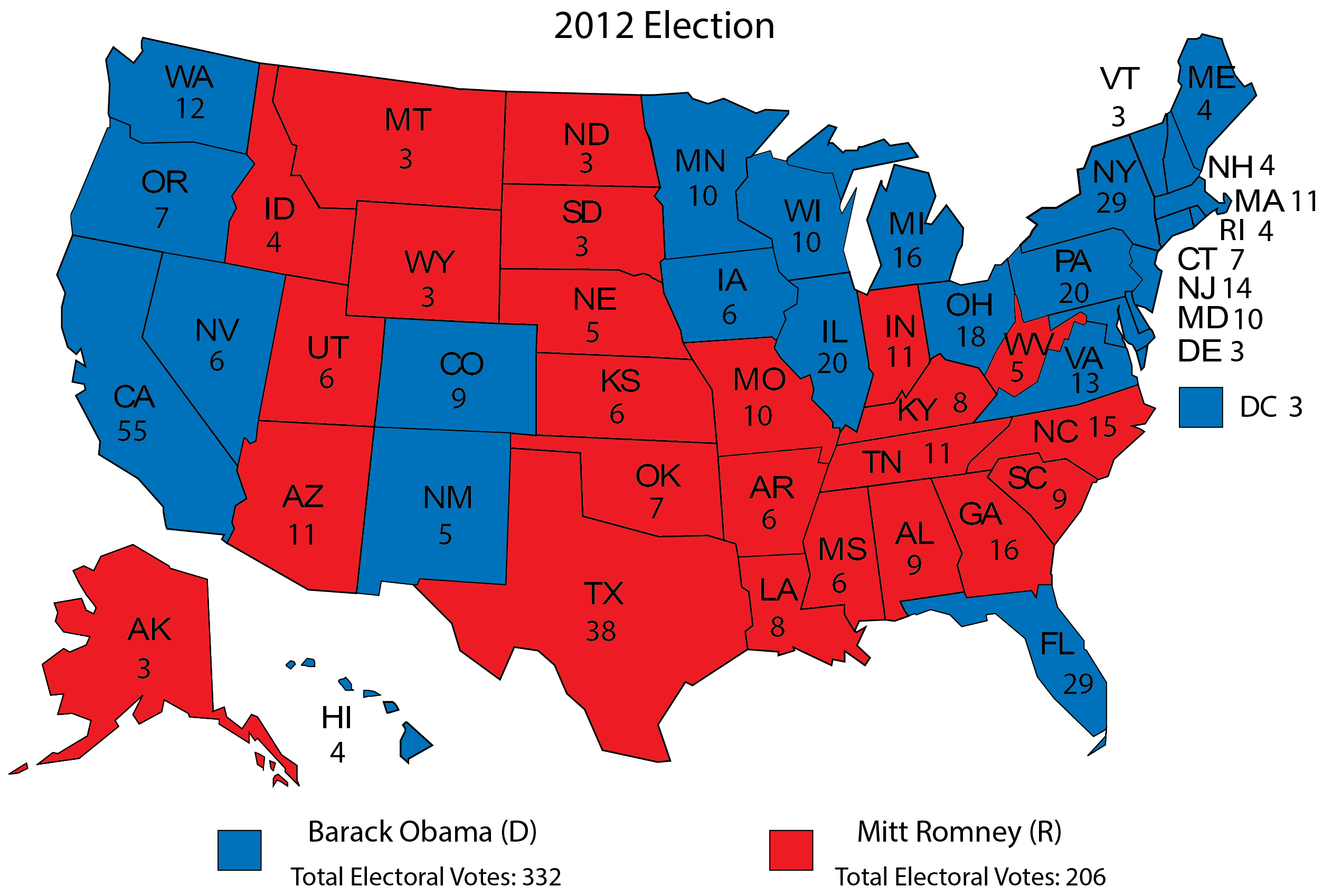
The Sunshine State, a perennial battleground in American presidential elections, has long presented a complex puzzle for political strategists. In both 2008 and 2012, Barack Obama managed to secure victory in Florida, a feat that defied conventional wisdom and left many questioning the underlying factors. While the glitz and glamour of Florida’s tourist destinations, from the theme parks of Orlando to the vibrant nightlife of Miami, often capture headlines, the state’s electorate is a tapestry woven with diverse threads of demographics, economic realities, and cultural influences. Understanding Obama’s victories requires looking beyond the sun-drenched beaches and into the nuanced landscape of Floridian voters. This exploration delves into the strategic brilliance, demographic shifts, and ground-level organizing that paved the way for Obama’s triumphs in this crucial swing state.
The Evolving Demographics of Florida: A Shifting Electoral Landscape
Florida’s population has always been in flux, a magnet for retirees, snowbirds, and new immigrants seeking opportunity and a warmer climate. This dynamism, however, is not static; it represents an ever-shifting electoral landscape. In the years leading up to and during Obama’s presidency, several key demographic trends were at play, significantly influencing his ability to win in Florida.
The Growing Influence of Hispanic Voters
Perhaps the most significant demographic shift in Florida has been the dramatic increase in the Hispanic population. This burgeoning community, with roots stretching from Cuba and Puerto Rico to Central and South America, brought with it a diverse range of political perspectives. While historically, many Cuban-American voters in South Florida had leaned Republican, a growing segment, particularly younger generations and those from newer waves of immigration, began to engage more with the Democratic platform.
The Obama campaign recognized this potential and invested considerable resources in outreach to Hispanic communities. This involved not just advertising in Spanish-language media but also targeted events, community engagement, and addressing issues that resonated with these voters. For instance, the campaign’s focus on healthcare reform, economic recovery, and pathways to citizenship often found a receptive audience. Cities like Miami, with its significant Cuban and Venezuelan populations, became key areas of focus. The campaign understood that a substantial portion of these voters were not monolithic in their political views and that by engaging them directly and respectfully, they could sway crucial votes. This outreach was not limited to Miami; areas with growing Hispanic populations across the state, from the Tampa Bay region to the Orlando metropolitan area, were also targeted. The Puerto Rican population, in particular, has grown considerably, and their voting patterns have shown a tendency to lean Democratic, especially on issues of social welfare and economic opportunity.
The Urban-Suburban-Rural Divide: A Microcosm of America
Florida, much like the rest of the United States, exhibits a distinct urban-suburban-rural divide, and Obama’s victories were a testament to his campaign’s ability to navigate this complex terrain. The urban centers, such as Miami-Dade County, Broward County, and Palm Beach County in South Florida, and Orange County in Central Florida, are generally more diverse and tend to lean Democratic. These areas are home to a larger proportion of minority voters, young professionals, and those in service industries, all of whom were generally more supportive of Obama’s policies.
The suburban areas presented a more mixed picture. While some suburbs, particularly those closer to major urban cores, showed Democratic leanings, others remained more conservative. The Obama campaign’s strategy often involved mobilizing urban voters to a high degree while also making inroads into the more moderate segments of the suburban electorate. This required a nuanced message that appealed to a broader range of concerns, from education and environmental protection to economic stability.
The rural and exurban parts of Florida, on the other hand, often leaned Republican. These areas tend to be more socially conservative and may have different economic priorities. Winning Florida meant maximizing Democratic turnout in the urban and exurban areas to offset Republican strength in the more rural counties. The campaign understood that while winning every county was not necessary, achieving overwhelming margins in key Democratic strongholds was crucial.
The Role of Older Voters and the Impact of Recession
Florida has a significant population of older voters, many of whom are retirees drawn to the state for its climate and lower cost of living. This demographic group can be a powerful voting bloc, but their political leanings are not uniform. While some older voters may prioritize fiscal conservatism, others are concerned with social security, healthcare, and the quality of life in their retirement communities. The Obama administration’s focus on protecting programs like Medicare and Social Security, as well as the Affordable Care Act, aimed to appeal to these concerns.
The economic recession that began in 2008 had a profound impact on Florida. As a state heavily reliant on tourism, real estate, and construction, Florida was hit particularly hard. The Obama campaign was able to capitalize on the public’s dissatisfaction with the economic policies of the previous administration and present Obama as a candidate with a plan for recovery. The message of hope and change, coupled with specific proposals for economic stimulus and job creation, resonated with a broad spectrum of Floridians, including many older residents who were concerned about their retirement savings and future economic security.
Obama’s Campaign Strategy: Precision Targeting and Grassroots Power
Barack Obama’s presidential campaigns were renowned for their sophisticated data-driven strategies and unprecedented grassroots organizing. In Florida, a state with its own unique electoral dynamics, these approaches were particularly crucial for overcoming perceived disadvantages and securing victories.
Data-Driven Targeting and Micro-Mobilization
The Obama campaigns were pioneers in using data analytics to understand and target voters with unparalleled precision. In Florida, this meant identifying specific demographic groups and geographic areas with the highest potential for support, as well as those who were undecided or persuadable. This allowed for highly tailored messaging and resource allocation. For instance, campaign strategists could identify neighborhoods with a high concentration of young voters, first-time homeowners, or specific ethnic groups and direct resources accordingly.
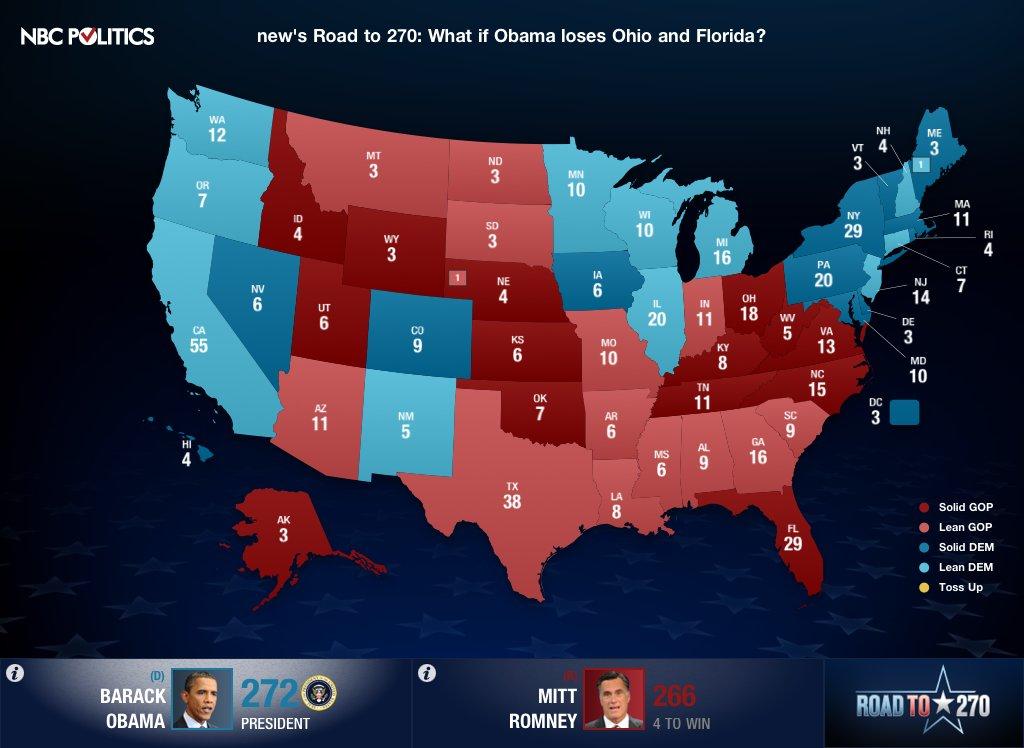
This micro-mobilization extended to voter registration drives, absentee ballot initiatives, and Get Out the Vote (GOTV) efforts. The campaign understood that in a close election, maximizing turnout among likely Democratic voters was paramount. This involved extensive voter contact, both through traditional methods like door-knocking and phone banking, and more innovative digital strategies. The campaign’s ability to leverage social media and online platforms to connect with supporters and encourage them to vote was a significant advantage. For example, reaching out to residents of areas near popular tourist attractions like Walt Disney World Resort or the beaches of Clearwater required understanding the diverse origins and concerns of the people who lived and worked there.
The Power of Grassroots Organizing and Volunteer Networks
Beyond the data, Obama’s campaigns were built on the power of their extensive volunteer networks. In Florida, thousands of volunteers were mobilized to engage directly with voters. These individuals, often driven by a belief in the candidate and his message, fanned out across the state, from the panhandle to South Florida, knocking on doors, making phone calls, and organizing local events. This ground-level effort was essential for building enthusiasm, disseminating information, and ensuring that supporters turned out to vote.
The campaign established field offices in key cities and counties across Florida, serving as hubs for volunteer coordination and community outreach. These offices were not just about logistics; they were about fostering a sense of community and shared purpose among supporters. Events organized through these offices, ranging from neighborhood meet-ups to rallies, helped to energize the base and persuade undecided voters. The campaign understood that in a state as large and diverse as Florida, a top-down approach would not suffice; it required empowering local organizers and volunteers to connect with their neighbors. The focus on building personal relationships with voters was a hallmark of the Obama campaign’s success in Florida.
Messaging and Narrative: Hope, Change, and Economic Recovery
Barack Obama’s core message of “hope and change” resonated deeply with many Americans, and in Florida, this message was tailored to address the specific concerns of the state’s voters. In 2008, the economic anxieties brought on by the subprime mortgage crisis and the collapse of the housing market were palpable. Obama’s promise to steer the country through a difficult economic period, coupled with his emphasis on responsible governance and investment in the future, offered a stark contrast to the incumbent administration.
In 2012, as the country was still recovering from the recession, Obama’s campaign highlighted the progress made under his leadership, including job growth and the passage of the Affordable Care Act. The campaign also sought to frame the election as a choice between two distinct visions for the country. For Florida, this often translated into messages that addressed the concerns of a diverse electorate, from the economic well-being of working families to the preservation of natural resources and the future of healthcare. The campaign’s ability to articulate a compelling narrative that connected with the aspirations and anxieties of Floridians was a critical factor in its electoral success.
The Impact of Key Issues and Obama’s Policy Wins
Beyond broad demographic trends and campaign strategies, specific policy issues and Obama’s legislative achievements played a significant role in swaying Florida voters. The Sunshine State, with its diverse population and economy, is particularly sensitive to national policy debates.
Healthcare Reform: A Defining Issue
The passage of the Affordable Care Act (ACA), often referred to as Obamacare, was a landmark achievement of the Obama administration and a significant talking point in Florida. For a state with a large population of older residents and many who were uninsured or underinsured, the ACA offered tangible benefits. The law expanded health insurance coverage, provided protections for pre-existing conditions, and lowered healthcare costs for millions.
In Florida, where access to affordable healthcare was a persistent concern, the ACA became a key differentiator. The Obama campaign effectively communicated the benefits of the law, highlighting how it would provide security and peace of mind to families. Conversely, the Republican opposition to the ACA, and their proposals to repeal or replace it, provided Obama with an opportunity to contrast his approach with that of his opponents. This issue resonated with a broad spectrum of voters, including many who might not have otherwise aligned with the Democratic Party. The campaign worked to ensure that voters understood the provisions of the law and how it directly impacted their lives, whether they were visiting the state’s renowned medical facilities or living in its many retirement communities.
Economic Recovery and Job Creation
As mentioned earlier, the economic downturn had a profound impact on Florida. The Obama administration’s response to the crisis, including the American Recovery and Reinvestment Act of 2009, aimed to stimulate the economy and create jobs. While the recovery was gradual, the campaign was able to point to positive economic indicators and job growth as evidence of its success.
In Florida, the campaign focused on highlighting how its policies had helped to stabilize the housing market, support small businesses, and create employment opportunities in key sectors, including tourism and construction. The narrative of economic recovery was particularly important for voters who had experienced job losses or financial hardship. By presenting a vision of a stronger, more prosperous future, Obama’s campaign sought to convince Floridians that his policies were working and that he deserved a second term. The impact of economic policies on the lives of Floridians, from those working in the hospitality industry to those managing their investments in resort communities, was a central theme.
Social Issues and Cultural Values
While economic and healthcare issues often take center stage, social and cultural issues also play a role in shaping the electorate in Florida. The state is home to a diverse array of religious and ethnic communities, each with its own set of values and priorities. The Obama campaign understood the need to engage with these diverse groups and address their concerns.
The campaign’s stance on issues such as LGBTQ+ rights, immigration reform, and environmental protection resonated with certain segments of the Florida population. In a state that attracts people from all walks of life, the ability to appeal to a broad range of social values was important. For example, the environmental policies championed by Obama’s administration were particularly relevant in Florida, a state with a vast coastline and fragile ecosystems that are central to its tourism industry and the livelihoods of many of its residents. The campaign’s efforts to connect with voters on these cultural touchstones, while still emphasizing economic and healthcare progress, contributed to its ability to build a winning coalition. The diverse cultural fabric of Florida, much like the attractions it offers to travelers, required a multifaceted approach to political engagement.