
The allure of the Hawaiian Islands—a necklace of volcanic jewels strung across the vast expanse of the Pacific Ocean—has captivated imaginations for centuries. With their verdant rainforests, dramatic cliffs, and turquoise waters, it’s no wonder that visitors flock to Hawaii year-round, seeking adventure, relaxation, and a connection to its unique culture. But before the days of sleek airplanes and cruise ships, and long before the development of modern resorts like the Grand Hyatt Hotel or the iconic beaches of Waikiki, a profound question lingers: How did humans first arrive on these remote shores? The answer lies in a remarkable saga of courage, ingenuity, and an intimate understanding of the ocean, a testament to the navigational prowess of ancient peoples.
The Epic Voyages of the Polynesians
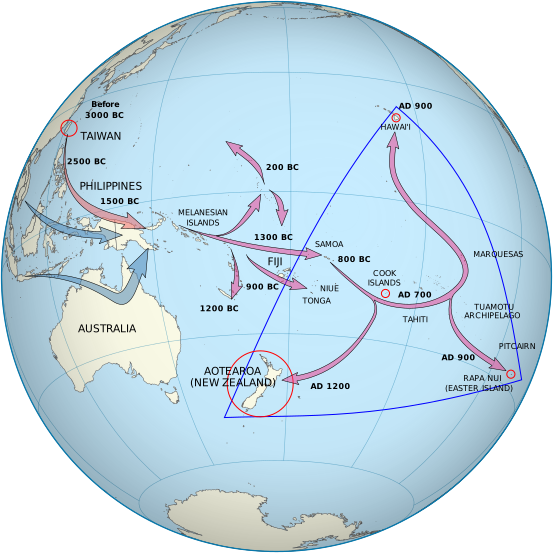
The story of how people first reached Hawaii is intrinsically linked to the incredible migrations of the Polynesian people. These intrepid explorers, originating from somewhere in Southeast Asia, embarked on a centuries-long journey, systematically settling vast swathes of the Pacific Ocean, an area known as Polynesia. This epic expansion, which began around 3,000 years ago, is one of the most significant achievements in human history, a feat of seafaring that predates many later explorations.
Masters of the Ocean: Voyaging Canoes and Navigation
The vessels used by these ancient mariners were not crude rafts. They were sophisticated double-hulled canoes, known as wa’a kaulua. These were impressive feats of engineering, capable of carrying significant numbers of people, supplies, and even livestock, such as pigs and chickens. The stability and seaworthiness of these canoes allowed them to traverse thousands of miles of open ocean, a journey that demanded not only physical endurance but also an extraordinary level of skill and knowledge.
The key to their success lay in their sophisticated navigational techniques. Without compasses, sextants, or maps as we know them, Polynesian navigators relied on a deep and intricate understanding of the natural world. They read the stars with uncanny precision, memorizing their celestial paths across the night sky. They observed the flight patterns of birds, knowing that certain species would fly towards land from dawn to dusk. They studied the ocean currents, the swell patterns, and the presence of marine life, all of which provided vital clues to direction and proximity to land. Even the color of the water and the types of clouds could offer hints about what lay beyond the horizon. This system of navigation, known as wayfinding, was passed down through generations, a sacred knowledge that enabled them to discover and settle islands as remote as Hawaii.
The Settlement of Hawaii: A Journey of Discovery
The settlement of the Hawaiian Islands is believed to have occurred in several waves, likely beginning around 1,500 years ago, though some estimates place it even earlier. The first voyagers who arrived in Hawaii were likely exploring outwards from the Marquesas Islands or the Society Islands. Imagine their astonishment as they first sighted the lush, mountainous islands rising from the sea—a stark contrast to the vast, empty ocean they had navigated for weeks or even months.
These early arrivals brought with them their culture, their traditions, their plants, and their animals. They cultivated the land, building sophisticated irrigation systems to farm crops like taro and sweet potatoes. They developed unique social structures and religious practices, laying the foundation for the distinct Hawaiian civilization that would flourish for centuries. The isolation of the islands allowed for the development of a unique ecosystem and a rich tapestry of endemic species, many of which are found nowhere else on Earth.
Modern Approaches to Reaching Paradise
Today, the journey to Hawaii is vastly different, a testament to human innovation and the ever-shrinking world. While the spirit of adventure and discovery may still resonate with travelers, the practicalities of reaching this island paradise are now a matter of booking a flight or a cruise.
Air Travel: The Fastest Route to the Islands

For the vast majority of modern visitors, air travel is the primary means of reaching Hawaii. Numerous airlines offer direct or connecting flights from major cities across the United States, Canada, Asia, and Australia. Honolulu International Airport on Oahu serves as the main gateway, with inter-island flights connecting to other islands such as Maui, Kauai, and the Island of Hawaii (the Big Island).
The experience of flying to Hawaii has become a routine part of vacation planning for many. From the moment you book your tickets to the final descent over the shimmering blue ocean, the journey is designed for comfort and convenience. Airlines offer various classes of service, from economy to first class, with amenities ranging from in-flight entertainment to gourmet dining. Many travelers enjoy gazing out the window as the islands emerge from the clouds, a breathtaking prelude to their tropical escape.
Cruise Ships: A Voyage of Discovery and Relaxation
For those who prefer a more leisurely and immersive travel experience, cruise ships offer a romantic and scenic way to arrive in Hawaii. Major cruise lines operate itineraries that call at various Hawaiian ports, allowing passengers to experience multiple islands without the need to pack and unpack repeatedly. These voyages often depart from California ports like Los Angeles or San Francisco, offering a multi-day journey across the Pacific.
A cruise to Hawaii provides a unique blend of travel and accommodation. Passengers can enjoy the journey itself, with onboard activities, entertainment, and dining options. Upon arrival, they disembark to explore the islands, visiting iconic landmarks like Pearl Harbor, the Volcanoes National Park, or the lush landscapes of the Road to Hana. Many cruises also include opportunities to experience local culture, with onboard performances or shore excursions featuring Hawaiian music and dance. The convenience of having your accommodation and transportation in one package makes a cruise a popular choice for families and those seeking a hassle-free vacation.
Exploring the Islands Once You Arrive
Once you have successfully navigated the journey to Hawaii, whether by air or sea, a world of exploration and discovery awaits. The islands offer a diverse range of experiences, catering to every type of traveler, from the luxury seeker to the budget adventurer.
The Appeal of Hawaiian Destinations and Attractions
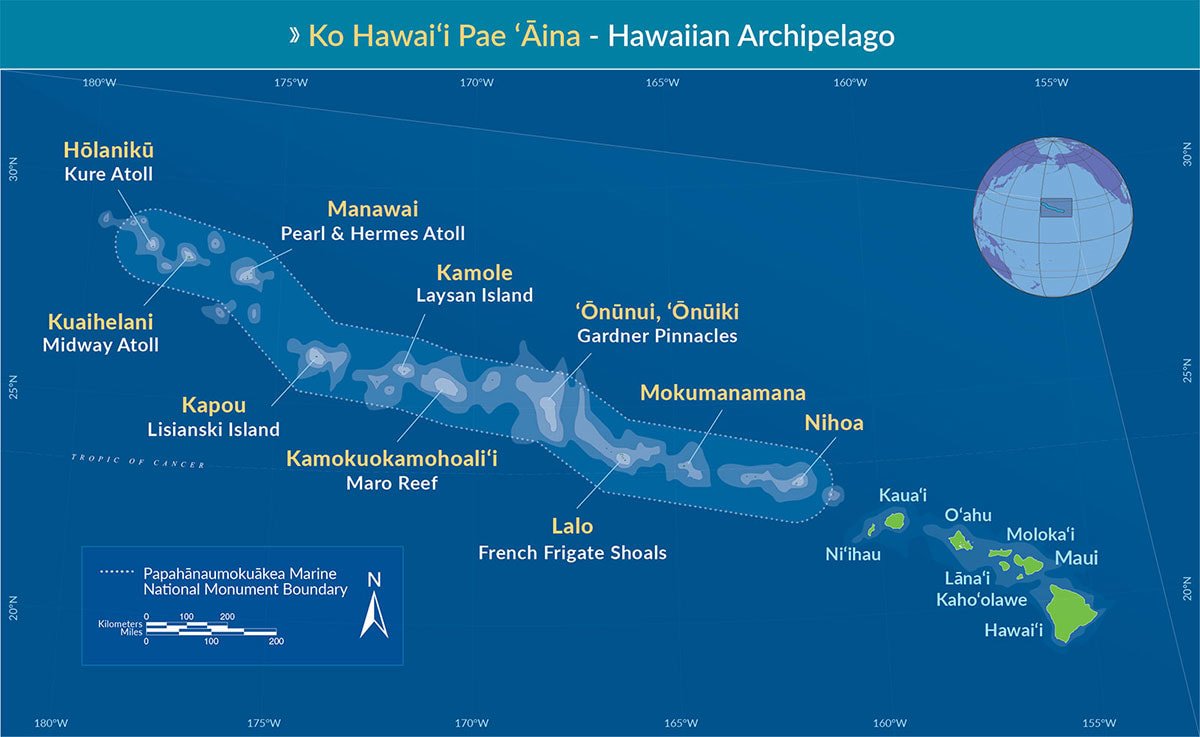
Each Hawaiian island possesses its own unique charm and appeal. Oahu, often called “The Gathering Place,” is home to the bustling city of Honolulu, the historic Pearl Harbor, and the world-famous surf beaches of the North Shore. Maui captivates with its stunning beaches, the scenic Road to Hana, and the majestic sunrise views from the summit of Haleakala.
Kauai, the “Garden Isle,” is renowned for its dramatic cliffs of the Na Pali Coast, its lush rainforests, and the breathtaking Waimea Canyon. The Island of Hawaii, or the Big Island, offers a stark contrast with its active volcanoes in Hawaii Volcanoes National Park, black sand beaches, and diverse microclimates. Whether you’re seeking adventure on a zipline tour, relaxation on a pristine beach, or immersion in ancient Hawaiian history at significant landmarks, there is something for everyone.
Accommodation and Lifestyle Choices
The range of accommodation options in Hawaii mirrors the diversity of its landscapes and the varied desires of its visitors. From opulent luxury resorts like the Four Seasons Resort Maui at Wailea to charming boutique hotels, private villas, and budget-friendly apartments, travelers can find the perfect place to rest their heads after a day of exploration. Many accommodations offer breathtaking ocean views, world-class amenities, and easy access to the islands’ natural wonders.
The lifestyle in Hawaii is often characterized by its relaxed pace, its appreciation for nature, and its vibrant culture. Whether you’re indulging in a luxurious spa treatment at a renowned resort, enjoying a farm-to-table dining experience showcasing local produce, or simply soaking up the sun on a quiet beach, the islands offer an escape from the everyday. Family trips, romantic getaways, and even business stays are all enhanced by the welcoming spirit and the unparalleled natural beauty of Hawaii. The journey to Hawaii has evolved dramatically from the daring voyages of its first inhabitants, but the magic and allure of these islands remain as potent as ever.
LifeOutOfTheBox is a participant in the Amazon Services LLC Associates Program, an affiliate advertising program designed to provide a means for sites to earn advertising fees by advertising and linking to Amazon.com. Amazon, the Amazon logo, AmazonSupply, and the AmazonSupply logo are trademarks of Amazon.com, Inc. or its affiliates. As an Amazon Associate we earn affiliate commissions from qualifying purchases.