
California, a land celebrated for its sun-drenched beaches, iconic cities, towering ancient forests, and rugged mountain ranges, beckons millions of travelers each year. From the glitz and glamour of Los Angeles and the historic charm of San Francisco to the serene beauty of Yosemite National Park and the vibrant vineyards of Napa Valley, the state offers an unparalleled diversity of experiences. Yet, beneath this captivating veneer lies a persistent challenge that has dramatically shaped its landscape, economy, and the very lifestyle of its residents: wildfires. These blazes, often devastating in their scope and impact, have become an increasingly prominent feature of the California narrative. For those planning a dream vacation, considering a long-term stay, or simply curious about the state’s natural phenomena, understanding the genesis of these fires is crucial. It’s a complex tapestry woven from natural conditions, human actions, and a changing climate, all of which contribute to the annual dance of destruction and resilience.
This article delves into the intricate question of how California wildfires ignite, exploring the myriad factors that transform dry brush into raging infernos. Beyond just the immediate causes, we will examine how these fires impact the state’s vibrant travel and tourism industry – from disrupting beloved destinations and challenging accommodation providers to reshaping the very fabric of local culture and lifestyle. By understanding the ‘how’ and ‘why,’ travelers and residents alike can better appreciate the efforts in mitigation and prevention, fostering a more informed and responsible approach to exploring this extraordinary, yet vulnerable, part of the world.
The Complex Genesis of California Wildfires
The narrative of California wildfires is not a simple one of single causes, but rather a confluence of environmental conditions and human activities. It’s a testament to a landscape perfectly primed for fire, often needing only the smallest spark to erupt. Understanding these origins is the first step in appreciating the scale of the challenge and the adaptive strategies being employed.
Natural Triggers: The Role of Climate and Topography
California’s unique geography and Mediterranean climate are fundamental to its fire ecology. For millennia, the state’s ecosystems have evolved with fire, which plays a natural role in clearing underbrush and promoting new growth. However, modern conditions have intensified this natural phenomenon.
One of the most significant natural culprits is drought. Prolonged periods of insufficient rainfall, exacerbated by climate change, leave vast swathes of vegetation extremely dry and highly combustible. Trees and shrubs, starved of water, become perfect fuel. This dry tinder then often meets the infamous Santa Ana winds in Southern California or similar strong, dry winds in the north. These winds act like a bellows, fanning nascent flames, drying out vegetation further, and pushing fires at incredible speeds across canyons and through communities. Their unpredictable nature makes containment incredibly difficult, often turning small blazes into unmanageable infernos within hours. The state’s rugged topography of mountains, valleys, and chaparral-covered hillsides also plays a critical role. Fires can race uphill rapidly, and dense, inaccessible terrain makes it challenging for firefighters to establish control lines, particularly in wilderness areas like the Sierra Nevada Mountains or near landmarks such as Sequoia National Park.
While less common than human-caused fires, lightning strikes are a natural ignition source, particularly in remote areas. During summer thunderstorms, dry lightning (lightning without accompanying rain) can strike parched forests, leading to fires that can smolder for days before becoming significant, especially when winds pick up. The sheer volume of dried vegetation, from grasses to mature trees, accumulated over years of drought and fire suppression (which historically prevented natural clearing), provides an abundant fuel load, making these natural ignitions particularly dangerous.
Human Factors: Unintentional Sparks and Infrastructure Failures
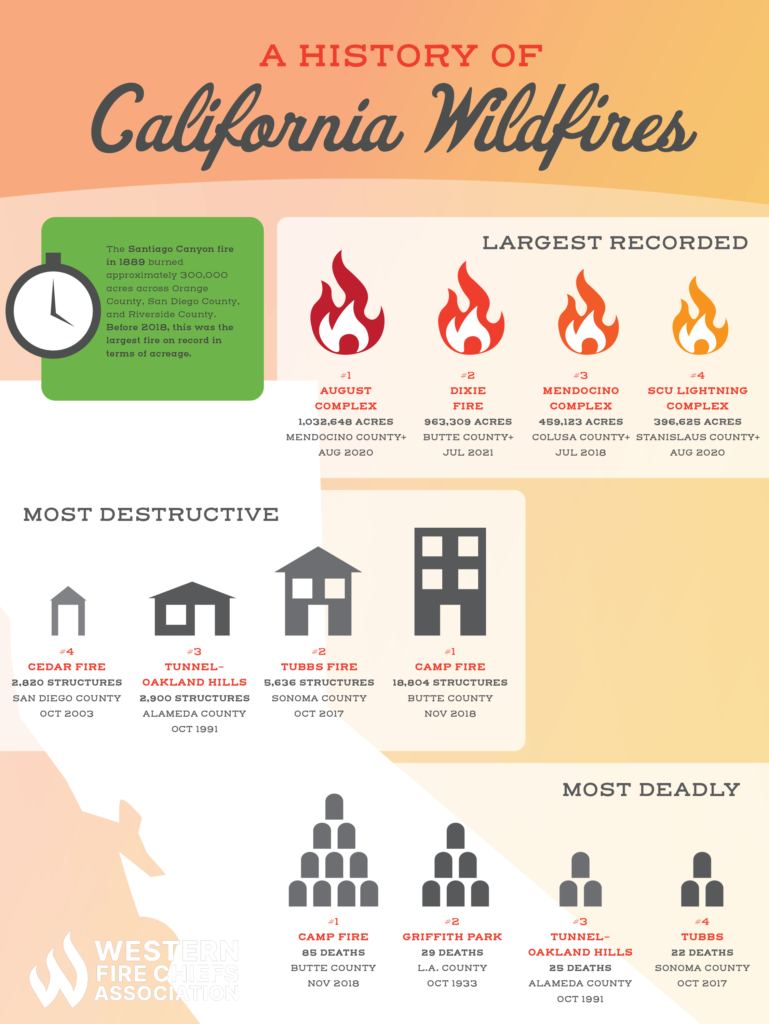
While nature sets the stage, human activity is overwhelmingly the primary cause of wildfires in California. Approximately 95% of all wildfires are attributed to human actions, ranging from accidental to negligent. These ignitions occur alarmingly close to where people live, work, and recreate, often blurring the lines between wilderness and urban environments.
One of the most notorious human-related causes involves power lines and electrical infrastructure. Aging equipment, particularly in windy conditions, can spark fires when lines fall or come into contact with dry vegetation. Several of California’s most destructive wildfires, impacting regions from Paradise to parts of Sonoma County, have been linked to utility equipment. Utility companies are now investing heavily in upgrading infrastructure, undergrounding lines, and implementing public safety power shutoffs during high-wind events, but the risk remains significant.
Beyond infrastructure, everyday human activities often lead to accidental ignitions. Campfires left unattended or improperly extinguished, sparks from vehicle exhaust systems or chains dragging on asphalt, discarded cigarettes, agricultural burns getting out of control, and even sparks from equipment use (like welding or grinding outdoors during dry conditions) are common culprits. These seemingly minor actions can have catastrophic consequences when coupled with the right environmental conditions. Even simple acts like fireworks, target shooting, or children playing with matches contribute to the fire toll.

While less frequent but equally devastating, arson also plays a role in a small percentage of fires, adding a layer of malicious intent to the tragedy. Understanding these human triggers underscores the critical importance of public awareness, education, and strict adherence to fire safety regulations, especially in a state where the wildland-urban interface is continuously expanding. Each spark, whether from a faulty wire or a careless act, carries the potential to ignite a disaster that impacts not only natural landscapes but also the vibrant communities and the tourism infrastructure that defines California.
Wildfires’ Far-Reaching Impact on California’s Travel & Tourism Landscape
California’s identity is intrinsically linked to its stunning natural beauty and diverse cultural attractions, making it a global magnet for travelers. However, the escalating frequency and intensity of wildfires pose a significant threat to this vital sector. The impact extends far beyond immediate destruction, affecting everything from travel advisories and destination accessibility to the long-term viability of local businesses and the very perception of a California getaway.
Disruptions to Destinations and Attractions
The most immediate and visible consequence of wildfires is the forced closure and, in some cases, the destruction of beloved destinations and attractions. National Parks and State Parks are frequently impacted, with their vast wilderness areas serving as both fuel and sanctuary. Yosemite National Park, a crown jewel of the park system, has seen multiple closures or partial closures due to nearby fires, limiting access to iconic landmarks like El Capitan and Half Dome, and impacting the availability of coveted lodging options within the park such as The Ahwahnee Hotel or Yosemite Valley Lodge. Similarly, areas around Lake Tahoe, a pristine alpine destination known for its skiing and summer recreation, have faced severe threats, leading to evacuations and a drastic reduction in visitors during peak seasons.
Scenic drives, such as the legendary Highway 1 through Big Sur, can be compromised not only by fire damage but also by subsequent mudslides and road closures. Wine regions like Napa Valley and Sonoma County have experienced direct vineyard damage, but perhaps more significantly, the pervasive smoke taints the air quality, deterring visitors seeking a leisurely wine-tasting experience. The very air quality itself becomes a major concern; even if a fire is miles away, smoke plumes can drift, affecting major metropolitan areas like San Diego, Palm Springs, or Santa Barbara, rendering outdoor activities unpleasant or even unhealthy. This leads to cancellations of guided tours, outdoor excursions, and reduces foot traffic in areas reliant on tourism. The cumulative effect of these disruptions can cripple local economies that depend heavily on a steady influx of visitors and their spending on accommodations, dining, and activities.
Challenges for Accommodation and Hospitality
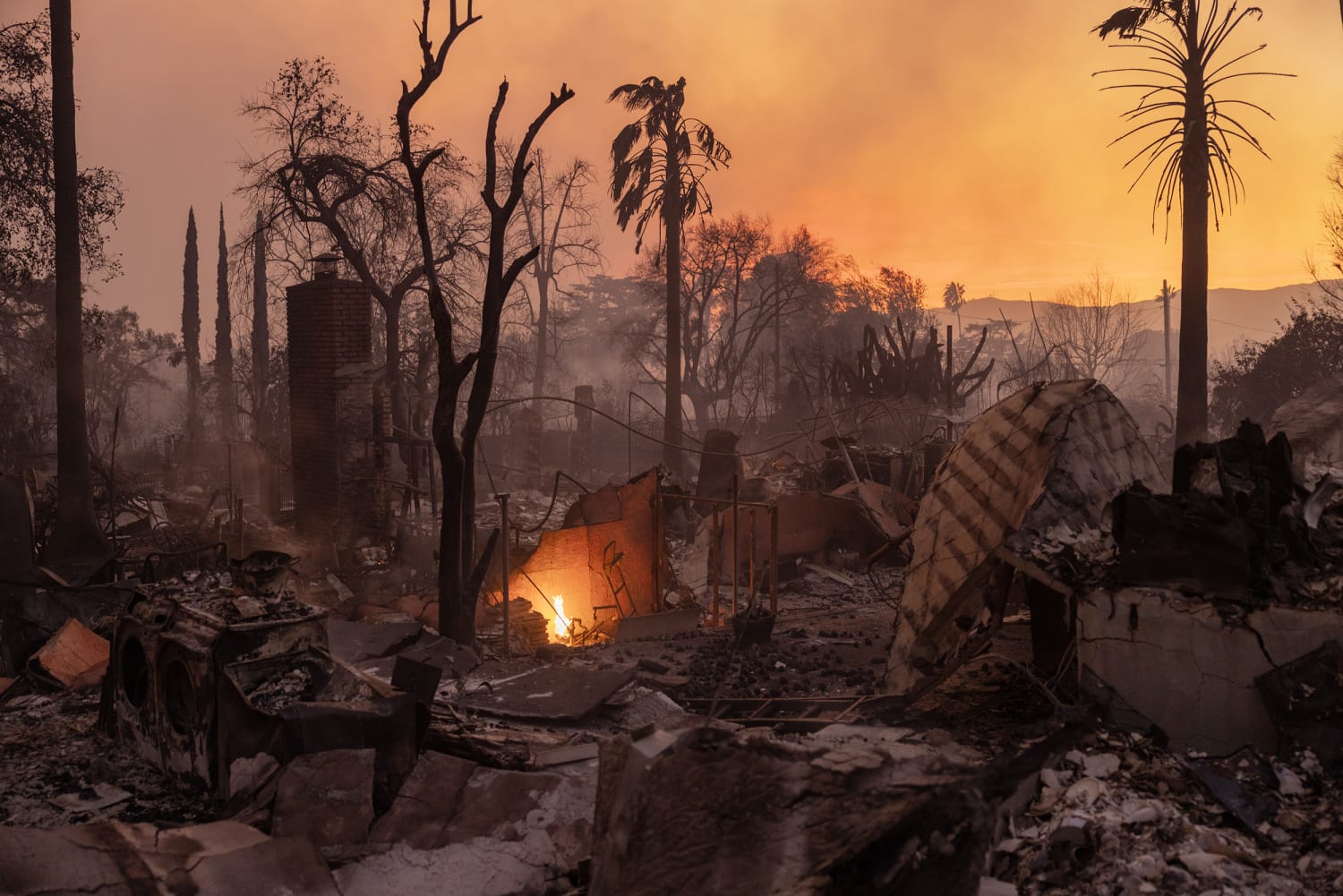
The accommodation sector bears a direct and often devastating brunt of wildfires. When fires approach populated areas, mandatory evacuations lead to immediate closures of hotels, resorts, apartments, and vacation rentals. Guests are forced to leave, future bookings are cancelled en masse, and properties can face direct structural damage or complete destruction. The images of luxury resorts in Malibu or boutique hotels in foothill towns succumbing to flames are a stark reminder of this vulnerability.
Even properties outside the immediate fire zones can suffer from significant booking cancellations due to smoke, road closures, or general fear and uncertainty among travelers. For businesses that operate on tight margins, a sudden drop in occupancy can lead to financial distress, staff layoffs, and even permanent closures. The impact is particularly acute for smaller, independently owned bed and breakfasts or family-run villas in scenic areas that cater to niche tourism. The ability to offer “long-term stays” or attract business travelers is also affected, as companies reassess the reliability and safety of areas prone to fire. Beyond the immediate economic hit, there’s the long and arduous process of rebuilding, regaining public trust, and attracting visitors back to areas that may carry the scars of past fires. This requires significant investment in infrastructure, marketing, and community resilience programs to reassure travelers that the destination is safe and ready to welcome them again.
Redefining the California Lifestyle and Travel Experience
Wildfires are not just an event; they are increasingly becoming a factor that redefines the California lifestyle and how visitors plan their trips. The idyllic image of endless sunshine and carefree outdoor adventures is now tempered by an awareness of “fire season,” typically spanning from late summer through fall. This necessitates a more thoughtful approach to travel planning.
For the adventurous traveler, popular activities like hiking, camping, and glamping in California’s numerous wilderness areas are often subject to sudden bans or closures. This directly impacts companies offering guided tours and equipment rentals, and shifts traveler behavior towards less fire-prone activities or indoor attractions. The outdoor-centric lifestyle of many Californians, too, is altered, with air quality alerts dictating daily routines and forcing many indoors.
Travel insurance becomes a more critical consideration, with travelers increasingly seeking policies that cover wildfire-related cancellations or evacuations. Furthermore, the concept of responsible tourism takes on new meaning. Visitors are encouraged to be acutely aware of fire safety protocols – understanding local burn bans, disposing of waste properly, and exercising extreme caution with any potential ignition sources. There’s also a growing emphasis on supporting affected communities during their recovery, choosing to spend money at local businesses that have endured the economic hardship of a fire season. This shift in mindset encourages travelers to be more informed, flexible, and conscious of their environmental footprint, subtly but fundamentally altering the quintessential California travel experience from spontaneous exploration to planned, mindful engagement with a beautiful but vulnerable landscape.
Mitigation, Prevention, and the Future of Californian Tourism
The profound impact of wildfires has spurred California to intensify its efforts in mitigation and prevention, recognizing that the future of its communities and its invaluable tourism industry hinges on these strategies. While the challenge is immense, a multi-faceted approach is being implemented to safeguard both lives and livelihoods.
Proactive Measures and Community Resilience
One of the most critical proactive measures involves forest and land management. This includes prescribed burns, which are controlled fires set to reduce accumulated fuel (dead trees, brush, and undergrowth) that could otherwise feed larger, more destructive wildfires. Thinning dense forests, particularly around developed areas, also helps to create fire breaks and reduce fuel load. These efforts, though sometimes controversial, are essential for restoring a healthier fire ecology and reducing extreme fire behavior.
Another vital strategy is promoting defensible space around homes and businesses in fire-prone areas. This involves clearing flammable vegetation for at least 100 feet around structures, creating zones that significantly increase the chances of a property surviving a wildfire. Public awareness campaigns, often spearheaded by agencies like CAL FIRE (California Department of Forestry and Fire Protection), educate residents on these crucial steps. Technological advancements are also playing an increasingly important role, with satellite monitoring, AI-powered fire detection systems, and advanced weather forecasting providing earlier warnings and better resource allocation. Communities are also building resilience through emergency preparedness plans, evacuation drills, and robust communication systems, ensuring that both residents and visitors can respond effectively to immediate threats.
For the tourism sector, this means destinations are investing in enhanced safety protocols, clearer signage regarding fire danger, and readily available information on emergency procedures. The goal is to build confidence that while risks exist, comprehensive measures are in place to manage them, allowing travelers to enjoy California’s offerings with greater peace of mind.
Adapting Travel Plans: A Guide for Responsible Visitors
For those eager to experience California’s wonders, adapting travel plans to account for wildfire realities is an act of responsible tourism. It’s about being informed, flexible, and safety-conscious.
Firstly, checking local advisories before and during your trip is paramount. Websites for California State Parks, National Forests, and local tourism boards provide up-to-date information on closures, burn bans, and air quality. Many regions, especially during late summer and fall, will have real-time fire maps and air quality alerts available. This helps travelers make informed decisions about hiking trails, camping availability, or even just planning outdoor activities in major cities. Flexibility is also key; having alternative plans for indoor attractions or different regions if a fire situation develops can save a trip from being completely derailed.
Secondly, understanding fire safety protocols is not just for residents. Travelers should avoid activities that could spark a fire, such as discarding cigarettes carelessly, having campfires outside designated areas, or using fireworks. Respecting road closures and evacuation orders is critical, not only for personal safety but also to allow emergency services to operate effectively. In rural areas or when staying at resorts or villas closer to wilderness, guests should familiarize themselves with evacuation routes and emergency procedures provided by their accommodation.
Finally, supporting local businesses during recovery is a powerful way for tourists to contribute positively. After a wildfire, communities face immense economic challenges. Choosing to dine at local restaurants, stay at small hotels, or purchase goods from local shops helps these areas rebuild and recover. Many regions that have experienced fires are quick to emphasize that they are “open for business” once the immediate danger has passed, offering renewed beauty and the resilience of their communities. California remains an incredibly vibrant and diverse destination, and by embracing a mindful approach to travel, visitors can continue to enjoy its splendor while contributing to its safety and sustainable future.
The question “How Did The California Wildfires Start?” uncovers a complex interplay of environmental factors and human actions. It highlights the unique vulnerability of a state blessed with immense natural beauty but also burdened by the increasing frequency and intensity of these natural disasters. From the tinderbox conditions fostered by prolonged droughts and fanned by relentless winds, to the unintended sparks from human activities and infrastructure failures, the origins are multifaceted.
Crucially, these fires transcend ecological destruction, profoundly impacting California’s world-renowned travel and tourism industry. They disrupt iconic destinations, challenge accommodation providers from luxury resorts to humble vacation rentals, and necessitate a re-evaluation of the quintessential California lifestyle and travel experience. Yet, the story doesn’t end in despair. California, a state known for its innovation and resilience, is actively engaged in robust mitigation and prevention strategies. Through advanced land management, community preparedness, technological advancements, and a strong emphasis on public education, efforts are underway to diminish the risk and adapt to a changing climate.
For the discerning traveler, understanding these dynamics means embracing a more informed and responsible approach to exploration. It involves staying updated on local conditions, practicing diligent fire safety, and recognizing the powerful role tourism can play in supporting communities through recovery. California’s allure remains undeniable – its vibrant cities, breathtaking national parks, and diverse cultural experiences continue to beckon. By acknowledging the challenges and acting with awareness, visitors can not only enjoy the Golden State’s magnificent offerings but also contribute to its ongoing resilience, ensuring that its natural beauty and welcoming spirit endure for generations to come.
LifeOutOfTheBox is a participant in the Amazon Services LLC Associates Program, an affiliate advertising program designed to provide a means for sites to earn advertising fees by advertising and linking to Amazon.com. Amazon, the Amazon logo, AmazonSupply, and the AmazonSupply logo are trademarks of Amazon.com, Inc. or its affiliates. As an Amazon Associate we earn affiliate commissions from qualifying purchases.