
California, a land famed for its stunning landscapes, vibrant cities, and unparalleled outdoor adventures, is also, paradoxically, a state profoundly shaped by fire. For years, the question of “how did the fire start in California?” has echoed through news reports, policy debates, and concerned communities, becoming an increasingly complex query with no single, simple answer. From the sun-drenched beaches of Malibu to the towering redwoods of Redwood National Park, wildfires have left an indelible mark, impacting not just the natural environment but also the very fabric of travel, tourism, and lifestyle across the Golden State.
Understanding the origins of these devastating blazes is crucial for anyone considering a trip to California, for residents, and for the global community observing these ecological shifts. It allows us to appreciate the delicate balance between nature and human activity, and to understand the proactive steps being taken to protect its iconic destinations and the diverse experiences they offer.
Understanding California’s Fiery Landscape
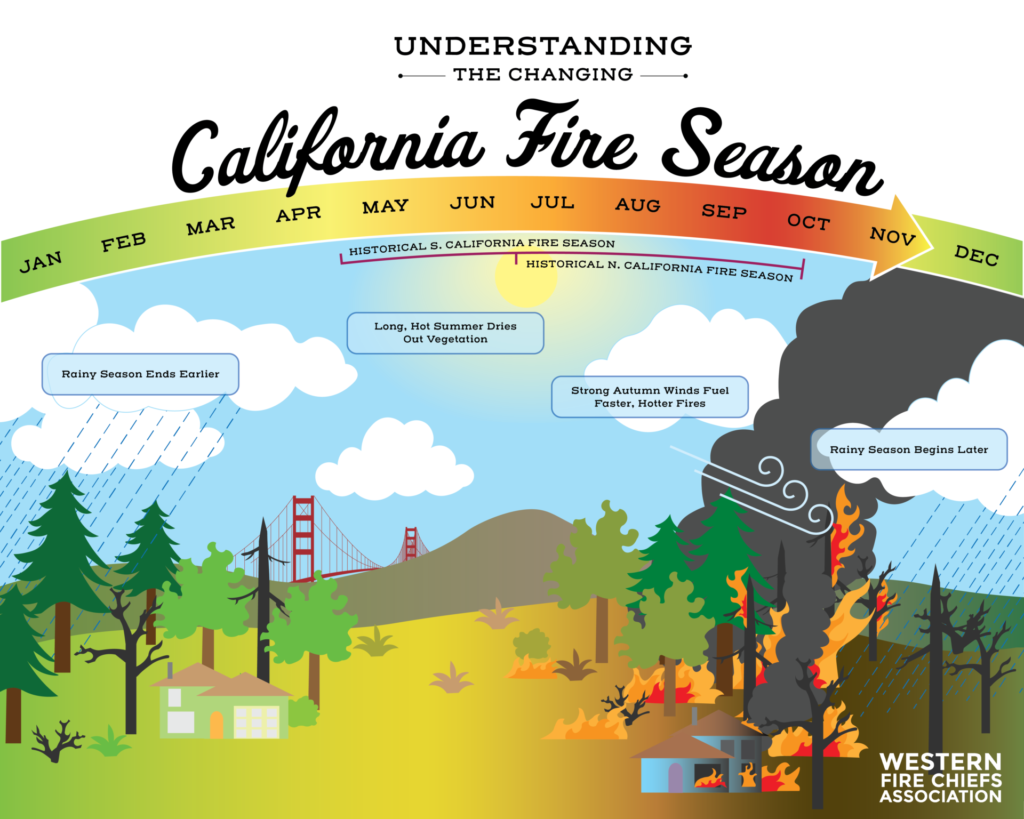
The propensity for wildfires in California is a confluence of natural conditions and evolving human factors. The state’s unique geography and Mediterranean climate create an environment primed for combustion, a reality that has only been intensified by a changing climate and the expansion of the wildland-urban interface.
A Perfect Storm: Climate and Geography
California’s geography is a masterpiece of contrasts, featuring everything from arid deserts to alpine peaks, and dense forests to sprawling chaparral. This varied topography is often subjected to long, hot, and dry summers, frequently preceded by wet winters that promote lush vegetation growth. While this bounty of flora makes for breathtaking natural attractions — drawing countless visitors to places like Yosemite National Park and Sequoia National Park — it also provides an abundant fuel source once the dry season arrives.
Adding to this volatile mix are the infamous Santa Ana and Diablo winds. These powerful, dry winds typically sweep across the state in the fall, fanning nascent flames and turning small brush fires into fast-moving infernos capable of covering vast distances in mere hours. The combination of parched landscapes, high temperatures, and strong winds creates a “perfect storm” scenario where a single spark can ignite catastrophic events. Climate change has exacerbated these conditions, leading to longer and more intense drought periods, higher average temperatures, and an earlier onset of the fire season, pushing the state further into a perpetual cycle of fire risk. This affects everything from the viability of camping trips in state parks to the booking seasons for luxury resorts in regions like Napa Valley.
The Human Element: Unintentional Triggers
While natural causes like lightning strikes do account for some wildfires, a significant majority of fires in California are ignited by human activity. This human element ranges from the seemingly innocuous to the outright negligent, posing challenges for fire prevention and management. Understanding these triggers is essential, particularly for travelers exploring the state’s wilderness areas or staying in accommodations nestled within natural surroundings.
These unintentional ignitions often stem from discarded cigarettes, unattended campfires (even in designated areas if not properly extinguished), sparks from vehicle catalytic converters, grinding or welding operations, and even children playing with fire. The proximity of residential areas, popular tourist routes, and agricultural lands to wildlands significantly increases the likelihood of these human-caused ignitions spreading into larger, uncontrollable blazes. This intersection, known as the wildland-urban interface, is where the risk is highest and the consequences, in terms of destroyed homes and disrupted lives, are most severe. For those seeking long-term accommodation or planning family trips, this proximity to nature can be a double-edged sword, offering beauty but demanding vigilance.
Major Incidents and Their Triggers
Over the past decade, California has experienced some of the most destructive wildfires in its history, each leaving a trail of devastation and offering critical lessons about their origins. Examining these major incidents reveals common threads in how fires start, particularly concerning infrastructure failures and human actions.
Power Line Failures: A Recurring Issue
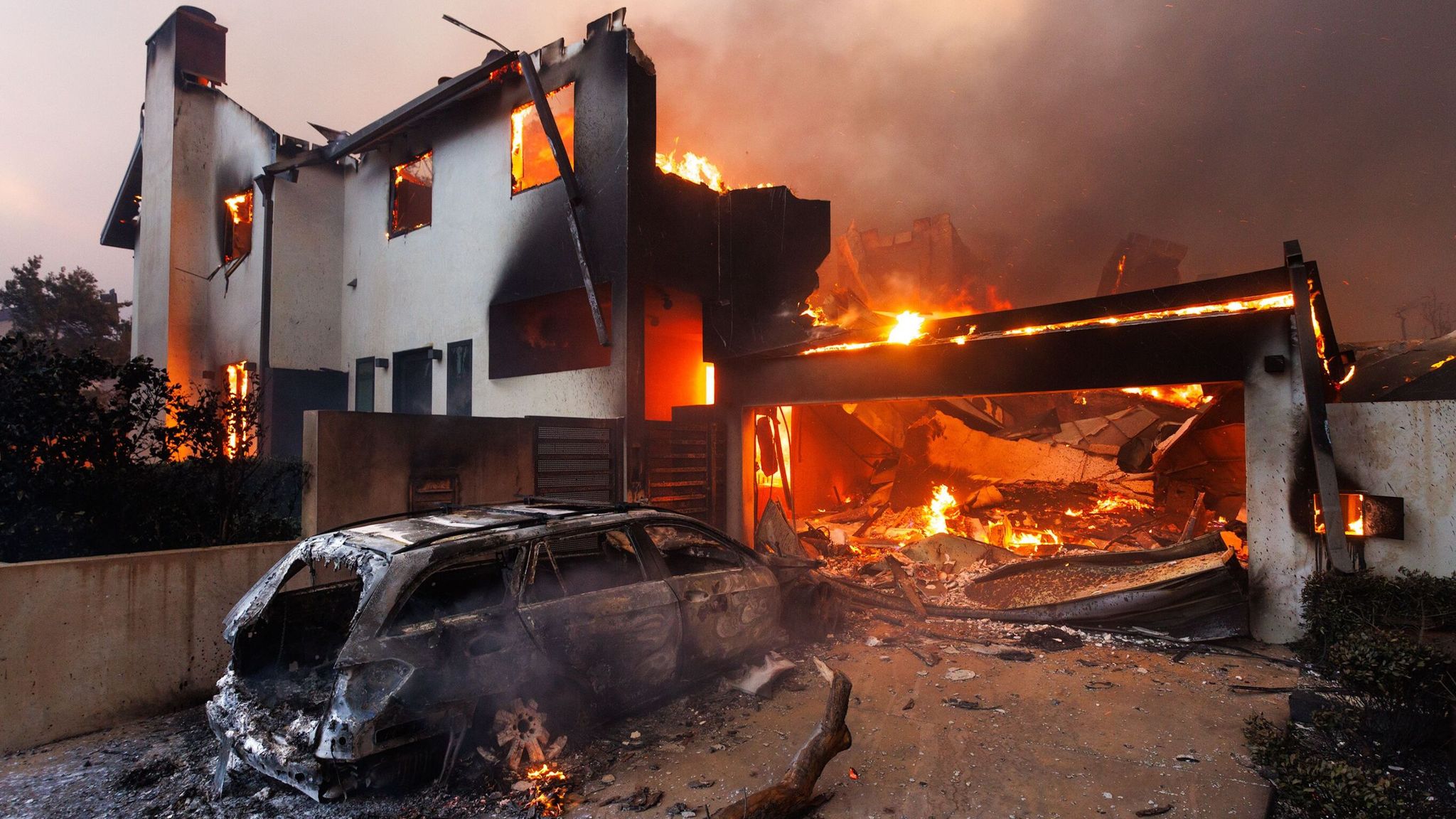
One of the most frequent and devastating causes of large-scale wildfires in California has been faulty or aging electrical infrastructure. Utility lines, especially those managed by companies like Pacific Gas and Electric Company (PG&E), have been implicated in numerous high-profile blazes. Strong winds can cause power lines to sway, break, or come into contact with vegetation, sending sparks into dry tinder below. Equipment failures, such as worn insulation or malfunctioning transformers, also contribute to this risk.
A stark example is the 2018 Camp Fire, which became the deadliest and most destructive wildfire in California’s history. It was ignited by a faulty transmission line belonging to Pacific Gas and Electric Company near the town of Paradise. The ensuing inferno virtually wiped the town off the map, causing immense loss of life and property. Similarly, the 2017 Tubbs Fire in Sonoma County and Napa Valley, which devastated parts of wine country, was also attributed to power lines.
These incidents highlight the critical need for robust infrastructure upgrades, aggressive vegetation management around power lines, and the exploration of undergrounding utility infrastructure to mitigate risks. For travelers, especially those planning visits to rural destinations or staying in charming, secluded villas, understanding the local infrastructure and being aware of public safety power shutoffs during high-wind events is increasingly important. This also affects local businesses, including hotels and tourism operators, who must factor in potential power disruptions into their operational plans.
Accidental Human Ignitions and Arson
Beyond power lines, many significant fires can be traced back to accidental human ignitions or, tragically, intentional acts of arson. The sheer volume of human activity across California’s diverse landscapes means that even seemingly minor oversights can have catastrophic consequences.
The 2017 Thomas Fire, which ravaged Ventura County and Santa Barbara, was linked to sparks from power lines, but many other large fires have originated from more mundane activities. For instance, a vehicle pulling over onto dry grass can ignite a fire from a hot catalytic converter. A poorly maintained lawnmower hitting a rock can create sparks. Construction workers, campers, and even recreational enthusiasts can inadvertently start fires through their activities.
Arson, while less frequent as a percentage of total ignitions, often leads to some of the most challenging and rapidly spreading fires due to their deliberate placement in strategic locations. The motivations for arson vary widely, from mental health issues to criminal intent. Regardless of the intent, human-caused fires underscore the collective responsibility we all share in protecting California’s natural beauty and communities. Whether you’re enjoying a luxury travel experience in Laguna Beach or a budget-friendly family trip in a state park, awareness and adherence to fire safety guidelines are paramount.
The Far-Reaching Impact on Travel and Lifestyle
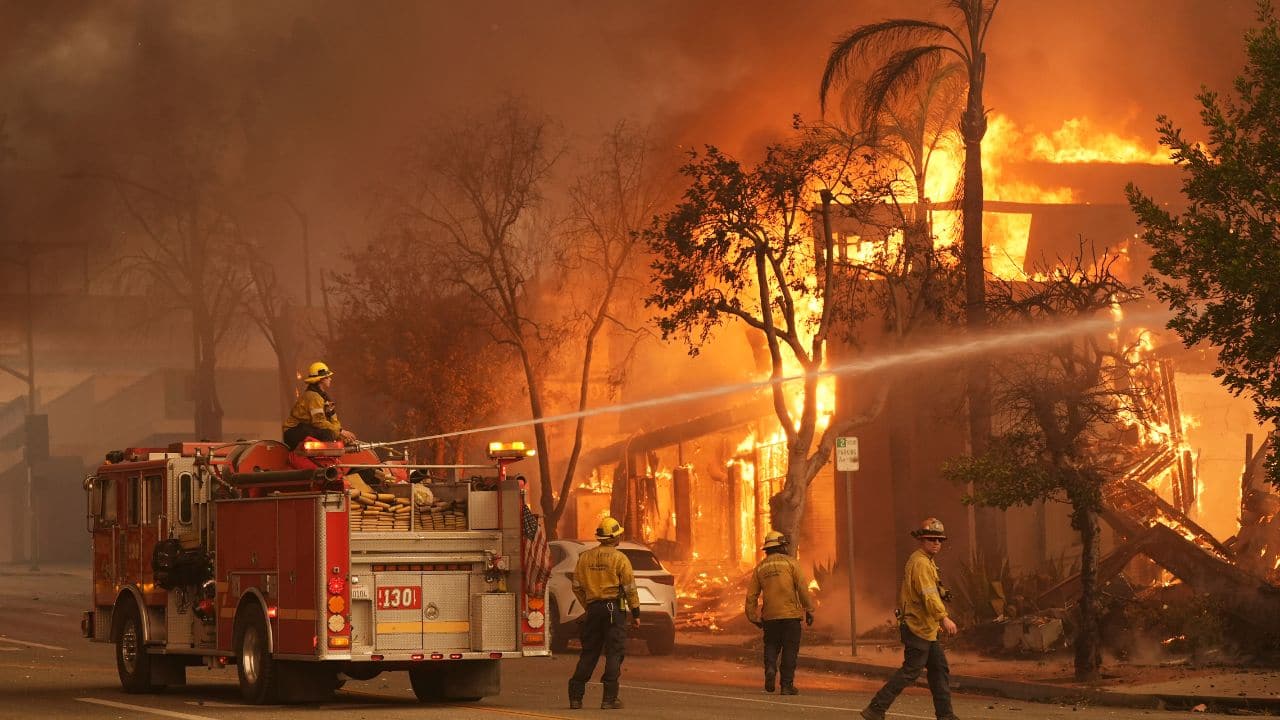
Wildfires in California are not just environmental disasters; they profoundly impact the state’s thriving tourism industry, local economies, and the quality of life for residents and visitors alike. From closed attractions to affected accommodation options, the ripple effects are widespread.
Disruptions to Destinations and Accommodation
When fires ignite, the immediate impact on travel destinations can be severe. Popular areas like Lake Tahoe or Big Sur have seen their access roads closed, hiking trails shuttered, and national parks evacuated. The air quality, even hundreds of miles from the active blaze, can become hazardous, deterring visitors from enjoying outdoor activities in cities like San Francisco or Los Angeles. This leads to widespread cancellations for hotels, resorts, and vacation rentals.
For instance, during the Woolsey Fire in 2018, upscale resorts and boutique hotels in Malibu and surrounding areas had to evacuate guests and often suffered damage or even total destruction. The immediate aftermath sees a significant drop in bookings, affecting not just the establishments themselves but also the entire ecosystem of local businesses, from restaurants to tour operators. Booking platforms often see a surge in cancellation requests, and reviews of unaffected accommodations might still reflect concerns about nearby fires.
The recovery process for destinations can be lengthy and challenging. Rebuilding infrastructure, restoring natural habitats, and reassuring tourists that an area is safe and vibrant again takes time and significant investment. For some landmarks and natural attractions, the damage can be irreparable, forever altering the visitor experience. However, it also presents opportunities for sustainable rebuilding and the introduction of new, resilient accommodation options. Places like the Post Ranch Inn in Big Sur, while thankfully often spared direct fire damage, are acutely aware of the environmental risks and often implement robust fire prevention measures as part of their luxury offering.
Adapting Tourism and Local Economies
The long-term effects of wildfires necessitate adaptation within the tourism sector and local economies. Destinations that rely heavily on outdoor activities, such as wine tasting in Napa Valley or hiking in the Sierra Nevada, must develop strategies to remain appealing despite the threat of fire. This includes promoting off-season travel, emphasizing indoor attractions, or shifting focus to areas less prone to fires.
Local culture and food scenes in affected regions show remarkable resilience. While vineyards might burn, the spirit of winemaking endures, and many wineries reopen, often with tasting rooms that offer insights into their recovery efforts. Local restaurants, boutiques, and art galleries strive to maintain a sense of normalcy, offering vital support to their communities. For tourists, visiting these areas during recovery can be a powerful way to contribute to local economies, embodying a form of responsible tourism.
Moreover, wildfires influence travel insurance decisions and the types of accommodations people seek. There’s a growing trend towards selecting hotels and resorts with advanced fire safety features or choosing destinations with less perceived risk during peak fire season. Lifestyle considerations also come into play; families might adjust their summer vacation plans, and business travelers might face disruptions to their itineraries in major hubs like San Jose or Oakland due to smoke or evacuations.
Moving Forward: Prevention, Recovery, and Resilient Travel
Addressing the question of “how did the fire start in California?” leads inevitably to the vital work of prevention, mitigation, and recovery. The state, along with its communities and businesses, is continually innovating to create a more resilient future.
Innovative Prevention and Mitigation Strategies
California is at the forefront of developing sophisticated strategies to prevent and manage wildfires. This includes significant investment in vegetation management, such as prescribed burns and strategic thinning of forests, which reduces fuel loads and makes landscapes more resistant to uncontrolled blazes. Advanced technologies are also playing a crucial role, with satellite monitoring, AI-powered fire prediction models, and real-time sensor networks providing early warnings and helping firefighters deploy resources more effectively.
Utility companies are undergoing massive overhauls, undergrounding power lines in high-risk areas, implementing enhanced grid hardening, and using high-definition cameras to spot potential ignition sources. Building codes are being updated to require fire-resistant materials and designs, especially for new constructions in the wildland-urban interface. These efforts not only protect communities but also safeguard critical tourism infrastructure, ensuring that iconic hotels like the Four Seasons Resort Biltmore Santa Barbara and the Ritz-Carlton, Laguna Niguel are better prepared. These preventative measures become part of the narrative for responsible development and sustainable travel.
Education and public awareness campaigns are also critical. Teaching residents and visitors about defensible space around homes, safe outdoor practices, and the importance of adhering to fire restrictions are fundamental to reducing human-caused ignitions. These “tips” are vital for anyone planning an experience in California’s beautiful, yet fire-prone, natural settings.
Supporting Recovery Through Responsible Tourism
For areas that have been affected by wildfires, tourism can be a powerful engine for recovery. After the immediate danger passes, supporting local businesses, including hotels, restaurants, and attractions, helps communities rebuild their economies and morale. Choosing to visit regions like Sonoma County or the Sierra Nevada after a fire, when they are open and safe to do so, demonstrates solidarity and provides much-needed revenue.
Responsible tourism in this context means:
- Checking local conditions: Before traveling, consult official tourism boards and fire agency websites for current information on closures, air quality, and safety advisories.
- Supporting local businesses: Spend your money at locally-owned shops, restaurants, and accommodations to directly aid the community’s economic recovery.
- Respecting the environment: Adhere strictly to all fire restrictions, avoid littering, and stay on marked trails to minimize your impact.
- Being flexible: Understand that some attractions or services might be limited as areas rebuild.
- Considering off-season travel: Visiting during quieter months can help spread tourist income throughout the year and reduce pressure during peak times.
By understanding how fires start in California and supporting the ongoing efforts in prevention and recovery, travelers can continue to enjoy the unparalleled beauty and diverse experiences the state offers, contributing to a more resilient and sustainable future for this extraordinary destination. Whether planning a luxury escape, a business trip to San Diego, or a family adventure to Disneyland Park, informed and responsible choices are key to appreciating and preserving all that California has to offer.
LifeOutOfTheBox is a participant in the Amazon Services LLC Associates Program, an affiliate advertising program designed to provide a means for sites to earn advertising fees by advertising and linking to Amazon.com. Amazon, the Amazon logo, AmazonSupply, and the AmazonSupply logo are trademarks of Amazon.com, Inc. or its affiliates. As an Amazon Associate we earn affiliate commissions from qualifying purchases.