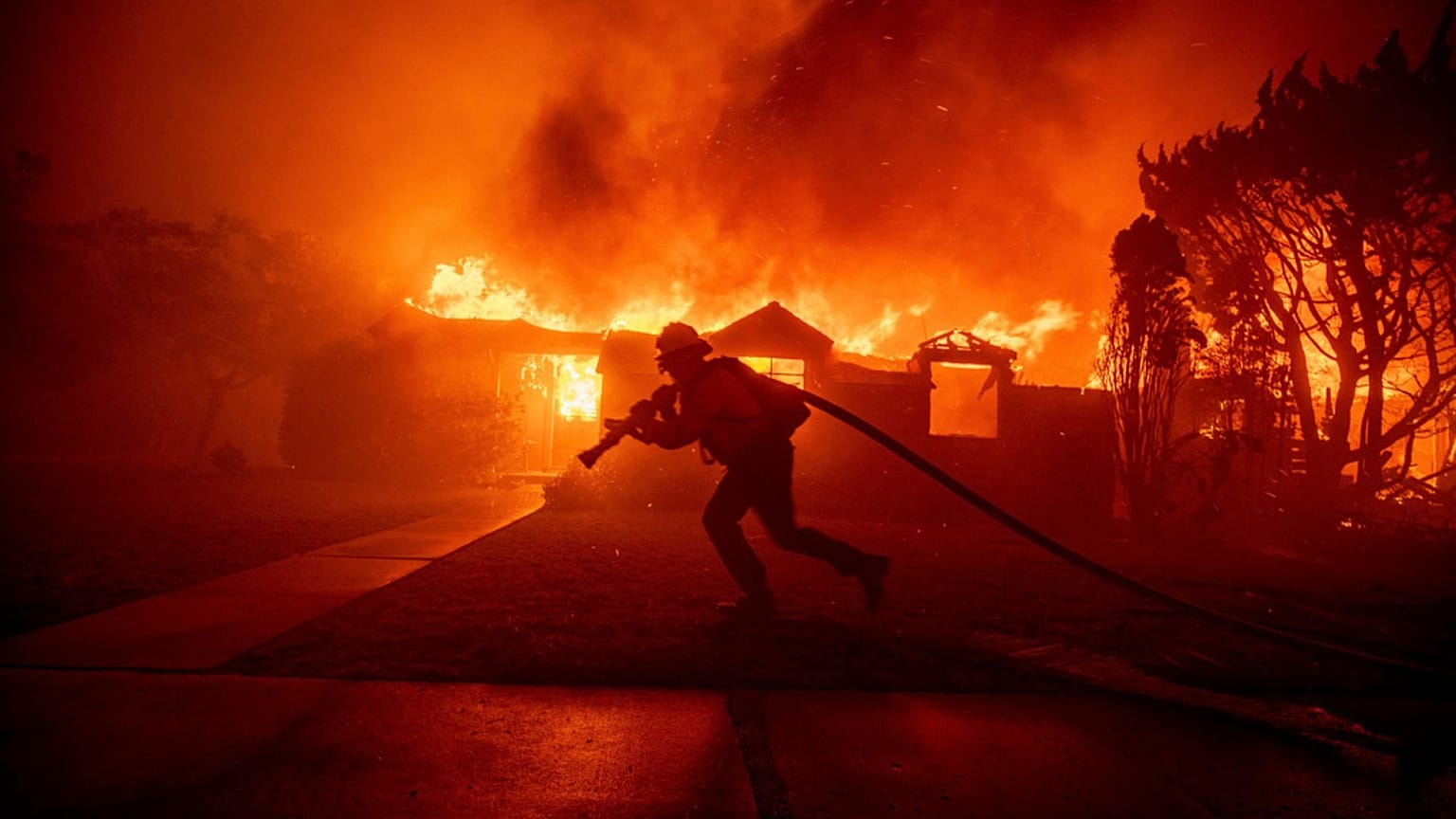
The allure of Los Angeles, California, is undeniable. From the sun-kissed beaches of Santa Monica to the star-studded streets of Hollywood and the serene hiking trails of the Angeles National Forest, this vibrant metropolis offers an unparalleled tapestry of experiences for travelers and residents alike. It’s a city synonymous with dreams, innovation, and an enviable lifestyle. Yet, beneath this glamorous facade lies a persistent and formidable challenge: wildfires. Each year, as temperatures soar and vegetation dries, the threat looms large, capable of transforming idyllic landscapes into infernos in a matter of hours.
For those planning to explore Southern California’s breathtaking natural beauty or simply seeking a relaxing getaway, understanding the dynamics of these fires is crucial. Beyond the dramatic images seen on news channels, there’s a complex interplay of natural conditions and human factors that ignite these blazes. This article delves into the origins of Los Angeles wildfires, exploring the primary catalysts, their far-reaching impact on travel, tourism, and the local lifestyle, and the ongoing efforts to prevent and mitigate future catastrophes. It’s a journey into the heart of a phenomenon that deeply shapes the character and resilience of one of the world’s most captivating destinations.
The Unseen Spark: Tracing the Origins of Los Angeles Wildfires
Wildfires in Los Angeles and the broader Southern California region are not mere accidents; they are often the result of a perilous combination of geographical vulnerabilities, climatic conditions, and, frequently, human interaction. While the immediate cause of any single fire can vary dramatically, a closer look reveals recurring patterns and underlying factors that set the stage for these destructive events. Understanding these origins is the first step toward effective prevention and safeguarding the region’s unique appeal.
Natural Catalysts: The Role of Santa Ana Winds and Drought
Perhaps the most iconic, and indeed infamous, natural contributor to Southern California wildfires is the presence of the Santa Ana Winds. These fierce, hot, and dry winds originate from inland deserts, sweeping across mountain ranges like the Sierra Nevada Mountains and descending into coastal valleys and canyons. As they blow, they pick up speed and heat, rapidly drying out vegetation that is already parched from prolonged periods of drought. The combination of extremely low humidity, high temperatures, and powerful gusts creates a perfect storm for rapid fire spread, turning even a small spark into an uncontrollable blaze within minutes. These winds are not just a local phenomenon; they are a defining meteorological feature that dictates the rhythm of the fire season, primarily from late summer through early winter.
The geological makeup of the Los Angeles basin also plays a significant role. The city and its surrounding areas are characterized by steep canyons, rugged hillsides, and dense chaparral — a type of shrubland vegetation perfectly adapted to dry conditions but highly flammable. When the Santa Ana Winds whip through areas like the Hollywood Hills, the canyons of Malibu, or the expansive stretches of the Angeles National Forest, these dry brushlands become a massive tinderbox. Years of reduced rainfall, a growing concern with climate change, exacerbate these conditions, leaving less moisture in the ground and in the plants, making them more susceptible to ignition and faster burning. This delicate ecological balance, when tipped by drought, becomes incredibly volatile, posing a continuous threat to both natural landmarks and residential areas.

Human Footprint: Accidental Ignitions and Negligence
While nature sets the stage, human activity is overwhelmingly the primary ignition source for most Los Angeles wildfires. A single act of carelessness or a momentary malfunction can unleash devastating consequences. One of the most common causes involves faulty power lines and electrical equipment. High winds, especially the Santa Ana Winds, can cause power lines to arc, snap, or come into contact with dry vegetation, sending sparks flying and igniting fires. Utility companies in California have faced intense scrutiny and taken significant steps, including preemptive power shutoffs during high-risk weather, to mitigate this particular threat.
Beyond infrastructure failures, a wide range of human actions, often unintentional, contribute to fire starts. Discarded cigarettes, unattended campfires in national forests or parks, sparks from vehicles (such as hot catalytic converters igniting roadside brush), construction equipment producing sparks, or even poorly managed backyard burns can all lead to catastrophic fires. Sadly, arson is also a factor in some incidents, adding a layer of deliberate malice to the already complex challenge. The sheer density of population in and around urban-wildland interfaces – areas where developed land meets undeveloped wildland – dramatically increases the probability of human-caused ignitions. Residents of Ventura County, Orange County, and Los Angeles proper are constantly reminded of the need for vigilance, especially during peak fire season, to prevent inadvertently sparking the next major blaze.
Beyond the Flames: The Far-Reaching Impact on Travel and Lifestyle
The immediate destruction caused by wildfires is visible and tragic – homes lost, landscapes scorched, lives disrupted. However, the ripple effects extend far beyond the immediate burn scar, profoundly influencing the tourism industry, local economies, and the day-to-day lifestyle that defines Los Angeles. For a region so reliant on its image as a sunny, vibrant destination, wildfires present a unique challenge to its enduring appeal.
Disrupted Journeys and Damaged Destinations
When wildfires rage, the travel and tourism sectors are among the first to feel the brunt. Tourists planning luxury trips to Beverly Hills or family vacations to the Disneyland Resort in nearby Anaheim often face disrupted plans. Flight cancellations at Los Angeles International Airport (LAX) become common due to smoke reducing visibility or as a direct consequence of emergency operations. Road closures, particularly scenic routes through areas like Malibu or along the Pacific Coast Highway, mean access to popular coastal towns and attractions is cut off, impacting everything from boutique hotels in Laguna Beach to serene resorts nestled in canyon retreats.
National and state parks, such as Point Mugu State Park or portions of the Angeles National Forest, which are cherished landmarks and popular destinations for hiking, camping, and nature photography, are frequently closed for public safety. These closures, sometimes lasting for weeks or months, not only deprive visitors of unique experiences but also impact the local businesses that rely on their patronage, from small cafes to specialized tour operators. Even distant areas can be affected by poor air quality, deterring outdoor activities and impacting the visitor experience at attractions like the Griffith Observatory or Universal Studios Hollywood. The perception of safety, or lack thereof, can lead to a dip in bookings for hotels, resorts, and various accommodation options across the region, creating economic strain long after the flames are extinguished.
A Community United: Resilience and Recovery
Despite the devastation, Los Angeles communities consistently demonstrate remarkable resilience. In the aftermath of a major fire, local residents, emergency services, and charitable organizations come together in inspiring displays of solidarity. The Los Angeles Fire Department, alongside state agencies like CAL FIRE and countless volunteers, work tirelessly to battle the blazes and support those affected. This spirit of unity is a testament to the strength of the California ethos, showcasing a resolve to rebuild and recover.
For travelers, supporting these communities during their recovery can be a meaningful way to engage with local culture and contribute to responsible tourism. This might involve choosing to stay at local hotels, dining at restaurants that were impacted, or purchasing from small businesses that are rebuilding. Many destinations, such as those in Pasadena or Palm Springs, which might experience indirect effects like smoke haze rather than direct fire damage, continue to thrive and welcome visitors, playing a crucial role in maintaining the region’s economic buoyancy. The story of Los Angeles after a wildfire is not just one of loss, but also of incredible fortitude, demonstrating how a community, even in adversity, maintains its vibrant lifestyle and unique appeal.
Prevention and Preparedness: Safeguarding Southern California’s Beauty
Living and traveling in Southern California means acknowledging the ever-present threat of wildfires. However, this awareness also fuels a proactive approach to prevention and preparedness, an ongoing commitment from individuals, communities, and governmental agencies to protect both lives and the stunning natural and urban landscapes that make the region so special. This collective effort is vital for ensuring that Los Angeles remains a premier destination for years to come.
Mitigating Risks: From Homeowners to Public Policy
At the individual level, homeowners in fire-prone areas are educated and often legally required to create “defensible space” around their properties. This involves clearing dry brush, maintaining vegetation, and selecting fire-resistant landscaping within a specified perimeter. These measures dramatically reduce the chances of a home catching fire and provide firefighters with safer access to protect structures. Communities also organize brush clearance programs and encourage residents to harden their homes with fire-resistant materials for roofs and siding.
On a larger scale, utility companies have invested billions in upgrading infrastructure, including undergrounding power lines, installing stronger poles, and using advanced technologies to monitor equipment and quickly detect faults. CAL FIRE and other governmental agencies implement controlled burns to strategically reduce fuel loads in wildland areas, a practice known as prescribed fire. This helps to prevent larger, more destructive infernos by removing excessive dry vegetation under controlled conditions. Furthermore, state and local governments continually refine emergency evacuation plans, early warning systems, and public education campaigns to ensure residents are prepared and informed when wildfires strike. These policies and preventative actions are critical for preserving not only residential areas but also the natural landmarks and unique ecosystems that attract visitors from around the globe, from the chaparral hills to the coastal bluffs.
Responsible Tourism in Fire-Prone Regions
For travelers, being a responsible visitor in California’s fire-prone regions means staying informed and exercising caution. Before embarking on a trip to areas like the Angeles National Forest or planning a camping trip near Joshua Tree National Park, it’s essential to check current fire conditions, weather forecasts from the National Weather Service, and any local fire restrictions or bans. Websites for national and state parks, as well as local tourism boards, provide up-to-date information on closures and safety guidelines.
Adhering to simple rules can make a significant difference:
- Never discard cigarettes from a vehicle or anywhere outside designated receptacles.
- Be extremely careful with campfires, using designated fire rings, keeping them small, and ensuring they are completely extinguished before leaving. Better yet, opt for a portable stove.
- Avoid parking hot vehicles on dry grass, as the exhaust system can easily ignite it.
- Report any suspicious smoke or fire immediately to emergency services.
- Stay aware of your surroundings and have an evacuation plan if you are in a wildland-urban interface area.

By practicing mindful tourism, visitors can not only ensure their own safety but also contribute to the broader efforts to protect Southern California’s natural beauty and the communities that call it home. Whether enjoying the vibrant city life of Los Angeles, exploring the rugged coastline of Big Sur, or marveling at the vastness of Death Valley National Park, understanding and respecting the local environment is paramount.
The story of Los Angeles and its wildfires is one of constant vigilance, adaptation, and unwavering spirit. While the origins of these fires are complex, rooted in both the powerful forces of nature and the intricate web of human activity, the response is equally robust. From the tireless efforts of firefighters to the proactive measures of utility companies and the responsible choices of residents and tourists, a collective commitment exists to protect this iconic California gem. Understanding “how did the Los Angeles wildfire start?” reveals not just a tragedy, but an ongoing narrative of resilience, innovation, and community, ensuring that the allure of the City of Angels endures for generations to come. This enduring spirit makes Los Angeles a destination that, despite its challenges, remains captivating and inspiring, beckoning travelers to experience its unique blend of urban sophistication and wild natural beauty.