
The story of how the United States acquired Hawaii is a complex and often debated narrative, deeply intertwined with notions of manifest destiny, economic ambition, and geopolitical strategy. It’s a journey that transformed a sovereign Polynesian kingdom into a U.S. territory and eventually, its 50th state, profoundly altering the islands’ cultural, social, and political landscape forever. Far from a simple transaction, the annexation of Hawaii was the culmination of decades of increasing foreign influence, internal political struggles, and a controversial overthrow of a beloved monarchy. Understanding this pivotal period is not only crucial for history buffs but also offers a richer appreciation for the unique heritage and vibrant culture that beckons millions of travelers to these idyllic islands today.
A Sovereign Nation: The Kingdom of Hawaii
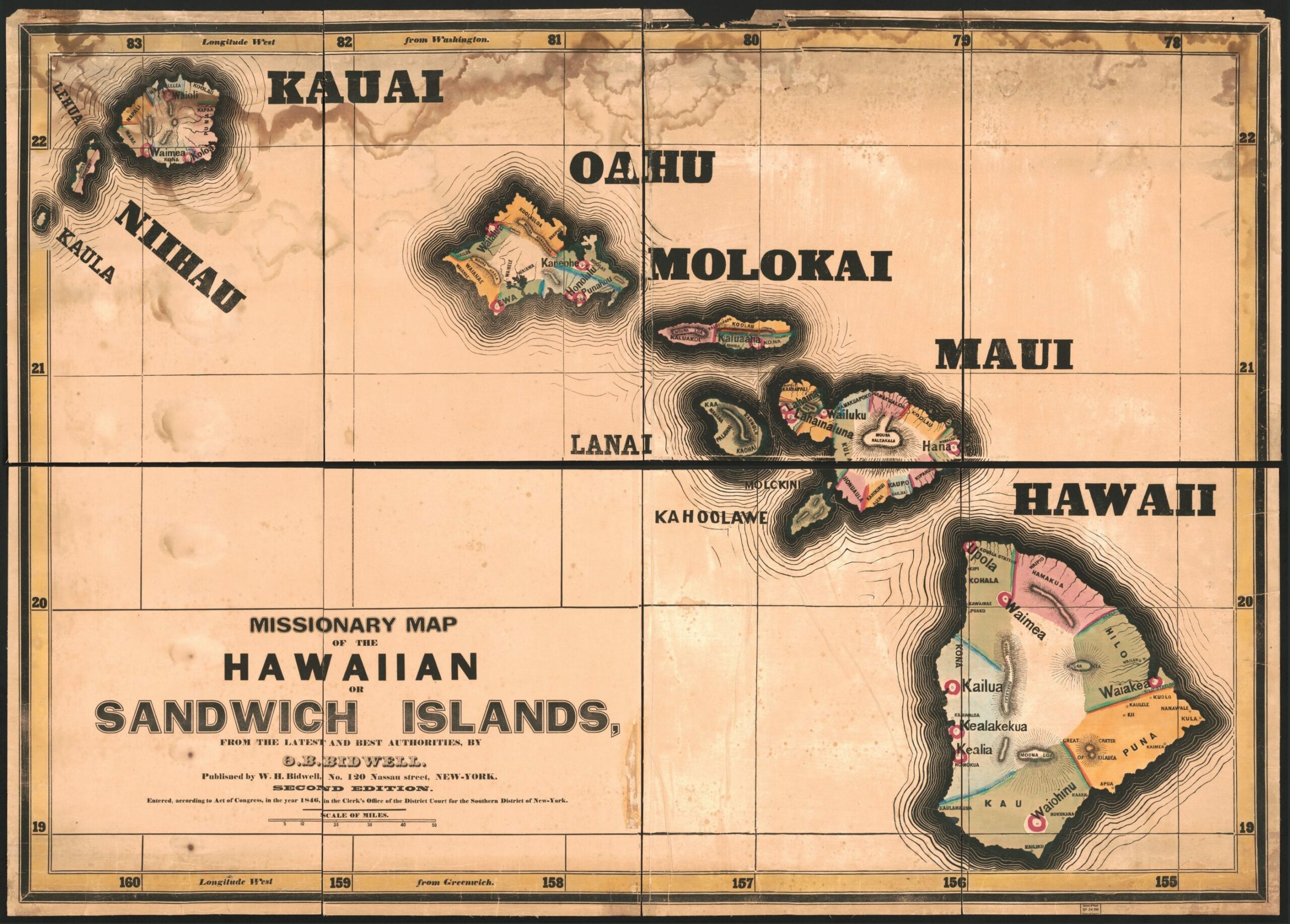
Long before it became a coveted prize for global powers, Hawaii was a thriving, independent kingdom. The islands, originally settled by resourceful Polynesian voyagers, developed a sophisticated social structure, rich spiritual beliefs, and a deep connection to the land and sea. For centuries, various chieftaincies governed the individual islands, often engaging in both conflict and cooperation, until a formidable leader emerged to unite them.
Early Contact and Foreign Influence
The first recorded contact with the Western world occurred in 1778 when British explorer Captain James Cook stumbled upon the archipelago during his third Pacific voyage. His arrival marked a turning point, ushering in an era of increasing interaction with Europeans and Americans. While initial exchanges were often peaceful, introducing new goods and ideas, they also brought devastating diseases against which the native Hawaiian population had no immunity, leading to a dramatic decline in their numbers.
Amidst these changes, one visionary leader, King Kamehameha I, meticulously unified the islands under a single rule by 1810. His strategic prowess and diplomatic skill established the Hawaiian Kingdom, a sovereign nation recognized by major world powers like Great Britain, France, and the United States. This period saw the development of a written language, the establishment of schools, and the adoption of a constitutional monarchy, demonstrating the kingdom’s remarkable adaptability and desire to engage with the wider world on its own terms. The capital, initially in Lahaina, Maui, eventually moved to Honolulu on Oahu, which quickly grew into a bustling port city.
The Rise of American Economic Interests
The 19th century witnessed a significant influx of American missionaries, merchants, and whalers to the Hawaiian Islands. While missionaries sought to spread Christianity, introducing new moral codes and societal structures, merchants and whalers were drawn by the islands’ strategic location in the Pacific. Hawaii became a crucial stop for provisioning ships, a nexus for trade, and a fertile ground for agricultural development.
It was the burgeoning sugar industry, however, that truly cemented American economic influence. American entrepreneurs, seeing the potential of Hawaii’s rich volcanic soil and favorable climate, established vast sugar plantations. These ventures required significant capital investment, much of which came from American sources, and often relied on contract labor from China, Japan, Portugal, and the Philippines, creating a diverse yet complex social fabric. Figures like Sanford B. Dole, whose family became prominent in the sugar and pineapple industries, embodied the growing American presence. The Reciprocity Treaty of 1875 between the United States and Hawaii further deepened these ties, granting Hawaiian sugar duty-free access to the American market in exchange for special economic and political privileges for the U.S., including access to Pearl Harbor as a naval coaling station. This treaty made the Hawaiian economy virtually dependent on the United States, transforming the kingdom into an attractive target for annexationists.
The Overthrow of the Monarchy
The increasing economic and political leverage wielded by American businessmen and landowners created an untenable situation for the Hawaiian monarchy. They found themselves caught between their duty to their people and the relentless pressure from a powerful, non-native elite with their own agenda.
The Bayonet Constitution and Growing Tensions
The tensions escalated dramatically with the imposition of the Bayonet Constitution in 1887. This document, forced upon King Kalākaua by a group of armed, non-native businessmen and militia members known as the Hawaiian League, severely curtailed the monarch’s power and stripped most native Hawaiians of their voting rights. It effectively transferred control of the kingdom’s governance to the wealthy, predominantly American, landowning elite. This blatant act of coercion ignited widespread resentment among the Hawaiian people, who saw it as an illegitimate imposition and a profound insult to their sovereignty. The constitution was a clear precursor to the eventual overthrow, establishing a precedent of foreign manipulation in internal Hawaiian affairs. It created an environment where the monarchy existed largely in name, with real power resting in the hands of those who sought to align Hawaii’s destiny with that of the United States.
The Coup d’état and Queen Liliʻuokalani
Upon the death of King Kalākaua in 1891, his sister, Queen Liliʻuokalani, ascended to the throne. A highly intelligent and deeply patriotic ruler, she immediately understood the perilous state of her kingdom. Her primary goal was to restore power to the monarchy and to the native Hawaiian people by promulgating a new constitution that would revoke the humiliating Bayonet Constitution. Her efforts, however, were met with fierce resistance from the Committee of Safety, a group of powerful American and European businessmen and annexationists who saw her actions as a direct threat to their interests and their ultimate goal of U.S. annexation.
On January 17, 1893, with the implicit backing of United States Minister John L. Stevens and the landing of U.S. Marines from the USS Boston, the Committee of Safety launched a bloodless coup d’état. Fearing bloodshed for her people, Queen Liliʻuokalani reluctantly yielded her authority under protest, appealing to the United States government for redress. She famously wrote, “I, Liliʻuokalani, by the grace of God and under the Constitution of the Hawaiian Kingdom, Queen, do hereby solemnly protest against any and all acts done against myself and the constitutional government of the Hawaiian Kingdom by certain persons claiming to have established a provisional government.” The Iolani Palace, the official residence of the Hawaiian monarchs and a significant landmark in Honolulu, became the symbolic center of this tragic event, witnessing the end of a proud lineage of Hawaiian rulers.
The Path to Annexation
Following the overthrow, the annexationists swiftly moved to establish a new political order, albeit one that lacked the legitimate consent of the majority of the Hawaiian population. The path to annexation was not straightforward, encountering significant opposition both within Hawaii and in the United States.
The Republic of Hawaii and Political Maneuvering
Immediately after the coup, the Committee of Safety established a Provisional Government, initially intending to secure immediate annexation to the United States. However, the newly elected U.S. President Grover Cleveland was deeply troubled by the circumstances of the overthrow. He launched an investigation, led by former Congressman James H. Blount, whose findings condemned the actions of Minister John L. Stevens and the role of U.S. forces in the coup. President Cleveland even proposed restoring Queen Liliʻuokalani to her throne, a move that was vehemently rejected by the Provisional Government.
Undeterred by U.S. opposition to immediate annexation, the Provisional Government declared the establishment of the Republic of Hawaii in 1894, with Sanford B. Dole as its first and only president. This republic, though recognized by some international powers, was largely a vehicle for the annexationist minority to maintain control and bide their time until a more favorable political climate emerged in Washington D.C.. The majority of native Hawaiians, who constituted the largest ethnic group, steadfastly opposed annexation and actively campaigned against it through petitions and advocacy groups. Their voices, however, were systematically marginalized by the ruling elite.
Strategic Importance and Manifest Destiny
The turning point for annexation came with the outbreak of the Spanish-American War in 1898. The conflict highlighted Hawaii’s immense strategic value as a coaling station and naval base in the Pacific, essential for projecting American power and facilitating troop movements to the Philippines. The war served as a powerful catalyst for annexationists in the United States Congress, who now argued that acquiring Hawaii was a military necessity and a natural extension of American manifest destiny.
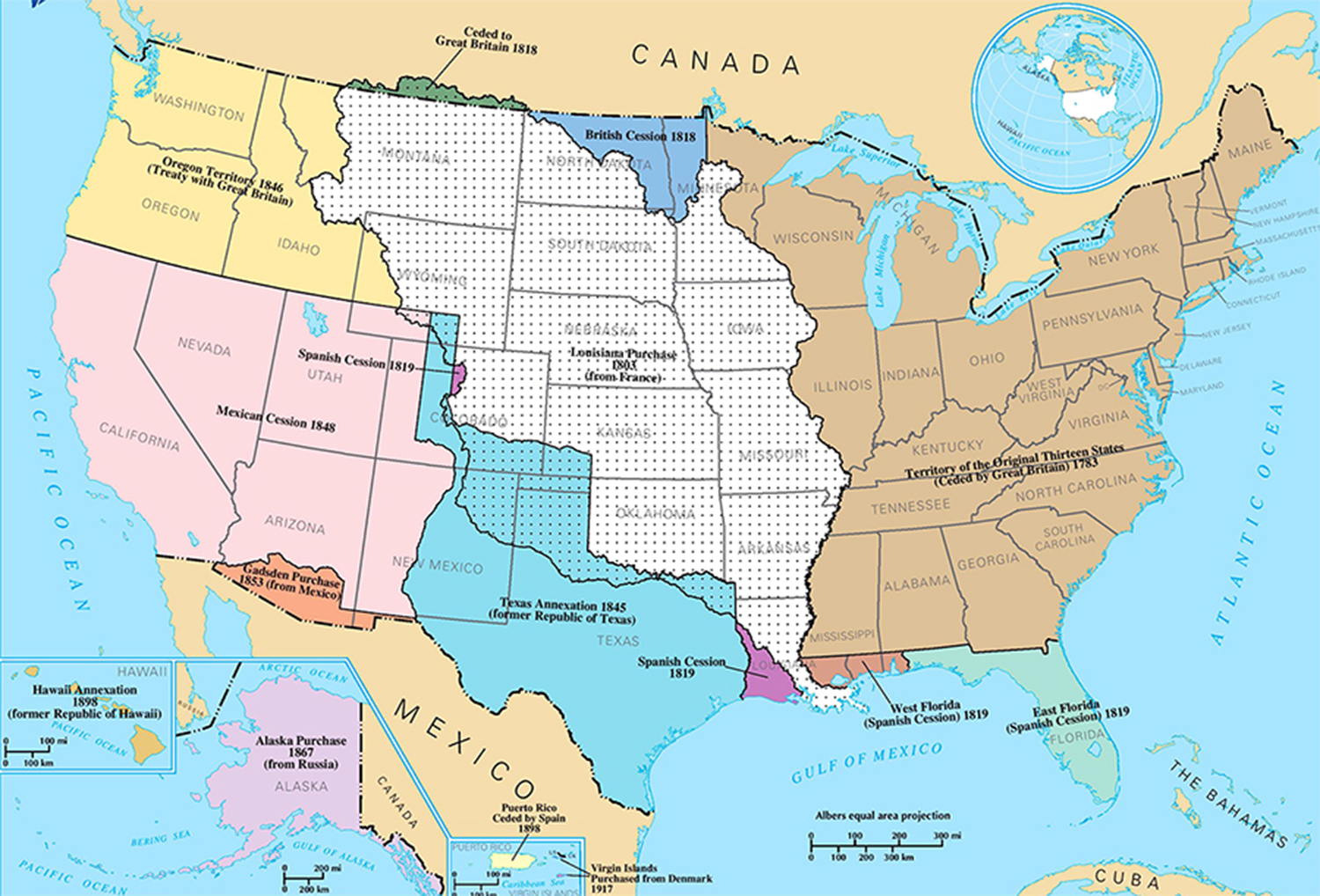
Despite strong anti-annexation sentiment from native Hawaiians and some U.S. lawmakers who questioned the morality and legality of the overthrow, the political momentum was overwhelming. Rather than pursuing a treaty, which required a two-thirds majority in the Senate and likely would have failed, proponents opted for a joint resolution of Congress. On July 7, 1898, President William McKinley signed the Newlands Resolution, formally annexing the Republic of Hawaii to the United States. This act, while framed as a strategic necessity, was a direct contradiction to the wishes of the deposed queen and the majority of her people, marking a controversial chapter in American expansionism. The formal transfer of sovereignty took place on August 12, 1898, at the Iolani Palace, where the Hawaiian flag was lowered and the American flag raised, symbolizing the end of an independent kingdom.
Hawaii’s Enduring Legacy: From Territory to Statehood and a Global Travel Destination
Following annexation, Hawaii became a U.S. territory, retaining this status for over six decades. During this period, the islands underwent significant economic and social development, further integrating into the American fabric. The strategic importance of Pearl Harbor was tragically underscored during World War II, a pivotal event that ultimately accelerated the push for statehood. On August 21, 1959, Hawaii officially became the 50th state of the United States, marking the culmination of a long and often contentious journey.
Today, while the historical wounds of the overthrow and annexation still resonate, particularly among native Hawaiians, Hawaii thrives as a vibrant and diverse state, a unique blend of Polynesian heritage and American influence. The islands are celebrated globally not only for their stunning natural beauty but also for their rich cultural tapestry, which continues to draw visitors from every corner of the world.
The Modern Aloha Spirit: Travel and Tourism
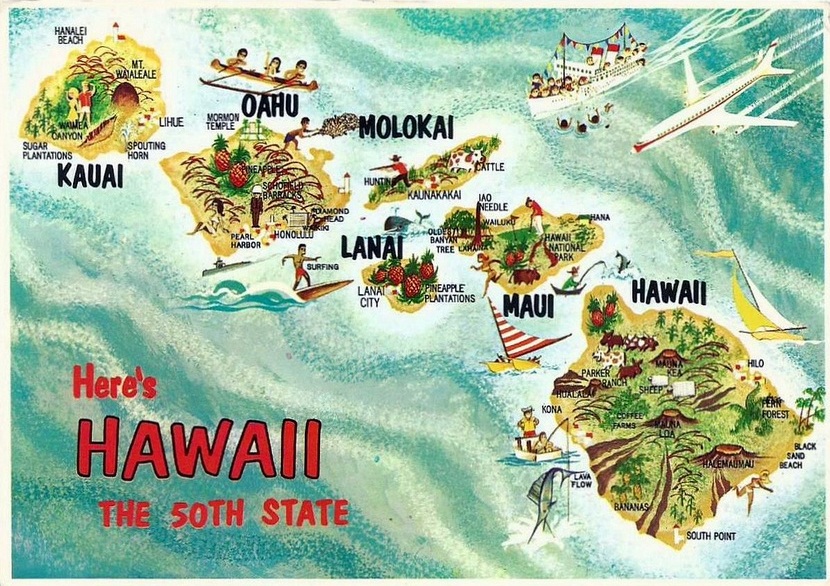
For the modern traveler, Hawaii is synonymous with paradise. The islands offer an unparalleled array of experiences, from the iconic shores of Waikiki Beach on Oahu, with its bustling hotels and surf culture, to the serene, verdant valleys of Kauai, often called the “Garden Isle.” Visitors can explore the volcanic landscapes of the Big Island, witness breathtaking sunrises from Haleakala on Maui, or delve into the historical significance of Pearl Harbor.
Tourism is now the cornerstone of Hawaii’s economy, supporting a vast ecosystem of accommodations ranging from luxury resorts and boutique hotels to charming villas and apartments. Destinations like Honolulu offer world-class shopping, dining, and vibrant nightlife, while other islands provide opportunities for more secluded, nature-focused experiences. Attractions like the Polynesian Cultural Center on Oahu allow visitors to immerse themselves in the diverse cultures of the Pacific, including traditional Hawaiian practices, hula, and storytelling. Landmark sites such as Diamond Head and the Iolani Palace provide tangible connections to both the geological forces that shaped the islands and the human history that unfolded upon them.
Understanding the historical context of Hawaii’s acquisition by the United States adds a profound layer of depth to any visit. It allows travelers to appreciate the resilience of the Hawaiian people, the enduring power of the aloha spirit, and the complex journey that shaped these islands into the captivating destination they are today. Whether seeking adventure, relaxation, or cultural enrichment, Hawaii continues to offer an unforgettable experience, inviting visitors to respect its past while celebrating its vibrant present and future.