
Embarking on a cross-country road trip is an quintessential American adventure, offering a unique perspective on the nation’s diverse landscapes and vibrant culture. Among the myriad routes, the journey from Philadelphia, the “City of Brotherly Love,” to Minneapolis, the “City of Lakes,” stands out as a significant undertaking. At approximately 1,100 to 1,200 miles, depending on your chosen path, this drive is more than just a commute; it’s an opportunity to create lasting memories, explore hidden gems, and truly experience the heartland of America.
While the sheer distance might seem daunting, the difficulty of driving from Philadelphia to Minneapolis is largely contingent on preparation, pacing, and personal preferences. It’s a journey that demands attention and planning, but with the right mindset and a well-researched itinerary, it is entirely manageable and incredibly rewarding. This article will delve into the practicalities of this epic drive, offering insights into routes, essential preparations, recommended stops, and accommodation options to ensure your trip is not just smooth, but truly unforgettable.
Navigating the Epic Journey: Route & Distance
The first step in demystifying any long-distance drive is understanding the logistics: how far you’re going and what roads will take you there. The journey from Philadelphia to Minneapolis spans several states and offers a taste of diverse geographical regions, from the industrial corridors of the Midwest to the rolling farmlands that characterize much of the route.
Understanding the Core Route
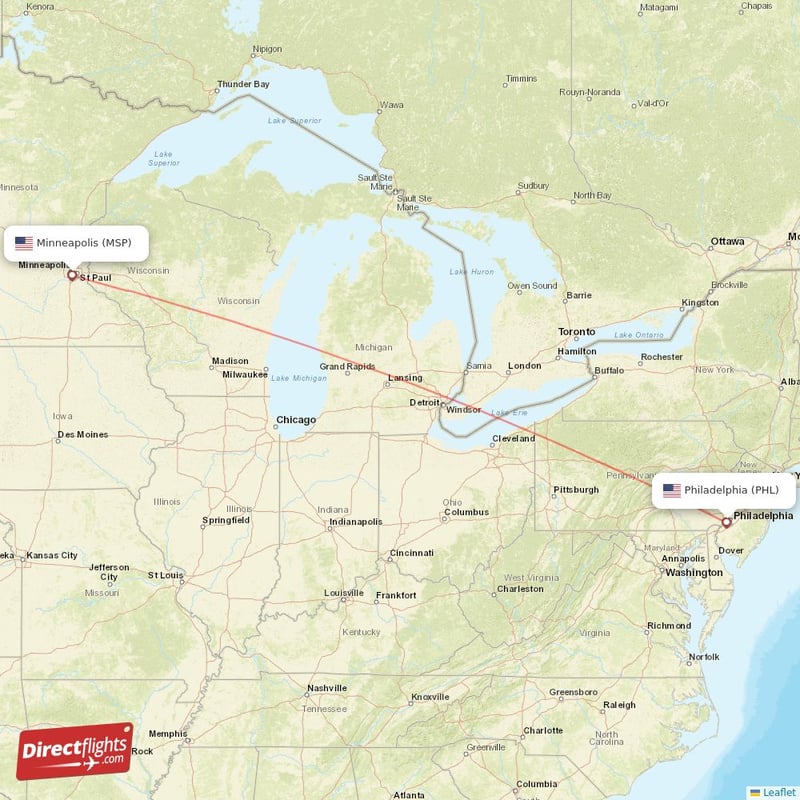
The most direct and commonly utilized route from Philadelphia to Minneapolis generally involves a combination of major U.S. Interstates. Starting from Philadelphia, you’ll typically head west on Interstate 76 or Interstate 80 through Pennsylvania. Interstate 80 is often the preferred choice for its directness across the state.
As you continue westward, Interstate 80 will carry you through Ohio and Indiana. This stretch is characterized by generally flat, well-maintained roads, though traffic can be dense, particularly around major metropolitan areas like Cleveland and Toledo.
Upon reaching Illinois, you’ll face the challenge and excitement of navigating around or through Chicago. Many travelers opt to take Interstate 90 West, often merging with Interstate 39 North before connecting to Interstate 94 West. Interstate 94 then becomes your primary highway, guiding you through Wisconsin and finally into Minnesota, leading directly into Minneapolis and its sister city, St. Paul.
The total driving time for this route, without significant stops for sightseeing or extended meals, hovers around 18 to 20 hours. This is a crucial number to consider, as it forms the basis for planning your overnight stays. Be mindful of potential tolls, particularly on the Pennsylvania Turnpike and parts of Ohio and Indiana, which can add to your trip’s cost. It’s advisable to have an E-ZPass or sufficient cash/card options ready.
Recommended Itineraries and Pacing
Given the substantial driving time, attempting to complete the Philadelphia to Minneapolis journey in a single day is not recommended for safety or enjoyment. Most travelers opt for a two-day itinerary, breaking the drive into two manageable segments.
-
Two-Day Drive: This is the most common approach. An ideal halfway point for an overnight stay would be somewhere in Ohio or Indiana. Cities like Toledo, Cleveland, or even smaller towns along Interstate 80 or Interstate 90 offer ample accommodation and dining options. Driving approximately 9-10 hours each day makes for a strenuous but achievable schedule. This allows you to arrive in Minneapolis refreshed and ready to explore.
-
Three-Day Scenic Route: For those who prefer a more relaxed pace and wish to incorporate sightseeing into their journey, a three-day itinerary is highly recommended. This approach transforms the drive from a challenging trek into a leisurely road trip. Breaking the journey into segments of 6-7 hours of driving per day opens up opportunities to delve deeper into the culture and attractions of the states you pass through. You could plan your first overnight stop in Cleveland or Erie, Pennsylvania, allowing time to visit a landmark. The second night could be spent near Chicago (perhaps in a suburb to avoid city traffic and cost) or even further west in Wisconsin in a city like Madison or Milwaukee, offering a chance to experience the Midwest’s charm. This extended timeline significantly reduces the “difficulty” of the drive by minimizing driver fatigue and maximizing enjoyment.
Preparation is Key: Ensuring a Smooth Ride
The success and ease of any long road trip heavily depend on thorough preparation. For a journey of this magnitude, neglecting basic checks and supplies can quickly turn a pleasant adventure into a challenging ordeal. From your vehicle’s condition to your personal comfort, every detail counts.
Vehicle Readiness & Safety
Before you even think about hitting the road, your vehicle should be at the top of its game. A pre-trip inspection by a trusted mechanic is highly advisable. They should check:
- Tires: Ensure they are properly inflated and have sufficient tread depth. Don’t forget the spare!
- Oil and Fluids: Top off or change oil, check coolant, brake fluid, power steering fluid, and windshield washer fluid.
- Brakes: Make sure your brakes are in good condition.
- Lights: Verify all headlights, taillights, turn signals, and brake lights are working.
- Wipers: Check that your windshield wipers are effective, especially if anticipating diverse weather conditions.
- Battery: Have your battery tested, especially if it’s older.
Beyond the mechanics, assemble an emergency kit. This should include:
- First-aid kit: For minor injuries.
- Jumper cables: Always a good idea to have.
- Flashlight: With extra batteries.
- Blanket/Warm clothing: For unexpected breakdowns in cold weather.
- Basic tools: Screwdrivers, pliers, wrench.
- Reflective triangles or flares: For roadside visibility.
- Portable phone charger: Crucial for communication.
Navigation is another critical aspect. While smartphone GPS applications like Google Maps or Waze are indispensable, consider having a physical map or a dedicated GPS device as a backup, especially if you anticipate areas with spotty cell service. Finally, investing in a roadside assistance membership (like AAA) can provide immense peace of mind, offering towing services, flat tire changes, and battery jump-starts should the unexpected occur.
Personal Comfort & Supplies
Long hours behind the wheel can take a toll, so prioritizing personal comfort and having essential supplies on hand will make a world of difference.
- Snacks and Drinks: Pack a cooler with water, juices, and healthy snacks. This saves money on roadside stops and keeps you fueled. Include easy-to-eat items like trail mix, fruit, and granola bars.
- Entertainment: Create a diverse playlist of music, download podcasts, or audiobooks. This keeps your mind engaged and prevents boredom during long, monotonous stretches. If traveling with passengers, consider portable entertainment options like tablets or books.
- Comfortable Clothing: Wear loose-fitting, breathable clothing. Layers are good for adjusting to varying temperatures inside the car and across different climates.
- Driver Rotation: If traveling with another licensed driver, plan to rotate driving duties every few hours. This is perhaps the most effective way to combat driver fatigue and significantly reduce the “difficulty” of the drive. Aim for stops every 2-3 hours to stretch, grab a coffee, and refresh.
- Book Accommodations in Advance: Especially if you’re traveling during peak season or over a weekend, securing your overnight stays ahead of time will prevent stress and potential last-minute price hikes. Utilize booking websites to compare prices and read reviews for hotels in your chosen stopover cities.
Transforming the Drive into a Journey: Notable Stops & Accommodation
One of the most exciting aspects of a cross-country drive is the opportunity to transform a mere transit into a true travel experience. The route from Philadelphia to Minneapolis passes through states rich in history, natural beauty, and unique attractions. Incorporating strategic stops not only breaks up the monotony of driving but also enriches your understanding of the American landscape.
Beyond the Wheel: Attractions Along the Way
The beauty of a road trip is that the journey itself becomes the destination. Here are some compelling places to consider adding to your itinerary:
- Pennsylvania:
- Hershey Park in Hershey: If you’re a chocolate lover or traveling with family, a detour to the “Sweetest Place on Earth” offers thrilling rides and plenty of confectionery delights.
- Gettysburg National Military Park in Gettysburg: A profoundly historical site commemorating the turning point of the American Civil War. Offers a solemn and educational experience.
- Ohio:
- Rock & Roll Hall of Fame in Cleveland: A must-visit for music enthusiasts, this iconic museum celebrates the legends of rock and roll.
- Cedar Point in Sandusky: Known as “America’s Roller Coast,” it’s a world-class amusement park perfect for thrill-seekers, especially if your route takes you near Lake Erie.
- Indiana: While often seen as a pass-through state on this route, for those with a strong interest in motorsports, a slight detour to Indianapolis to visit the Indianapolis Motor Speedway Museum is worthwhile.
- Illinois:
- Chicago: A vibrant metropolis offering countless attractions. Even a half-day stop can include a visit to Millennium Park to see “The Bean” (Cloud Gate), explore the world-renowned Art Institute of Chicago, or take a scenic stroll along Navy Pier for views of Lake Michigan.
- Wisconsin:
- Wisconsin Dells: Known as the “Waterpark Capital of the World,” it’s a fantastic stop for families, especially during warmer months.
- House on the Rock in Spring Green: An architectural marvel and a truly bizarre, fascinating attraction for those interested in the eccentric.
- Madison: The state capital, offering beautiful lakes, the stunning Wisconsin State Capitol Building, and a vibrant university town atmosphere.
Where to Rest Your Head: Accommodation Options
Choosing the right accommodation is paramount for a comfortable and rejuvenating stop. Your choice will depend on your budget, travel style, and the location of your overnight stop.
- Mid-range Hotels: These are often the sweet spot for road trippers, offering a good balance of comfort, amenities, and value. Brands like Holiday Inn Express, Hampton Inn, and Comfort Inn are ubiquitous along major interstates and typically include complimentary breakfast, Wi-Fi, and clean rooms.
- Budget-friendly Options: For travelers focused on minimizing costs, chains like Motel 6, Super 8, and Days Inn provide basic, clean accommodations at a lower price point.
- Luxury/Boutique Stays: If your itinerary includes an overnight in a major city like Chicago or Cleveland, consider treating yourself to a more upscale experience. In Chicago, options like The Langham Chicago offer opulent rooms and impeccable service. In Cleveland, the Kimpton Schofield Hotel provides a blend of historic charm and modern luxury.
- Alternative Accommodation: For a unique experience, look into local bed and breakfasts in charming small towns, or consider renting an apartment through platforms like Airbnb for more space and a local feel, particularly beneficial for families or longer stays.
Regardless of your preference, booking in advance, especially during peak travel seasons, is highly recommended to secure the best rates and availability. Utilize comprehensive travel and accommodation websites to compare options and read recent reviews to ensure your chosen stop meets your expectations.
Arriving in the Twin Cities: What Awaits in Minneapolis
After traversing the heartland of America, the reward for your journey is the vibrant and welcoming city of Minneapolis. Often twinned with its neighbor St. Paul, these “Twin Cities” offer a dynamic blend of urban sophistication, natural beauty, and Midwestern charm. The journey’s end is just the beginning of a new adventure.
Minneapolis is renowned for its extensive park system, 22 lakes, and the scenic Mississippi River that flows through its heart. Upon arrival, you can unwind and explore iconic landmarks such as the majestic Minnehaha Park, home to a stunning 53-foot waterfall, or stroll across the historic Stone Arch Bridge for breathtaking views of the city skyline and the St. Anthony Falls.
For those seeking retail therapy or family entertainment, the world-famous Mall of America in nearby Bloomington is a destination in itself, boasting an indoor amusement park, aquarium, and hundreds of stores. Art and culture aficionados will appreciate the Walker Art Center and its adjacent Minneapolis Sculpture Garden, or the rich performing arts scene that includes the Guthrie Theater.
The culinary scene in Minneapolis is equally diverse, ranging from innovative farm-to-table restaurants to cozy cafes and craft breweries. The city also offers a robust nightlife and a friendly atmosphere that makes visitors feel right at home.

When it comes to accommodation in Minneapolis itself, you’ll find a wide range of options to suit every preference. For a luxurious stay, consider the Hotel Ivy, a Luxury Collection Hotel, known for its elegant design and prime downtown location. If you prefer a more unique and spirited experience, the Graduate Minneapolis, located near the University of Minnesota, offers quirky charm and comfort. Standard hotel chains are also plentiful, ensuring you’ll find the perfect place to relax after your extensive drive.
In essence, arriving in Minneapolis is the triumphant conclusion to your road trip, offering a new array of experiences and a chance to fully immerse yourself in a vibrant Midwestern city.
Conclusion
The question “How difficult is it to drive from Philadelphia to Minneapolis?” elicits an answer that largely depends on your approach. While it is undeniably a long journey, covering over 1,100 miles and spanning six states, its difficulty is entirely surmountable with adequate planning and a positive attitude. This isn’t a drive to be rushed, but rather an experience to be savored.
By meticulously preparing your vehicle, strategically planning your route, breaking the drive into manageable segments, and embracing the myriad opportunities for exploration along the way, the journey transforms from a potentially difficult endurance test into an enriching adventure. Whether you opt for a brisk two-day dash or a more leisurely three-day scenic tour, the key lies in prioritizing safety, comfort, and the joy of discovery.
From the historical grandeur of Pennsylvania, through the industrial heartland of Ohio and Indiana, around the bustling energy of Chicago in Illinois, and across the picturesque landscapes of Wisconsin and Minnesota, this road trip offers a genuine cross-section of America. The destination, Minneapolis, with its lakes, parks, and cultural vibrancy, serves as a magnificent reward, providing a perfect backdrop for relaxation and exploration after your epic journey. So, pack your bags, tune up your car, and set off on an unforgettable road trip that proves the path to a great destination is often just as fulfilling as the destination itself.
