
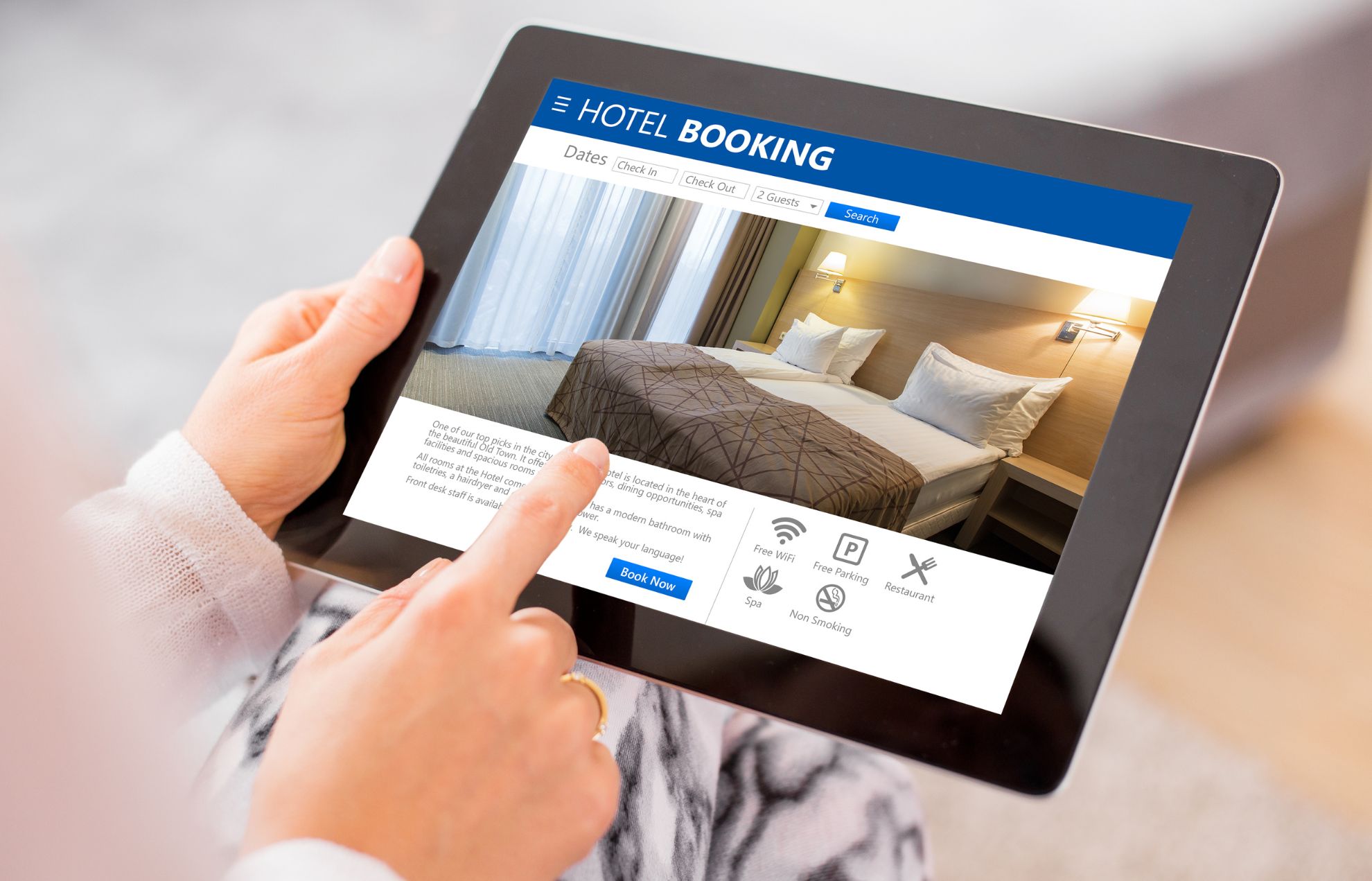
Embarking on a journey, whether for a relaxing getaway, an adventurous exploration, or a crucial business trip, often begins with a fundamental step: booking a hotel room. This seemingly straightforward process can, at times, feel like navigating a labyrinth of options, prices, and amenities. However, with a systematic approach and a clear understanding of your needs, securing the perfect accommodation becomes an enjoyable and rewarding prelude to your travels. This comprehensive guide will walk you through every facet of booking a hotel room, from the initial planning stages to the final confirmation, ensuring your stay is comfortable, convenient, and aligns perfectly with your travel aspirations.
Planning Your Hotel Stay: Setting the Foundation for Success
Before you even begin browsing for rooms, a bit of thoughtful planning can save you time, money, and potential disappointment. This foundational stage involves understanding your travel goals, budget, and preferences.
Defining Your Travel Needs and Preferences
Your hotel booking should be a direct reflection of your trip’s purpose. Are you planning a romantic escape to Paris, a family adventure to Disneyland, or a solo expedition to explore the historical wonders of Rome?
- Destination: Your chosen city or region is the primary driver. Research popular areas within your destination. For instance, if you’re visiting New York City, do you want to be in the bustling heart of Times Square, the sophisticated streets of Manhattan, or the artistic enclave of Brooklyn? The proximity to attractions, transportation hubs, and local culture will heavily influence your choice.
- Purpose of Travel:
- Leisure: For a vacation, you might prioritize proximity to beaches, attractions, or vibrant nightlife. Amenities like pools, spas, and fine dining restaurants often take precedence.
- Business: If you’re traveling for business, you’ll likely seek a hotel with reliable Wi-Fi, a business center, meeting facilities, and a convenient location near your work appointments. Easy access to transportation is also crucial.
- Family: Traveling with children often means looking for family-friendly amenities such as kids’ clubs, swimming pools with shallow areas, and spacious rooms or suites that can accommodate everyone comfortably. Some hotels even offer cribs or connecting rooms.
- Budget: If you’re on a tight budget, you’ll be looking for more economical options, potentially foregoing some luxury amenities for savings. Hostels, budget hotel chains, or even extended-stay apartments might be more suitable.
- Luxury: For a luxurious experience, you’ll be drawn to high-end hotels offering premium services, exquisite design, gourmet dining, and exclusive amenities.
- Duration of Stay: The length of your stay can influence your accommodation choice. For shorter trips, a standard hotel room might suffice. For longer stays, an apartment or an extended-stay hotel with kitchen facilities might be more practical and cost-effective.
- Companions: Are you traveling solo, as a couple, with family, or in a group? This will determine the number and type of rooms you need. For couples, a romantic boutique hotel might be ideal. For families, adjoining rooms or a suite with multiple bedrooms could be essential.
- Desired Amenities: List the amenities that are non-negotiable for your stay. This could include:
- Connectivity: Free Wi-Fi is almost a given, but check the speed if you have specific work needs.
- Dining: On-site restaurants, room service, or proximity to good eateries.
- Recreation: Swimming pool, fitness center, spa, on-site activities.
- Comfort: Air conditioning, comfortable beds, a quiet environment.
- Convenience: Parking, laundry facilities, pet-friendliness, accessibility features.
Setting Your Budget
Your budget is a critical factor that will significantly narrow down your options. Be realistic about what you can afford, factoring in not just the room rate but also potential taxes, resort fees, and any extra charges for amenities or services.
- Research Average Prices: Before you start looking, get a general idea of hotel prices in your chosen destination for your travel dates. This can be done by browsing booking sites or looking at travel guides.
- Consider Total Cost: Remember to factor in all potential costs. Some hotels have mandatory resort fees or parking fees that can add substantially to the advertised room rate.
- Look for Deals and Discounts: Many booking platforms and hotel websites offer discounts for booking in advance, for longer stays, or as part of loyalty programs. Keep an eye out for special promotions, especially during the off-season.
- Flexibility with Dates: If your travel dates are flexible, you might be able to find better rates. Weekends are often more expensive in popular tourist destinations, while weekdays might offer more affordable options.
Navigating Hotel Booking Platforms and Options
Once you have a clear understanding of your needs and budget, it’s time to dive into the world of hotel booking. The digital age has made this process incredibly accessible, with a plethora of online platforms and direct booking methods available.
Utilizing Online Travel Agencies (OTAs) and Hotel Websites
Online Travel Agencies (OTAs) like Booking.com, Expedia, and Hotels.com are popular starting points for many travelers. They aggregate listings from thousands of hotels worldwide, allowing for easy comparison.
- Pros of OTAs:
- Wide Selection: Access to a vast range of hotels, from budget-friendly hostels to luxury resorts.
- Comparison Tools: Easy to compare prices, amenities, and reviews from different properties side-by-side.
- Deals and Packages: Often offer exclusive deals and package options that combine flights and hotels.
- User Reviews: Provide a wealth of user-generated reviews and ratings, offering insights into the guest experience.
- Cons of OTAs:
- Less Flexibility with Changes: Modifying or canceling bookings made through OTAs can sometimes be more complex than direct bookings.
- Loyalty Programs: You may not earn hotel loyalty points directly, although some OTAs have their own rewards programs.
- Customer Service: While generally good, direct contact with the hotel might be preferred for specific requests or issues.
Direct Booking with Hotels: Booking directly through a hotel’s official website can sometimes offer advantages.

- Pros of Direct Booking:
- Loyalty Points and Benefits: You’ll typically earn hotel loyalty points, which can lead to future discounts, upgrades, or free stays.
- Potentially Better Rates: Some hotels offer exclusive deals or price matching for direct bookings.
- Easier Communication: Direct access to hotel staff for special requests or to resolve issues.
- More Control: Often provides more flexibility for managing your reservation.
- Cons of Direct Booking:
- Requires More Individual Research: You need to visit each hotel’s website separately to compare.
- May Miss Out on OTA-Specific Deals: Some of the deepest discounts might only be available through third-party sites.
Understanding Different Accommodation Types
Beyond traditional hotels, a variety of accommodation options cater to different needs and preferences, expanding your choices beyond the standard room.
- Hotels: The most common choice, offering a range of services from basic to luxurious. This includes:
- Boutique Hotels: Smaller, often independently owned, with unique character and personalized service.
- Chain Hotels: Standardized quality and services, offering consistency across locations. Examples include Marriott properties like the JW Marriott or Hilton brands.
- Luxury Hotels: Offering premium amenities, exceptional service, and often located in prime areas. Think of establishments like the Ritz-Carlton or Four Seasons.
- Budget Hotels: Offering basic amenities at lower price points, ideal for cost-conscious travelers.
- Resorts: Typically larger properties offering extensive amenities and activities, often situated in scenic locations like beaches or mountains. Many resorts cater to specific types of travelers, such as all-inclusive resorts for families or romantic retreats for couples.
- Apartments and Serviced Apartments: Ideal for longer stays or families, offering more space and often kitchen facilities. These provide a home-away-from-home feel.
- Villas: Private, often luxurious, residences that can be rented for a group or family, providing complete privacy and self-catering options.
- Hostels: A budget-friendly option, typically offering dormitory-style rooms with shared facilities, though private rooms are often available. They are a great way to meet other travelers.
- Bed and Breakfasts (B&Bs): Smaller, intimate accommodations, often in private homes, offering a personalized experience and a hearty breakfast.
The Booking Process: Step-by-Step Guide
With your chosen platform and accommodation type in mind, you’re ready to move to the actual booking. This involves careful selection, providing necessary information, and confirming your reservation.
Selecting Your Room and Reviewing Details
Once you’ve found a hotel that meets your criteria, the next step is to select the specific room type and carefully review all associated details.
- Room Types: Hotels offer various room configurations. Be sure to understand the differences:
- Standard Room: The most basic option.
- Deluxe Room: Usually larger than a standard room with better furnishings or views.
- Suite: Larger than a standard or deluxe room, often with a separate living area.
- Family Room: Designed to accommodate families, potentially with extra beds or larger space.
- Accessible Room: Equipped with features for guests with disabilities.
- Room Features: Pay attention to specific room features like bed size (king, queen, twin), view (city view, sea view, garden view), and amenities like balconies or kitchenettes.
- Inclusions and Exclusions: Carefully read what is included in the room rate. Are breakfast, Wi-Fi, or access to the fitness center included? Are there any additional charges for these?
- Cancellation Policy: This is crucial. Understand the terms of cancellation – is it free to cancel up to a certain date? What are the penalties for late cancellation or no-show? Choose a flexible policy if your travel plans are uncertain.
- Payment Terms: Check when payment is due. Some bookings require full payment upfront, while others only require a deposit or payment upon arrival.
- Taxes and Fees: Double-check the total price, ensuring all taxes (e.g., VAT, tourist tax) and any mandatory resort fees are included.
Providing Guest Information and Payment
Once you’ve reviewed and are satisfied with the room selection and terms, you’ll need to provide your details.
- Guest Names: Enter the full name(s) of the primary guest(s) exactly as they appear on their identification.
- Contact Information: Provide a valid email address and phone number. This is essential for receiving booking confirmations and for the hotel to contact you if needed.
- Payment Details: You will typically need to provide credit card details to secure your booking. Some platforms or hotels may offer alternative payment methods. Be sure to use a secure connection.
- Special Requests: Most booking forms allow for special requests. This is your opportunity to mention things like a preference for a quiet room, a room on a high floor, a crib, or any dietary requirements for breakfast. While not always guaranteed, hotels will do their best to accommodate.
- Loyalty Program Number: If you are booking directly or have linked your loyalty program to an OTA, enter your membership number to ensure you receive points or benefits.

Confirmation and Post-Booking Actions
After completing the booking process, you should receive a confirmation, and there are a few more steps to ensure a smooth experience.
- Booking Confirmation: You will receive a confirmation email or message containing your booking details, reservation number, and the hotel’s contact information. Save this confirmation; it’s your proof of booking and will be needed upon check-in.
- Review Your Confirmation: Read through the confirmation carefully to ensure all details are correct: dates, room type, number of guests, price, and cancellation policy.
- Contact the Hotel (Optional but Recommended): For significant trips or if you have very specific needs, it can be beneficial to contact the hotel directly a few days before your arrival to reconfirm your reservation and any special requests. This is also a good time to ask about airport transfers or local transportation options.
- Plan Your Arrival: Familiarize yourself with the hotel’s location and how to get there from your arrival point (airport, train station). Research public transport options or consider pre-booking a taxi or shuttle.
By following these steps, you can confidently book a hotel room that perfectly suits your travel needs, budget, and preferences, setting the stage for a memorable and enjoyable experience, whether you’re exploring the iconic Eiffel Tower in France or enjoying the vibrant culture of Kyoto in Japan.