
In the vibrant tapestry of global cuisine and the ever-evolving landscape of modern travel, few dishes evoke a sense of refined indulgence quite like a perfectly cooked New York Strip. For the seasoned traveler and the culinary enthusiast alike, mastering this quintessential steak is not just about a meal; it’s an experience, a journey that marries the luxury of fine dining with the comfort of your own kitchen. Whether you’ve savored its rich flavors in a renowned New York City steakhouse or dream of recreating that gourmet memory in a self-catering accommodation during your next adventure, understanding the art of the New York Strip is a testament to an enriched lifestyle. This guide will walk you through the precise steps to achieve steakhouse-quality results, while also exploring how this culinary endeavor connects to the broader themes of travel, tourism, and an elevated lifestyle.
The Culinary Journey: Discovering the New York Strip’s Allure
The pursuit of the perfect steak begins long before the pan sizzles. It starts with an appreciation for the cut itself, its origins, and the role it plays in culinary culture. For many, the New York Strip is synonymous with American fine dining, a hearty yet elegant choice that has captivated palates for generations.
A Cut Above: Understanding Your Steak
The New York Strip, also known as a Kansas City Strip, ambassador steak, or club steak, is cut from the short loin of the cow. It’s known for its robust beefy flavor, a fine texture, and a good balance of tenderness and chewiness, often bordered by a succulent fat cap. Unlike the more tender filet mignon or the heavily marbled ribeye, the New York Strip offers a distinctive profile that truly celebrates the taste of quality beef. Its moderate marbling contributes to its juiciness and flavor without being overly fatty.
Selecting the Perfect Steak:
To embark on this culinary adventure, choose a steak that is at least 1 to 1.5 inches thick. This thickness is crucial for achieving a beautiful sear while ensuring the interior reaches your desired doneness without overcooking. Look for bright red meat, and good marbling – small streaks of fat distributed throughout the muscle. The more marbling, the more flavor and tenderness. Always opt for high-quality beef, preferably USDA Prime or Choice grade, which you can typically find at a reputable butcher or high-end grocery stores like Whole Foods Market. The quality of your raw ingredient is the absolute foundation for a memorable meal.
Experiencing Steak Culture on Your Travels
The allure of the New York Strip is deeply intertwined with the travel experience. Iconic steakhouses in major metropolitan hubs are often considered landmarks of culinary excellence. Imagine yourself in New York City, where institutions like Peter Luger Steak House or Keens Steakhouse have perfected the art of the steak, drawing discerning diners from around the globe. These establishments offer more than just a meal; they provide an atmosphere, a piece of local history, and an unforgettable dining experience that becomes a cherished travel memory.
Luxury hotels around the world often house world-class steak restaurants. Consider the exquisite dining experiences available at properties like The St. Regis New York or those within the portfolio of Four Seasons Hotels and Resorts. These venues not only serve exceptional cuts but also curate the entire ambiance, from impeccable service to expertly paired wines. For the traveler who relishes hands-on experiences, many resorts and culinary centers, from the rolling hills of Tuscany to the vibrant markets of Thailand, offer cooking classes that, while perhaps not focused solely on steak, inspire confidence and skill in the kitchen – invaluable for those looking to bring global flavors home. Even a stay in a luxury villa with a state-of-the-art kitchen can transform sourcing local ingredients and preparing a meal into an integral part of your travel narrative.
Mastering the Art: A Step-by-Step Guide to Cooking a Perfect New York Strip
Now that you understand the genesis and context of this magnificent cut, it’s time to translate that knowledge into action. The secret to a perfect New York Strip lies in a few critical steps, focusing on high heat and precise timing.
Preparation is Paramount
Success in steak cooking hinges on meticulous preparation.
- Bring to Room Temperature: Remove your steak from the refrigerator at least 30-60 minutes before cooking. A cold steak hitting a hot pan will cook unevenly, resulting in a gray band on the edges and a less desirable texture. Allowing it to come to room temperature promotes even cooking.
- Pat Dry: Moisture is the enemy of a good sear. Use paper towels to thoroughly pat the steak dry on all sides. This ensures a beautiful, crispy crust rather than steaming the meat.
- Season Generously: Simplicity is key for a New York Strip to let the beef flavor shine. Use a generous amount of coarse salt (like kosher or sea salt) and freshly cracked black pepper on all surfaces. Don’t be shy; a thick steak can handle a lot of seasoning. Some chefs also like to add a touch of garlic powder or onion powder for extra depth.
- Gather Your Tools: A heavy-bottomed pan, preferably cast iron, is essential. Cast iron retains and distributes heat exceptionally well, crucial for an even sear. You’ll also need a pair of tongs, a high-quality instant-read meat thermometer, and a wire rack set over a baking sheet for resting.
The Searing Sensation
This is where the magic happens, creating that irresistible crust through the Maillard reaction.
- Heat the Pan: Place your cast iron skillet over high heat for 3-5 minutes until it’s smoking slightly. This intense heat is critical.
- Add Oil: Add a high smoke point oil, such as grapeseed, avocado, or canola oil, to the hot pan. Just enough to coat the bottom lightly.
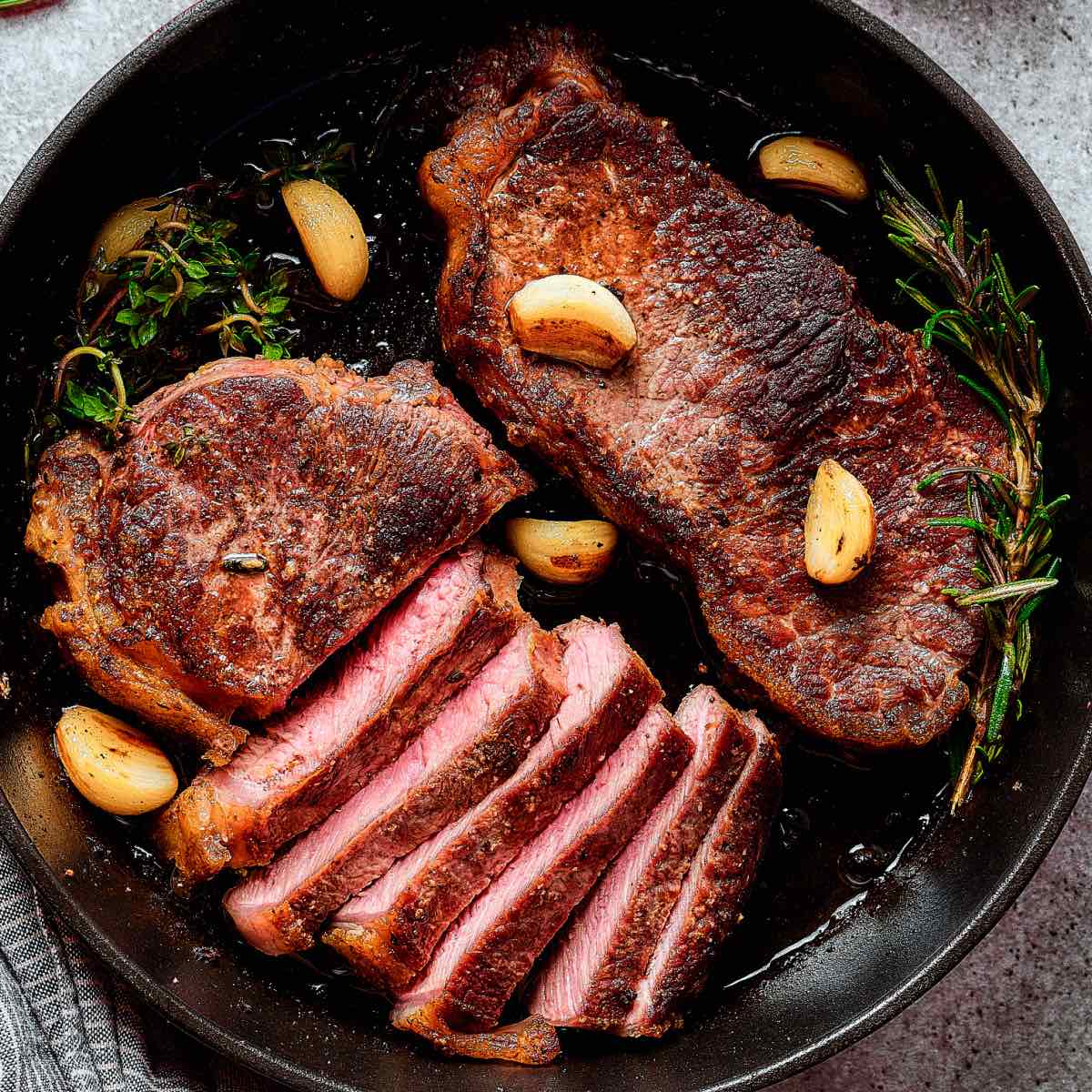
- Sear the Steak: Carefully place the seasoned steak in the hot pan. You should hear a vigorous sizzle immediately. Sear for 2-3 minutes per side without moving it, allowing a deep, golden-brown crust to form.
- Sear the Edges: Use your tongs to hold the steak on its fatty edges, rendering some of the fat and creating an all-around crust. This takes about 1-2 minutes per edge.
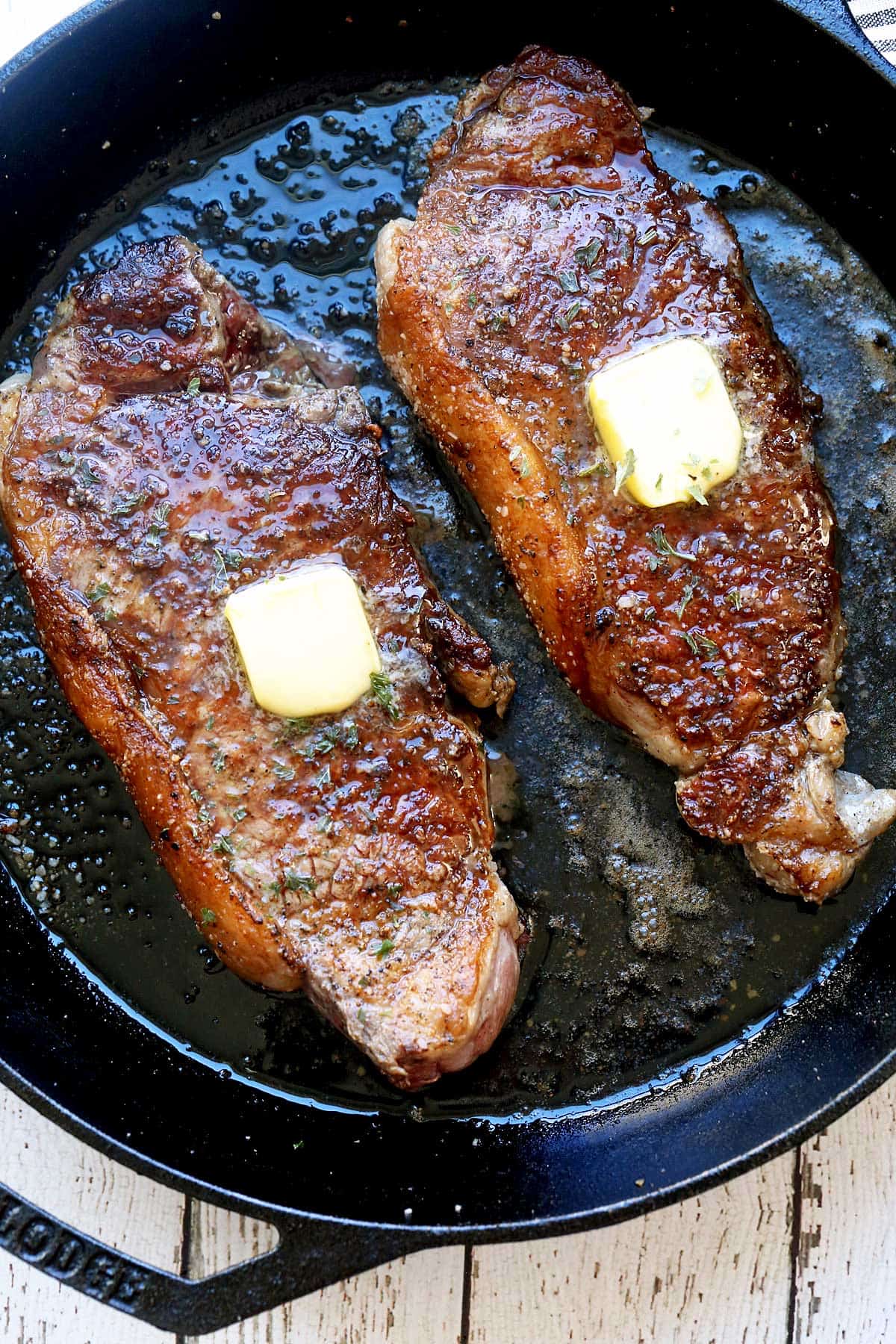
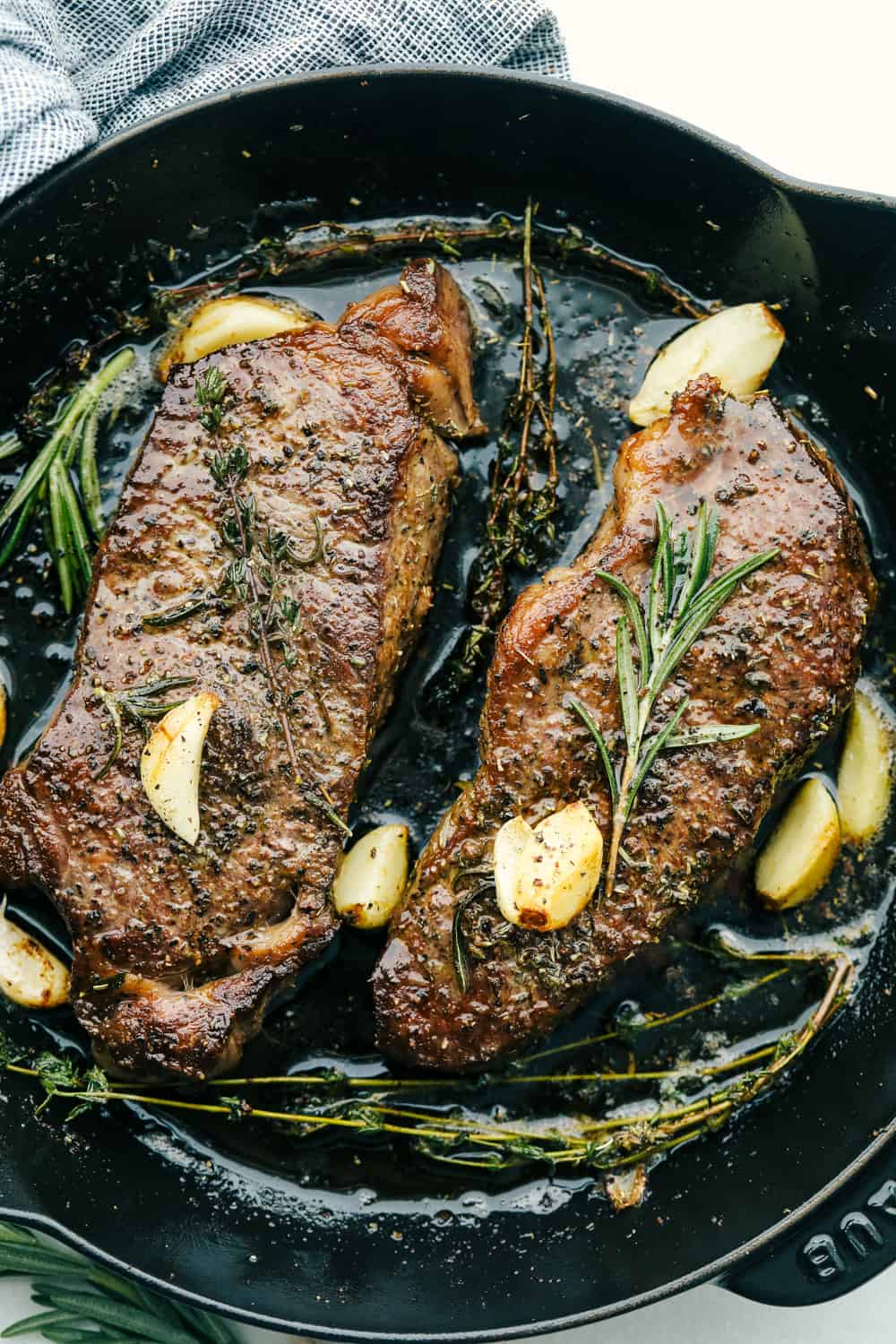
- Basting (Optional but Recommended): After searing, reduce the heat to medium. Add a tablespoon or two of unsalted butter to the pan, along with a few sprigs of fresh rosemary or thyme and a couple of smashed garlic cloves. As the butter melts, tilt the pan slightly and use a spoon to continuously baste the steak with the fragrant butter for 1-2 minutes. This adds incredible flavor and helps to cook the steak evenly.
Achieving Desired Doneness
Precision is paramount for internal temperature. This is where your meat thermometer becomes your best friend.
- Check Internal Temperature: Insert the thermometer into the thickest part of the steak, avoiding any bone or large pockets of fat.
- Rare: 120-125°F (49-52°C)
- Medium-Rare: 130-135°F (54-57°C) – often considered the ideal for a New York Strip
- Medium: 135-140°F (57-60°C)
- Medium-Well: 140-145°F (60-63°C)
- Well-Done: 150°F+ (66°C+) – generally not recommended for a premium cut like this.
- Oven Finish (for thicker steaks): If your steak is thicker than 1.5 inches, or if you prefer a more even cook from edge to edge, you can finish it in a preheated oven at 400°F (200°C). After searing, transfer the pan (if oven-safe) or the steak to an oven-safe baking sheet and cook until it reaches your desired internal temperature. This method is often employed in restaurant kitchens, ensuring a perfect cook.
The Crucial Rest
This step is often overlooked but is absolutely vital for a juicy steak.
- Remove from Heat: Once the steak reaches about 5°F below your target temperature (it will continue to cook during resting), remove it from the pan.
- Rest: Transfer the steak to a wire rack set over a baking sheet. Tent it loosely with foil. Allow it to rest for at least 5-10 minutes (longer for thicker steaks). Resting allows the juices, which have been driven to the center by the heat, to redistribute evenly throughout the meat. Cutting into a steak too soon will result in juices flowing out, leaving you with dry meat.
- Slice and Serve: After resting, slice the steak against the grain into thick, succulent pieces.
Elevating Your Dining Experience: Pairings and Presentation
Cooking a perfect steak is only half the journey. To truly embrace a gourmet lifestyle, consider the accompanying elements that transform a meal into a memorable occasion, much like the meticulously planned details of a luxury travel itinerary.
Complementary Sides and Sauces
The right accompaniments can enhance the rich flavor of your New York Strip without overpowering it.
- Classic Sides: Creamed spinach, roasted asparagus, garlic mashed potatoes, truffle fries, or wild mushrooms sautéed with herbs are timeless pairings that elevate the experience.
- Sauces: While a perfectly cooked steak often needs no sauce, a complementary one can add another layer of flavor. Consider a classic Béarnaise sauce, a vibrant chimichurri, or a rich red wine reduction.
The Perfect Pour: Wine Pairings
Pairing your steak with the right wine is a hallmark of sophisticated dining. The robust flavor of a New York Strip calls for a full-bodied red wine.
- Cabernet Sauvignon: A classic choice, known for its bold tannins and notes of blackcurrant and cedar.
- Merlot: A softer, fruitier option, offering plum and cherry notes, with smoother tannins.
- Malbec: From Argentina, this wine offers dark fruit flavors and a smoky finish that complements the beef beautifully.
- Syrah/Shiraz: Known for its peppery, spicy notes and rich dark fruit, it stands up well to the steak’s intensity.
These pairings are not just about taste but also about embracing the lifestyle of a connoisseur, much like choosing the right destination or the perfect hotel suite for a specific travel experience.
Creating the Steakhouse Ambiance at Home
Recreating the luxurious ambiance of a high-end steakhouse at home is an extension of the lifestyle of a global traveler. Dim the lights, light some candles, put on some soft jazz or classical music, and set the table with your best dinnerware. Consider crisp linens, polished cutlery, and elegant glassware. This attention to detail transforms an everyday meal into an event, echoing the curated experiences offered by boutique hotels and exclusive resorts worldwide. It’s about more than just food; it’s about crafting an atmosphere that fosters enjoyment and relaxation, bringing the essence of a fine dining establishment or a memorable travel destination into your personal space.
Beyond New York: A World of Steaks and Culinary Exploration
The journey doesn’t end with mastering the New York Strip. The world of beef offers a diverse palette of flavors and traditions, inviting further culinary exploration that perfectly aligns with a globetrotting spirit.
Global Steak Traditions
Exploring different steak cultures is a delicious form of food tourism:
- Argentine Asado: A quintessential experience in South America, featuring various cuts of beef cooked slowly over an open flame, often accompanied by vibrant chimichurri. Imagine experiencing this in the vast Patagonia region.
- Japanese Wagyu: Renowned globally for its intense marbling, buttery texture, and umami-rich flavor. Varieties like Kobe beef or Miyazaki beef offer an unparalleled indulgence, often enjoyed in thin slices or as a precise steak.
- French Steak Frites: A bistro classic, typically a thinly cut steak (like a sirloin or flank) served with crispy fries and a flavorful sauce (often Béarnaise or maître d’hôtel butter). A simple yet elegant meal deeply ingrained in French culinary culture.
- Italian Bistecca alla Fiorentina: A thick-cut, bone-in porterhouse or T-bone steak from Chianina cattle, grilled rare over coals and seasoned simply with salt and pepper. This is a must-try for any visitor to Florence or the Tuscany region.
Each of these traditions offers a glimpse into local culture, history, and agricultural practices, transforming a simple meal into a profound cultural experience – the very essence of meaningful tourism.
Incorporating Culinary Skills into Your Travel Lifestyle
For the discerning traveler, culinary skills are not just for home. Many modern accommodations, from luxurious villas and apartments to extended-stay hotels like Marriott Executive Apartments or properties booked through platforms like Airbnb, offer fully equipped kitchens. This presents an incredible opportunity to engage with local markets, source unique ingredients, and cook dishes inspired by your surroundings. Imagine buying fresh seafood from La Boqueria in Barcelona, exotic spices in Marrakech, or artisanal cheeses near Lake Geneva, then returning to your private kitchen to craft a meal. This not only offers a deeper connection to the local culture but also often proves to be a more budget-friendly and authentic dining experience than always eating out. Even visiting a vibrant public market like Pike Place Market in Seattle can be a highlight of your trip, transforming ingredient sourcing into a genuine attraction.
Ultimately, learning how to cook a New York Strip is more than just following a recipe; it’s an investment in your personal lifestyle. It’s about bringing the elegance of fine dining, the excitement of culinary discovery, and the rich flavors encountered during your travels directly into your home. It’s about transforming a simple cut of meat into a canvas for unforgettable memories, whether you’re recreating a meal from a five-star hotel restaurant or simply enjoying a gourmet evening with loved ones. Embrace the sizzle, master the sear, and savor the journey – because the world of culinary delights, much like the world of travel, is waiting to be explored, one perfect bite at a time.
LifeOutOfTheBox is a participant in the Amazon Services LLC Associates Program, an affiliate advertising program designed to provide a means for sites to earn advertising fees by advertising and linking to Amazon.com. Amazon, the Amazon logo, AmazonSupply, and the AmazonSupply logo are trademarks of Amazon.com, Inc. or its affiliates. As an Amazon Associate we earn affiliate commissions from qualifying purchases.