
In the vibrant tapestry of global culinary experiences, few dishes evoke a sense of place and tradition quite like the humble yet magnificent pork Boston butt. For the avid traveler and culinary explorer, mastering this cut isn’t just about cooking; it’s about embarking on a gastronomic journey, understanding regional nuances, and bringing the soulful flavors of destinations like the American South directly into your kitchen, or even exploring its preparation in the well-equipped kitchens of luxury villas and extended-stay accommodations. At LifeOutofTheBox.com, we believe that food is an integral part of travel, offering a direct portal to local culture, history, and the heart of a community. This guide will not only demystify the art of cooking a perfect pork Boston butt but also frame it as an enriching aspect of your travel lifestyle, whether you’re seeking it out in its native habitat or recreating the magic at home.
A pork Boston butt, despite its misleading name (it’s actually from the upper part of the pig’s shoulder, not the rear, and the “butt” refers to the barrels or “butts” that pork used to be stored in in Boston), is the cornerstone of some of the world’s most beloved barbecue traditions. Its marbling and collagen content make it ideal for low-and-slow cooking, transforming it into incredibly tender, juicy pulled pork. For travelers, this means a deep dive into the culinary heritage of the United States, particularly the barbecue belt, where each state boasts its unique take on this smoked marvel. From casual roadside shacks to upscale dining experiences, the Boston butt stands as a testament to culinary ingenuity and regional pride.
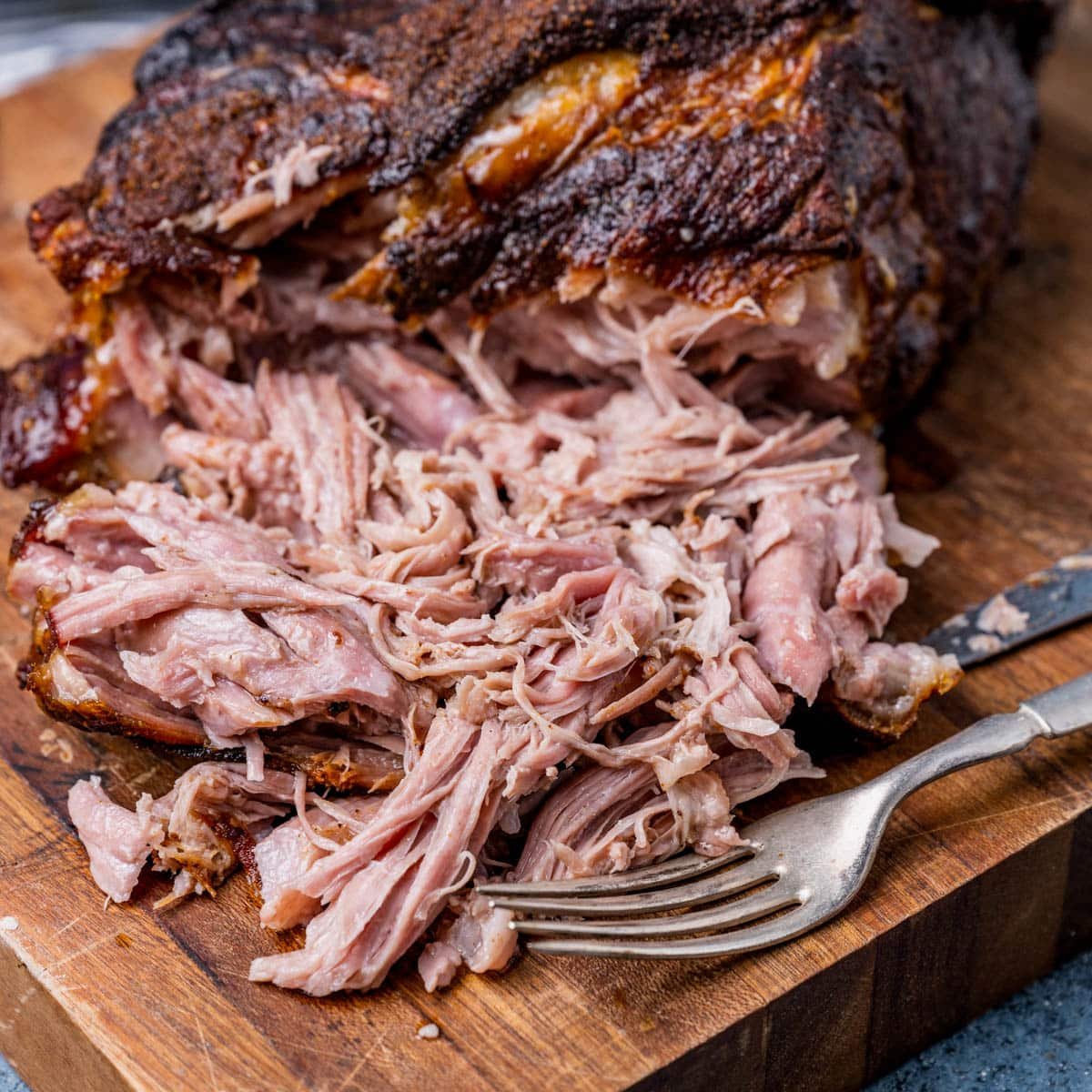
The Culinary Journey: Discovering the Boston Butt Across America
The pursuit of the perfect pulled pork is a legitimate travel objective for many food enthusiasts. It’s a journey that takes you through diverse landscapes, each offering a distinct chapter in the story of American barbecue. Understanding these regional variations enriches your travel experience and informs your approach when you decide to don the apron yourself.
A Taste of the South: Iconic BBQ Destinations
The heartland of pulled pork lies firmly within the American South, a region where barbecue is not just food, but a way of life, a communal ritual, and a vibrant expression of local culture. Our travels through these states reveal the passion and precision that go into every smoked butt.
In Memphis, Tennessee, the dry rub reigns supreme. Here, the pork shoulder is generously coated in a spice blend, slow-smoked until fork-tender, and often served without sauce, allowing the natural flavors of the pork and the rub to shine. Visiting Memphis means exploring legendary establishments like Charlie Vergos’ Rendezvous or Central BBQ, absorbing the aroma of hickory smoke that permeates the air around these culinary landmarks. Many boutique hotels in the city, like The Peabody Memphis, offer packages that include culinary tours, guiding guests to these iconic spots.
Journeying further west to Kansas City, Missouri, you’ll encounter a different philosophy: the sauce is king. Kansas City barbecue is characterized by its thick, sweet, and tangy tomato-based sauces, often slathered onto the smoked pork after cooking. Places like Arthur Bryant’s Barbeque and Joe’s Kansas City Bar-B-Que are essential stops, providing not just a meal but an immersive cultural experience. Travelers often find themselves staying in comfortable suites at properties such as the Hyatt Regency Kansas City at Crown Center, which provides easy access to the city’s culinary hotspots.
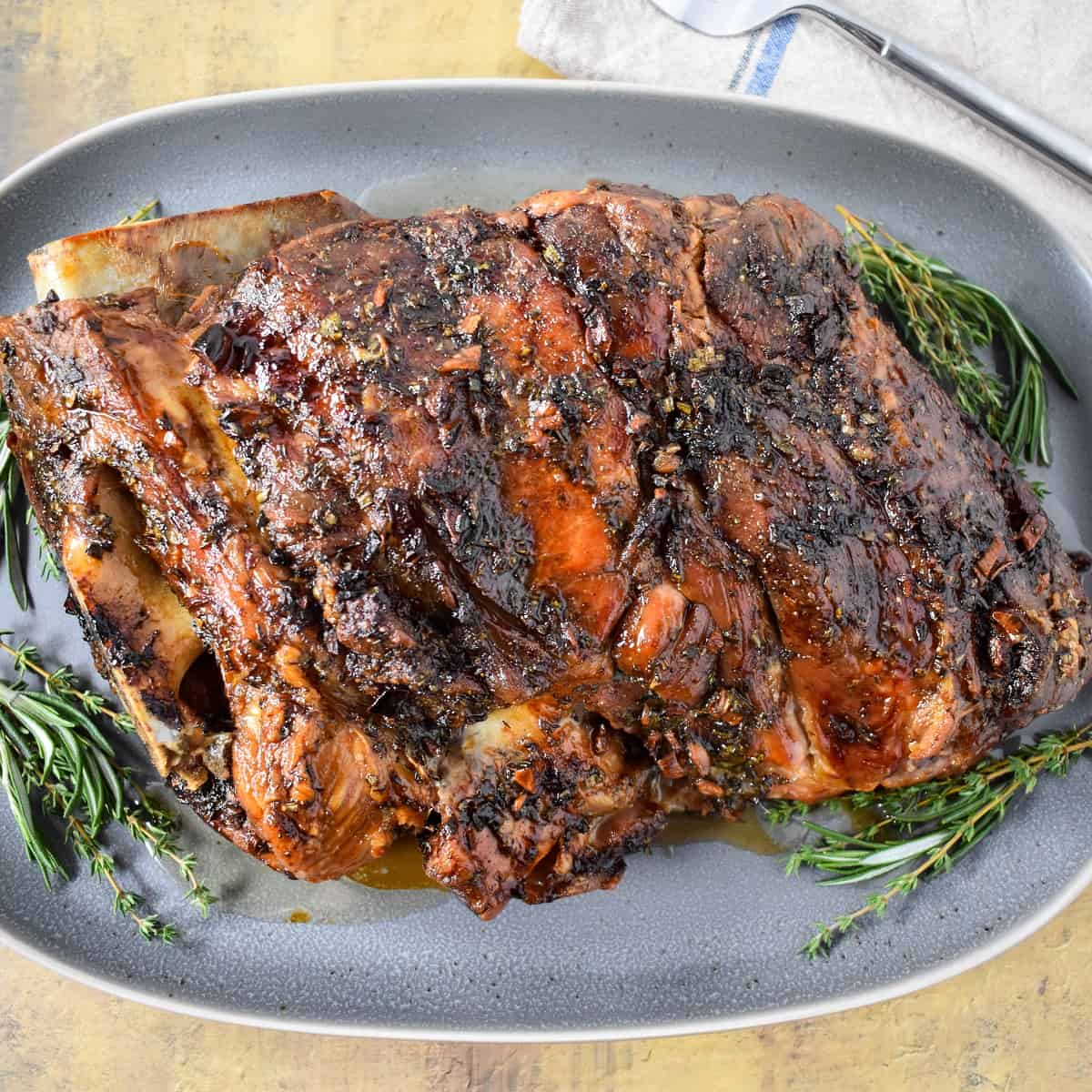
The Carolinas offer perhaps the most diverse and passionate arguments over barbecue styles. In North Carolina, especially in the eastern part of the state, whole hog barbecue is traditional, but chopped pork shoulder (Boston butt) with a vinegar-based sauce is ubiquitous. Heading to the western part, around Lexington, you’ll find a similar preparation but with a red, vinegar-and-ketchup-based sauce. South Carolina is famous for its mustard-based “Carolina Gold” sauce, particularly prevalent in areas like Charleston and along the coast. Exploring these nuances firsthand, perhaps staying at a charming bed-and-breakfast in Charleston or a cozy cabin near the Smoky Mountains in North Carolina, truly connects you to the local culinary tapestry.
Experiencing Local Flavors: Beyond the Plate
Beyond the specific flavors, the act of seeking out and enjoying barbecue is an experience in itself. It’s about the aroma of wood smoke lingering in the air, the convivial atmosphere of a family-owned joint, and the friendly debates over whose sauce is superior. This kind of food tourism offers genuine insights into the rhythms of local life, where food is a central pillar of community and celebration. Many regions host barbecue festivals, such as the Memphis in May World Championship Barbecue Cooking Contest, which draw visitors globally and offer an unparalleled deep dive into the culture. Staying in a local apartment or villa booked through services like Airbnb often allows for a more immersive experience, giving you the chance to interact with locals and gather recommendations for hidden culinary gems that might not be in guidebooks.
Bringing the Destination Home: Mastering the Art of Boston Butt
For those inspired by their travels, or simply eager to delve into the world of slow-smoked perfection, learning to cook a Boston butt is a rewarding endeavor. It transforms your kitchen into a culinary laboratory where you can recreate cherished travel memories or experiment with global flavors. This is a perfect activity for extended stays in self-catering accommodations or as a centerpiece for gatherings at home, extending the travel lifestyle into your everyday.
Selecting Your Canvas: The Perfect Pork Butt
The journey to an unforgettable pulled pork begins with the raw ingredient. When selecting your pork Boston butt, consider it your culinary canvas.
- Look for marbling: Good marbling (streaks of fat within the lean meat) is crucial. It renders during the long cooking process, keeping the meat moist and flavorful.
- Bone-in vs. Boneless: While boneless butts are convenient, many pitmasters swear by bone-in cuts. The bone adds flavor and helps conduct heat evenly. If you can find a bone-in butt, go for it.
- Weight: A typical Boston butt weighs between 6 and 10 pounds. This size is perfect for feeding a crowd and allows for a sufficiently long cooking time to break down connective tissues.
- Source: If possible, purchase from a reputable local butcher. They can offer insights into the cut and often provide higher quality meat than what might be found in a supermarket. Think of this as sourcing local produce in a foreign market – it’s part of the authentic experience.
Crafting the Flavor Profile: Rubs, Mops, and Sauces
The magic of pulled pork largely lies in its flavor profile, built layer by layer through rubs, mops (basting liquids), and finishing sauces. These elements are where you can truly channel the regional styles you’ve encountered on your travels.
The Dry Rub
A good rub is the foundation. It penetrates the meat, creating a flavorful crust (the “bark”) during cooking. While exact recipes vary, a classic barbecue rub typically includes:
- Salt: Essential for seasoning and moisture retention.
- Brown Sugar: For sweetness and to aid in bark formation.
- Paprika: Adds color and a smoky, earthy flavor. Smoked paprika can intensify this.
- Black Pepper: For a touch of heat and classic flavor.
- Garlic Powder & Onion Powder: Aromatic staples.
- Cayenne Pepper or Chili Powder: For an optional kick, adjustable to your preference.
- Other spices: Cumin, mustard powder, celery salt, and dried herbs like oregano can add complexity.
Application: Pat the Boston butt dry with paper towels. Generously coat all sides with the rub, pressing it gently to adhere. For best results, apply the rub at least 12-24 hours before cooking, allowing it to penetrate and season the meat deeply. This overnight rest can be managed even in a well-appointed hotel room with a mini-fridge if you’re attempting a smaller cut in an accommodation with a compact kitchen setup.
The Mop or Spritz
A mop or spritz is a liquid applied during the cooking process to keep the meat moist, add flavor, and promote bark development.
- Classic options: Apple cider vinegar, apple juice, water, beer, or a combination with some dissolved rub.
- Application: Every hour or two during the cooking, lightly spritz or brush the butt. This is particularly crucial during the “stall” (when the internal temperature plateaus).
The Sauce
While purists might prefer their pulled pork naked, sauce offers an opportunity to evoke specific regional styles.
- Memphis-style: Often served dry, but a thin, tangy sauce is sometimes offered on the side.
- Kansas City-style: Thick, sweet, and tangy tomato-based sauce, often with molasses, brown sugar, and spices.
- Carolina Vinegar-based: Thin, piquant, and peppery, common in Eastern North Carolina.
- Carolina Mustard-based (“Carolina Gold”): A tangy, slightly sweet mustard-based sauce unique to South Carolina.
Preparing these sauces from scratch can be another delightful way to extend your culinary travel experiences, perfecting the balance of sweet, sour, and spicy that defines each region.
The Slow Cooker’s Reward: Methods for Perfection
The key to a truly succulent Boston butt is low and slow cooking, allowing the tough connective tissues to break down into gelatin, resulting in that signature tender, shreddable texture.
Smoking: The Quintessential BBQ Method
Smoking is the gold standard for Boston butt, imparting a depth of flavor that is hard to replicate. This method is ideal for those with a smoker at home or access to outdoor cooking facilities during an extended stay at a resort or villa.
- Preparation: Trim excess hard fat from the butt, but leave a thin layer of fat cap (about ¼ inch) to render and keep the meat moist. Apply your chosen rub.
- Smoker Setup: Preheat your smoker to a consistent temperature between 225°F and 275°F (107°C and 135°C). Use wood chunks or chips for smoke flavor; hickory, apple, or cherry wood are excellent choices for pork.
- The Cook: Place the butt fat-side up (if applicable) directly on the grates. Close the lid and resist the urge to peek too often. Maintain consistent temperature.
- The Spritz/Mop: Begin spritzing or mopping every 1-2 hours after the first few hours of smoking.
- The Stall: Expect the internal temperature to plateau around 150-170°F (65-77°C) for several hours. This is normal, caused by evaporative cooling. Be patient.
- The Wrap (Optional): Many pitmasters wrap the butt in butcher paper or foil once it hits the stall or reaches around 160-170°F (71-77°C). This pushes it through the stall faster and helps retain moisture, though it can soften the bark.
- Doneness: The butt is done when it reaches an internal temperature of 200-205°F (93-96°C) and, crucially, when a probe slides into the meat with almost no resistance, “like butter.” This can take anywhere from 10 to 18 hours, depending on the size of the butt and smoker temperature.
- Resting: This is a non-negotiable step. Remove the butt from the smoker (still wrapped if you wrapped it) and let it rest on a cutting board or in a cooler (without ice, just to insulate) for at least 1-2 hours. This allows the juices to redistribute, resulting in a more tender and moist final product.

Oven Roasting: A Home-Friendly Alternative
While smoking delivers unparalleled flavor, a fantastic pulled pork can still be achieved in a standard oven, making it accessible even for those in apartments or long-term accommodation without outdoor cooking facilities.
- Preparation: Prepare the butt with your chosen rub as described for smoking.
- Preheat: Preheat your oven to 275°F (135°C).
- Initial Cook: Place the seasoned butt fat-side up in a large roasting pan. You can add a cup of apple juice or broth to the bottom of the pan to help create moisture.
- The Cook: Roast, uncovered, for 3-4 hours, until a nice bark forms.
- The Wrap: Tightly cover the roasting pan with foil, or transfer the butt to a disposable aluminum pan and cover tightly with foil. This traps moisture and mimics the steamy environment of a smoker or wrapped butt.
- Continue Roasting: Return to the oven and continue roasting for another 6-10 hours, or until the internal temperature reaches 200-205°F (93-96°C) and the meat is fork-tender.
- Resting: Remove from the oven and, without uncovering, let it rest for at least 1 hour.
Beyond the Cook: Serving, Pairing, and Lifestyle Integration
Once your Boston butt has been perfectly cooked and rested, the final steps are about presenting your masterpiece and integrating this culinary delight into your lifestyle.
The Grand Reveal: Pulling and Serving Your Masterpiece
This is the moment of truth. Unwrap the butt, and you’ll find a dark, flavorful crust giving way to incredibly tender, juicy meat.
- Shredding: Using two forks, bear claws, or even clean gloved hands, pull the meat apart. The bone should slide out effortlessly. Discard any large pieces of unrendered fat.
- Mixing: Mix the pulled pork with any juices collected in the pan or foil during resting. This is where you can add a bit of your chosen barbecue sauce, mixing it directly into the meat, or serve it on the side for guests to customize.
Serving Suggestions:
- Classic Sandwich: Pile high on soft burger buns, topped with coleslaw.
- Platter: Serve as the centerpiece of a meal with classic barbecue sides like mac & cheese, baked beans, cornbread, and extra sauce.
- Creative Uses: Tacos, quesadillas, loaded fries, or even as a pizza topping.
Pairing your pulled pork with the right beverage also elevates the experience. Craft beers, especially lagers, pilsners, or smoky porters, complement the rich flavors beautifully. A crisp Pinot Noir or a robust Zinfandel can also be excellent wine choices.
Culinary Souvenirs: Integrating Boston Butt into Your Lifestyle
Cooking a pork Boston butt is more than just preparing a meal; it’s an immersive experience that deepens your appreciation for culinary traditions and local culture. For the lifestyle traveler, it’s about:
- Extending Travel Memories: Each bite can transport you back to a bustling BBQ joint in Austin, Texas, or a quaint roadside stand in rural Mississippi Delta.
- Entertaining: A perfectly cooked Boston butt is a crowd-pleaser, ideal for family gatherings, backyard parties, or welcoming friends in your home or vacation rental. It becomes a focal point of shared experiences.
- Inspiring Future Adventures: The exploration of one regional barbecue style often sparks curiosity about others, motivating future trips to destinations like Kentucky or Louisiana to sample their unique takes on smoked meats.
- Building Skills: Mastering a dish like this adds a significant feather to your culinary cap, empowering you to tackle other complex recipes and experiment with flavors.
Whether you’re exploring the historic landmarks of a Southern city, enjoying the amenities of a five-star resort like The Ritz-Carlton New Orleans, or simply enjoying a long-term stay in a charming apartment, the pork Boston butt offers a delicious connection to the world of travel and culinary discovery. So, ignite your passion, fire up your smoker or oven, and embark on your own flavorful journey with this iconic cut of pork. It’s an adventure that promises delicious rewards.
LifeOutOfTheBox is a participant in the Amazon Services LLC Associates Program, an affiliate advertising program designed to provide a means for sites to earn advertising fees by advertising and linking to Amazon.com. Amazon, the Amazon logo, AmazonSupply, and the AmazonSupply logo are trademarks of Amazon.com, Inc. or its affiliates. As an Amazon Associate we earn affiliate commissions from qualifying purchases.