
In a world brimming with travel opportunities, from exploring exotic destinations to indulging in luxurious hotel suites and immersive cultural experiences, astute financial planning remains the bedrock of a truly fulfilling lifestyle. While our passions often lead us to distant lands or captivating local attractions, the wisdom of managing your home base effectively cannot be overstated. For those who have chosen to plant their roots in the vibrant Lone Star State, understanding the intricacies of the Texas Homestead Exemption isn’t just a matter of property tax; it’s a strategic move that can significantly enhance your lifestyle and potentially free up more resources for your travel adventures or preferred way of living.
Texas, a state renowned for its diverse landscapes, bustling cities, rich history, and welcoming atmosphere, offers an attractive proposition for homeowners. From the live music capital of Austin to the sprawling metropolis of Houston, the upscale charm of Dallas, and the historical allure of San Antonio, there’s a place for every kind of life. And central to making homeownership in Texas even more appealing is the homestead exemption – a benefit designed to reduce your property tax burden on your primary residence. This guide will walk you through the process, helping you navigate the requirements and procedures with ease, ensuring that your home ownership in Texas contributes positively to your overall financial well-being and lifestyle aspirations.
Understanding the Texas Homestead Exemption: A Foundation for Your Texas Lifestyle
For many, the idea of settling down in a place like Texas is synonymous with establishing a home, fostering a community, and enjoying a particular way of life. Whether you dream of a quiet suburban existence, a bustling urban dwelling, or a tranquil rural retreat, Texas offers it all. The state’s appeal extends beyond its economic opportunities and cultural richness; it also lies in financial benefits designed to support its residents. One such critical benefit, often overlooked or misunderstood by new and even long-time homeowners, is the homestead exemption.
At its core, a homestead exemption reduces the appraised value of your home, thereby lowering your property tax bill. It’s not a complete elimination of taxes, but rather a discount applied to the portion of your home’s value that is taxed by various entities, such as your school district, county, and city. This exemption applies only to your primary residence, meaning the home you live in and consider your permanent abode. For individuals who have spent years exploring different accommodations – from short-term apartment rentals during business trips to luxurious villas on extended vacations – establishing a permanent home and securing this exemption is a significant step towards financial stability and control.
Think of it this way: the money you save on property taxes through a homestead exemption can be reallocated to other aspects of your desired lifestyle. It could mean more funds for spontaneous weekend getaways to Galveston or the Texas Hill Country, a budget buffer for international travel experiences, or simply more disposable income to enjoy local tourism and amenities in your chosen Texas city. It underpins the idea that prudent financial management at home can directly fuel your passions and enrich your life beyond its four walls.
The Different Shades of Homestead Exemptions in the Lone Star State
Texas offers several types of homestead exemptions, each designed to provide relief to different homeowner demographics. Understanding which one you qualify for is the first step toward unlocking these valuable savings.
-
General Residence Homestead Exemption: This is the most common exemption, available to all homeowners on their primary residence. It grants a mandatory $40,000 exemption from your home’s value for school district taxes, meaning you won’t pay school taxes on the first $40,000 of your home’s appraised value. Local taxing units, such as counties, cities, and special districts, also have the option to offer their own general homestead exemptions, often a percentage of the home’s value (e.g., 20%), with a minimum of $5,000. These local exemptions further reduce your tax burden, enhancing the affordability of homeownership in Texas.
-
Over-65 Exemption: For those embracing their golden years, Texas offers an additional exemption for homeowners aged 65 and older. This exemption provides an extra $10,000 reduction in value for school district taxes, on top of the general exemption. More importantly, it also provides a tax ceiling for school taxes, freezing the amount of school taxes you pay at the level it was when you qualified. This “freeze” provides invaluable predictability and stability for seniors on fixed incomes, freeing up more financial resources for relaxed travel, long-term stays with family, or enjoying local cultural activities without the worry of escalating property tax bills. This can significantly influence lifestyle choices in retirement, allowing for a more comfortable and expansive experience of Texas and beyond.
-
Disabled Person Exemption: Similar to the Over-65 exemption, disabled homeowners also receive an additional $10,000 exemption for school district taxes and a tax ceiling on school taxes. To qualify, you must meet the definition of disabled for purposes of receiving disability insurance benefits under the Federal Old Age, Survivors, and Disability Insurance Act. This exemption acknowledges the unique financial challenges faced by disabled individuals, ensuring that their home remains an affordable sanctuary. The financial relief can translate into better access to healthcare, specialized accommodation amenities, or opportunities for travel that might otherwise be out of reach.
-
100% Disabled Veteran Exemption: This is perhaps the most substantial exemption offered. A totally disabled veteran or the surviving spouse of such a veteran may qualify for a full exemption of the total appraised value of their homestead, meaning they pay no property taxes at all. This profound benefit is a testament to the state’s gratitude for military service and significantly enhances the quality of life for eligible veterans and their families. For these individuals, the savings are immense, creating unparalleled freedom to pursue travel, leisure, or any desired lifestyle without the burden of property taxes. This level of financial relief can truly open doors to experiences like a dream cruise or extended stays at a resort, transforming their daily lives.
Understanding these different categories is crucial, as combining the general exemption with an age or disability exemption can lead to substantial savings, making homeownership in Texas a more accessible and rewarding experience.
Navigating the Filing Process: Your Guide to Securing Savings
Filing for a homestead exemption might seem like a bureaucratic chore, but the process is generally straightforward and yields significant financial rewards. It’s a small investment of time that pays dividends, much like researching the best travel guides for your next adventure or finding the perfect hotel comparison site to save on bookings.
Step 1: Gather Your Documents
Before you even touch an application form, ensure you have all the necessary documentation. This preparation is key to a smooth and efficient filing process.

- Proof of Ownership: You’ll need a copy of your deed or another document that clearly establishes you as the owner of the property. This ensures the appraisal district knows you legally own the home.
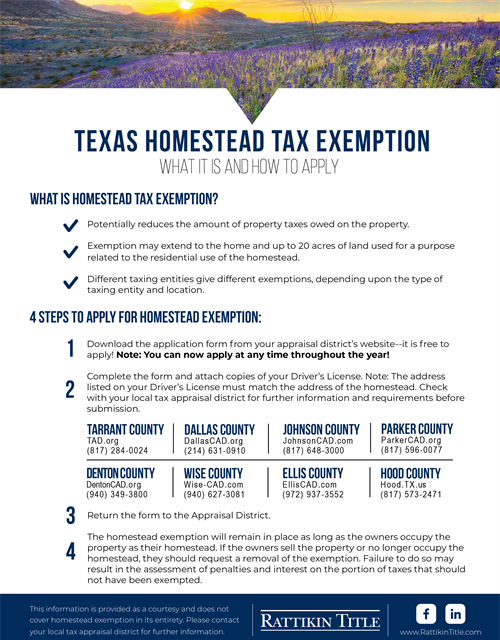
- Proof of Residency: This is critical. The property must be your primary residence. Acceptable proofs include a Texas driver’s license or identification card with the property address, or a vehicle registration receipt. If your driver’s license doesn’t reflect your homestead address, you may need additional documentation like utility bills, a voter registration card, or a current lease agreement (if you recently moved from a rental within Texas). All documents should show the same address as the property you are claiming as your homestead.
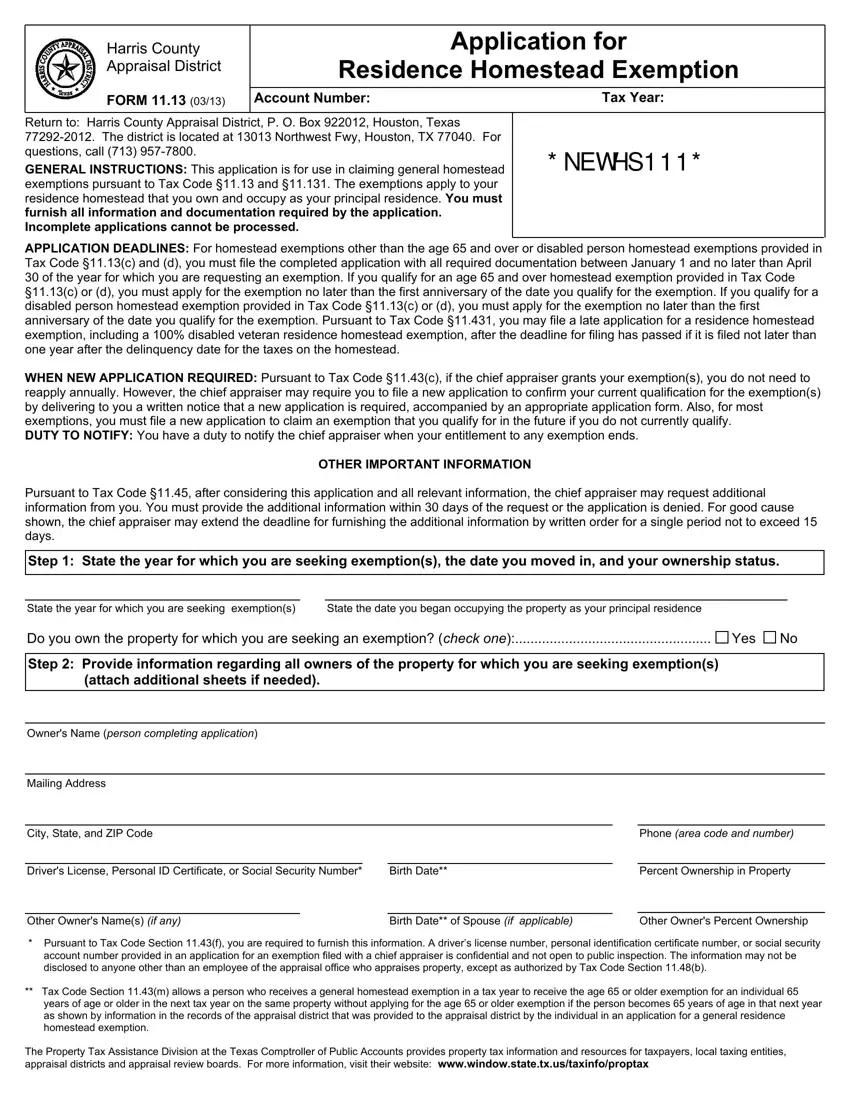
- Specific Forms: The primary form is the “Application for Residential Homestead Exemption,” officially known as Form 50-114. You can typically download this from your county’s Central Appraisal District website or pick one up in person.
- Additional Documents for Special Exemptions: If you’re applying for an Over-65 or Disabled Person exemption, you’ll need proof of age (e.g., birth certificate, driver’s license) or disability (e.g., letter from Social Security Administration). For the Disabled Veteran exemption, you’ll need a letter from the U.S. Department of Veterans Affairs indicating your service-connected disability rating.
Just as you wouldn’t embark on an international trip without your passport and necessary visas, you shouldn’t attempt to file for your homestead exemption without these crucial documents. They are your ticket to securing the savings that will support your Texas lifestyle.
Step 2: Completing the Application
The “Application for Residential Homestead Exemption” (Form 50-114) is designed to be user-friendly, but attention to detail is essential.
- Obtaining the Form: Visit the website of your county’s Central Appraisal District (CAD) – for example, the Travis Central Appraisal District for Austin, or the Harris County Appraisal District for Houston. Most provide downloadable PDF versions of the form.
- Filling it Out: Carefully fill in all requested information, including your name, property address, contact details, and the date you occupied the property as your principal residence. Be sure to check all applicable exemption boxes (general, over-65, disabled, disabled veteran).
- Deadlines: This is critical. The general deadline to file for a homestead exemption is April 30th of the year for which you are seeking the exemption. However, if you purchase and occupy your home as your primary residence after January 1st, you must still file by April 30th of the following year. For example, if you bought your home on July 1, 2023, you have until April 30, 2024, to file for your 2023 exemption. It’s always best to file as soon as possible after moving in. Missing this deadline is like missing a flight – it can have costly consequences.
Step 3: Submitting Your Application
Once your application is complete and you have all supporting documents, it’s time to submit it.
- Methods of Submission: Most appraisal districts allow submission by mail, in person, or sometimes online through their website portal. Mailing is common, but if you prefer the certainty of knowing it’s received, dropping it off in person can be reassuring. Always check your specific CAD’s preferred methods.
- Keep Copies: Before submitting, make copies of everything – the completed application form and all supporting documents. This serves as your proof of submission in case any issues arise. This habit of meticulous record-keeping is beneficial not just for taxes but also for tracking your travel itineraries or accommodation reviews.
Step 4: What Happens Next?
After submission, the appraisal district will review your application.
- Review and Notification: The CAD will process your application and notify you of their decision. If approved, you will see the exemption reflected on your annual property tax statement.
- Denial and Appeals: If your application is denied, the CAD must notify you in writing, stating the reason for denial. You have the right to appeal this decision to the Appraisal Review Board (ARB). The denial letter will provide instructions on how to initiate an appeal. This appeal process provides a safety net, ensuring fairness and accuracy.
Special Considerations and Tips for Texas Homeowners
Beyond the basic filing process, a few additional tips can help Texas homeowners maximize their benefits and avoid common pitfalls.
- New Homeowners: As soon as you purchase and move into your new Texas home, make filing for the homestead exemption a top priority. Don’t wait until the last minute. This proactive approach ensures you begin saving on your property taxes from the earliest possible date, which can significantly impact your budget for decorating, home improvements, or that first celebratory trip from your new base.
- Moving within Texas: If you already had a homestead exemption on a previous home in Texas but have since moved to a new primary residence within the state, remember that the exemption does not automatically transfer. You must re-file for the homestead exemption on your new property. Each homestead exemption is tied to a specific property.
- Rental Properties vs. Homesteads: It’s crucial to distinguish between a primary residence and a rental property. The homestead exemption only applies to your primary residence. If you own multiple properties, such as a vacation home or investment rental properties, these do not qualify for a homestead exemption. This distinction is important for those who leverage real estate as part of their lifestyle investment strategy, whether through short-term vacation rentals popular with tourists or longer-term residential leases.
- Manufactured Homes: If your homestead is a manufactured home, it can also qualify for the exemption, but you must own the land it sits on, and the home must be listed as real property (rather than personal property) with the Texas Department of Housing and Community Affairs. Specific documentation, such as the statement of ownership and location, may be required.
- Impact on Travel Budget and Lifestyle: The financial savings garnered from a homestead exemption are not trivial. Reducing your annual property tax bill means more discretionary income. Imagine what you could do with those extra hundreds or even thousands of dollars each year: fund a luxurious weekend retreat to a Texas resort, contribute to a grand tour of European landmarks, invest in experiences like a hot air balloon ride over the Texas countryside, or simply enjoy more fine dining and local attractions. It empowers a lifestyle where your home is both a sanctuary and a springboard for new adventures.
Texas Cities and the Homestead Advantage: Where to Plant Your Roots
The decision of where to buy a home in Texas is often influenced by lifestyle preferences, career opportunities, and community feel. The homestead exemption further sweetens the deal, making homeownership more accessible and sustainable in some of the state’s most desirable locations.
- Austin: As the state capital and a hub for technology, music, and outdoor activities, Austin attracts a vibrant and diverse population. Owning a home here, whether near Zilker Park or in the quieter suburbs, offers access to a dynamic lifestyle. The homestead exemption helps mitigate Austin’s higher property values, making it more feasible to live amidst its unique culture and still enjoy frequent trips to Lake Travis or the South Congress Avenue scene.
- Houston: A sprawling, multicultural metropolis, Houston boasts world-class museums, a renowned culinary scene, and a significant role in space exploration (home to NASA’s Johnson Space Center). For families and professionals, Houston offers diverse neighborhoods and relatively more affordable housing compared to other major U.S. cities. Securing a homestead exemption here enhances the financial attractiveness of living in a city that truly offers a global lifestyle with ample opportunities for local exploration and international travel from its major airport.
- Dallas: Known for its sophisticated arts district, upscale shopping, and robust business environment, Dallas appeals to those seeking a refined urban experience. Homeownership in Dallas allows residents to enjoy the city’s luxurious amenities, from professional sports to high-end dining, while the homestead exemption provides valuable tax relief, helping to balance the costs of an elevated lifestyle. This can mean more funds for boutique hotel stays in neighboring areas or weekend trips to other Texas attractions.
- San Antonio: Rich in history and culture, San Antonio offers a distinct charm with iconic landmarks like the Alamo and the famous River Walk. It’s a prime destination for tourism and a fantastic place to settle for those who appreciate a blend of historical significance and vibrant community life. The homestead exemption makes homeownership in this beautiful city more accessible, allowing residents to deeply engage with local festivals, culinary delights, and family-friendly attractions without undue financial pressure.
In each of these unique Texas cities, the homestead exemption acts as a fundamental benefit, making the dream of homeownership more financially sound. It’s an advantage that allows residents to allocate more of their income towards experiencing the diverse facets of Texas life, from local attractions and culinary tours to regional travel and beyond.
In conclusion, filing for a homestead exemption in Texas is a crucial step for any homeowner seeking to optimize their financial well-being. It’s a straightforward process that offers substantial property tax savings, freeing up valuable resources that can be channeled towards enriching your lifestyle. Whether you’re planning your next big adventure, indulging in local experiences, or simply enjoying the comfort of your Texas home, understanding and utilizing this benefit is an intelligent move. By taking the time to complete the application accurately and on schedule, you secure a financial advantage that empowers a more comfortable, adventurous, and fulfilling life in the heart of the Lone Star State. Your home is your base, and with the homestead exemption, it can also be a catalyst for your next great journey.